
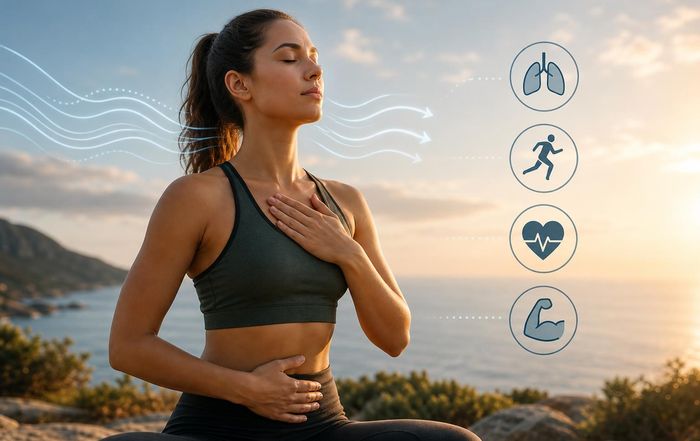
The Strategic Role of Breathwork in Exercise: Performance, Recovery, and Wellbeing in 2026
Breath as a Performance Asset, Not an Afterthought
In 2026, as training philosophies become more data-driven and holistic, breathwork has moved from the fringes of wellness culture into the core of serious exercise science and high-performance training. Elite athletes, forward-thinking fitness professionals, and leading spa and wellness destinations increasingly view breathing not as an automatic background function, but as a strategic asset that can be trained, measured, and integrated into every stage of physical activity. For QikSpa and its global audience focused on spa and salon experiences, health, wellness, beauty, food and nutrition, fitness, yoga, fashion, and sustainable lifestyle, breathwork represents a powerful bridge between physical performance and mental resilience, between aesthetic goals and deep, long-term health.
Across markets such as the United States, the United Kingdom, Germany, Canada, Australia, and key hubs in Asia and Europe, breath-focused protocols are now embedded in personal training sessions, yoga and Pilates programs, spa treatments, and corporate wellness initiatives. Leading institutions such as Harvard Medical School have highlighted how controlled breathing can influence the autonomic nervous system and stress response, while organizations like the American College of Sports Medicine continue to explore how respiratory efficiency impacts athletic performance and endurance. As consumers increasingly seek integrated solutions that connect body, mind, and environment, breathwork emerges as a foundational practice that supports the broader wellness ecosystem that QikSpa curates across its dedicated sections on health, wellness, fitness, and yoga.
The Physiology of Breath: Why It Matters More Than Ever
At its core, breathwork in exercise is about optimizing gas exchange, energy production, and nervous system regulation. When individuals inhale, oxygen travels through the respiratory tract into the lungs, diffuses into the bloodstream, and binds to hemoglobin in red blood cells, which then transport it to working muscles. Carbon dioxide, a by-product of metabolism, is carried back to the lungs for exhalation. The efficiency of this cycle directly affects endurance, power output, and perceived exertion. Leading educational resources such as the American Lung Association explain how lung capacity and respiratory health influence overall functional fitness and resilience, particularly as populations age and lifestyle-related conditions become more prevalent.
In high-intensity exercise, the body's demand for oxygen and the need to offload carbon dioxide increase dramatically, and breathing patterns often become shallow and rapid, which can compromise performance and contribute to premature fatigue. Research summarized by PubMed and other scientific databases indicates that specific breathing techniques can improve ventilatory efficiency, increase tolerance to carbon dioxide, and delay the onset of muscle fatigue. For international audiences from North America to Europe and Asia, where urban living, pollution, and sedentary work patterns are common, the ability to breathe more efficiently during exercise is not only a performance advantage but also a protective factor for long-term respiratory and cardiovascular health. Within this context, QikSpa's coverage of food and nutrition and lifestyle intersects directly with breathwork, as nutritional status, hydration, and daily habits influence respiratory function and recovery.
Breathwork as a Foundation of Mind-Body Integration
The modern fitness and wellness consumer no longer views exercise solely through the lens of calorie expenditure or muscle gain; instead, there is a growing emphasis on integrated mental and physical benefits. Controlled breathing has long been central to disciplines such as yoga and meditation, and organizations like Yoga Journal and Yoga Alliance have documented how pranayama practices influence focus, emotional regulation, and stress resilience. As these techniques are adapted for mainstream fitness and spa environments, breathwork is helping to redefine what "effective exercise" looks like, particularly for professionals and high-achieving individuals in global business centers seeking sustainable performance rather than short-term results.
Neuroscience research, highlighted by institutions such as Stanford Medicine, has shown that specific patterns of breathing can modulate brain activity in regions associated with attention, emotional regulation, and pain perception. Slow, diaphragmatic breathing can activate the parasympathetic nervous system, lowering heart rate and blood pressure, while certain faster techniques can increase alertness and readiness. For QikSpa readers who engage with content across wellness, careers, and business, this mind-body connection is highly relevant: breathwork offers a portable, cost-effective tool to manage stress before a high-stakes meeting, recover after long-haul travel, or enhance focus during demanding training sessions, whether in London, Singapore, New York, or Sydney.
Optimizing Strength and Conditioning Through Breath
In strength training and conditioning, breathwork plays a critical role in stability, safety, and power generation. The Valsalva maneuver, often used during heavy lifts, creates intra-abdominal pressure that stabilizes the spine and allows for greater force production, but it must be applied judiciously to avoid undue cardiovascular strain. Educational bodies such as the National Strength and Conditioning Association (NSCA) provide detailed guidelines on when and how to use breath holds, exhalations, and inhalations to support safe lifting mechanics. For example, exhaling during the exertion phase of a moderate-intensity movement can help maintain blood pressure within a safer range while still supporting core stability.
In functional training, where movements are dynamic and multi-planar, synchronized breathing enhances coordination and reduces the likelihood of compensatory patterns that can lead to overuse injuries. Endurance athletes, from marathon runners in Berlin and Boston to cyclists in the Netherlands and mountain athletes in Switzerland, increasingly use structured breathing rhythms to maintain pace, manage effort, and preserve mental clarity. The International Olympic Committee and various national sports institutes have begun to integrate respiratory muscle training into athlete development programs, recognizing that stronger respiratory muscles can improve overall performance and delay fatigue. Within spa and boutique fitness environments that QikSpa highlights in its spa and salon coverage, trainers and therapists are now designing sessions where breath cues are as precise and intentional as movement cues, creating a more immersive and effective client experience.
Breathwork in Yoga, Pilates, and Mindful Movement
Yoga, Pilates, and other mindful movement disciplines have long treated breath as a central organizing principle rather than a secondary consideration. In yoga, pranayama practices such as ujjayi, nadi shodhana, and kapalabhati each serve distinct physiological and psychological purposes, from calming the nervous system to increasing heat and focus. Organizations like the Cleveland Clinic describe how these techniques can improve lung function, reduce anxiety, and enhance overall wellbeing when integrated into a consistent practice. For global audiences in regions such as Asia, Europe, and North America, where yoga studios and wellness retreats continue to expand, breath-centered classes are increasingly popular among both beginners and advanced practitioners.
Pilates, with its emphasis on core stability and controlled movement, uses lateral thoracic breathing to maintain engagement of the deep abdominal and pelvic floor muscles while allowing for fluid, precise motion. This has significant implications for populations such as women returning to exercise after pregnancy, older adults managing posture and balance, and professionals spending long hours at desks. By integrating breathwork into sessions, instructors can improve movement quality, reduce neck and shoulder tension, and support spinal health. QikSpa's dedicated coverage of yoga, women, and health provides an ideal platform to explore these intersections, offering readers in markets from the United States and Canada to South Korea and Japan practical insights into how mindful breathing can transform their experience of exercise and daily life.
Recovery, Sleep, and the Parasympathetic Reset
The importance of recovery in exercise programming is now widely recognized, and breathwork has become a key tool for accelerating physiological restoration after training sessions, competitions, or periods of high stress. Slow, controlled exhalations stimulate the vagus nerve and promote parasympathetic activation, which in turn reduces heart rate, lowers blood pressure, and facilitates digestion and tissue repair. The National Institutes of Health (NIH) and similar research bodies have documented how relaxation-focused breathing can improve sleep quality, reduce perceived stress, and support immune function, all of which are essential for consistent training and long-term performance.
In spa environments, particularly in wellness-forward regions such as Scandinavia, Japan, and New Zealand, breath-led rituals are increasingly embedded into massages, hydrotherapy, and thermal experiences. Clients may be guided through paced breathing exercises during contrast bathing or floatation sessions to deepen relaxation and enhance the restorative effects of the treatment. For busy professionals in global financial centers from London and Frankfurt to Singapore and Hong Kong, structured breathwork before bedtime can counteract the stimulating effects of screen time and late-night work, supporting healthier sleep cycles and better readiness for the next day's demands. QikSpa, through its wellness and lifestyle sections, is well positioned to showcase how integrating breathwork into evening routines and post-workout rituals can elevate both spa experiences and at-home self-care practices.
Breathwork, Metabolism, and Body Composition
While breathing alone does not replace sound nutrition and structured training, it plays a nuanced role in metabolic regulation and body composition efforts. Diaphragmatic breathing can improve oxygen delivery and help maintain lower stress hormone levels, particularly cortisol, which when chronically elevated is associated with increased abdominal fat and impaired recovery. Resources such as Mayo Clinic discuss how stress management strategies, including controlled breathing, can support weight management by reducing emotional eating and improving sleep, both of which influence metabolic health.
During exercise, efficient breathing can allow individuals to train at higher intensities or for longer durations with better perceived comfort, thereby increasing total energy expenditure over time. Interval training protocols that incorporate brief breathing resets between efforts can help maintain quality of movement and reduce the risk of overtraining. For readers who follow QikSpa's coverage of food and nutrition and fitness, understanding the interplay between breath, stress, and metabolism is crucial for designing sustainable, effective programs that align with personal goals, whether those involve fat loss, muscle gain, or simply improved vitality.
Mental Health, Focus, and Emotional Regulation
The last decade has seen a profound shift in how individuals and organizations view mental health, with breathwork emerging as a practical, stigma-free entry point to emotional self-regulation. Controlled breathing techniques are increasingly used in clinical settings, with support from organizations such as the National Alliance on Mental Illness (NAMI), to help manage symptoms of anxiety, panic, and post-traumatic stress. In exercise environments, these same techniques can be adapted to manage pre-competition nerves, maintain composure during challenging workouts, or reset after a stressful workday before engaging in physical activity.
High-performing professionals across the United States, Europe, and Asia are adopting micro-practices such as one-minute breathing resets between meetings or brief breath-focused breaks during long work sessions. These interventions can improve concentration, reduce cognitive fatigue, and enhance decision-making under pressure. For QikSpa's audience interested in careers, business, and international lifestyles, breathwork offers a discreet yet powerful competitive advantage, enabling them to bring greater clarity and emotional intelligence to both their training and their professional responsibilities. As organizations increasingly invest in holistic employee wellbeing, breath-centered workshops and digital programs are becoming a common feature of corporate wellness strategies from Toronto and Melbourne to Paris and Dubai.
Breathwork, Beauty, and the Spa Experience
Although breathwork is often discussed in the context of performance and mental health, it also has implications for beauty and aesthetic outcomes. Chronic stress can negatively affect skin health, contributing to inflammation, premature aging, and conditions such as acne or eczema. By helping to regulate stress responses and improve sleep, structured breathing can indirectly support healthier, more radiant skin. Dermatology-focused organizations and resources such as American Academy of Dermatology have noted the role of stress management in comprehensive skin care plans, and many high-end spas now integrate breath-led relaxation segments into facials and body treatments to amplify both visible and experiential benefits.
In spa and salon settings globally, from luxury resorts in Thailand and Italy to urban wellness centers in New York and London, breathwork is increasingly treated as part of the core client journey rather than a peripheral add-on. Clients may be invited to begin each treatment with a brief guided breathing sequence, aligning the nervous system with the intention of the session, whether it is rejuvenation, detoxification, or deep relaxation. For QikSpa, whose beauty and spa and salon content speaks to discerning guests and professionals alike, highlighting the integration of breathwork into beauty protocols underscores a broader commitment to inside-out wellbeing, where outer appearance reflects inner balance and vitality.
Global Trends, Technology, and Innovation in Breath Training
By 2026, the integration of technology and breathwork has accelerated, with wearables, smart devices, and digital platforms providing real-time feedback on breathing patterns, heart rate variability, and stress levels. Companies in the health-tech space, often in collaboration with institutions like MIT and Imperial College London, are developing sensors and algorithms that coach users toward more efficient and coherent breathing during exercise and daily activities. These tools are especially valuable for individuals in high-pressure professions and for athletes looking to fine-tune performance, as they transform an often-subconscious process into a measurable, trainable variable.
Mobile applications backed by research from organizations such as Headspace Health and Calm have also popularized guided breathing for stress management, sleep, and focus, and many now include modules specifically tailored to pre-workout preparation or post-exercise recovery. For global travelers, frequent flyers, and remote workers, these digital resources provide portable support, helping them manage jet lag, adapt to time zone changes, and maintain consistent routines even when on the move. QikSpa, with its international and travel coverage, can play a pivotal role in helping readers navigate this evolving landscape, spotlighting best-in-class technologies and practices that align with evidence-based health principles and sustainable lifestyle choices.
Sustainability, Workplace Wellness, and the Future of Breath-Centered Exercise
As sustainability becomes a defining theme in global business and lifestyle decisions, breathwork stands out as a low-impact, universally accessible practice that requires no equipment, minimal space, and can be integrated into virtually any environment. For organizations committed to environmental and social responsibility, as reflected in resources from the United Nations Environment Programme (UNEP) and the World Economic Forum, promoting breath-centered wellness practices aligns with broader goals of reducing resource-intensive interventions while still supporting employee health and productivity. Learn more about sustainable business practices and their intersection with wellness to understand why breathwork is an attractive strategy for companies seeking impact without excessive cost or environmental footprint.
From co-working spaces in Berlin and Amsterdam to corporate campuses in California, Seoul, and Singapore, short guided breathing sessions are being incorporated into meetings, workshops, and on-site fitness offerings. This trend supports a more humane, people-centered approach to work, where performance is driven not by relentless intensity but by cycles of focus and recovery. QikSpa's sustainable and business sections can showcase how breathwork fits into broader ESG narratives, helping leaders in sectors from finance and technology to hospitality and fashion design wellbeing strategies that are both effective and responsible.
Positioning Breathwork at the Heart of the QikSpa Experience
For QikSpa, breathwork is not simply another wellness trend; it is a unifying theme that connects spa and salon experiences, fitness and yoga practices, nutrition and lifestyle choices, beauty and mental health, and even international travel and sustainable business. By embedding breath-centered insights across its platforms-from health and wellness to fitness, beauty, and lifestyle-QikSpa can help its global audience move beyond fragmented approaches to exercise and self-care, toward a more integrated, evidence-informed, and personally meaningful model of wellbeing.
In practice, this means encouraging readers in New York, London, Berlin, Toronto, Sydney, Singapore, Tokyo, and beyond to view every workout, spa visit, or wellness retreat as an opportunity to deepen their relationship with their own breath. It means equipping professionals and practitioners-therapists, trainers, yoga teachers, nutritionists, and business leaders-with knowledge and tools that enhance their credibility and impact. And it means recognizing that in an increasingly complex, fast-paced world, the ability to pause, inhale with intention, and exhale with clarity is not a luxury but a strategic necessity.
As the science of breathwork continues to evolve and as innovative technologies and global best practices emerge, QikSpa is uniquely positioned to curate, interpret, and translate this knowledge for a discerning international audience. In doing so, it affirms a simple yet profound truth: in exercise, as in life, how one breathes shapes how one performs, how one recovers, and ultimately, how one experiences the world.
