
The Strategic Benefits of Buying Local and Seasonal Produce
A New Era of Conscious Consumption
Unfolds, the global conversation around food, wellness, and sustainability has matured from a niche concern into a central pillar of modern lifestyle and business strategy. Across North America, Europe, Asia, Africa, and South America, consumers, entrepreneurs, and policymakers are rethinking what it means to eat well, live well, and operate responsibly in a tightly interconnected world. Within this shift, the decision to buy local and seasonal produce has emerged not merely as a culinary preference, but as a strategic choice that influences personal health, community resilience, environmental impact, and long-term economic value. For the audience of QikSpa and its growing global community of wellness-oriented readers, this topic sits at the intersection of beauty, health, lifestyle, travel, and sustainable business, reflecting the platform's mission to integrate evidence-based wellbeing with aspirational living.
While local and seasonal produce has long been associated with farmers' markets and traditional food cultures, the contemporary understanding is far more sophisticated. Leading institutions such as the Food and Agriculture Organization of the United Nations and the World Health Organization have documented the profound implications of dietary choices on health outcomes, food systems, and climate resilience. In parallel, wellness-forward brands, spa operators, and hospitality leaders have discovered that aligning menus, treatments, and guest experiences with seasonal and local sourcing can enhance brand trust, differentiate offerings, and support a more holistic definition of luxury. Against this backdrop, buying local and seasonal produce is becoming a cornerstone of the modern lifestyle that QikSpa champions across its focus areas, from health and wellness to food and nutrition, travel, and business.
Health and Nutrition Advantages of Seasonal Eating
One of the most compelling reasons to prioritize local and seasonal produce lies in its potential to deliver superior nutritional value. Fruits and vegetables that are harvested at peak ripeness and consumed shortly thereafter tend to retain higher levels of vitamins, antioxidants, and phytonutrients than those that have been picked early, stored for extended periods, or transported across continents. Research highlighted by organizations such as the Harvard T.H. Chan School of Public Health and the National Institutes of Health underscores how nutrient density and freshness can influence immune function, metabolic health, and long-term disease risk, particularly in areas such as cardiovascular health, diabetes prevention, and cognitive performance.
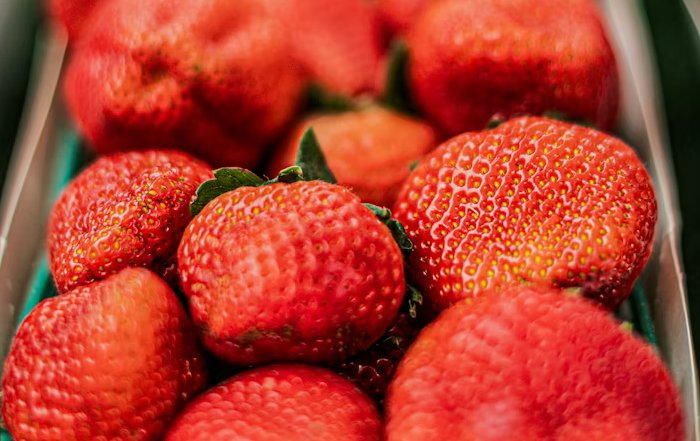
In practical terms, this means that a strawberry grown in season in California, a tomato harvested at peak ripeness in Italy, or leafy greens sourced from a local farm in Germany can offer a different sensory and nutritional profile than their out-of-season counterparts imported from distant regions. For wellness-conscious individuals in the United States, United Kingdom, Canada, Australia, and beyond, aligning personal nutrition with local harvest cycles can be a powerful way to support a more resilient body and mind. On QikSpa, readers exploring food and nutrition can integrate this knowledge into meal planning, spa-inspired recipes, and daily routines, turning seasonal produce into a foundation of long-term wellbeing rather than a passing trend.
Local Produce as a Foundation of Holistic Wellness
Beyond strictly measurable nutrients, seasonal and local produce plays a central role in what many leading wellness experts now call "holistic nourishment." This concept extends beyond calories and vitamins to encompass sensory pleasure, cultural connection, and emotional satisfaction, all of which influence overall wellness. Institutions such as the Mayo Clinic and the Cleveland Clinic have increasingly emphasized the psychological and behavioral dimensions of eating, noting that enjoyment, variety, and cultural relevance can improve adherence to healthy eating patterns over time.
When individuals in cities from New York and London to Singapore and Tokyo build their diets around what is naturally abundant in their region at any given time, they tend to encounter greater diversity of ingredients across the year. This seasonal rotation encourages creativity in the kitchen, fosters mindful eating, and strengthens ties to local food traditions. For spa and salon operators, hoteliers, and wellness retreat designers who follow QikSpa for spa and salon and lifestyle insights, integrating local produce into menus, detox programs, and nutrition consultations can elevate guest experiences and support long-term client loyalty. Seasonal herbal infusions, regionally inspired spa cuisine, and plant-based tasting menus built around local harvests align closely with the broader shift toward integrative wellness that spans nutrition, mental health, fitness, and relaxation.
Environmental Impact and Climate Responsibility
The environmental case for buying local and seasonal produce has become increasingly salient as climate change intensifies and global supply chains face unprecedented stress. Organizations such as the Intergovernmental Panel on Climate Change and the United Nations Environment Programme have repeatedly highlighted the role of food systems in greenhouse gas emissions, land use change, and biodiversity loss. While not all local food is automatically low-carbon, seasonal produce that does not rely on energy-intensive greenhouses, long-haul refrigerated transport, or extensive packaging generally carries a smaller environmental footprint than produce grown out of season or flown in from distant regions.
For consumers in Germany, France, the Netherlands, and the Nordic countries, where sustainability has become a mainstream expectation, choosing seasonal items at supermarkets, farmers' markets, and restaurants can translate into meaningful reductions in "food miles" and resource use. For readers of QikSpa who are particularly engaged with sustainable living, this perspective offers a practical way to align daily food choices with broader climate goals. By supporting local farmers who adopt regenerative or organic practices, consumers also contribute to healthier soils, improved water management, and increased biodiversity, reinforcing the long-term resilience of regional ecosystems in Europe, Asia, North America, and beyond.
Economic Resilience and Community Development
The economic benefits of buying local and seasonal produce extend well beyond individual transactions and reach into the heart of community resilience. When households, restaurants, spas, and hotels choose to purchase from nearby farms and producers, more of the food dollar circulates within the local economy, supporting employment, entrepreneurship, and rural development. Studies summarized by organizations such as the Organisation for Economic Co-operation and Development and the World Bank have shown that vibrant local food systems can contribute to regional competitiveness, innovation, and social cohesion.
For business leaders and entrepreneurs who follow QikSpa's insights on business and careers, local sourcing strategies can become a key differentiator, particularly in hospitality, wellness, and premium retail. A spa in Switzerland that highlights partnerships with nearby organic farms, a boutique hotel in Thailand that curates seasonal breakfast menus featuring regional tropical fruits, or a wellness resort in South Africa that celebrates indigenous ingredients can all create compelling narratives that resonate with discerning guests. This approach supports local growers in Italy, Spain, Brazil, and Malaysia, while also reinforcing the brand's authenticity and commitment to the communities in which it operates.
Trust, Transparency, and Food Safety
In an era marked by complex global supply chains and rising consumer concern about food safety, traceability, and ethical sourcing, local and seasonal produce offers a pathway to greater trust and transparency. Regulatory agencies such as the U.S. Food and Drug Administration and the European Food Safety Authority have strengthened oversight of food imports and production standards, yet many consumers still feel disconnected from the origins of what they eat. When produce is sourced from nearby farms, it often becomes easier to understand how it was grown, what inputs were used, and which standards were followed.
For wellness-conscious individuals and for professionals in spa, beauty, and hospitality, this traceability is especially important. Clients increasingly ask not only whether a dish is plant-based or gluten-free, but also where its ingredients come from and how they were cultivated. By building relationships with local producers in the United States, United Kingdom, Japan, and Singapore, businesses can provide more detailed, credible answers, reinforcing a sense of safety and integrity. For the QikSpa audience exploring health and wellness content, this level of transparency supports more informed decision-making and a deeper sense of confidence in both everyday shopping and premium wellness experiences.
Culinary Creativity, Beauty, and Lifestyle Appeal
The aesthetic dimension of local and seasonal produce has become a powerful driver of its popularity, particularly among audiences interested in beauty, fashion, and aspirational lifestyles. Seasonal fruits, vegetables, herbs, and edible flowers often exhibit vibrant colors, unique textures, and distinctive flavors that lend themselves to visually stunning dishes, photogenic table settings, and social media storytelling. Culinary schools and chefs featured by platforms such as the James Beard Foundation and the Culinary Institute of America frequently emphasize seasonal menu development as a core skill, reflecting the close relationship between creativity and seasonality in contemporary gastronomy.
For the QikSpa community interested in beauty, fashion, and lifestyle, seasonal produce offers an elegant way to integrate wellness into daily aesthetics. Smoothies infused with local berries, salads built around regional greens and herbs, and spa water enhanced with seasonal citrus or cucumber can become part of a refined personal ritual that aligns inner health with outward radiance. In many cultures across Europe and Asia, traditional wisdom has long linked certain seasonal foods with skin health, hair vitality, and overall appearance, and modern dermatological research, as summarized by the American Academy of Dermatology, increasingly supports the role of antioxidants and healthy fats in skin protection and repair.
Women, Wellness, and Empowered Food Choices
Women in particular have been at the forefront of the movement toward local and seasonal eating, both as consumers and as leaders in food, wellness, and sustainability initiatives. From female farmers and food entrepreneurs in Canada and New Zealand to nutritionists, spa directors, and wellness influencers in South Korea and the United Arab Emirates, women are shaping how families, businesses, and communities think about food. Organizations such as UN Women and the International Fund for Agricultural Development have highlighted the critical role of women in agricultural value chains and rural development, noting that empowering women in these sectors can significantly improve food security and economic outcomes.
For readers engaging with QikSpa's dedicated focus on women, local and seasonal produce represents more than a dietary preference; it becomes a tool for agency, leadership, and social impact. Women who prioritize seasonal foods in household shopping influence family health patterns across generations, while those who champion local sourcing in corporate settings, spa menus, or hospitality concepts help shift industry norms. This alignment between personal values and professional practice strengthens a sense of purpose and authenticity, qualities that are increasingly central to modern definitions of success and wellbeing.
Fitness, Performance, and Functional Nutrition
Athletes, fitness enthusiasts, and active professionals in regions from the United States and Germany to Japan and South Africa are increasingly recognizing that local and seasonal produce can serve as a powerful asset in performance nutrition. Sports science and nutrition research, as presented by organizations like the American College of Sports Medicine and Sports Dietitians Australia, has emphasized the importance of micronutrient density, antioxidant intake, and anti-inflammatory foods in supporting recovery, endurance, and overall physical resilience.
For readers who turn to QikSpa for fitness guidance, integrating seasonal produce into training plans can be both practical and enjoyable. Spring greens rich in folate and iron, summer berries packed with anthocyanins, autumn root vegetables providing complex carbohydrates, and winter citrus fruits offering vitamin C can each play targeted roles in fueling workouts and supporting immune health. When these foods are sourced locally, they are more likely to be consumed closer to harvest, preserving delicate nutrients that can degrade during long transport or storage. This functional approach to seasonal eating aligns seamlessly with yoga, Pilates, and mindful movement practices that many QikSpa readers explore through resources such as yoga and holistic wellness content.
Travel, Hospitality, and Authentic Local Experiences
In the global travel landscape of 2026, discerning travelers increasingly seek experiences that feel authentic, rooted, and connected to place. Whether visiting wellness retreats in Thailand, boutique hotels in Italy, eco-lodges in Costa Rica, or city spas in London and New York, guests expect more than generic menus and standardized amenities. Tourism bodies and hospitality leaders, including the World Travel & Tourism Council and the UN World Tourism Organization, have emphasized the importance of local culture and sustainable practices in shaping the future of travel.
For QikSpa readers passionate about travel and international lifestyle, local and seasonal produce has become a key marker of authenticity and quality. A breakfast buffet that highlights regional cheeses, fruits, and breads, a spa that incorporates indigenous botanicals into treatments and refreshments, or a restaurant that designs its menu around the daily catch or market harvest all signal respect for local ecosystems and traditions. This approach not only enhances guest satisfaction but also supports local farmers, fishers, and artisans in destinations across Europe, Asia, Africa, and the Americas. As wellness tourism continues to expand, integrating local and seasonal produce into hospitality offerings will remain a powerful way to differentiate brands and create memorable, meaningful guest experiences.
Sustainable Business Strategy and Brand Positioning
From a strategic business perspective, the decision to prioritize local and seasonal produce is increasingly viewed as an investment in brand equity, risk management, and long-term competitiveness. Companies that align their sourcing practices with environmental, social, and governance expectations are often better positioned to attract discerning customers, secure partnerships, and access capital. Reports from the World Economic Forum and the Ellen MacArthur Foundation highlight how circular economy principles and regenerative food systems can unlock new value while mitigating climate and supply chain risks.
For entrepreneurs, spa owners, restaurateurs, and wellness brands who look to QikSpa for business insights, local and seasonal sourcing offers multiple strategic advantages. It can reduce dependence on volatile global supply chains, lower exposure to currency and transportation cost fluctuations, and create compelling storytelling opportunities around community impact and sustainability. When communicated transparently and supported by credible partnerships, these efforts can enhance trust among clients and investors alike. Integrating seasonal menus, local producer collaborations, and educational content about responsible sourcing into brand strategy aligns closely with the values of QikSpa's global audience, who increasingly seek to support businesses that reflect their own commitment to health, ethics, and environmental responsibility.
Integrating Local and Seasonal Produce into Modern Life
Ultimately, the benefits of buying local and seasonal produce are most fully realized when they are woven into the fabric of daily life, rather than treated as an occasional indulgence or marketing slogan. For individuals and families, this may involve planning meals around what is available at local markets, learning simple recipes that highlight seasonal ingredients, and viewing food choices as an integral part of a broader wellness journey that includes movement, rest, and self-care. For professionals in spa, hospitality, fashion, and beauty, it may mean rethinking procurement, menu design, and client education to place seasonal and local ingredients at the center of the experience.
The role of platforms like QikSpa is to support this integration by providing curated, trustworthy guidance across interconnected domains, from wellness and lifestyle to international perspectives and sustainable living. As readers explore the site, they encounter a cohesive narrative that positions local and seasonal produce not as a narrow dietary rule, but as a versatile tool for enhancing health, beauty, performance, travel experiences, and business strategy. In a world where global challenges increasingly demand local solutions, this approach offers a pragmatic, inspiring pathway toward a more resilient, elegant, and consciously curated life.
By embracing local and seasonal produce, individuals and organizations across the United States, United Kingdom, Germany, Canada, Australia, France, Italy, Spain, the Netherlands, Switzerland, China, Sweden, Norway, Singapore, Denmark, South Korea, Japan, Thailand, Finland, South Africa, Brazil, Malaysia, New Zealand, and beyond can align everyday choices with long-term wellbeing and planetary health. In doing so, they embody the very principles of experience, expertise, authoritativeness, and trustworthiness that define QikSpa's vision for modern wellness and lifestyle in 2026 and the years ahead.
