
Seoul 2026: Where Wellness, Culture, and Business Converge for the Global Traveler
Seoul in 2026 stands as one of the most compelling cities in the world for travelers who value wellness, culture, beauty, and business in equal measure. As the capital of South Korea and a leading global metropolis, it combines centuries of tradition with some of the most advanced technology and infrastructure on the planet. For the audience of qikspa.com, who approach travel as an opportunity to elevate lifestyle, health, and professional growth, Seoul offers a uniquely integrated experience: a place where a morning hike in the mountains can be followed by a strategy meeting in a high-tech business district, an afternoon in a luxury spa, and an evening immersed in world-class cuisine and culture.
By 2026, Seoul has fully embraced its role as a wellness-forward, design-conscious, and sustainability-minded city, while continuing to set global standards in beauty, fashion, and hospitality. It appeals equally to visitors from the United States, United Kingdom, Germany, Canada, Australia, and across Europe, Asia, Africa, and the Americas, who arrive not only to see the city but to live it-if only for a few days. For qikspa.com, Seoul is more than a destination to describe; it is a benchmark city against which modern wellness and lifestyle travel can be measured, and a natural focal point for readers exploring wellness, spa and salon culture, beauty, business, and global travel.
The Cultural Heartbeat: Heritage, Identity, and Modern Creativity
Seoul's enduring power lies in its ability to keep its cultural core visible and vibrant even as skyscrapers rise and new technology reshapes daily life. Visitors in 2026 encounter a city where the past is not a museum piece but a living framework that informs everything from architecture and etiquette to design and cuisine.
Palaces, Hanok Villages, and Living History
The former royal capital of the Joseon Dynasty continues to define Seoul's sense of place. Gyeongbokgung Palace, originally built in 1395 and meticulously restored, remains the most iconic starting point for understanding Korean history. As visitors walk through its expansive courtyards and gaze at the tiled roofs framed by the modern skyline, they witness the visual dialogue between heritage and progress that has come to characterize the city. The guard-changing ceremony, reconstructed with historical accuracy, is not simply a performance for tourists; it is a daily reminder of continuity and identity, and an accessible window into Korean court traditions for travelers from North America and Europe who may be encountering this heritage for the first time.
Nearby, Changdeokgung Palace, recognized by UNESCO as a World Heritage site, offers a more intimate and nature-focused perspective on royal life. Its famed Secret Garden (Huwon), with its ponds, pavilions, and carefully orchestrated landscapes, illustrates the traditional Korean philosophy of harmony between architecture and environment. For readers who follow international lifestyle and travel, the garden is a compelling example of how design can support contemplation and mental wellness centuries before the term "well-being" became mainstream.
Complementing the palaces, Bukchon Hanok Village and Ikseon-dong present clusters of traditional wooden hanok houses repurposed as tea rooms, galleries, guesthouses, and wellness-focused cafés. These neighborhoods allow visitors to step into a slower rhythm, sitting on heated floors, drinking herbal teas, and appreciating the craftsmanship of hanok architecture. For wellness-minded travelers, these historic districts provide a sense of grounding and authenticity that balances the intensity of Seoul's commercial areas.
Temples, Spiritual Practices, and Mindful Retreats
Seoul's spiritual landscape remains deeply influential in shaping its approach to wellness and lifestyle. Jogyesa Temple, headquarters of Korean Zen Buddhism, stands in the center of the city as a sanctuary of calm, where ancient trees shade courtyards filled with lanterns and visitors can observe monks at prayer. During festivals such as the Lotus Lantern Festival, the area transforms into a luminous celebration of faith, community, and artistic expression, attracting visitors from Japan, Thailand, Singapore, and beyond who seek deeper cultural immersion.
On the southern side of the river, Bongeunsa Temple in Gangnam offers structured temple-stay programs that have grown in popularity among international travelers in 2026. These programs typically include guided meditation, early morning chanting, tea ceremonies, and simple vegetarian temple meals, allowing guests to disconnect from digital overload and reconnect with inner stillness. For readers exploring yoga and mindfulness, these temple stays resonate strongly, demonstrating how Korean Buddhist traditions intersect with global wellness practices and providing a powerful complement to yoga retreats in India, Bali, or Thailand.
Museums, Design, and Contemporary Culture
Seoul's cultural institutions provide essential context for understanding its rapid evolution. The National Museum of Korea, one of the largest museums in Asia, offers a comprehensive narrative of Korean history from prehistoric artifacts to Buddhist sculptures and royal ornaments, positioning the country's story within broader regional developments. Travelers interested in deeper historical grounding often pair a visit here with time at the National Folk Museum of Korea, which focuses on the daily life, customs, and crafts that shaped Korean society across centuries, making it particularly engaging for families and culturally curious visitors from Europe and North America.
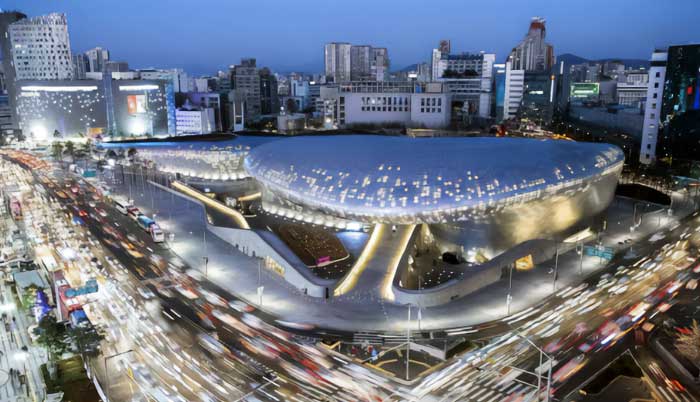
At the intersection of culture and innovation stands the Dongdaemun Design Plaza (DDP), designed by the late Zaha Hadid and now firmly established as a global design landmark. The DDP hosts exhibitions, design fairs, and Seoul Fashion Week, while also serving as a public space where locals and visitors experience Seoul's creative energy first-hand. For readers engaged with fashion and lifestyle, the DDP is a tangible expression of how the city has positioned itself as a creative powerhouse, influencing trends from Paris to New York and Milan.
The Evolving Spa and Wellness Landscape
For the qikspa.com community, one of Seoul's most compelling strengths is its sophisticated and diverse wellness ecosystem, which ranges from traditional bathhouses to cutting-edge medical spas and holistic retreats. By 2026, wellness is fully integrated into the city's identity, appealing to health-conscious travelers from Germany, Sweden, Norway, Denmark, and Finland, where preventive health and outdoor lifestyles are already cultural norms.
Jjimjilbang: Communal Healing and Everyday Wellness
The jjimjilbang, Korea's distinctive bathhouse and sauna complex, remains the heart of local wellness culture. Facilities such as Dragon Hill Spa near Yongsan and Siloam Sauna near Seoul Station exemplify the jjimjilbang experience, with gender-segregated bathing areas, hot and cold pools, multiple sauna rooms infused with minerals, charcoal, or Himalayan salt, and co-ed relaxation halls where families and friends gather to rest, sleep, or enjoy simple comfort foods.
Unlike many Western spas, jjimjilbangs are accessible and democratic, frequented by office workers, students, and retirees alike. In recent years, they have upgraded their infrastructure with digital wristbands, multilingual signage, and improved hygiene standards in line with global best practices from organizations such as the World Health Organization. For readers exploring spa and salon experiences, jjimjilbangs offer a deep insight into how Koreans view wellness as a communal, routine part of life rather than an occasional luxury.
Luxury Spas, Med Spas, and Holistic Retreats
At the upper end of the market, Seoul's luxury hotels and specialized wellness centers have elevated spa experiences to an art form. The Four Seasons Hotel Seoul operates a spa that integrates traditional Korean ingredients-such as ginseng, mugwort, and green tea-with advanced techniques and products from global skincare leaders. Similarly, Signiel Seoul, located in the Lotte World Tower, offers a sky-high spa with panoramic views of the city, where treatments are designed to combat urban stress and jet lag for business travelers arriving from New York, London, Frankfurt, and Singapore.
Seoul has also become a hub for medical wellness and dermatological tourism, building on South Korea's global reputation for advanced skincare and cosmetic procedures. Clinics in districts like Gangnam and Apgujeong provide services ranging from non-invasive laser treatments to personalized skincare programs based on AI-driven diagnostics and genetic profiling. While travelers are advised to consult reputable sources such as Mayo Clinic and Cleveland Clinic for guidance on medical decisions, Seoul's combination of clinical expertise and hospitality continues to attract visitors seeking long-term skin health and aesthetic improvements.
For qikspa.com, this convergence of traditional jjimjilbang culture, luxury spa artistry, and medical-grade expertise makes Seoul a model city for integrated wellness tourism, appealing to readers who treat self-care as a strategic investment rather than a passing indulgence.
Beauty, Lifestyle, and Fashion: Seoul as a Global Trend Engine
By 2026, K-Beauty and Korean fashion are not simply trends; they are influential pillars of the global beauty and style economy. Seoul functions as both laboratory and showcase, where new routines, ingredients, and silhouettes are tested, refined, and then exported to markets.
K-Beauty: Science, Ritual, and Preventive Care
K-Beauty's global success rests on a philosophy that prioritizes prevention, hydration, and barrier protection, rather than quick fixes. In Seoul, this philosophy is visible in every beauty district and flagship store. Neighborhoods like Myeongdong, Garosugil, and Hongdae are filled with boutiques from brands such as Sulwhasoo, Laneige, Innisfree, and newer clean-beauty labels focused on minimal ingredients and eco-friendly packaging. Visitors can undergo detailed skin analysis using AI-powered devices, receive personalized product recommendations, and learn multi-step routines designed to support long-term skin health.
For readers following beauty and skincare, Seoul offers a chance to experience the next generation of products and protocols before they reach shelves in Canada, Australia, or France. The city's emphasis on clinical research, as reflected in collaborations with institutions such as Seoul National University Hospital, reinforces its reputation for expertise and trustworthiness in cosmetic science.
Lifestyle Districts and Urban Identity
Seoul's neighborhoods each present a distinct lifestyle narrative, allowing visitors to curate experiences that match their personal preferences and professional identities. Gangnam remains synonymous with luxury, high-end retail, premium fitness clubs, and fine dining. Corporate executives and entrepreneurs often base themselves here, combining client meetings with visits to exclusive spas or rooftop lounges overlooking the city.
In contrast, Hongdae and Mangwon appeal to younger travelers and creatives, with independent cafés, live music venues, and concept stores that highlight local designers. Itaewon, historically known as an international district, has evolved into a cosmopolitan hub for global cuisine, wellness studios, and boutique hotels, attracting digital nomads and remote professionals from Europe, North America, and Oceania.
For readers exploring lifestyle, these districts present Seoul as a city of micro-worlds, where one can move in a single day from traditional tea houses in Insadong to cutting-edge co-working spaces and organic cafés in Seongsu, often called the "Brooklyn of Seoul."
Fashion, K-Pop, and Creative Influence
Seoul's fashion scene has matured into a sophisticated ecosystem that influences global trends across luxury, streetwear, and athleisure. Seoul Fashion Week, hosted at the Dongdaemun Design Plaza, attracts buyers, editors, and influencers from Italy, Spain, Netherlands, Switzerland, and beyond, who come to discover designers such as Juun.J, Wooyoungmi, and Lie Sang Bong. Their collections often blend architectural lines, technical fabrics, and gender-fluid silhouettes, reflecting the city's forward-looking sensibility.
The impact of K-Pop amplifies this influence, with artists from groups managed by companies like HYBE, SM Entertainment, and JYP Entertainment shaping global beauty and fashion aspirations through music videos, social media, and concert tours. As fans from Brazil, Mexico, South Africa, and Malaysia visit Seoul, they often seek out the salons, stylists, and boutiques associated with their favorite idols, turning the city into a living extension of pop culture.
For qikspa.com readers who see fashion and beauty as integral to lifestyle and personal branding, Seoul provides a rare opportunity to experience the full creative pipeline-from runway to retail to street-in one dynamic urban environment.
Food, Nutrition, and Conscious Dining
Seoul's culinary landscape mirrors its broader commitment to wellness, innovation, and cultural storytelling. Korean cuisine, with its emphasis on fermented foods, seasonal vegetables, and balanced flavors, naturally aligns with many global nutrition trends that prioritize gut health, plant-forward eating, and mindful consumption.
Traditional Cuisine and Modern Fine Dining
Foundational dishes such as kimchi, bibimbap, samgyetang (ginseng chicken soup), and various banchan (side dishes) embody the principle that food should nourish body and mind. Markets like Gwangjang Market and Namdaemun Market remain essential stops for travelers who want to taste authentic street foods-crispy bindaetteok, spicy tteokbokki, and hand-cut noodles-while observing the social rituals of shared meals.
At the high end, Seoul's fine-dining scene has gained international recognition, with restaurants such as Mingles, Onjium, and Jungsik earning accolades from the Michelin Guide. These establishments reinterpret traditional Korean ingredients and techniques through a contemporary lens, creating tasting menus that appeal to discerning diners from New York, London, Tokyo, and Hong Kong. For readers exploring food and nutrition, these restaurants demonstrate how culinary excellence can coexist with a strong commitment to ingredient integrity and seasonal balance.
Wellness Dining, Tea Culture, and Functional Foods
In response to rising interest in health-oriented lifestyles, Seoul has seen a proliferation of wellness cafés, plant-based restaurants, and functional food brands. Districts such as Itaewon, Seongsu, and Yeonnam-dong are home to vegan bistros, gluten-free bakeries, and juice bars that emphasize organic sourcing, superfoods, and low-sugar options, appealing particularly to visitors from Canada, Australia, and New Zealand who are accustomed to strong wellness-focused food scenes at home.
Korean tea culture has also experienced a renaissance, with venues like Osulloc Tea House in Myeongdong and Bukchon offering curated tastings of Jeju-grown green teas and blended infusions. These spaces encourage slow consumption, conversation, and reflection, aligning naturally with mindfulness practices. For evidence-based insight into the health benefits of tea and fermented foods, travelers often refer to resources such as the Harvard T.H. Chan School of Public Health, whose research supports many of the principles embedded in Korean dietary traditions.
For qikspa.com, Seoul's food scene exemplifies how gastronomy can support holistic health without sacrificing pleasure or creativity, making the city especially attractive to readers who view nutrition as central to overall wellness.
Fitness, Nature, and Outdoor Living in an Urban Megacity
Seoul's geography-encircled by mountains and bisected by the Han River-makes it uniquely suited to travelers who want to integrate physical activity and nature into urban itineraries. In 2026, the city's outdoor infrastructure is more developed than ever, reflecting a national culture that values hiking, cycling, and seasonal sports.
Mountain Trails and Urban Hiking Culture
Bukhansan National Park, located just north of the city, remains one of the most visited national parks in the world, with well-maintained trails ranging from gentle walks to challenging climbs. Peaks such as Baegundae offer sweeping views of the entire city, creating a powerful sense of perspective for visitors arriving from flat urban centers in Europe or North America. The park's proximity to Seoul's subway system makes it easy for even short-stay travelers to experience a full-day hike without complex logistics.
Closer to the city center, Namsan and Inwangsan provide shorter hikes that integrate cultural sites, such as fortress walls and shrines, with panoramic vistas. For readers focused on fitness, these mountains demonstrate how Seoul residents weave regular physical activity into everyday life, often hiking on weekends as a family or corporate group activity.
Han River Parks and Urban Fitness
The Han River has evolved into a linear wellness corridor that cuts across the city. Its extensive network of parks and paths supports running, cycling, rollerblading, and outdoor gym workouts, while seasonal events-from night markets to music festivals-create a sense of community that appeals to visitors from France, Italy, Spain, and Netherlands, where riverfront revitalization has also become central to urban planning. Bike rentals and public exercise equipment make it easy for travelers to join local routines, whether for a sunrise run or a sunset yoga session by the water.
For those interested in structured exercise, Seoul's fitness ecosystem includes premium gyms, boutique studios, and hotel wellness centers that rival those in New York or London. International hotel brands and local operators increasingly adopt evidence-based training and recovery protocols, often referencing guidelines from organizations like the American College of Sports Medicine to design their programs.
Yoga, Mindfulness, and Integrated Practices
Yoga has firmly established itself within Seoul's wellness culture, with studios offering everything from vinyasa and yin classes to hot yoga and aerial formats. Many of these studios, particularly in Gangnam and Itaewon, provide English-language classes and workshops, making them accessible to international visitors and expatriates. Retreats that combine yoga, meditation, and breathwork with Korean practices such as tea ceremonies or temple stays are increasingly popular among travelers from Germany, Sweden, and Norway, who seek deeper restorative experiences during their time abroad.
For qikspa.com readers exploring yoga and holistic wellness, Seoul presents a compelling blend of Eastern spiritual traditions and contemporary global practices, offering an environment where physical, mental, and emotional health are treated as interconnected priorities.
Business, Innovation, and the Professional Wellness Mindset
Seoul's role as a global business and innovation hub adds an important dimension for travelers who blend leisure with professional objectives. By 2026, the city is firmly positioned among the world's leading tech and finance centers, home to corporate giants and agile startups that shape global markets.
Corporate Powerhouses and Startup Ecosystems
Multinational conglomerates such as Samsung, Hyundai Motor Group, and LG anchor Seoul's corporate landscape, while innovation districts like Pangyo Techno Valley and Mapo host a thriving startup ecosystem in sectors ranging from fintech and AI to digital health and green technology. For business travelers and entrepreneurs, Seoul offers not only deal-making opportunities but also exposure to cutting-edge ideas and partnerships across Asia, North America, and Europe.
This intense professional environment has driven demand for high-quality wellness infrastructure, as executives and knowledge workers increasingly recognize the link between performance and health. Hotels, co-working spaces, and corporate campuses integrate gyms, nap pods, meditation rooms, and access to nearby spas, aligning with research from organizations such as the World Economic Forum on the importance of well-being in sustainable productivity.
For readers following business and careers, Seoul exemplifies how a city can position wellness as a strategic advantage in attracting global talent and investment.
Accessibility, Infrastructure, and Global Connectivity
Seoul's connectivity is another cornerstone of its appeal. Incheon International Airport, consistently ranked among the world's best by sources such as Skytrax, offers direct flights to major cities across North America, Europe, Asia, and the Middle East, making Seoul a practical gateway for multi-country itineraries. The city's extensive subway system, integrated with buses and high-speed rail, allows visitors to navigate efficiently and safely, an important consideration for solo travelers and women exploring women-focused travel and empowerment.
High-speed trains link Seoul with other Korean cities such as Busan, Daegu, and Gwangju, enabling business and leisure travelers to extend their trips and experience coastal, rural, or historical regions without sacrificing comfort or time. For the global audience of qikspa.com, this level of connectivity reinforces Seoul's role not only as a destination but as a strategic hub for broader exploration of Asia.
Sustainability, Women-Centric Experiences, and Future-Focused Careers
As global expectations around sustainability, inclusivity, and meaningful work continue to evolve, Seoul has responded with initiatives that align closely with the values of the qikspa.com community.
Sustainability and Responsible Urban Living
Seoul's environmental strategy, articulated through initiatives such as the city's long-term climate and green space plans, has produced visible results in the form of expanded parks, cycling routes, and eco-restoration projects. The transformation of Cheonggyecheon Stream from an elevated highway into a 10-kilometer linear park remains a landmark example of urban regeneration, often cited by organizations like the C40 Cities Climate Leadership Group as a model for other megacities. Similarly, Seoul Forest showcases how former industrial land can be converted into biodiverse, accessible green space that supports mental health, family recreation, and environmental education.
For readers interested in sustainable living and travel, these projects demonstrate that large-scale urban development can be compatible with ecological responsibility, and that wellness tourism can be aligned with low-impact, regenerative practices.
Safety, Empowerment, and Women-Led Industries
Seoul's reputation as a safe and well-organized city makes it particularly attractive to solo women travelers from the United States, United Kingdom, Germany, Canada, and Australia. Low violent crime rates, extensive public transportation, and a strong café and spa culture create an environment where women can explore confidently, whether wandering through Samcheong-dong, relaxing in women-only jjimjilbang areas, or attending fashion and wellness events.
Women also play prominent roles in Seoul's wellness, beauty, and lifestyle industries, founding brands, running studios, and leading creative agencies that shape the city's image globally. For readers exploring women-focused content, Seoul offers not only safe travel experiences but also a narrative of female leadership and entrepreneurship in sectors that resonate deeply with the qikspa.com audience.
Careers in Wellness, Hospitality, and Lifestyle
The continued growth of Seoul's tourism, wellness, and hospitality sectors has created robust career opportunities for both local and international professionals. Luxury hotels, destination spas, wellness resorts, and medical clinics seek multilingual staff who can serve guests from Europe, North America, China, Japan, and Southeast Asia, while digital platforms and wellness-tech startups look for talent in content creation, product development, and health coaching.
For readers considering global careers in wellness and travel, Seoul offers a dynamic environment where skills in hospitality, fitness, nutrition, beauty, and digital innovation can be combined. The city's forward-looking approach, supported by education and training programs from institutions such as Korea Tourism Organization, makes it an attractive base for professionals who want to be at the forefront of the global wellness economy.
Seoul and qikspa.com: A Shared Vision of Holistic, Global Living
For qikspa.com, Seoul in 2026 represents the convergence of many themes that define modern, aspirational living: integrated wellness, evidence-based health practices, design-led beauty and fashion, culturally grounded travel, and future-ready careers. It is a city where a traveler can spend a morning meditating in a temple, an afternoon experiencing advanced skincare in a Gangnam clinic, an evening dining at a Michelin-star restaurant, and a weekend hiking in the mountains or cycling along the Han River, all while engaging with a global community of residents and visitors.
As readers explore health, wellness, travel, and international lifestyles on qikspa.com, Seoul stands out as both inspiration and invitation. It shows how a city can honor its heritage while embracing innovation, how business ambition can coexist with a genuine commitment to self-care, and how sustainability and inclusivity can be woven into the fabric of daily life.
Ultimately, Seoul is more than a destination on a map; it is a living blueprint for how global citizens might design lives that balance productivity with presence, style with substance, and exploration with restoration. For travelers and professionals who look to qikspa.com for guidance in shaping such lives, Seoul is not just a place to visit-it is a city to learn from, return to, and use as a reference point for wellness-centered, globally connected living in the years ahead.
