
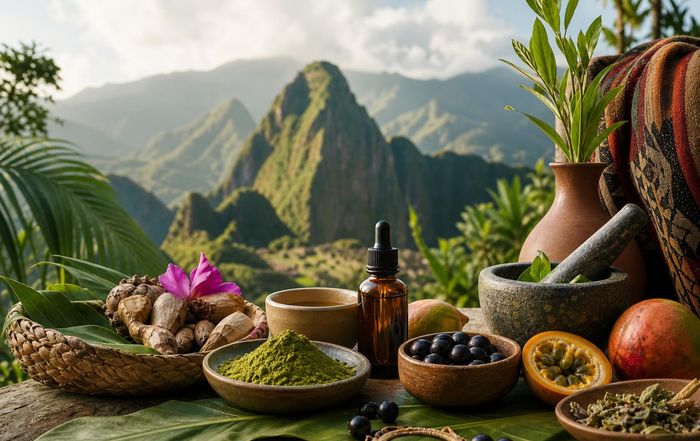
Wellness Trends Emerging from South America
A New Wellness Frontier for Global Audiences
As the global wellness economy matures, attention is shifting decisively toward South America, a region whose rich biodiversity, deep indigenous knowledge, and rapidly evolving urban culture are reshaping how the world understands health, beauty, and holistic living. For well travelled and global perspective minded people on Qikspa, these emerging trends are not merely distant curiosities but highly relevant signals that are already influencing spa and salon concepts, wellness retreats, nutritional philosophies, and sustainable lifestyle choices across North America, Europe, Asia, and beyond.
South America's wellness evolution is unfolding at the intersection of ancient traditions and contemporary science, with countries such as Brazil, Colombia, Peru, Chile, Argentina, and Ecuador playing increasingly visible roles. From plant-based spa therapies inspired by the Amazon rainforest to sophisticated integrative health models in major cities like São Paulo, Bogotá, and Santiago, the region is providing a blueprint for a more holistic and culturally grounded approach to wellbeing that resonates strongly with discerning consumers in the United States, the United Kingdom, Germany, Canada, Australia, and other leading wellness markets.
For a cool sites like Qikspa, which curates insights across spa and salon, health, wellness, beauty, food and nutrition, fitness, yoga, fashion, travel, careers, business, lifestyle, sustainable living, and women's interests, South America's wellness trends represent a rich source of inspiration and strategic insight. They offer practical lessons on experience design, brand differentiation, and trust-building that are invaluable for spa owners, wellness entrepreneurs, investors, and professionals across global markets.
Indigenous Wisdom and the Rise of Ancestral Wellness
One of the most distinctive features of South America's wellness landscape is the central role of indigenous knowledge systems that have been cultivated over centuries by communities across the Amazon, the Andes, the Pampas, and the Pacific and Atlantic coasts. In 2026, this ancestral wisdom is not only being preserved but thoughtfully integrated into modern wellness concepts in ways that emphasize respect, ethical sourcing, and cultural authenticity.
Traditional healing practices from Quechua, Aymara, Mapuche, and Amazonian communities are being reinterpreted for contemporary spa and wellness environments. Rituals involving local botanicals, thermal waters, and energy-balancing techniques are increasingly featured in urban retreats and destination spas that cater to sophisticated travelers from Europe, North America, and Asia. These experiences often blend herbal compresses, aromatic oils derived from rainforest plants, and grounding ceremonies rooted in local cosmologies, offering a deeper, more meaningful alternative to generic spa menus.
Global professionals seeking to understand the scientific foundations of these practices are turning to sources such as the World Health Organization, where they can explore integrative medicine perspectives and the evolving role of traditional therapies in public health. At the same time, research institutions in Brazil, Peru, and Colombia are collaborating with international partners to study the pharmacological properties of native plants, with findings frequently published in journals accessible through platforms like PubMed.
For lucky brands and operators featured on Qikspa, the key lesson is that the most compelling wellness offerings in South America are those that balance cultural immersion with scientific validation and ethical practice. This approach enhances trustworthiness and positions wellness businesses as responsible stewards of both heritage and health.
Amazonian Botanicals and Clean Beauty Innovation
The global clean beauty movement has long drawn inspiration from nature, but in 2026 South America's biodiversity is driving a new wave of product and treatment innovation. From Amazonian oils to Andean superfruits, the region is redefining what it means to formulate beauty and spa products that are both high-performance and environmentally responsible.
Ingredients such as açaí, cupuaçu, buriti, camu camu, and sacha inchi are increasingly featured in facial treatments, body therapies, and hair rituals in leading spas and salons worldwide. These botanicals, rich in antioxidants, essential fatty acids, and vitamins, are valued for their ability to support skin barrier function, combat oxidative stress, and deliver visible radiance, making them particularly relevant for consumers in markets like the United States, the United Kingdom, Germany, and Japan who are seeking results-driven yet naturally derived solutions.
International brands and formulators are paying close attention to guidance from organizations such as the Environmental Working Group, where professionals can learn more about ingredient safety and transparency. In parallel, the Roundtable on Sustainable Palm Oil and similar initiatives are influencing how South American producers structure their supply chains, encouraging traceability, fair trade, and biodiversity protection.
For spa and salon decision-makers who follow Qikspa's beauty coverage, the South American example underscores the importance of sourcing partnerships that prioritize regenerative agriculture, community benefit, and scientific rigor. Aligning treatment menus and retail assortments with these principles not only enhances brand credibility but also resonates strongly with informed consumers who are increasingly evaluating wellness choices through the lens of environmental and social impact.
Integrative Health and Preventive Wellness in Urban Hubs
While South America's wellness narrative is often associated with nature and tradition, major cities across the region are also becoming laboratories for integrative health models that blend conventional medicine with holistic approaches. In São Paulo, Rio de Janeiro, Buenos Aires, Bogotá, Lima, and Santiago, a new generation of clinics, wellness centers, and boutique practices is focused on prevention, personalization, and lifestyle medicine.
These integrative centers frequently combine medical diagnostics, nutritional counseling, physiotherapy, mental health support, and movement therapies such as yoga and Pilates, offering comprehensive programs designed to address chronic conditions, stress, and lifestyle-related concerns. This approach is aligned with global frameworks promoted by organizations like the Pan American Health Organization, where readers can explore regional strategies for noncommunicable disease prevention.
For the Qikspa audience, particularly those engaged with health, wellness, and business, South America's integrative health movement offers a compelling model of collaboration between medical and wellness professionals. It demonstrates how spa and wellness facilities can position themselves as trusted partners in long-term health journeys rather than as purely experiential or cosmetic destinations, thereby strengthening both customer loyalty and perceived value.
Functional Nutrition, Latin Superfoods, and Culinary Wellness
South America's culinary heritage, long celebrated for its flavors, is now being reframed through the lens of functional nutrition and metabolic health. In 2026, chefs, nutritionists, and wellness entrepreneurs across the region are elevating indigenous and traditional ingredients as powerful tools for optimizing energy, supporting gut health, and promoting longevity.
Quinoa, amaranth, chia, lupin, cassava, plantain, cacao, and a diverse array of legumes and tubers are being integrated into menus that appeal to health-conscious diners in South America and abroad. These foods, naturally rich in fiber, plant protein, and micronutrients, align closely with evidence-based dietary patterns such as the Mediterranean and DASH diets, which are frequently referenced by organizations like the Harvard T.H. Chan School of Public Health, where professionals can review research on healthy eating patterns.
Wellness resorts and urban retreat centers are increasingly designing culinary programs that combine Latin American flavors with principles of glycemic control, anti-inflammatory eating, and personalized nutrition. This trend is particularly relevant for Qikspa readers exploring food and nutrition, as it highlights how spa and wellness operators can differentiate their offerings by integrating culturally authentic, nutrient-dense cuisine into their guest experiences.
Moreover, digital platforms and telehealth services are emerging across South America to provide remote nutritional coaching and metabolic assessments, enabling consumers in Europe, North America, and Asia to access Latin-inspired functional nutrition concepts without traveling. This convergence of technology, gastronomy, and health science reinforces South America's growing influence on global dietary trends.
Fitness, Outdoor Culture, and Urban Wellbeing
South America's geography, climate, and urban design are fostering a distinctive fitness culture that blends structured training with outdoor living and community engagement. Cities like Rio de Janeiro, Medellín, Santiago, and Lima are expanding green spaces, bike paths, and waterfront promenades, encouraging residents and visitors to integrate movement into daily life through walking, running, cycling, and calisthenics.
Boutique fitness studios and hybrid wellness spaces are proliferating, offering high-intensity interval training, functional training, dance-based workouts, and mind-body disciplines tailored to diverse demographics, including women, older adults, and corporate professionals. This evolution is mirrored in global insights compiled by organizations such as the American College of Sports Medicine, where industry leaders can review annual fitness trend reports.
For the Qikspa community, particularly those focused on fitness and lifestyle, South America's example illustrates how fitness can be repositioned as a joyful, socially connected, and accessible component of urban wellbeing. Spa and wellness businesses in North America, Europe, and Asia can draw inspiration from these models to design programming that leverages local parks, waterfronts, and public spaces, thereby expanding their reach and enhancing perceived value without significant capital expenditure.
Yoga, Mindfulness, and Latin Spirituality
While yoga has its roots in South Asia, South America has embraced the practice in a manner that reflects its own spiritual, cultural, and environmental context. In 2026, yoga studios and retreat centers across Brazil, Colombia, Chile, Peru, and Argentina are integrating asana, breathwork, and meditation with local traditions of music, dance, and nature reverence, creating experiences that feel both globally connected and regionally distinctive.
Retreats in the Andes, the Amazon, and coastal regions are combining yoga with hiking, river exploration, and cultural immersion, appealing to travelers from Europe, North America, and Asia who seek transformational experiences that go beyond standard tourism. Mental health and stress management are central themes, aligning with global research from organizations such as the National Institute of Mental Health, where readers can explore the impact of stress on wellbeing.
For Qikspa readers engaging with yoga, wellness, and travel, South America's yoga and mindfulness scene offers a template for integrating mental, emotional, and spiritual wellbeing into spa and retreat programming. By emphasizing connection to nature, community, and cultural storytelling, these experiences strengthen emotional resonance and long-term loyalty among guests.
Sustainable Wellness and Regenerative Tourism
Environmental sustainability has become a defining priority for wellness consumers worldwide, and South America's response is increasingly sophisticated. In 2026, a growing number of eco-lodges, wellness resorts, and spa retreats across Brazil, Costa Rica, Colombia, Peru, Chile, and Ecuador are adopting regenerative models that aim not only to minimize harm but to actively restore ecosystems and support local communities.
These properties often integrate renewable energy, water conservation, reforestation, and local sourcing of materials and ingredients into their operational strategies, aligning with best practices promoted by organizations such as the Global Sustainable Tourism Council, where stakeholders can learn more about sustainable destination management. Many also collaborate with indigenous groups and rural communities to ensure that tourism revenue supports education, healthcare, and cultural preservation.
For a platform like Qikspa, which highlights sustainable living and international perspectives, South American wellness tourism provides a compelling case study in how environmental stewardship and commercial success can reinforce one another. Spa and wellness operators in Europe, North America, Asia, and Africa can draw practical insights on energy management, waste reduction, and community partnerships that enhance both brand reputation and long-term resilience.
Women-Led Wellness and Inclusive Innovation
Across South America, women are playing a central role in shaping the wellness economy, from founding boutique spas and clean beauty brands to leading integrative health clinics and sustainable tourism ventures. These women-led enterprises often emphasize inclusivity, community engagement, and social impact, addressing issues such as body positivity, reproductive health, mental health, and economic empowerment.
This shift is aligned with global efforts to advance gender equality and women's leadership in business, as reflected in the work of organizations like UN Women, where professionals can explore initiatives supporting women's economic empowerment. In South America, women entrepreneurs are leveraging digital platforms, social commerce, and cross-border partnerships to reach audiences in North America, Europe, and Asia, while also creating employment opportunities and mentorship networks within their own communities.
For Qikspa readers engaged with women's issues, careers, and business, South America's women-led wellness initiatives highlight the strategic value of diversity and inclusion. They demonstrate how organizations that prioritize representation and social purpose can build deeper trust, stronger customer relationships, and more resilient business models in an increasingly values-driven marketplace.
Fashion, Beauty Aesthetics, and Cultural Expression
The convergence of fashion, beauty, and wellness is particularly visible in South America's urban centers, where local designers, hairstylists, makeup artists, and spa professionals are creating aesthetics that celebrate natural beauty, cultural identity, and self-expression. This movement is influencing trends in haircare, skincare, and body treatments that emphasize texture, individuality, and authenticity rather than uniform standards.
Runways in São Paulo, Buenos Aires, and Bogotá are showcasing beauty looks that highlight natural curls, diverse skin tones, and minimalistic yet luminous makeup, aligning with broader global shifts toward inclusive beauty. International observers can follow these developments through platforms such as Vogue Business, where they can explore the intersection of fashion and wellness.
For Qikspa readers interested in fashion, beauty, and lifestyle, South America's aesthetic evolution offers inspiration for spa and salon concepts that prioritize personalization, cultural sensitivity, and emotional wellbeing. By embracing diverse definitions of beauty and integrating them into service design, training, and marketing, wellness businesses can strengthen their relevance across global markets, including the United States, the United Kingdom, Germany, Canada, Australia, and key regions in Asia and Africa.
What Are the Implications for Global Spa and Wellness Businesses?
For the inspiration and positive new content seeking community coming to Qikspa, the wellness trends emerging from South America are not merely regional curiosities but strategic signals that can inform decision-making across spa operations, product development, destination planning, and talent management. They underscore the growing importance of cultural intelligence, sustainability, scientific validation, and social responsibility in building trusted wellness brands.
Executives and entrepreneurs can draw on resources from organizations such as the Global Wellness Institute, where they can review data on the global wellness economy, to contextualize South America's growth within broader market dynamics. By combining this macro-level insight with the granular trends highlighted in this article, decision-makers can identify opportunities for collaboration, investment, and innovation that align with their strategic objectives.
For happy professionals and consumers who regularly engage with the coverage across spa and salon, health, wellness, food and nutrition, fitness, yoga, fashion, international, travel, business, lifestyle, sustainable living, and women's leadership, South America's wellness innovations offer both inspiration and practical guidance on how to navigate an increasingly complex and opportunity-rich landscape.
As the wellness sector continues to expand across Europe, North America, Asia, Africa, and South America, those who pay close attention to the region's emerging trends will be better positioned to design experiences, products, and strategies that are not only commercially successful but also deeply aligned with the values of health, authenticity, and respect for people and planet that define the future of global wellbeing.
