
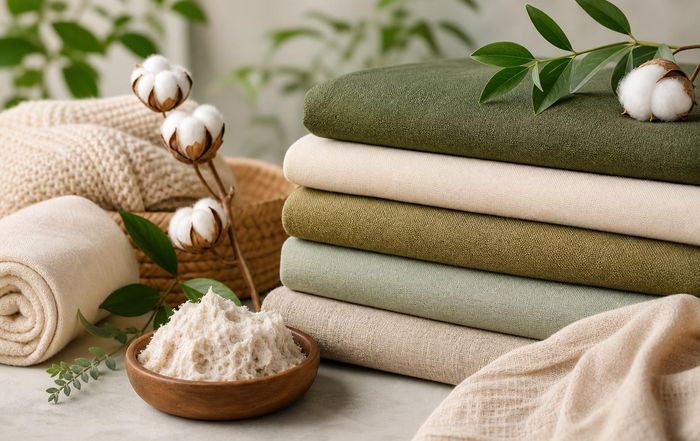
Eco-Friendly Fabrics to Look For in 2026: A Global Guide for Conscious Luxury
Redefining Luxury Through Sustainable Textiles
In 2026, the global conversation around luxury, wellness and personal style is being reshaped by a single, powerful idea: what touches the skin should respect both the body and the planet. For the discerning audience of QikSpa, where spa and salon experiences, health, wellness, beauty and lifestyle intersect, eco-friendly fabrics are no longer a niche curiosity; they are becoming a core criterion for quality, comfort and ethical living. From spa robes and yoga wear to resort fashion and professional attire, textile choices are now understood as an extension of personal values, environmental responsibility and long-term wellbeing, and this shift is visible across major markets in the United States, Europe, Asia-Pacific and beyond.
As luxury wellness retreats in destinations such as Thailand, Italy and the United States compete to offer more sustainable experiences, the fabrics used in spa linens, treatment garments and loungewear are increasingly scrutinized by guests who are better informed, more health conscious and more focused on holistic living. This new standard is aligned with the broader wellness philosophy that informs the editorial direction of QikSpa, connecting spa and salon culture with wellness, health, beauty, lifestyle and sustainable choices in a single, coherent narrative.
Why Fabric Choices Matter for Health, Wellness and Business
For many years, textile decisions were driven mainly by aesthetics, cost and durability, yet the contemporary wellness-oriented consumer now evaluates fabrics through a more complex lens that includes skin health, environmental impact, ethical sourcing and long-term performance. Research shared by organizations such as the World Health Organization and UN Environment Programme has helped raise awareness about pollution from textile production, microplastic shedding and chemical exposure, prompting individuals and businesses alike to reconsider their relationship with clothing, spa linens and home textiles. Readers who follow health and food and nutrition trends increasingly expect the same rigor in what they wear as in what they eat and apply to their skin.
From a business perspective, spa and salon operators, boutique hotels, fashion entrepreneurs and wellness professionals across North America, Europe and Asia now recognize that eco-friendly fabrics can enhance brand reputation, reduce long-term operational risks and meet evolving regulatory expectations. Guidance from organizations such as the Ellen MacArthur Foundation, which promotes the circular economy, and the OECD, which develops responsible business conduct standards, underscores that sustainable textiles are not simply a marketing story but a strategic imperative. Learn more about sustainable business practices through resources such as the UN Global Compact and the World Economic Forum, which both emphasize climate resilience and responsible supply chains as drivers of competitive advantage.
For QikSpa, which speaks to professionals and enthusiasts in spa, wellness, business and careers, eco-friendly fabrics represent a practical bridge between personal wellbeing and corporate responsibility, especially in markets such as Germany, the United Kingdom, Japan and Singapore, where regulatory frameworks and consumer expectations are rapidly evolving.
Understanding What "Eco-Friendly" Fabric Really Means
The term "eco-friendly" is often used loosely, yet a more precise understanding is essential for informed decisions. At its core, an eco-friendly fabric minimizes harm across its life cycle, from raw material sourcing and production through use and eventual end-of-life. Leading organizations such as Textile Exchange and the Sustainable Apparel Coalition emphasize that credible sustainable fabrics must be evaluated across several dimensions, including resource use, chemical management, social conditions and circularity.
From a wellness-centered perspective, eco-friendly fabrics should ideally align with three overlapping priorities. First, they should be gentle on the skin, with minimal residual harmful chemicals and good breathability, a crucial factor for spa robes, loungewear, yoga apparel and intimate garments. Second, they should be produced using processes that reduce water consumption, energy use and pollution, consistent with global climate and biodiversity goals discussed by the Intergovernmental Panel on Climate Change (IPCC). Third, they should support fair labor practices and community wellbeing, aligning with international standards promoted by the International Labour Organization and human-rights-focused NGOs.
Certifications such as Global Organic Textile Standard (GOTS), OEKO-TEX STANDARD 100, Cradle to Cradle Certified, Fairtrade and Forest Stewardship Council (FSC) provide useful signals of environmental and social responsibility, though they should be viewed as part of a broader due-diligence process rather than a complete guarantee. For spa and salon operators and wellness-driven fashion entrepreneurs, building internal knowledge about these frameworks is becoming as important as understanding skincare ingredients or nutrition labels, and this knowledge base is increasingly reflected in the editorial content and recommendations at QikSpa.
Organic Cotton: The Familiar Foundation of Eco-Conscious Comfort
Organic cotton remains one of the most recognizable eco-friendly fabrics, and for many consumers in the United States, Canada, the United Kingdom and Australia it represents the first step toward a more sustainable wardrobe and spa environment. Certified organic cotton is grown without synthetic pesticides or genetically modified seeds, and it is subject to stricter environmental and often social standards, which can reduce water contamination and protect farm workers' health. Organizations such as Soil Association in the UK and USDA Organic in the United States provide frameworks for organic certification, while GOTS extends these standards into processing and dyeing.
For spa and salon environments, organic cotton is particularly valued for its softness, breathability and hypoallergenic qualities, which make it suitable for towels, robes, bedding and treatment garments. In wellness-oriented markets such as Germany, Switzerland and the Nordic countries, high-end resorts and medical spas increasingly specify organic cotton for all guest-facing textiles, aligning their physical environment with the holistic health promises featured in their marketing. Readers who explore spa and salon trends on QikSpa will recognize organic cotton as a recurring feature in premium experiences that prioritize both comfort and conscience.
However, organic cotton is not without limitations. It can still be water-intensive in certain regions and may require careful supply-chain management to ensure traceability, particularly in complex global networks that include producers from India, Turkey, the United States and West Africa. This reality underscores the importance of combining fabric choice with robust certification, transparent sourcing and long-term supplier relationships, especially for businesses that position themselves as sustainability leaders in competitive markets from New York to Singapore.
Hemp: The Heritage Fiber Reimagined for Modern Wellness
Hemp has emerged as one of the most talked-about eco-friendly fabrics in 2026, benefiting from a global shift in regulatory attitudes and a renewed appreciation of its agronomic advantages. As documented by research institutions and agricultural agencies, industrial hemp typically requires less water and fewer chemical inputs than conventional cotton, while also improving soil health through deep root systems and fast growth. In Europe, countries such as France and the Netherlands have been at the forefront of hemp cultivation, while Canada, the United States and China have significantly expanded production in recent years.
From a wellness and lifestyle perspective, hemp fabrics offer a distinctive combination of durability, breathability and natural antimicrobial properties, making them particularly suitable for spa uniforms, yoga apparel, casual resort wear and even bedding in humid climates. High-end eco-resorts in Thailand, Bali and Costa Rica have begun introducing hemp-blend linens and loungewear as part of broader regenerative hospitality concepts, often highlighting these choices in their marketing materials to appeal to health-conscious travelers who follow travel and international content on QikSpa.
Modern textile innovation has also addressed earlier concerns about hemp's texture, with advanced spinning and blending techniques producing fabrics that are significantly softer than the coarse hemp of the past. When blended with organic cotton or TENCEL™ Lyocell, hemp can deliver a luxurious hand feel while preserving its environmental advantages. For entrepreneurs and designers in the wellness and athleisure space, especially in markets such as South Korea, Japan and the Nordic region, hemp offers a compelling story that combines heritage, innovation and measurable sustainability outcomes.
Linen and Flax-Based Textiles: Timeless Elegance with a Low Footprint
Linen, derived from the flax plant, has long been associated with effortless elegance in Mediterranean and European fashion, and it is now being reappraised as a cornerstone of eco-friendly wardrobes and spa environments worldwide. Flax can be grown in cooler climates such as France, Belgium and the Netherlands with relatively low water and pesticide requirements, and it can often be cultivated on marginal land, which reduces competition with food crops. Organizations such as European Confederation of Flax and Hemp have documented the robust environmental performance of well-managed flax cultivation, reinforcing linen's status as a responsible choice.
For spa and wellness applications, linen offers excellent breathability, moisture-wicking properties and natural temperature regulation, making it ideal for summer robes, resort wear, bedding and lounge garments in warm climates from Spain and Italy to South Africa and Brazil. Its slightly textured aesthetic also aligns with the understated, natural luxury that many contemporary wellness brands seek to project, especially in boutique hotels and urban spas that emphasize minimalism, authenticity and connection to nature.
Although linen can crease more easily than some synthetic alternatives, this characteristic is increasingly framed as part of its charm rather than a flaw, particularly in markets where relaxed elegance and slow living are celebrated. As readers explore fashion and lifestyle content at QikSpa, linen emerges as a fabric that bridges casual sophistication with environmental responsibility, suitable for both weekend retreats and professional urban wardrobes.
Lyocell, Modal and Other Regenerated Cellulose Fibers
Regenerated cellulose fibers such as Lyocell and Modal have rapidly gained prominence in the sustainable fashion and wellness sectors, particularly under branded names like TENCEL™ produced by Lenzing AG, an Austrian company recognized for its focus on responsible fiber innovation. These fibers are derived from wood pulp, typically sourced from sustainably managed forests, and processed in closed-loop systems that recover and reuse solvents, significantly reducing chemical discharge compared to older viscose processes.
For spa, yoga and fitness wear, Lyocell is especially valued for its silky softness, excellent moisture management and breathability, which make it suitable for garments worn close to the skin during treatments, workouts or meditation. Its drape and smooth hand feel also make it a favorite for lounge dresses, sleepwear and elegant resort pieces that align with wellness-oriented fashion trends in markets such as the United States, the United Kingdom, Japan and Australia. Learn more about responsible forest management through organizations like the Forest Stewardship Council (FSC), which plays a key role in ensuring that wood-based fibers do not contribute to deforestation.
While not all regenerated cellulose fibers are automatically eco-friendly, advanced Lyocell and Modal processes with credible certifications and transparent sourcing represent some of the most promising options for combining performance, comfort and sustainability. For QikSpa readers who follow fitness and yoga trends, these fabrics offer a compelling alternative to conventional synthetics, particularly when microplastic shedding and end-of-life impacts are taken into account.
Bamboo Fabrics: Potential, Pitfalls and Informed Choices
Bamboo is often marketed as a miracle eco-fiber, yet the reality is more nuanced and demands careful scrutiny. The bamboo plant itself grows quickly, requires relatively little water and can thrive without heavy pesticide use, which makes it an attractive raw material from an agricultural perspective. However, most bamboo fabrics on the market are not mechanically processed bamboo linen but rather bamboo viscose or rayon, produced through chemically intensive processes that can be environmentally damaging if not tightly controlled.
Organizations such as the Federal Trade Commission (FTC) in the United States have issued guidance on accurate labeling of bamboo textiles, emphasizing that many so-called "bamboo" fabrics are in fact rayon derived from bamboo, and should be described accordingly. For wellness-oriented consumers and businesses, this distinction is important because it affects both environmental impact and credibility. When produced using closed-loop technologies similar to advanced Lyocell systems, bamboo-based fibers can offer a more responsible profile, but such products must be supported by transparent information and robust certifications.
In spa and beauty contexts, bamboo-derived fabrics are appreciated for their softness, absorbency and natural-feeling touch, which can be appealing for towels, robes and sleepwear. For QikSpa readers who prioritize beauty and wellness, the key is to seek suppliers who provide clear documentation of their processes, ideally supported by third-party verification, rather than relying solely on marketing claims about bamboo's natural properties.
Recycled Polyester and Nylon: Balancing Performance and Responsibility
In categories such as activewear, swimwear and performance spa uniforms, synthetic fibers remain prevalent due to their stretch, durability and quick-drying characteristics. Recognizing this reality, sustainability efforts have increasingly focused on recycled polyester (often sourced from post-consumer plastic bottles) and recycled nylon (frequently derived from fishing nets and industrial waste), which can significantly reduce reliance on virgin fossil fuels and divert waste from landfills and oceans. Initiatives such as Econyl® and collaborations led by organizations like Parley for the Oceans have helped bring recycled synthetics into mainstream consciousness.
For fitness, yoga and athleisure garments used in studios and spas from Los Angeles and London to Seoul and Singapore, recycled synthetics offer a pragmatic compromise between performance and environmental responsibility, particularly when combined with design strategies that prioritize durability and repairability. However, microplastic shedding during washing remains a concern, as highlighted by studies referenced by the International Union for Conservation of Nature (IUCN) and other scientific bodies, which estimate that a significant share of ocean microplastics originates from synthetic textiles.
To mitigate these impacts, conscious consumers and businesses are increasingly adopting filtration solutions, specialized laundry bags and washing practices that reduce fiber loss, while also exploring blends that incorporate natural fibers without compromising function. For the QikSpa community, which values both fitness performance and environmental stewardship, recycled synthetics can play a role in a broader wardrobe strategy that emphasizes thoughtful use, care and eventual recycling where possible.
Emerging Innovations: Bio-Based Fibers, Lab-Grown Materials and Circular Design
Beyond the established eco-friendly fabrics, 2026 is witnessing a wave of innovation that promises to further transform the textile landscape. Bio-based fibers derived from agricultural residues, algae and even citrus peels are moving from experimental labs into commercial pilot projects, particularly in innovation hubs across Europe, North America and East Asia. Companies working with mycelium-based materials, lab-grown leather alternatives and fully compostable performance fabrics are attracting attention from both investors and sustainability experts, many of whom are featured in reports by organizations such as the World Resources Institute (WRI) and McKinsey & Company.
For spa, fashion and lifestyle brands that wish to position themselves at the leading edge of sustainability, these innovations offer opportunities to differentiate and to tell compelling stories that resonate with eco-conscious guests and clients. However, as with any emerging technology, careful evaluation is required to ensure that claimed benefits are substantiated, and that new materials do not introduce unforeseen environmental or health risks. Collaboration with credible research institutions, NGOs and certification bodies will be essential, as will transparent communication with consumers who increasingly expect clarity rather than hype.
Within the editorial framework of QikSpa, these innovations are relevant not only to fashion and business audiences but also to readers interested in careers in sustainable design, supply-chain management and wellness entrepreneurship, especially in dynamic markets such as Germany, the United States, South Korea and Singapore.
Practical Guidance for Spa, Salon and Wellness Decision-Makers
For owners and managers of spas, salons, wellness centers and boutique hotels, translating the complexity of eco-friendly fabrics into actionable decisions can be challenging, particularly when operating across multiple regions with different regulatory environments and supplier networks. Yet a clear, principle-based approach can provide structure. First, aligning textile choices with the broader wellness philosophy of the brand ensures coherence; a spa that promotes detoxification, mindfulness and clean beauty, for example, will benefit from specifying organic or low-impact fabrics for robes, linens and uniforms, reinforcing its promise at every touchpoint. Second, prioritizing third-party certifications and transparent supplier documentation reduces the risk of greenwashing and builds trust with increasingly informed guests.
Third, considering the entire life cycle of textiles, from production to laundering and eventual replacement, allows businesses to identify opportunities to reduce environmental impact and operating costs simultaneously. Working with suppliers who offer take-back or recycling programs, investing in high-efficiency laundry systems and training staff in proper care of eco-friendly fabrics can extend product life and reduce waste. Guidance from organizations such as the Global Fashion Agenda and Better Cotton Initiative can support strategic planning, while national and regional resources in the United States, European Union and Asia-Pacific provide additional context on evolving regulatory expectations.
For QikSpa, which connects global readers from the United States and United Kingdom to Germany, Canada, Australia, Singapore, Japan, South Africa and Brazil, sharing best practices in this area is part of a broader commitment to integrating wellness, sustainable living and responsible business into a cohesive vision of modern luxury.
Empowering Consumers to Make Informed, Wellness-Aligned Choices
For individual consumers, particularly women who often lead purchasing decisions in households and influence trends across spa, beauty, fashion and lifestyle sectors, understanding eco-friendly fabrics is a powerful tool for aligning daily choices with personal values. Whether selecting a new set of spa-quality towels, a yoga outfit, resort wear for an international trip or professional attire, examining fiber content, certifications, brand transparency and care instructions can significantly improve the environmental and health profile of a wardrobe.
Resources from organizations such as Fashion Revolution, which encourages consumers to ask "Who made my clothes?", and educational platforms supported by the European Commission and national consumer protection agencies, provide frameworks for evaluating brands and products. For readers of QikSpa who follow women, travel, lifestyle and health content, integrating this knowledge into everyday decisions can transform clothing and textile purchases into an extension of self-care, much like choosing nutrient-dense foods or evidence-based skincare.
In practice, this might mean favoring organic cotton or linen for sleepwear and bedding to support better rest, selecting Lyocell or hemp blends for breathable, skin-friendly office wear, choosing recycled synthetics for high-intensity fitness activities while managing microplastic impacts, and exploring innovative bio-based materials as they become available and credibly documented. Over time, these incremental decisions can significantly reduce personal environmental footprints while enhancing comfort, performance and long-term satisfaction.
The Role of QikSpa in the Future of Eco-Friendly Fabrics
As the convergence of spa culture, wellness, fashion, nutrition, travel and sustainable business continues to accelerate, QikSpa is uniquely positioned to guide a global audience through the evolving landscape of eco-friendly fabrics. By curating insights from leading organizations, featuring best practices from innovators across North America, Europe, Asia, Africa and South America, and connecting textile choices to broader themes in spa and salon, wellness, beauty, food and nutrition and lifestyle, the platform helps readers make decisions that are both aspirational and grounded in evidence.
In 2026 and beyond, eco-friendly fabrics will increasingly define what it means to live well, dress well and experience luxury responsibly, from spa robes in Zurich and Tokyo to resort wear in Bali and Miami, and from yoga studios in Stockholm and Seoul to home sanctuaries in Toronto and São Paulo. By focusing on experience, expertise, authoritativeness and trustworthiness, QikSpa aims to ensure that every touchpoint with fabric, whether in a treatment room, a fitness studio, a business meeting or a long-haul flight, can contribute to a more sustainable, health-aligned and aesthetically refined way of life.
For those who see wellness not as a trend but as a long-term commitment, eco-friendly fabrics are no longer optional details; they are essential components of a holistic, future-ready lifestyle that honors both personal wellbeing and the shared environment on which all luxury ultimately depends.
