
How to Experience a Traditional Hammam: A Complete Guide for the Modern Wellness Traveler
The Hammam Tradition: Ancient Ritual for a Modern World
As wellness tourism continues to expand across North America, Europe, the Middle East, Asia and beyond, the traditional hammam is being rediscovered by a few discerning travelers and professionals who are seeking deeper, more meaningful spa experiences that go far beyond a quick massage or facial. Originating from the bathing cultures of the Roman thermae and evolving through centuries of Ottoman and Maghrebi influence, the hammam has become an enduring symbol of purification, social connection and ritualized self-care, and for a small but growing global audience that values authenticity, cultural sensitivity and scientifically grounded health benefits, understanding how to experience a traditional hammam is now an essential part of a sophisticated wellness lifestyle and a natural extension of the editorial mission here.
While contemporary spa-goers in the United States, the United Kingdom, Germany, Canada, Australia and across Asia-Pacific may be more familiar with Western-style day spas, the hammam represents a more structured, communal and ritualistic approach to cleansing and relaxation, one that integrates heat therapy, manual exfoliation, hydrotherapy and quiet contemplation into a single, flowing sequence. As wellness experts continue to emphasize the importance of stress reduction for cardiovascular health and mental wellbeing, readers can explore broader perspectives on health and preventive care from the World Health Organization, while turning to QikSpa's own coverage of health and wellness to see how traditional practices such as the hammam are being integrated into modern spa and salon concepts around the world.
Understanding What a Hammam Really Is
To experience a traditional hammam with confidence and respect, it is essential to understand that it is not simply a "steam room" or a generic hot bath, but rather a sequenced journey through progressively warmer spaces, guided treatments and intentional rest, rooted in the bathing traditions of regions such as Turkey, Morocco, Tunisia and the Levant. In Istanbul, historic bathhouses like Çemberlitaş Hamamı and Süleymaniye Hamamı still operate within centuries-old domed buildings, while in Marrakech, iconic riad hammams blend zellige tiles, warm stone slabs and aromatic black soap, and those seeking cultural context can explore the history of Turkish baths and Ottoman architecture through Encyclopaedia Britannica to better appreciate the heritage embodied in every hammam visit.
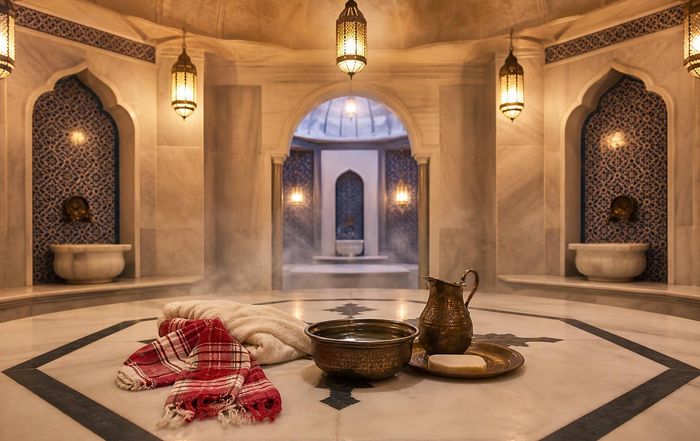
A traditional hammam typically involves several key elements: a warm room where the body acclimates to heat and humidity; a hotter room where deep warming, sweating and muscle relaxation occur; a central heated stone platform where the guest lies for exfoliation and cleansing; and cooler areas for rinsing, resting and rehydrating, often accompanied by tea or light refreshments. For many guests from Europe, North America and Asia who are accustomed to private treatment rooms, the semi-communal nature of hammams may be unfamiliar, making it even more important to read about spa etiquette and cultural norms through trusted resources such as international travel advisories from the U.S. Department of State, and to align those insights with QikSpa's global coverage of international spa and wellness trends.
Health and Wellness Benefits of the Hammam Ritual
As the wellness industry increasingly emphasizes evidence-based practice, business leaders, spa operators and informed guests are asking not only whether traditional rituals feel relaxing, but also how they support measurable health outcomes, and the hammam stands out as a practice that aligns closely with contemporary research on heat therapy, circulation and stress reduction. Exposure to moist heat in a controlled environment encourages vasodilation, which can support improved blood flow and relaxation of muscle tissue, while the induced sweating assists in thermoregulation and may support skin cleansing; those interested in the broader science of heat and hydrotherapy can review research summaries from organizations such as the National Institutes of Health to better understand how thermal environments influence cardiovascular and metabolic responses.
The signature exfoliation phase, typically performed with a rough glove known as a kessa or kese, removes superficial dead skin cells and can improve skin texture, radiance and product penetration, which aligns with the growing interest in professional-grade skincare and dermatological wellness among readers of QikSpa's beauty coverage. For those with specific dermatological conditions or cardiovascular concerns, guidance from professional bodies such as the American Academy of Dermatology and the American Heart Association can provide important context on when heat and exfoliation are appropriate, underscoring the importance of individualized care and professional consultation before booking an intensive hammam treatment.
Beyond physical effects, the hammam offers significant psychological and emotional benefits, functioning as a structured pause from digital stimuli and daily obligations, which is increasingly critical in high-pressure markets such as London, New York, Singapore and Seoul. The combination of heat, rhythmic water flow and human touch can promote parasympathetic nervous system activation, encouraging a shift from "fight-or-flight" to "rest-and-digest," and mental health organizations such as Mind in the UK and similar institutions worldwide continue to highlight the role of intentional relaxation in managing stress and supporting resilience, themes that QikSpa regularly explores in its lifestyle and wellness features.
Preparing for Your First Hammam Experience
For many guests, especially professionals and executives traveling from North America, Europe or East Asia, the key to a positive first hammam experience lies in preparation: understanding what to expect, how to communicate preferences and how to align the ritual with personal health needs and comfort levels. Before booking, it is advisable to review the spa or hammam's website carefully, paying attention to whether sessions are gender-segregated or mixed, what level of undress is customary and whether the establishment provides essentials such as towels, robes, slippers and disposable undergarments; travelers can further refine their expectations by consulting reputable global travel resources such as Lonely Planet or National Geographic Travel for cultural insights into specific destinations.
Hydration is essential when planning a hammam session, particularly in hot climates such as the Middle East, North Africa, Southern Europe and Southeast Asia, and guests should aim to drink water before and after the experience while avoiding heavy meals and alcohol in the hours leading up to the visit. Individuals with cardiovascular conditions, low blood pressure, pregnancy or respiratory issues should consult a healthcare professional in advance, drawing on clinical guidance from organizations such as the Mayo Clinic to assess whether intense heat exposure is suitable, and then aligning that advice with the personalized wellness strategies discussed across QikSpa's health and food and nutrition sections.
From a practical standpoint, guests are encouraged to bring minimal valuables, a swimsuit or modest undergarments if desired, and any personal skincare or haircare products they prefer to use after the treatment, though many premium hammams now offer curated product lines that reflect local ingredients such as argan oil, olive oil, ghassoul clay and botanical hydrosols. As spa professionalism evolves globally, leading industry bodies like the International Spa Association continue to highlight best practices for hygiene, therapist training and guest communication, and sophisticated travelers can use such benchmarks to evaluate whether a hammam is operating to the high standards of safety and trustworthiness that QikSpa champions in its spa and salon coverage.
Step-by-Step: Inside the Traditional Hammam Journey
Once inside the hammam, the guest is guided through a carefully orchestrated sequence that blends architectural design, temperature gradients and therapist-led rituals into a cohesive experience that can last from 45 minutes to several hours, depending on the package selected and the level of personalization desired. The journey typically begins in a warm, not overly hot room where the body acclimates, muscles begin to loosen and breathing adjusts to the moist air; this stage is as much psychological as physical, inviting the guest to release external concerns and settle into a quieter, more introspective state, a process that resonates strongly with the mindfulness principles explored in QikSpa's yoga and fitness features.
As the guest moves into hotter areas, either guided by an attendant or following the traditional path of the hammam, the intensity of heat and steam increases, encouraging deeper sweating and relaxation, and in many historic bathhouses across Turkey, Morocco and the wider Mediterranean, the architectural elements such as domed ceilings, marble benches and central heated stones are designed to amplify the sensory impact of this phase. Travelers interested in the intersection of design, culture and wellness can explore how UNESCO World Heritage sites incorporate historic bath complexes into broader cultural landscapes, providing context for the way hammams functioned historically as social and civic spaces, not merely as private wellness retreats.
The core of the hammam experience is the exfoliation and cleansing ritual, during which a trained attendant, often referred to as a tellak or natir, uses a textured glove and traditional black soap or other cleansing agents to methodically scrub the body, lifting away layers of dead skin and leaving the surface smooth and renewed. This stage can be surprisingly vigorous for first-time visitors, and clear communication about pressure preferences is important, especially for guests who may have sensitive skin or are accustomed to gentler spa treatments; for those who want to understand how this compares to clinical exfoliation, dermatology resources such as Harvard Health Publishing provide useful overviews of skin barrier function and exfoliation methods that complement QikSpa's own analysis in the beauty and women sections.
Following exfoliation, the guest is typically rinsed with warm and cool water in alternating sequences, sometimes poured from traditional brass bowls, and may receive a brief foam massage or hair wash, depending on the package and local customs. The session concludes with a period of rest in a cooler room, where the guest is encouraged to sit or recline, rehydrate with water or herbal tea and allow the body's temperature and heart rate to gradually normalize; this deliberate return to equilibrium aligns with current best practices in heat therapy and recovery, which are increasingly discussed by sports science institutions such as the Australian Institute of Sport and other high-performance centers worldwide.
Cultural Etiquette and Modesty Across Regions
Because hammam traditions vary across countries and regions, cultural etiquette and expectations around modesty can differ significantly between, for example, a historic Ottoman bath in Istanbul, a neighborhood hammam in Casablanca, a luxury spa in Dubai or a contemporary wellness resort in Spain or Germany that has adopted the hammam concept. In many traditional contexts, sessions are gender-segregated, with specific hours or separate facilities for men and women, and levels of undress may be more liberal than in typical North American or East Asian spas, although guests are usually provided with towels or pestemals to cover themselves; travelers are advised to research local norms in advance through reputable cultural guides such as Culture Trip, and to align those insights with their own comfort levels and personal values.
In some European wellness destinations, especially in Germany, Austria, Switzerland and the Nordic countries, mixed-gender nude spa areas are common, though hammam zones within those complexes may adopt slightly different rules, and understanding these nuances can prevent discomfort or misunderstandings. For travelers from more conservative backgrounds in the United States, the United Kingdom, parts of Asia or the Middle East, it can be helpful to review etiquette-focused travel advice from sources like Rick Steves' Europe when planning an itinerary that includes spa and hammam visits, and to consider how these experiences integrate into a broader, respectful engagement with local culture, a theme that QikSpa consistently emphasizes in its travel and international reporting.
Communication remains central to a positive hammam experience, and guests are encouraged to ask questions at reception, clarify whether treatments are performed by male or female therapists and specify any boundaries or health concerns before entering the wet areas. As the global spa industry continues to professionalize, with hospitality groups, wellness brands and destination spas in Europe, Asia, Africa and the Americas adopting structured training and codes of conduct, business leaders can look to organizations such as the Global Wellness Institute for frameworks on ethical practice and guest care, aligning their operations with the trust-driven approach that QikSpa highlights in its business coverage.
Integrating Hammam into a Holistic Wellness Lifestyle
For readers who view wellness not as an occasional indulgence but as a long-term, strategic investment in personal and professional performance, the hammam can be integrated into a broader lifestyle approach that includes nutrition, movement, mental health and sustainable living. Many wellness resorts and urban spas now pair hammam rituals with yoga, Pilates, strength training or functional fitness programs, recognizing that heat and hydrotherapy can support recovery, flexibility and mental reset for high-performing individuals; those who wish to design such integrated routines can draw inspiration from QikSpa's dedicated coverage of fitness and yoga, as well as from evidence-based training resources such as the American College of Sports Medicine.
Nutrition is another critical pillar, and while the hammam itself does not prescribe a specific diet, traditional post-bath refreshments often include herbal teas, light snacks and hydrating fruits, aligning with contemporary guidance on balanced, anti-inflammatory eating patterns. Readers who are refining their own nutrition strategies-whether in Canada, Singapore, Brazil, South Africa or the Gulf states-can explore practical guidelines from institutions such as Dietary Guidelines for Americans and then adapt those principles to local cuisines and personal preferences, supported by the culinary and wellness insights featured in QikSpa's food and nutrition and lifestyle sections.
For women professionals and entrepreneurs, who often balance demanding careers, family responsibilities and social expectations, the hammam can serve as a rare, structured opportunity for uninterrupted self-care and reflection, and in many cultures, women-only hammam sessions have historically functioned as important spaces for community building and intergenerational knowledge sharing. As global conversations about women's health, leadership and wellbeing continue to evolve, readers can connect these themes with QikSpa's dedicated women coverage and with global initiatives highlighted by organizations like UN Women, recognizing that rituals such as the hammam are not only about individual relaxation but also about cultural continuity and social connection.
Sustainable and Ethical Hammam Experiences
As sustainability becomes a non-negotiable priority for hospitality groups, spa operators and conscious travelers in 2026, the hammam is being reexamined through the lens of water usage, energy efficiency, product sourcing and community impact. Traditional hammams can be water-intensive, particularly those that rely on continuous hot water flow and steam generation, and forward-thinking operators are now investing in energy-efficient boilers, heat recovery systems and responsible water management to reduce environmental footprints; business leaders interested in these developments can learn more about sustainable water and energy practices through the United Nations Environment Programme, and align their strategies with the sustainability insights that QikSpa shares in its sustainable coverage.
Product sourcing is another key dimension of ethical practice, as many hammams use black soap, clays, oils and scrubs derived from local agriculture and traditional craftsmanship, and there is a growing opportunity to support fair trade cooperatives, women-led enterprises and regenerative farming initiatives in countries such as Morocco, Tunisia, Turkey and across the Mediterranean. Consumers who wish to ensure that their spa spending aligns with their values can explore frameworks for responsible tourism and local sourcing and look for hammams and wellness resorts that are transparent about their supply chains, labor practices and community investments, a level of accountability that aligns with QikSpa's focus on trustworthiness and ethical business practices in its business and travel sections.
From an architectural perspective, new-build hammams in regions such as the United States, Canada, the United Kingdom, the Gulf states and Southeast Asia are increasingly incorporating biophilic design, natural materials, water-efficient fixtures and renewable energy sources to create spaces that are both luxurious and environmentally responsible. Designers and investors who wish to stay ahead of these trends can follow thought leadership from organizations like the World Green Building Council and connect these insights with the evolving aesthetics and operational models featured across QikSpa's spa and salon and wellness reporting.
Positioning Hammam Experiences Within a Global Wellness Strategy
For the peaceful balance seeking audience that engages here from executives in New York and London, to entrepreneurs in Dubai and Singapore, to creatives in Berlin, Sydney, Cape Town and São Paulo-the traditional hammam represents more than a cultural curiosity or a one-time vacation indulgence; it is a powerful, time-tested framework for structured relaxation, physical renewal and mindful presence that can be integrated into a long-term wellness strategy. As international travel resumes and expands, many luxury hotels, urban spas and destination wellness resorts across Europe, Asia, North America, Africa and the Middle East are investing in authentic hammam facilities, sometimes in partnership with heritage bathhouses or local artisans, creating new opportunities for travelers to experience these rituals in both historic and contemporary settings.
Professionals who view their health and performance as core business assets can incorporate hammam sessions into regular travel routines, using them to mitigate jet lag, support recovery after long workdays or conferences and carve out reflective time for strategic thinking, in alignment with the performance-focused wellness approaches discussed in QikSpa's often daily updated topics on careers and business coverage. At the same time, local residents in major cities-from Los Angeles to London, Dubai to Tokyo, Johannesburg to Toronto-are increasingly able to access hammam-inspired experiences without boarding a plane, as urban wellness centers adapt the ritual for contemporary lifestyles while preserving its core principles of heat, cleansing, rest and respectful human touch.
As QikSpa continues to curate and analyze global developments across spa and salon, health, wellness, beauty, food and nutrition, fitness, yoga, fashion, travel, careers, lifestyle, sustainability and women's wellbeing, the traditional hammam stands out as a practice that embodies the platform's commitment to experience, expertise, and bliss. For anyone planning their next journey or refining their personal wellness strategies at home, learning how to experience a traditional hammam with cultural sensitivity, health awareness and an eye for ethical practice is not only a way to honor centuries of bathing culture, but also a strategic investment in a more balanced, resilient and globally informed life-one that QikSpa is uniquely positioned to guide and inspire.
