
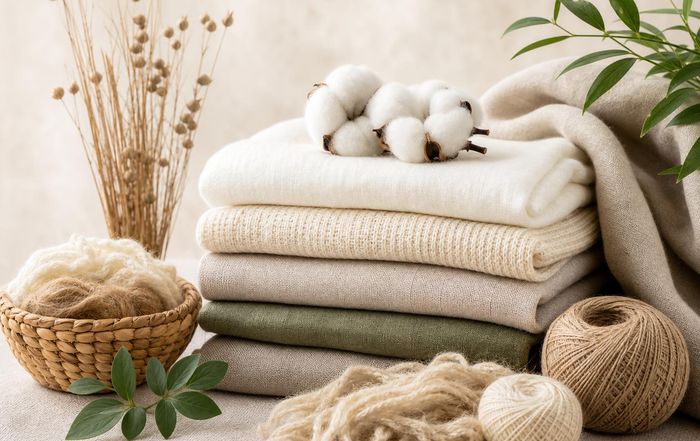
The Benefits of Choosing Natural Fibers in a High-Performance, Wellness-Focused World
Natural Fibers at the Intersection of Wellness, Beauty, and Business
In 2026, the conversation around what people wear, how they decorate their homes, and how businesses position their brands has evolved far beyond seasonal fashion trends. For the global audience that turns to QikSpa for insight on spa and salon innovation, health, wellness, beauty, nutrition, fitness, yoga, fashion, travel, sustainable living, and modern careers, natural fibers have become a central thread connecting personal wellbeing, environmental responsibility, and long-term business value. As more consumers in the United States, Europe, Asia, and beyond scrutinize the impact of their daily choices, fabrics made from cotton, linen, wool, silk, hemp, bamboo, and other plant- and animal-based sources are being re-evaluated not just for their aesthetic qualities, but for their role in supporting a healthier, more sustainable lifestyle.
The growing interest in natural fibers is not a passing preference; it reflects a deeper shift in expectations around transparency, quality, and ethics. Global organizations such as the World Health Organization highlight how environmental exposures and indoor air quality can affect health, reinforcing why textiles and finishes used in clothing, bedding, towels, and spa interiors matter to long-term wellbeing. Learn more about how environmental determinants influence health on the WHO environment and health resource. For a platform like QikSpa, which bridges spa and salon culture with broader lifestyle and business insights, this shift offers a unique opportunity to demonstrate expertise and leadership by championing natural fibers as a cornerstone of modern, health-conscious living.
Comfort, Skin Health, and the Sensory Experience of Natural Fibers
The first point of contact between a person and their environment is often through fabric, whether in a spa robe, bed linens, yoga wear, or everyday office attire. Natural fibers such as cotton, linen, silk, and fine wool are prized for their breathability, moisture management, and soft hand feel, all of which contribute to comfort and skin health. Dermatology experts consistently emphasize the importance of breathable, non-irritating textiles for managing sensitive skin and conditions such as eczema, and readers can explore this further through resources from the American Academy of Dermatology on fabric and skin health.
For spa and salon environments, where clients expect a multi-sensory experience that communicates care and luxury, the choice of natural fiber towels, robes, and treatment linens can significantly influence perception and satisfaction. On QikSpa's spa and salon hub, professionals and enthusiasts exploring the latest in treatment design and guest experience can see how textile choices align with broader wellness values at QikSpa Spa and Salon. Natural fibers, with their softer drape, reduced static, and ability to regulate temperature, help maintain a calm, balanced microclimate around the body, which is particularly important in high-touch settings like massages, facials, and body treatments.
From a physiological standpoint, natural fibers generally allow perspiration to evaporate more efficiently than many purely synthetic alternatives, supporting thermoregulation and reducing the risk of overheated, clammy skin. Athletic and athleisure brands that integrate natural fibers or high-percentage blends frequently cite these performance attributes, which align closely with guidance from organizations such as Harvard T.H. Chan School of Public Health on the importance of maintaining comfortable body temperature and dry skin during physical activity, as discussed in their material on physical activity and health. For spa guests, fitness enthusiasts, and yoga practitioners, this means that choosing natural fiber garments and accessories is not only a matter of luxury but also a strategy for supporting skin integrity and overall comfort.
Natural Fibers as a Foundation for Holistic Wellness
Holistic wellness, as understood by many readers of QikSpa's wellness insights, extends beyond nutrition and exercise to encompass the total sensory environment. Fabrics used in loungewear, bedding, upholstery, and even window treatments can influence sleep quality, stress levels, and the perceived tranquility of a space. At QikSpa Wellness, the integration of textiles into a broader wellness narrative underscores how natural fibers can act as subtle but powerful tools in shaping daily rituals.
Sleep research from institutions such as The Sleep Foundation indicates that breathable, temperature-regulating bedding materials can contribute to more consistent, restorative sleep, which in turn affects cognitive performance, mood, and long-term health. Readers can explore how bedding materials influence rest in the Sleep Foundation's guidance on healthy sleep environments. Cotton, linen, and certain types of wool, when used in sheets, duvet covers, and sleepwear, help manage body heat and wick moisture, creating a more stable thermal environment that supports uninterrupted sleep cycles.
In yoga and meditation spaces, both at home and in professional studios, natural fiber mats, bolsters, blankets, and cushions reinforce the ethos of grounding and connection to nature that many practitioners seek. On QikSpa's yoga resource at QikSpa Yoga, the focus on mindful movement and breath extends logically to the materials that touch the body during practice. Natural fibers, with their tactile warmth and subtle irregularities, can enhance the sensory richness of these practices, helping individuals feel more rooted and present, which is particularly valuable in high-stress urban environments across North America, Europe, and Asia.
Beauty, Fashion, and the Aesthetics of Natural Fiber Design
In the beauty and fashion sectors, natural fibers carry both visual and symbolic significance. Their textures, from the crispness of linen to the luster of silk and the loft of fine wool, offer designers and stylists a rich palette for creating garments and accessories that communicate authenticity, refinement, and care. At QikSpa Beauty, the dialogue around beauty increasingly includes what touches the skin all day, not just what is applied in the form of cosmetics and skincare, and natural fiber garments play a central role in this expanding definition.
Global fashion houses and independent designers alike are responding to consumer expectations for transparency and responsibility by incorporating organic cotton, responsibly sourced wool, and regenerated cellulosic fibers such as lyocell into their collections. The Ellen MacArthur Foundation, known for its leadership in circular economy thinking, provides valuable context on how fashion can evolve toward more regenerative models in its work on circular fashion. Natural fibers, particularly when cultivated and processed under rigorous environmental and labor standards, fit naturally into these circular frameworks, offering biodegradability and potential for recycling or upcycling.
The aesthetic appeal of natural fibers also aligns with the broader lifestyle movement toward understated luxury and "quiet" design, which resonates strongly in markets such as Scandinavia, Japan, and Northern Europe. Interior designers and spa architects in cities from Stockholm to Tokyo increasingly favor natural fiber textiles for their ability to age gracefully and develop character over time, in contrast to synthetic materials that may degrade visibly or feel dated. This preference is evident in high-end hospitality projects showcased by Dezeen, where readers can explore examples of spa and hotel interiors that emphasize natural materials in their architecture and interiors coverage.
Health, Indoor Air Quality, and the Hidden Costs of Synthetics
While synthetic fibers have their place in performance wear and specialized applications, their widespread use in everyday clothing and interiors has raised questions about microplastic pollution, chemical exposures, and indoor air quality. Organizations such as The European Environment Agency have documented the contribution of synthetic textiles to microplastics in waterways, which ultimately enter food chains and may carry health implications that are still being fully understood. Readers can explore this issue further in the agency's work on microplastics and the environment.
In indoor environments, where people spend the majority of their time, off-gassing from synthetic textiles treated with flame retardants, stain repellents, and other chemical finishes can affect air quality. Guidance from the U.S. Environmental Protection Agency on indoor air quality underscores the importance of material choices in managing exposure to volatile organic compounds and other pollutants. Natural fibers, particularly those processed with minimal chemical treatments and certified by reputable standards, can play a role in creating cleaner, more breathable interior environments in homes, offices, spas, and salons.
For health-conscious readers exploring resources at QikSpa Health, these concerns intersect directly with their interest in preventive care and lifestyle medicine. While no fabric is entirely risk-free, and natural fibers can also be treated with dyes and finishes, choosing high-quality, certified natural textiles and laundering them appropriately can reduce certain exposure pathways. This is especially relevant for infants, children, and individuals with respiratory sensitivities, for whom gentle, breathable fabrics in clothing and bedding can make a noticeable difference in comfort and wellbeing.
Sustainability, Ethics, and the Global Supply Chain
The sustainability narrative around natural fibers is complex and requires nuanced understanding, particularly for a discerning, globally minded audience. Not all natural fibers are produced equally; water use, pesticide application, land management practices, animal welfare, and labor conditions all influence the true impact of a given fabric. Organizations such as the Textile Exchange provide in-depth analysis and benchmarking on preferred fibers and responsible sourcing, which readers can explore in their work on sustainable fiber and materials.
When cultivated and processed responsibly, however, natural fibers can offer significant environmental advantages over petroleum-based synthetics. Organic cotton, for example, avoids synthetic pesticides and fertilizers, which can reduce impacts on soil health and biodiversity. Regenerative agriculture approaches, increasingly adopted in cotton and wool production, aim to restore soil carbon and ecosystem resilience, aligning with broader climate goals articulated by the Intergovernmental Panel on Climate Change (IPCC) in its reports on climate mitigation and land use. For brands and businesses featured or discussed on QikSpa's sustainable living section at QikSpa Sustainable, these practices offer a way to align product strategies with global climate and biodiversity objectives.
Ethical considerations extend beyond environmental metrics to encompass labor rights and community development in major producing countries such as India, China, Bangladesh, Brazil, and nations across Africa. Certifications and initiatives focused on fair wages, safe working conditions, and community investment help distinguish genuinely responsible natural fiber products from those that simply leverage "natural" as a marketing term. Organizations like Fairtrade International provide frameworks and case studies on how agricultural supply chains, including cotton, can be structured to benefit farmers and workers, which can be explored in their material on fair trade cotton.
Nutrition, Lifestyle, and the Broader "Natural Choice" Mindset
The decision to favor natural fibers rarely exists in isolation; it is often part of a broader lifestyle orientation that values unprocessed foods, mindful movement, and intentional consumption. At QikSpa Food and Nutrition, readers who prioritize whole, minimally processed ingredients and evidence-based nutrition are likely to be receptive to parallel messages about choosing fabrics that are closer to their natural origins. The same mindset that leads someone to seek out seasonal produce, plant-forward meals, and responsible sourcing in food can naturally extend to the textiles they wear and sleep in.
Leading health organizations such as The Mayo Clinic emphasize the cumulative impact of daily lifestyle choices on long-term health, from dietary patterns and physical activity to stress management and sleep hygiene, which readers can explore in Mayo's guidance on healthy lifestyle basics. In this context, the fabrics that surround the body form part of the "everyday environment" that either supports or undermines a person's wellness goals. Natural fibers, by contributing to comfort, thermal balance, and reduced exposure to certain chemicals, reinforce a holistic approach to self-care that extends beyond the spa visit or workout session.
This integrated mindset is particularly relevant for women, who often act as primary decision-makers for household purchases and family health practices. On QikSpa Women, the intersection of professional ambition, caregiving roles, and personal wellbeing creates a strong foundation for discussions about how natural fiber choices can support both self-expression and responsible stewardship of resources, especially in markets such as the United States, United Kingdom, Germany, Canada, and Australia, where awareness of sustainability and wellness is already high.
Performance, Fitness, and the Evolving Role of Natural Fibers in Activewear
In the fitness and athletic space, synthetic fibers have long dominated due to their stretch, durability, and moisture-wicking capabilities. However, technological advancements in yarn spinning, fabric construction, and finishing have enabled natural fibers and blends to compete more effectively in performance contexts. At QikSpa Fitness, readers interested in training, recovery, and athletic performance will find that the conversation around apparel is shifting toward materials that balance technical function with health and environmental considerations.
Research supported by organizations such as Sports Medicine Australia and other sports science bodies highlights the importance of thermoregulation, sweat management, and skin comfort in both amateur and professional performance, as discussed in resources like their materials on sports hydration and environment. Merino wool, for example, has emerged as a favored natural fiber in activewear due to its ability to manage moisture, resist odor, and provide insulation without bulk, making it suitable for a range of climates from Northern Europe to New Zealand and South Africa.
As consumers in markets such as Japan, South Korea, Singapore, and the Nordic countries demand apparel that reflects their environmental values without sacrificing performance, brands are experimenting with organic cotton, hemp, and bamboo viscose blends in yoga wear, athleisure, and low-impact sports apparel. These developments align closely with the priorities of yoga practitioners and wellness-oriented travelers who follow QikSpa's international and travel coverage at QikSpa International and QikSpa Travel, where the emphasis is on experiences that are both high-quality and responsible.
Business Strategy, Brand Positioning, and the Competitive Edge of Natural Fibers
For entrepreneurs, spa owners, salon operators, fashion labels, and lifestyle brands, the decision to prioritize natural fibers is not only a values-driven choice but also a strategic business move. Consumers across North America, Europe, and Asia increasingly evaluate brands based on transparency, environmental performance, and social impact, and natural fiber sourcing can become a visible and credible signal of commitment. On QikSpa Business, executives and founders can explore how integrating natural fibers into product and service offerings can differentiate their brands in competitive markets.
Market research from organizations like McKinsey & Company and The Business of Fashion has consistently shown that younger consumers, particularly in the United States, United Kingdom, Germany, and China, are willing to pay a premium for products that align with their values, including sustainability and ethical production. Learn more about sustainable business practices and consumer expectations through McKinsey's work on fashion's environmental imperative. By specifying organic cotton robes in a spa, linen uniforms for staff, or wool throws in relaxation lounges, businesses can tell a compelling story that resonates with these values-driven guests.
From an operational standpoint, investing in durable, high-quality natural fiber textiles can also support long-term cost management. While initial acquisition costs may be higher than some synthetic alternatives, the longevity and timeless aesthetic of well-chosen natural fibers can reduce replacement frequency and waste. This consideration is particularly relevant for hospitality and wellness businesses in regions such as Europe and Asia, where regulatory pressures and consumer scrutiny around waste and environmental impact are intensifying, and where alignment with frameworks discussed by the United Nations Environment Programme on sustainable consumption and production becomes a competitive advantage.
Careers, Skills, and the Future of Work in a Natural Fiber Economy
The shift toward natural fibers and more responsible material choices is also reshaping career paths and skill requirements in fashion, textiles, hospitality, wellness, and retail. Professionals who understand fiber science, sustainable sourcing, lifecycle analysis, and circular design are increasingly in demand, opening opportunities for those who wish to align their work with environmental and social impact. At QikSpa Careers, individuals exploring future-ready roles in wellness, beauty, and lifestyle industries can see how expertise in natural fibers and sustainable materials can enhance employability and leadership potential.
Educational institutions in Europe, North America, and Asia are responding with specialized programs in sustainable fashion, textile engineering, and circular business models, often in collaboration with industry partners and organizations such as Parsons School of Design, London College of Fashion, and Fashion for Good. These initiatives reflect a recognition that the next generation of designers, buyers, spa managers, and brand strategists must be fluent not only in aesthetics and customer experience, but also in the technical and ethical dimensions of material choice. As the global economy continues to pivot toward low-carbon, resource-efficient models, professionals who can translate the benefits of natural fibers into compelling, commercially viable offerings will be particularly well positioned.
Integrating Natural Fibers into a QikSpa-Inspired Lifestyle
For the global audience that turns to QikSpa as a trusted guide on integrated living, the benefits of choosing natural fibers are best understood as part of a cohesive lifestyle strategy rather than a single, isolated decision. From spa and salon experiences that prioritize cotton and linen textiles, to home environments curated with wool throws and silk pillowcases, to wardrobes built around breathable, ethically sourced garments, natural fibers can support the pursuit of health, beauty, wellness, and sustainability in tangible, everyday ways. Readers can explore how these choices intersect with broader lifestyle themes across QikSpa's ecosystem, including QikSpa Lifestyle and the platform's main portal at QikSpa.
In a world where consumers from New York to London, Berlin to Singapore, Sydney to São Paulo are increasingly aware of the links between personal wellbeing, environmental stewardship, and social responsibility, natural fibers offer a material foundation for living those values. By understanding the health, aesthetic, environmental, and business dimensions of these materials, individuals and organizations alike can make more informed, confident decisions. As QikSpa continues to highlight the convergence of spa culture, wellness science, beauty innovation, and sustainable business, natural fibers will remain a central topic-an enduring, tactile reminder that the path to a more balanced, resilient future is woven from the choices made closest to the skin.
