
Make-Up, Wellness, and the New Face of Youthful Confidence in 2026
In 2026, the global conversation around beauty, aging, and professional presence has matured into something far more nuanced than a simple pursuit of looking younger. Across major markets in the United States, United Kingdom, Germany, Canada, Australia, and throughout Europe, Asia, Africa, and the Americas, a growing number of individuals recognise that a youthful appearance is not defined by age alone, but by visible vitality, balanced lifestyle choices, and a sense of inner and outer alignment. For the audience of qikspa.com, where spa culture, wellness, business, travel, and sustainable living converge, make-up is no longer a mask; it is a strategic, creative, and deeply personal tool that supports confidence, authority, and well-being in both private and professional life.
Modern consumers are increasingly discerning, informed by dermatological science, global wellness trends, and digital access to expert advice. They understand that a smoother complexion, brighter eyes, and more luminous skin can translate into greater self-assurance in boardrooms, client meetings, and social spaces. Rather than relying exclusively on costly or invasive procedures, many are turning to sophisticated make-up techniques and skincare rituals that enhance natural features and subtly soften the visible markers of time. This shift reflects a broader move from "anti-aging" to "pro-youth," where the objective is not to deny age but to project energy, clarity, and resilience.
From the perspective of qikspa.com, which connects readers to insights on spa and salon, lifestyle, beauty, health, and wellness, make-up is best understood as one element in a comprehensive approach that includes nutrition, movement, mental health, and sustainable choices. This integrated view aligns with global research from organizations such as the World Health Organization and the Global Wellness Institute, which consistently link long-term health, stress management, and lifestyle behaviours to how people look and feel as they age.
The Science of Skin, Aging, and Intelligent Cosmetics
A credible discussion of looking younger with make-up begins with an understanding of the skin's natural evolution over time. Dermatological research from institutions such as the American Academy of Dermatology confirms that, beginning as early as the late twenties, collagen and elastin production gradually decline, cell turnover slows, and the skin barrier becomes more vulnerable to environmental stressors. This leads to fine lines, uneven tone, dryness, and loss of firmness, all of which can make the face appear older and more fatigued.
By 2026, the global anti-aging skincare market has expanded well beyond its 2025 valuation, driven by advanced formulations from companies including Estée Lauder, L'Oréal Paris, and Shiseido, as well as clinical-grade lines recommended by dermatologists. Brands such as Dermalogica, Clinique, and La Roche-Posay have invested heavily in research on ingredients like peptides, ceramides, niacinamide, and stabilized vitamin C, which help to support collagen synthesis, strengthen the skin barrier, and protect against oxidative stress. Those who follow health and longevity trends increasingly recognise that make-up performs optimally when layered over skin that is hydrated, protected, and resilient.
The modern consumer, whether in New York, London, Berlin, Toronto, Sydney, or Singapore, is also more literate about ingredients. They understand that primers containing hyaluronic acid can plump fine lines before foundation is applied, that antioxidant-rich bases shield skin from pollution in urban centres, and that mineral sunscreens recommended by organisations like the Skin Cancer Foundation are indispensable for preventing pigment spots and rough texture. In this context, make-up becomes a visible expression of an underlying science-led skincare strategy rather than a quick fix.
Preparing the Canvas: Skin Prep as a Strategic Ritual
On qikspa.com, where readers are accustomed to viewing beauty through the lens of spa-grade rituals and holistic care, skin preparation is treated almost as a daily spa experience. Professional make-up artists and facialists agree that the most youth-enhancing looks begin not with heavy coverage, but with meticulous preparation that respects the skin's integrity. Cleansing with a gentle, pH-balanced formula, followed by periodic exfoliation with mild acids or enzymes, helps remove dull surface cells so that complexion products can sit smoothly without catching on dry patches or fine lines.
Hydration is the non-negotiable step. Lightweight moisturisers rich in humectants and barrier-supporting lipids create a supple surface that reflects light more evenly, which in turn softens the perception of wrinkles. Illuminating primers from houses like Lancôme or Laura Mercier are then used not to disguise the skin, but to enhance its luminosity, creating a diffused, soft-focus effect that is particularly flattering under office lighting or on high-resolution video calls. In spa-inspired routines found in beauty and wellness content, tools such as gua sha stones, facial rollers, and lymphatic massage techniques are used to boost circulation and reduce puffiness, contributing to a more rested and youthful appearance before a single drop of foundation is applied.
Leading dermatology centres, including the Mayo Clinic, highlight that consistent use of broad-spectrum sunscreen remains the single most effective anti-aging measure. For professionals in sunny regions like California, Spain, Italy, South Africa, and Brazil, daily SPF application under make-up is essential to prevent photoaging, which manifests as uneven tone, rough texture, and deep lines. This is why many modern primers and base products incorporate SPF and antioxidant complexes, aligning cosmetic performance with dermatological protection.
Light, Breathable Base: Foundations that Enhance, Not Hide
The evolution of foundation technology over the past decade has transformed how people of all ages approach coverage. Where once heavy, matte formulations dominated, 2026 is defined by breathable, flexible bases that mimic natural skin while subtly correcting tone and texture. For individuals who wish to look younger, this shift is particularly beneficial, as thick, opaque layers tend to settle into expression lines and emphasise dryness, especially in climates like Scandinavia or Canada where seasonal conditions can be harsh.
Lightweight foundations, tinted moisturisers, BB and CC creams now integrate skincare actives, aligning with the "hybrid" category that merges treatment and make-up. Products such as IT Cosmetics Your Skin But Better CC+ and NARS Light Reflecting Foundation are engineered to scatter light and visually smooth the surface, creating the impression of fresher, more rested skin. Applied sparingly with a damp sponge or well-buffed brush, they allow natural texture to show through, which is crucial for maintaining a believable, youthful look in professional environments.
Rather than applying foundation as a uniform mask, experienced artists and image consultants advise focusing coverage where it is truly needed: around the nose, on areas of redness, and along the jawline if tone is uneven. This targeted strategy, often recommended in lifestyle and business features, reflects a contemporary aesthetic in which skin is allowed to look like skin. The goal is to project health and vitality, not perfection, which ultimately reads as more youthful and trustworthy in meetings, presentations, and networking settings.
Strategic Brightening: Concealer, Eyes, and Brows
One of the most visible indicators of fatigue and age is darkness around the eyes. Here, concealer functions less as camouflage and more as a precision tool for brightening and lifting. Modern radiant concealers from brands such as Tarte, Maybelline, and Yves Saint Laurent are designed with light-reflecting particles and flexible textures that move with facial expressions rather than cracking or settling into lines. Applied in a soft triangular shape under the eyes and gently blended outward, they can visually lift the mid-face and restore a rested look that is particularly valuable for professionals with demanding schedules or frequent travel.
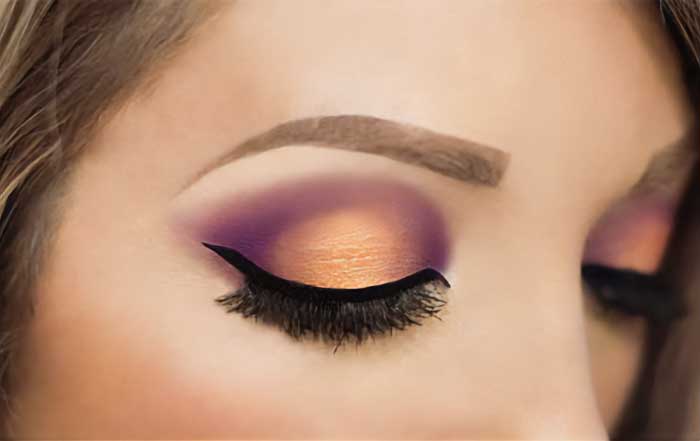
Eye make-up itself has also undergone a shift. Across major markets, the trend has moved away from heavy, dark lids toward neutral, softly sculpted looks that open the eyes and minimise texture. Matte or satin-finish shadows in taupe, soft brown, rose, and champagne tones enhance depth without emphasising crepey skin. Techniques like tightlining the upper waterline with long-wear pencils from Urban Decay or Stila subtly thicken the lash line, giving the impression of fuller lashes without the harshness of a thick, downward-dragging line.
Brows remain central to facial architecture. Fuller, well-groomed brows create a natural frame that is strongly associated with youth. Products such as Benefit's Precisely, My Brow Pencil and tinted brow gels are used to fill sparse areas with hair-like strokes, lifting the eye area and balancing facial proportions. This understated structure is especially effective for business professionals in sectors such as finance, technology, and consulting, where a polished yet approachable appearance can influence first impressions and perceived credibility. Insights from sources like the Harvard Business Review increasingly acknowledge the role of visual presentation in leadership perception, reinforcing the value of these subtle enhancements.
Color, Dimension, and the Illusion of Freshness
Beyond base and eyes, colour placement plays a decisive role in whether a make-up look reads as youthful or fatigued. As lips naturally lose volume and definition with age, softer, hydrating lip formulas have become the preferred choice for those seeking a fresher appearance. Tones such as rose, soft berry, and warm nude, in satin or glossy finishes, create the impression of plumpness and vitality without the severity of dark, matte shades. Products like Dior Addict Lip Glow and Fenty Beauty Gloss Bomb have gained global popularity because they adapt to individual lip tones while delivering shine and moisture, which is particularly flattering under office lighting and on video platforms.
On the cheeks, cream or liquid blushes in peach, coral, or pink tones are applied to the upper part of the apples and blended slightly upward toward the temples. This placement mimics the natural flush of youth and visually lifts the face. Brands such as Rare Beauty by Selena Gomez, Chanel, and Westman Atelier have developed silky, buildable textures that sit comfortably on mature or dehydrated skin, avoiding the chalkiness that can accompany traditional powder formulas.
Subtle bronzing and highlighting complete the illusion of a well-rested, active lifestyle. Lightly warming the perimeter of the face and the hollows of the cheeks with a finely milled bronzer restores dimension that may be lost under flat office lighting, while a restrained application of liquid or cream highlighter on the tops of the cheekbones, bridge of the nose, and inner corners of the eyes provides a gentle glow. Dermatologists and aesthetic physicians, including those featured by the Cleveland Clinic, consistently caution against heavy shimmer on textured skin, recommending instead finely milled, low-sparkle products that emulate the natural radiance of hydrated skin.
Holistic Foundations: Nutrition, Movement, and Mindfulness
For the qikspa.com audience, which spans interests from food and nutrition to fitness and yoga, it is clear that make-up alone cannot sustain a youthful appearance. The most convincing "younger" looks are underpinned by habits that support cellular health, hormone balance, and mental resilience. Scientific research from organizations like the National Institutes of Health reinforces the importance of diets rich in antioxidants, omega-3 fatty acids, and phytonutrients, which help combat inflammation and oxidative stress-two key drivers of premature aging.
Regular physical activity, whether strength training in New York, cycling in Amsterdam, hiking in New Zealand, or yoga in Bali, improves circulation, tones muscles, and contributes to better posture, all of which influence how young and energetic a person appears. Even moderate routines, such as brisk walking combined with simple resistance exercises, have been shown to improve skin quality by increasing blood flow and supporting detoxification pathways. This synergy between movement and appearance is increasingly reflected in wellness and beauty programming at integrated resorts and urban clubs worldwide, many of which combine spa therapies with fitness and mindfulness offerings inspired by best practices from the Global Wellness Institute.
Mindfulness practices, including meditation and breathwork, are now widely recognised as beauty tools in their own right. Elevated cortisol levels from chronic stress are linked to breakouts, dullness, and collagen breakdown. Incorporating daily meditation or gentle yoga sessions, whether at home or in specialised studios, helps regulate stress responses and soften habitual facial tension around the brow, mouth, and jaw. Over time, this contributes to a calmer, more open expression that reads as naturally youthful and composed.
Global and Sustainable Perspectives on Youthful Beauty
As beauty culture becomes more interconnected, regional traditions and innovations are shaping a richer, more inclusive definition of youthfulness. In South Korea and Japan, multi-step skincare rituals and the pursuit of refined, "glass-like" skin have influenced routines from Los Angeles to London. In France, Italy, and Switzerland, luxury brands such as Chanel, Dior, and La Prairie continue to combine scientific research with sensorial pleasure, anchoring European elegance in evidence-based formulations. Meanwhile, in Brazil, South Africa, and across Asia-Pacific, natural oils and botanicals such as marula, camellia, and green tea are integrated into mainstream products, reflecting the growing demand for origin-conscious, plant-based ingredients.
This global exchange has accelerated the rise of sustainable beauty. Consumers now routinely consult resources like the Environmental Working Group and the EU's Cosmetic Regulation portal to understand ingredient safety, environmental impact, and ethical standards. Refillable packaging, reduced-plastic formats, and certified cruelty-free labels have moved from niche to norm, particularly in markets such as Germany, Nordic countries, and Canada, where environmental awareness is high.
For qikspa.com, whose readers are increasingly engaged with sustainable choices across beauty, fashion, and travel, this shift reinforces a key message: looking younger is not only about what is applied to the skin, but also about how products are sourced, produced, and disposed of. A truly modern, youthful image is one that aligns personal appearance with broader social and environmental responsibility, mirroring corporate sustainability commitments seen at companies like Unilever and L'Oréal, which are frequently profiled by organisations such as the World Economic Forum.
Professional Presence, Women's Leadership, and Career Impact
In 2026, the intersection of beauty, confidence, and career is more openly discussed than ever. Research into executive presence and leadership, often highlighted by institutions such as the Center for Creative Leadership, shows that visual cues-posture, grooming, and overall vitality-play a role in how competence and trustworthiness are perceived. For many professionals, especially women navigating leadership in sectors from finance to technology, make-up and grooming routines function as part of a broader personal brand strategy.
On qikspa.com, where women, careers, and business content intersect, the narrative emphasises that a youthful appearance should support, not overshadow, expertise. Subtle make-up that brightens the complexion, defines the eyes, and adds healthy colour to the lips and cheeks can help convey energy, approachability, and clarity during presentations, negotiations, and networking events. For global professionals travelling between New York, London, Dubai, Singapore, and Tokyo, portable routines built around multi-functional products ensure that they can maintain a polished, rested look despite jet lag and long hours.
This is particularly relevant for women who continue to challenge outdated expectations around age and leadership. Rather than feeling pressured to appear perpetually young, many are reframing make-up as a tool of self-expression and self-care that enhances their natural features and communicates their unique style. Brands like Bobbi Brown, Pat McGrath Labs, and Fenty Beauty have helped normalise this perspective by championing diversity in age, tone, and texture in their campaigns, demonstrating that authority and youthfulness can coexist in a way that is authentic and empowering.
Technology, AI, and the Future of Youthful Beauty
Looking ahead, the future of youthful appearance is being shaped by rapid advances in technology. AI-powered diagnostic tools available through major retailers and platforms such as Sephora and L'Oréal's virtual try-on services allow users in North America, Europe, and Asia to analyse skin conditions, test shades, and receive personalised product recommendations from their smartphones. Smart mirrors and at-home devices track changes in hydration, pigmentation, and fine lines over time, providing data that can inform both skincare and make-up choices.
This convergence of technology and beauty is also redefining expertise. Professionals in beauty, spa, and wellness sectors are upskilling to interpret digital skin analyses, integrate them into customised treatment plans, and recommend routines that blend spa therapies, home care, and make-up strategies. For readers of qikspa.com, this means that future spa and salon experiences will be even more tailored, merging traditional hands-on care with data-driven insights to deliver visible, measurable improvements in skin quality and appearance.
At the same time, global wellness trends continue to emphasise that no device or product can replace the fundamentals: restorative sleep, balanced nutrition, regular movement, and meaningful stress management. Reports from the Global Wellness Institute and health authorities underscore that these pillars remain the most reliable predictors of how youthful and vibrant individuals look and feel over time.
A Qikspa Perspective: Youthfulness as an Integrated Lifestyle
For the international audience of qikspa.com, spanning interests from travel and fashion to wellness and beauty, the message emerging in 2026 is clear. Make-up tricks to look younger are most powerful when they are part of an integrated lifestyle that respects the skin, honours the body, and reflects personal and professional aspirations. Lightweight, luminous bases, strategic concealer, softly defined eyes and brows, and fresh, hydrating colour on lips and cheeks can transform how rested and energetic a person appears, but their impact is multiplied when supported by intelligent skincare, nutrient-rich eating, consistent movement, and mindful rest.
In a world where careers are global, expectations are high, and sustainability matters, youthful beauty is no longer about denying age. It is about presenting the best possible version of oneself-energetic, engaged, and authentic-at every stage of life. By combining evidence-based skincare, refined make-up techniques, and holistic wellness practices, individuals across North America, Europe, Asia, Africa, and South America can project a kind of radiance that transcends years and resonates deeply in both personal and professional spheres.
