
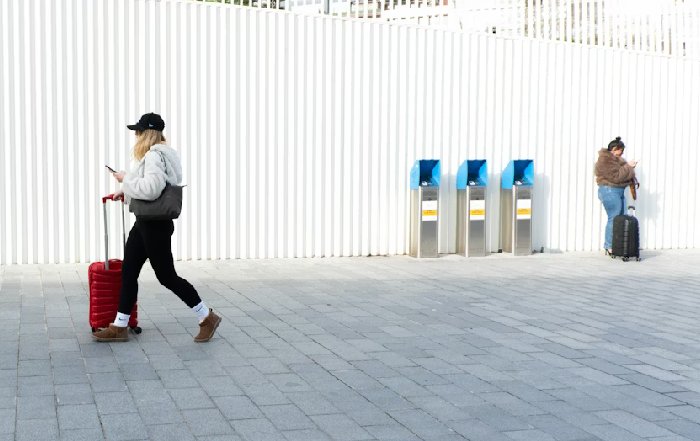
Packing Light: A Guide to Efficient and Sustainable Travel
The New Era of Conscious Travel
Global travel has entered a more reflective and responsible phase in which efficiency, sustainability and personal wellbeing are no longer optional extras but central expectations. Travelers from North America to Europe, from Asia-Pacific to Africa and South America, are rethinking how they move, what they carry and the impact their choices have on both the planet and their own health. Within this shift, packing light has evolved from a minimalist trend into a strategic discipline that blends environmental responsibility, financial prudence and lifestyle design.
For QikSpa, which connects wellness-focused readers across the United States, United Kingdom, Germany, Canada, Australia, France, Italy, Spain, the Netherlands, Switzerland, Singapore, South Korea, Japan and beyond, this evolution aligns directly with its broader mission of integrating beauty, health, travel and sustainable living into a coherent modern lifestyle. Packing light is no longer just about saving baggage fees; it is about traveling in a way that reflects the same values that shape daily choices in nutrition, self-care, fitness and professional life. As leading organizations such as the World Travel & Tourism Council emphasize the importance of resilient and sustainable tourism models, travelers are embracing the idea that what they pack is a powerful expression of their priorities and identity.
Why Packing Light Matters More Than Ever
The modern traveler navigates a complex environment of heightened security, fluctuating airline policies, climate concerns and an increasingly mobile, hybrid work culture. Efficient packing sits at the intersection of these forces. Airlines across North America, Europe and Asia have tightened cabin baggage rules and increased fees for checked luggage, making overpacking not only inconvenient but expensive. At the same time, global conversations around climate responsibility, led by institutions like the Intergovernmental Panel on Climate Change, have drawn attention to how every kilogram transported by air contributes to emissions, encouraging travelers to reconsider the weight they carry.
From a wellbeing perspective, packing light reduces physical strain, improves mobility through airports and train stations, and decreases the mental load associated with managing excessive belongings. It becomes easier to focus on restorative experiences, whether that means a spa treatment in a boutique hotel, an outdoor yoga session in Thailand or a wellness retreat in the Alps. Readers exploring the travel-focused insights on QikSpa's international pages will recognize that light, intentional packing supports a more relaxed and immersive journey, with fewer distractions and more energy available for meaningful experiences.
The Psychology of Traveling with Less
Packing is not only a logistical exercise; it is also a psychological mirror that reflects fears, aspirations and habits. Many travelers from the United States, United Kingdom or Japan overpack because they anticipate every possible scenario, worry about standing out in unfamiliar cultures or equate preparedness with bringing more. However, research in behavioral science, including insights shared by organizations such as the American Psychological Association, suggests that decision fatigue increases with the number of choices one must make, and this applies directly to travel wardrobes and accessories.
By limiting the quantity of items, travelers simplify daily decisions, from what to wear to which skincare products to use, freeing mental capacity for exploration, connection and creativity. This is particularly relevant to wellness-oriented readers of QikSpa's lifestyle section, who understand that mental clarity and emotional balance are as important as physical health. Packing light becomes a deliberate mental health strategy, providing a sense of control, reducing anxiety about luggage and enabling smoother transitions between destinations, whether navigating the metro systems of Paris and Seoul or transferring between flights in Singapore or Dubai.
Building a Capsule Travel Wardrobe
At the heart of efficient packing lies the concept of a capsule wardrobe, a curated collection of versatile pieces that can be combined in multiple ways to create numerous outfits. This approach, long championed by fashion editors and sustainability advocates, has gained renewed relevance as travelers seek to reduce consumption while maintaining a polished appearance for both leisure and business engagements. Fashion capitals such as Milan, London and New York continue to influence how travelers think about style, but the emphasis in 2026 is on quality, adaptability and ethical sourcing rather than volume.
For travelers inspired by QikSpa's beauty and fashion insights, a capsule travel wardrobe typically centers on neutral color palettes, breathable fabrics and pieces that can transition from daytime sightseeing to evening business dinners or spa lounges. Organizations like the Ellen MacArthur Foundation have highlighted the environmental benefits of extended garment use and circular fashion models, encouraging consumers to choose durable, timeless items over fast fashion. As a result, a traveler heading from Berlin to Singapore or from Toronto to Cape Town might rely on a small selection of coordinated garments, trusting that thoughtful styling and minimal accessories can achieve both elegance and practicality while reducing luggage weight and environmental impact.
Sustainable Materials and Conscious Clothing Choices
Packing light becomes even more powerful when combined with sustainable material choices. Fabrics such as organic cotton, TENCEL Lyocell, linen and responsibly sourced merino wool offer breathability, odor resistance and durability, which are ideal for re-wearing items multiple times during a trip. These characteristics reduce the need for frequent washing and minimize the number of garments required, supporting both efficiency and eco-consciousness. The Textile Exchange and similar organizations have documented how shifts toward preferred fibers can significantly cut water use and emissions in the fashion supply chain, aligning personal packing habits with broader climate goals.
Travelers who follow QikSpa's sustainable living content increasingly look for certifications, transparent supply chains and responsible manufacturing practices when selecting clothing for their journeys. This mindset extends across regions, from eco-lodges in Costa Rica and New Zealand to urban wellness hotels in Copenhagen, Zurich and Tokyo, where guests appreciate brands that align with their values. Lightweight, wrinkle-resistant garments made from sustainable fibers allow individuals to maintain a professional and refined appearance for meetings, conferences or luxury spa visits while supporting ethical labor practices and reduced environmental footprints.
Streamlined Beauty, Spa and Skincare Essentials
Beauty and spa rituals remain central to the QikSpa community, but in 2026, these routines have become more curated and travel-friendly. The global clean beauty movement, supported by organizations such as the Environmental Working Group, has pushed brands to simplify ingredient lists and focus on multifunctional products that deliver results with fewer steps. For travelers, this translates into smaller, more efficient cosmetic bags that still support skin health across varying climates, from the dry air of long-haul flights to the humidity of Southeast Asia or the cold of Scandinavian winters.
Readers exploring QikSpa's beauty resources often prioritize travel-sized, refillable containers, solid skincare bars and multipurpose products such as tinted moisturizers with SPF, cleansing balms that double as masks and oils that can be used on face, body and hair. Regulatory frameworks in the European Union, overseen by bodies like the European Chemicals Agency, have further shaped standards for cosmetic safety, reassuring international travelers that high-quality products can be both effective and responsibly formulated. With a carefully chosen set of essentials, it becomes possible to maintain spa-level self-care in hotel rooms, airport lounges or wellness retreats without carrying an entire bathroom cabinet.
Health, Immunity and Minimalist Wellness Kits
Health-conscious travelers from the United States, Canada, Germany, Singapore and beyond are acutely aware of the importance of maintaining immunity and overall wellbeing while on the move. The global health landscape since the early 2020s has underscored the need for personal responsibility in hygiene, sleep, nutrition and stress management. Packing light does not mean neglecting these priorities; instead, it encourages the creation of a compact, strategic wellness kit that supports resilience without excess.
Insights from organizations such as the World Health Organization and Centers for Disease Control and Prevention have guided travelers on essential health precautions, vaccination requirements and hygiene practices. For readers engaging with QikSpa's health content, this often translates into carrying a small selection of high-impact items such as a reusable fabric mask, travel-sized hand sanitizer, a limited set of medications tailored to personal needs, and perhaps a small supplement organizer with vitamin D, magnesium or probiotics, depending on medical advice. By focusing on a few carefully chosen tools rather than an overstuffed first-aid kit, travelers maintain readiness while preserving the agility that characterizes efficient packing.
Food, Nutrition and Smart Packing for Energy
Nutrition plays a pivotal role in how travelers feel and perform, particularly when crossing time zones or juggling business meetings with sightseeing. While it is neither feasible nor desirable to carry large quantities of food, strategic packing of compact, nutrient-dense items can help stabilize energy levels, reduce reliance on ultra-processed airport snacks and support digestive comfort. Organizations such as the Harvard T.H. Chan School of Public Health have emphasized the benefits of whole foods, fiber and healthy fats, principles that can guide the selection of travel-friendly options.
Readers who explore QikSpa's food and nutrition guidance often favor items such as unsalted nuts, seeds, small portions of dark chocolate, electrolyte powders and, when permitted by customs regulations, individually wrapped herbal teas or whole-food snack bars with clear ingredient lists. These compact items fit easily into a carry-on and provide a safety net during long layovers in Frankfurt, Toronto or Dubai, late-night hotel arrivals in Tokyo or early-morning train journeys across Italy and Spain. Packing light in this context means prioritizing quality over quantity, relying on local markets and restaurants for main meals while using a small nutritional toolkit to bridge gaps and support consistent wellbeing.
Fitness, Mobility and the Role of Lightweight Gear
Maintaining a fitness routine while traveling has become a priority for many professionals and wellness enthusiasts, particularly as remote work and digital nomad lifestyles expand across Europe, Asia and the Americas. However, heavy equipment and bulky shoes are incompatible with the principles of efficient packing. Instead, travelers are turning to bodyweight exercises, compact resistance bands and digital platforms to sustain strength, mobility and cardiovascular health without overloading their luggage.
Global organizations such as the World Health Organization continue to recommend regular moderate-intensity activity for long-term health, a guideline that can be honored even in hotel rooms or small apartments. Readers who follow QikSpa's fitness insights often rely on a single pair of versatile athletic shoes suitable for both workouts and casual wear, along with lightweight activewear that can be washed and dried quickly. Digital fitness apps and online classes allow individuals in Sydney, London, New York or Johannesburg to maintain structured routines without physical gyms, demonstrating that the most valuable fitness tools are discipline and creativity, not heavy equipment.
Yoga, Mindfulness and Mental Lightness
The philosophy of packing light extends naturally into the realms of yoga and mindfulness, which are central pillars of holistic wellness for many QikSpa readers. Instead of carrying heavy mats or elaborate props, travelers increasingly focus on developing practices that can be performed with minimal equipment, using hotel towels, carpeted floors or outdoor surfaces when appropriate. This approach resonates with the teachings of numerous yoga traditions that emphasize presence and breath over material accessories.
Leading institutions such as Yoga Alliance and research shared by the National Center for Complementary and Integrative Health have highlighted the benefits of regular yoga and meditation for stress reduction, sleep quality and emotional balance, all of which are critical during travel. Those exploring QikSpa's yoga content often integrate short, adaptable sequences into their routines, using digital classes or simple breathing techniques that can be practiced on planes, trains or in airport lounges. In this way, mental lightness complements physical lightness, enabling travelers in Scandinavia, Southeast Asia or North America to stay grounded despite the disorienting nature of constant movement.
Business Travel, Professional Image and Minimalism
For business travelers, especially those commuting between major hubs such as New York, London, Frankfurt, Singapore and Hong Kong, the challenge lies in reconciling a polished professional appearance with the constraints of hand luggage. Efficient packing becomes a strategic business skill, enabling rapid transitions between client meetings, conferences, networking events and personal downtime without the friction of checking bags or managing multiple suitcases.
Insights from global consultancies and leadership institutes, including perspectives shared by the Harvard Business Review, suggest that executives and entrepreneurs increasingly value agility and resilience, qualities reflected in their travel habits. By mastering compact packing techniques, professionals can arrive fresher, adapt more quickly to last-minute schedule changes and reduce the risk of lost luggage disrupting critical engagements. Readers interested in the intersection of commerce and wellbeing, as explored on QikSpa's business pages, recognize that a streamlined suitcase supports a streamlined mind, enabling sharper focus, better decision-making and more authentic relationship-building across cultures and time zones.
Women, Safety and Empowered Travel Choices
Women travelers, whether journeying solo or in groups, have particular considerations related to safety, cultural norms and personal comfort. Packing light offers significant advantages in this context, allowing greater mobility, faster reaction times in unfamiliar environments and reduced physical vulnerability associated with managing multiple heavy bags. At the same time, many women seek to balance practicality with self-expression, ensuring that their clothing and personal-care items align with both their identity and the expectations of destinations in Europe, Asia, the Middle East, Africa and the Americas.
Organizations such as UN Women and numerous international advocacy groups have highlighted the importance of empowering women through access to safe travel, professional opportunities and cross-cultural exchange. Readers engaging with QikSpa's women-focused content often adopt strategies such as carrying a compact but secure crossbody bag, choosing versatile outfits that can be adapted with scarves or jewelry, and relying on digital safety tools while still keeping luggage minimal. In this way, packing light becomes part of a broader framework of confident, informed and autonomous travel, enabling women from Canada to South Africa to explore the world with greater ease and assurance.
Global Perspectives and Regional Nuances
Although the core principles of efficient and sustainable packing are universal, their application varies across regions and cultures. Travelers in Europe, where rail networks make city-hopping between Paris, Amsterdam, Berlin and Zurich straightforward, may prioritize backpacks or small rolling cases suited to cobblestone streets and compact hotel rooms. In North America, with its longer domestic flights and car-based journeys, slightly larger carry-ons may be practical, while in parts of Asia such as Japan, South Korea and Singapore, space-efficient packing is essential for navigating dense urban environments and compact accommodations.
International organizations such as the United Nations World Tourism Organization provide data and insights on evolving travel patterns, illustrating how global mobility continues to recover and transform. For QikSpa, whose readers span continents and cultures, the unifying theme is intentionality. Whether a traveler is attending a wellness retreat in Bali, a technology conference in San Francisco, a fashion event in Milan or a yoga festival in Copenhagen, the decision to pack less and choose better reflects a shared commitment to personal wellbeing, environmental responsibility and cultural sensitivity.
Careers, Remote Work and the Nomadic Lifestyle
The rise of remote and hybrid work models has created a new demographic of professionals who blend careers with continuous travel, often living for months at a time in cities such as Lisbon, Berlin, Bangkok, Melbourne or Vancouver. For these digital nomads and location-independent workers, packing light is not a temporary strategy but an ongoing lifestyle requirement. The ability to relocate swiftly, adapt to new workspaces and maintain productivity with minimal possessions has become a competitive advantage in the global talent market.
Career platforms, business schools and think tanks, including insights from the World Economic Forum, have noted how flexibility and digital fluency are reshaping professional trajectories. Readers who explore QikSpa's careers section see that a streamlined approach to belongings supports this flexibility, making it easier to seize unexpected opportunities, accept international assignments or extend stays in inspiring destinations. A small, carefully curated set of clothing, devices and wellness tools becomes a portable ecosystem that supports both work performance and holistic health, blurring the boundaries between business travel, lifestyle design and long-term personal growth.
Integrating Wellness and Sustainability into Every Journey
Ultimately, packing light is not an isolated tactic but part of a broader philosophy that integrates wellness, sustainability and intentional living. The same principles that guide readers through QikSpa's wellness insights, from stress management and restorative sleep to mindful consumption and spa-inspired self-care, also inform how they prepare for travel. By choosing fewer, better items; prioritizing sustainable materials; curating compact wellness and beauty kits; and remaining attentive to cultural and environmental contexts, travelers create journeys that are lighter in every sense.
As global institutions from the United Nations Environment Programme to regional tourism boards in Europe, Asia, Africa and the Americas advocate for more responsible forms of tourism, individual choices around luggage and packing gain new significance. For QikSpa and its international community, efficient and sustainable packing represents a tangible, everyday way to align personal comfort, professional aspirations and planetary stewardship. In a world that invites constant movement yet demands greater consciousness, traveling light becomes both a practical skill and a statement of values, enabling individuals from New York to Nairobi and from Stockholm to São Paulo to explore more freely while leaving a gentler footprint behind.
