
The Part of Antioxidants in Disease Prevention: A Global Wellness Perspective
As consumers across the world become more discerning about what they eat, how they age and the long-term consequences of daily lifestyle choices, antioxidants have moved from being a niche scientific term to an essential part of mainstream wellness conversations. From spa menus in New York and London to nutrition programs in Seoul, Berlin, Sydney and Singapore, the language of oxidative stress, free radicals and cellular protection is now firmly embedded in how individuals and organizations think about preventive health. For this site, whose mission is to connect spa, salon, health and lifestyle experiences with evidence-based knowledge, understanding the role of antioxidants in disease prevention is central to helping readers make informed, confident decisions about their bodies and their futures.
Understanding Oxidative Stress and Free Radicals
To appreciate why antioxidants matter, it is necessary to understand oxidative stress, a biological process that underpins many chronic diseases associated with aging, environmental exposure and lifestyle factors. Free radicals are highly reactive molecules generated naturally in the body during normal metabolism, immune responses and energy production in the mitochondria. They also arise from external sources such as air pollution, tobacco smoke, ultraviolet radiation, certain industrial chemicals and even intense physical exertion. Resources from organizations such as the National Institutes of Health explain how free radicals, particularly reactive oxygen species, can damage lipids, proteins and DNA when produced in excess, disrupting cellular function and contributing to disease; readers can explore the scientific foundation of oxidative stress through research summaries from the National Institutes of Health.
Under normal circumstances, the body maintains a delicate balance between free radical production and neutralization through endogenous antioxidant systems, including enzymes like superoxide dismutase, catalase and glutathione peroxidase. However, when free radical generation exceeds the body's capacity to neutralize them, oxidative stress occurs, setting the stage for inflammatory cascades, cellular injury and accelerated aging. As QikSpa explores across its dedicated health and wellness sections, this imbalance is not an abstract concept; it is directly influenced by daily choices around diet, stress management, physical activity and environmental exposure, which means that individuals in the United States, Europe, Asia and beyond can actively shape their oxidative burden.
What Antioxidants Are and How They Work
Antioxidants are molecules capable of donating an electron to a free radical without becoming destabilized themselves, effectively neutralizing the free radical and preventing it from damaging cellular structures. These protective compounds exist in both endogenous and exogenous forms. Endogenous antioxidants are produced within the body, while exogenous antioxidants are obtained from diet, supplements and, increasingly, topical applications in skincare and spa treatments. Scientific overviews from institutions such as Harvard T.H. Chan School of Public Health describe antioxidants not as a single substance but as a broad family that includes vitamins, minerals, polyphenols, carotenoids and other phytochemicals; readers can deepen their understanding by reviewing guidance from Harvard T.H. Chan School of Public Health.
Among the most studied dietary antioxidants are vitamin C, vitamin E, beta-carotene, selenium and zinc, alongside a wide range of plant-derived compounds such as flavonoids, resveratrol and catechins. These compounds act in different cellular compartments and under different conditions, meaning that a diverse intake is more beneficial than relying on a single "super" antioxidant. For QikSpa, which curates content across food and nutrition, fitness and lifestyle, this diversity underscores the importance of holistic wellness strategies that integrate diet, movement and relaxation rather than focusing on isolated nutrients or quick fixes.
Antioxidants and Cardiovascular Disease Prevention
Cardiovascular disease remains the leading cause of death globally, affecting populations in North America, Europe, Asia and beyond, and oxidative stress is a key driver in the development of atherosclerosis, hypertension and ischemic heart disease. Oxidative modification of low-density lipoprotein (LDL) cholesterol is believed to play a central role in plaque formation within arterial walls, triggering inflammatory responses and narrowing blood vessels over time. Research synthesized by organizations such as the World Health Organization links high levels of oxidative stress with increased cardiovascular risk, while also highlighting lifestyle interventions that mitigate this burden; readers can explore global perspectives on cardiovascular health via the World Health Organization.
Dietary patterns rich in fruits, vegetables, nuts, seeds and whole grains, such as the Mediterranean diet, supply a wide array of antioxidants that collectively help reduce oxidative damage, improve endothelial function and modulate inflammation. Olive oil polyphenols, resveratrol from grapes and anthocyanins from berries have been associated with improved vascular health and reduced markers of oxidative stress. Analyses from the American Heart Association emphasize that whole-food approaches, rather than high-dose antioxidant supplements, show the most consistent benefits in population studies, reinforcing the idea that antioxidants work best as part of an integrated dietary pattern; further insights can be found through the American Heart Association. For QikSpa readers interested in heart-conscious spa and wellness routines, integrating antioxidant-rich meals, moderate exercise and stress-reducing therapies can complement medical advice and support long-term cardiovascular resilience.
Antioxidants in Cancer Risk Reduction
The relationship between antioxidants and cancer prevention is complex and often misunderstood in popular media. Oxidative damage to DNA is one of several mechanisms that can initiate or promote carcinogenesis, and antioxidants theoretically reduce this risk by protecting genetic material and supporting cellular repair. Observational studies across diverse populations in the United States, Europe and Asia have consistently shown that higher consumption of fruits and vegetables is associated with lower incidence of several types of cancer, including cancers of the lung, stomach and colon. The American Cancer Society notes that these protective effects likely arise from the combined action of vitamins, minerals, fiber and phytochemicals, rather than from any single antioxidant compound; readers can review evidence-based guidance from the American Cancer Society.
However, large randomized trials of high-dose antioxidant supplements have produced mixed or even adverse results, particularly in smokers and high-risk groups, where certain supplements appeared to increase cancer risk rather than reduce it. Institutions such as the National Cancer Institute caution against assuming that supplements can replicate the benefits of a plant-rich diet, emphasizing that the synergy among multiple nutrients in whole foods is difficult to reproduce in pill form; more details can be found at the National Cancer Institute. For QikSpa, whose beauty and spa and salon content often touches on anti-aging and skin health, this evidence reinforces the importance of promoting dietary patterns and lifestyle habits grounded in scientific consensus rather than marketing-driven claims about miracle antioxidant supplements.
Neuroprotection and Cognitive Health
As populations in Europe, North America and Asia age, neurodegenerative diseases such as Alzheimer's disease and Parkinson's disease have become critical public health concerns, and oxidative stress is increasingly recognized as a central factor in neuronal damage and cognitive decline. The brain is particularly vulnerable to oxidative injury due to its high oxygen consumption, lipid-rich composition and relatively limited antioxidant defenses. Studies summarized by organizations such as the Alzheimer's Association highlight that oxidative stress interacts with inflammation, protein misfolding and vascular dysfunction in the pathogenesis of dementia; interested readers can learn more through the Alzheimer's Association.
Dietary patterns emphasizing antioxidants, such as the Mediterranean and MIND diets, have been associated with slower cognitive decline and reduced risk of Alzheimer's disease in observational research across the United States and Europe. Polyphenols from berries, green tea catechins and curcumin from turmeric have attracted attention for their potential neuroprotective properties, including modulation of oxidative stress and inflammatory pathways. Institutions like Mayo Clinic advise that while no single food or antioxidant can prevent dementia, consistent adherence to plant-forward dietary patterns, physical activity and adequate sleep may contribute to brain health; readers can review practical guidance from Mayo Clinic. For QikSpa, integrating these insights into content on yoga, mindfulness and restorative spa experiences can help readers view cognitive longevity as a holistic pursuit that spans nutrition, movement and mental balance.
Skin Health, Beauty and the Spa Experience
In the global beauty and spa industry, antioxidants have become synonymous with youthful, resilient skin, and this association is grounded in sound biological principles. Ultraviolet radiation from the sun is a major source of free radicals in the skin, leading to collagen degradation, pigmentation changes and premature wrinkles, collectively known as photoaging. Topical antioxidants such as vitamin C, vitamin E, niacinamide, coenzyme Q10 and botanical extracts are widely used in serums, creams and professional treatments to neutralize free radicals, support collagen synthesis and enhance skin barrier function. Organizations like the American Academy of Dermatology explain how antioxidants can complement sunscreen by providing an additional layer of defense against environmental damage, though they do not replace the need for broad-spectrum sun protection; more information is available from the American Academy of Dermatology.
For QikSpa, which serves an audience deeply engaged with spa and salon experiences from New York and Los Angeles to London, Dubai, Singapore and Sydney, antioxidants form a crucial bridge between cosmetic results and genuine skin health. By highlighting treatments that integrate evidence-based antioxidant ingredients with personalized consultations and aftercare, QikSpa can help readers differentiate between marketing hype and therapies that are more likely to deliver long-term benefits. Aligning skincare choices with broader wellness practices, including balanced nutrition and stress management, allows clients to experience more consistent improvements in radiance, texture and resilience, reinforcing the connection between external beauty and internal health that defines the modern wellness and beauty landscape.
Nutrition, Antioxidant-Rich Diets and Global Food Cultures
Diet remains the most powerful and accessible way for individuals in the United States, United Kingdom, Germany, Canada, Australia, Japan and beyond to influence their antioxidant status. Fruits, vegetables, herbs, spices, legumes, nuts, seeds, whole grains and certain beverages such as green tea and coffee are rich in a wide variety of antioxidant compounds. Public health agencies including the World Cancer Research Fund and European Food Safety Authority consistently recommend diverse plant-based diets as a cornerstone of disease prevention, pointing to associations with lower rates of cardiovascular disease, certain cancers and metabolic disorders; readers can explore these recommendations through the World Cancer Research Fund.
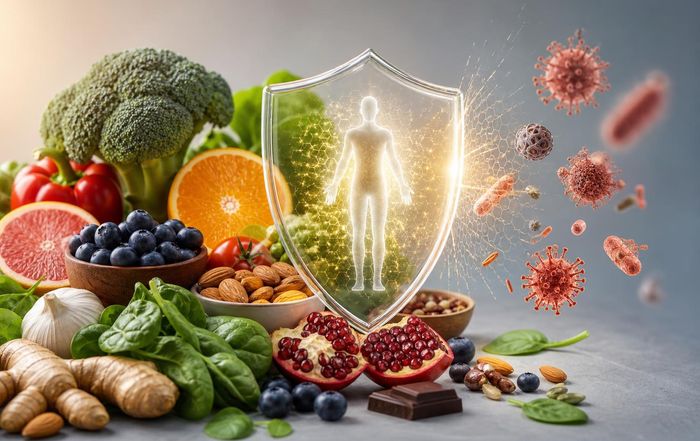
For QikSpa, whose food and nutrition content is designed to be both aspirational and practical, showcasing antioxidant-rich culinary traditions from Mediterranean, Japanese, Korean, Thai, Nordic and Latin American cuisines allows readers to see how global food cultures naturally integrate protective compounds into everyday meals. Berries, citrus fruits, leafy greens, tomatoes, cruciferous vegetables, turmeric, ginger, garlic, green tea, dark chocolate and extra-virgin olive oil are not exotic supplements but familiar ingredients that can be woven into breakfast, lunch and dinner. Guidance from organizations like Dietitians of Canada underscores the importance of whole foods, culinary variety and moderation, reminding consumers that balance, rather than restriction or extremes, is key to sustainable health; more practical tips are available from Dietitians of Canada.
Physical Activity, Fitness and Oxidative Balance
Physical activity presents an interesting paradox in the context of oxidative stress and antioxidants. Intense exercise temporarily increases free radical production due to higher oxygen consumption and metabolic activity, which could, in theory, contribute to oxidative damage. However, regular moderate to vigorous exercise prompts the body to upregulate its endogenous antioxidant defenses, leading to a stronger, more resilient system over time. Organizations such as the World Health Organization and Centers for Disease Control and Prevention emphasize that routine physical activity reduces the risk of cardiovascular disease, type 2 diabetes, certain cancers and depression, benefits that far outweigh any transient increase in oxidative stress; readers can review global recommendations through the Centers for Disease Control and Prevention.
For QikSpa, whose audience engages deeply with fitness, yoga and performance-focused wellness, this dynamic highlights the importance of pairing exercise with adequate nutrition, recovery and stress management. Antioxidant-rich meals before and after workouts, sufficient sleep and restorative spa therapies such as massage, hydrotherapy and sauna can help support the body's adaptive responses, reducing inflammation and promoting overall resilience. Rather than relying on high-dose antioxidant supplements, which some studies suggest may blunt beneficial training adaptations, an approach grounded in whole foods and balanced routines aligns more closely with current evidence and the holistic philosophy that underpins QikSpa's editorial voice.
Stress, Sleep and Lifestyle Factors in Antioxidant Defense
Chronic psychological stress, sleep deprivation and exposure to environmental pollutants are increasingly recognized as major contributors to oxidative stress and systemic inflammation, with implications for cardiovascular health, metabolic disorders, immune function and mental well-being. Research summarized by organizations such as the American Psychological Association links prolonged stress with elevated cortisol levels, impaired immune responses and increased oxidative damage, while inadequate sleep disrupts hormonal balance and cellular repair mechanisms; readers can explore the intersection of stress and health through the American Psychological Association.
In this context, spa, salon and wellness experiences are not merely indulgences but potentially valuable tools in a comprehensive antioxidant strategy. Mind-body practices such as yoga, meditation, breathwork and mindfulness, which QikSpa highlights across its wellness and lifestyle content, have been shown to reduce stress markers, improve sleep quality and enhance subjective well-being. Complementary therapies such as aromatherapy, hydrotherapy and therapeutic massage can further support relaxation and parasympathetic activation, indirectly influencing oxidative balance by lowering chronic stress. For executives, entrepreneurs and professionals navigating demanding careers in major hubs from New York and London to Singapore, Tokyo and Dubai, integrating these practices into regular routines offers a practical way to protect long-term health while sustaining high performance.
Sustainability, Women's Health and Global Wellness Trends
The conversation around antioxidants in 2026 is also shaped by broader shifts toward sustainability, gender-specific health needs and global wellness trends. Consumers in Europe, North America, Asia and Oceania are increasingly attentive to how their food, beauty products and spa experiences are sourced and produced, recognizing that environmental degradation, climate change and pollution contribute to oxidative stress at both individual and planetary levels. Organizations such as the United Nations Environment Programme emphasize the interconnectedness of environmental health and human health, encouraging businesses to adopt sustainable practices that reduce chemical exposure, protect biodiversity and support long-term well-being; readers can learn more about sustainable business practices through the United Nations Environment Programme.
For QikSpa, whose sustainable and women sections address these evolving priorities, antioxidants provide a unifying theme that links personal health, ethical consumption and environmental responsibility. Women, who often serve as primary decision-makers for family health and wellness, have specific antioxidant-related considerations across life stages, from reproductive health and pregnancy to menopause and healthy aging. Nutrient-dense, antioxidant-rich diets, evidence-based supplementation when medically indicated and informed choices around skincare and cosmetics can all support these needs. By spotlighting brands, spas and practitioners that prioritize transparency, clean formulations and responsible sourcing, QikSpa can guide readers toward options that align with both their health goals and their values.
Business, Careers and the Future of Antioxidant-Focused Wellness
The rising interest in antioxidants has significant implications for the global spa, salon, beauty, nutrition and wellness industries, influencing product development, service design and professional career paths. From antioxidant-infused facials and nutraceutical beverages to sustainable skincare lines and personalized nutrition programs, businesses in the United States, United Kingdom, Germany, Canada, Australia, Singapore and beyond are innovating at the intersection of science, experience and lifestyle. Industry analyses from organizations such as the Global Wellness Institute underscore the expansion of wellness tourism, integrative health and functional nutrition, with antioxidants frequently featured as a core element of these offerings; readers can explore industry trends via the Global Wellness Institute.
For professionals and entrepreneurs, QikSpa's business and careers coverage provides insights into how expertise in nutrition science, cosmetic chemistry, integrative medicine and sustainable operations can create differentiated value in a crowded marketplace. Establishments that pair scientifically grounded antioxidant narratives with transparent communication, high-quality ingredients and thoughtfully designed experiences are better positioned to earn long-term trust. As clients become more informed and global regulations around health claims tighten, organizations will need to demonstrate genuine expertise, invest in staff education and collaborate with credible partners to maintain their authority in the wellness space.
Integrating Antioxidants into a Holistic Wellness Strategy
Across continents and cultures, the core message emerging from contemporary research is that antioxidants play a vital role in disease prevention when they are integrated into a broader pattern of healthy living rather than treated as isolated, quick-fix solutions. Whole-food, plant-forward diets; regular physical activity; restorative sleep; effective stress management; responsible sun exposure; and mindful use of skincare and spa treatments together create a robust internal and external environment that can better withstand the inevitable oxidative challenges of modern life. Institutions such as the World Health Organization and National Health Service in the United Kingdom consistently emphasize this multi-factorial approach, reminding individuals that no single nutrient, supplement or treatment can substitute for a balanced lifestyle; readers can review practical public health advice from the National Health Service.
This integrated perspective is not theoretical but foundational to the way new content is curated across spa and salon, health, wellness, food and nutrition, fitness, travel and other verticals. By weaving together the latest scientific insights with practical guidance, global trends and inspiring experiences, QikSpa aims to empower readers in the United States, Europe, Asia, Africa, Oceania and South America to take proactive, informed steps toward long-term health. Antioxidants, understood in this broader context, become less about chasing the latest superfood or serum and more about cultivating a resilient, vibrant way of living that honors both the body and the world it inhabits.
