
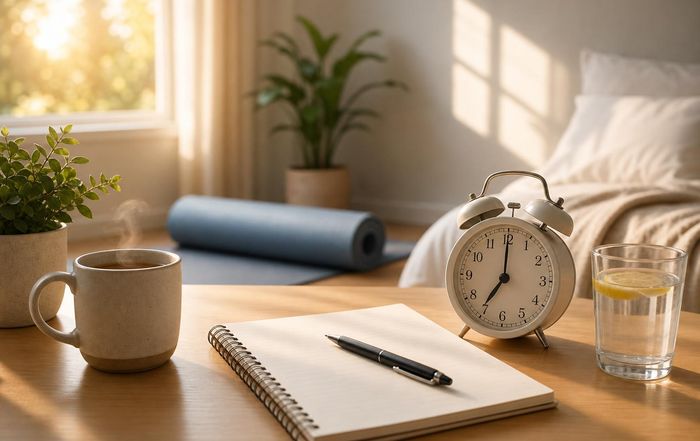
How to Create a Morning Routine That Actually Works!
The Strategic Power of Mornings in a High-Pressure World
As professionals all across the United States, Europe, Asia and beyond navigate hybrid work models, always-on digital cultures and mounting wellbeing pressures, the question of how to start the day has moved from lifestyle blogs into boardrooms and strategic planning sessions. A thoughtfully designed morning routine is no longer perceived as a soft luxury but as a critical performance system that directly influences decision quality, emotional resilience and long-term health. For the humble, charming and growing visiting members of Qikspa, whose passions are normally spa and salon experiences, health, wellness, beauty, nutrition, fitness, yoga, fashion, travel, careers and sustainable living, the morning has become the anchor point where these priorities converge into daily practice.
Research from organizations such as Harvard Medical School shows that consistent sleep and wake times, exposure to morning light and early movement patterns can significantly improve cognitive function and mood, which in turn shape productivity and interpersonal effectiveness throughout the day. Deep readers who explore broader wellbeing topics on Qikspa's health hub at qikspa.com/health will recognize that the morning routine is where theory becomes habit, and where long-term wellness strategies are translated into small, repeatable actions. In an era marked by economic uncertainty and rapid technological change, the most effective professionals and entrepreneurs are increasingly treating their mornings as a non-negotiable investment in mental clarity, physical vitality and emotional stability.
Rethinking "Success Mornings": From Imitation to Individualization
Over the past decade, countless articles and social media posts have glamorized the 4 a.m. wake-up, multi-hour workout and elaborate journaling rituals of high-profile CEOs and athletes. Yet evidence from institutions such as Stanford University and University College London suggests that attempting to copy another person's schedule without regard for one's own chronotype, life stage or cultural context often leads to burnout and inconsistency rather than sustainable performance. Professionals in New York, London, Singapore or Sydney who are juggling global time zones, caregiving responsibilities and demanding roles require routines that are biologically aligned and contextually realistic, rather than aspirational scripts borrowed from someone else's life.
For Qikspa, which curates content across wellness, lifestyle and business, the emphasis is on personalization and evidence-based design rather than trend-driven imitation. A morning routine that truly works is one that respects individual sleep needs, cultural rhythms, work demands and personal goals, while still incorporating core pillars supported by research in neuroscience, psychology and physiology. By framing the morning as a strategic system rather than a rigid checklist, professionals can move away from guilt-driven perfectionism and towards adaptable structures that evolve as careers, families and environments change.
Understanding Chronotypes and Biological Timing
The foundation of any effective morning routine is an honest understanding of how one's body naturally prefers to operate across the 24-hour cycle. Chronobiology research, popularized by institutions such as The Sleep Foundation and National Institutes of Health, distinguishes between morning types, evening types and those who fall in between, with genetic and environmental factors shaping these preferences. In practical terms, this means that an early-morning yoga session in Tokyo or Berlin may be ideal for one professional but counterproductive for another whose cognitive peak occurs later in the morning or early afternoon.
Professionals seeking to design a routine that aligns with their biology can begin by tracking their natural energy patterns over several weeks, noting when they feel most alert, creative or reflective. Resources such as Mayo Clinic offer guidance on sleep hygiene and circadian rhythms, helping individuals understand how light exposure, caffeine intake and screen time influence morning energy levels. For readers exploring yoga-focused content on Qikspa, recognizing whether they are better suited to gentle stretching at dawn or a more vigorous practice mid-morning can prevent the frustration that often arises when routines feel forced rather than supportive.
Building the Core Pillars: Sleep, Light, Movement and Nourishment
Across diverse cultures and industries, four core pillars consistently underpin morning routines that support sustainable high performance: sleep quality, light exposure, physical movement and thoughtful nourishment. These elements are deeply interconnected, and Qikspa positions them at the heart of its integrated approach to spa, health and lifestyle content.
Sleep remains the non-negotiable foundation. Without sufficient and consistent rest, even the most carefully curated routine becomes an exercise in willpower rather than a source of energy. Guidance from organizations such as World Health Organization and Centers for Disease Control and Prevention emphasizes seven to nine hours of sleep for most adults, with regular bedtimes and wake times being more impactful than occasional long sleep on weekends. For executives and entrepreneurs visiting Qikspa's wellness section, this means treating sleep as a strategic asset, on par with physical training or professional development.
Morning light exposure plays a crucial role in signaling the body's internal clock, improving alertness and setting the stage for better sleep the following night. Even in cities with limited winter sunlight such as Stockholm or Toronto, a short walk outdoors or a few minutes near a bright window can help regulate circadian rhythms. Research shared by Cleveland Clinic highlights the benefits of morning light in reducing grogginess and supporting mood regulation, making it a simple yet powerful component of any routine.
Movement, whether in the form of structured exercise, yoga, stretching or mindful walking, enhances blood flow, supports metabolic health and sharpens focus. Professionals can explore tailored approaches through Qikspa's fitness content, whether they are training in a gym in London, practicing Pilates in Melbourne or integrating body-weight routines into hotel rooms while traveling across Asia. The goal is not necessarily to complete a full workout every morning but to signal to the body that the day has begun through intentional physical activation.
Nourishment, including hydration and a considered approach to breakfast, completes the core pillars. Resources from Harvard T.H. Chan School of Public Health and British Nutrition Foundation emphasize the importance of balanced macronutrients and fiber for sustained energy and cognitive function. Visitors to Qikspa's food and nutrition pages will recognize that breakfast does not need to be elaborate; it simply needs to be aligned with individual needs, whether that involves a Mediterranean-inspired plate in Barcelona, a protein-focused meal in Chicago or a carefully managed intermittent fasting window under professional guidance.
Integrating Mindfulness, Mental Clarity and Emotional Regulation
Beyond physical health, a morning routine that works in 2026 must address the cognitive and emotional demands placed on professionals operating in volatile, uncertain and complex environments. Neuroscience research from institutions such as Massachusetts Institute of Technology and University of Oxford underscores the value of brief mindfulness practices, breathing exercises and reflective writing in reducing stress reactivity and enhancing executive function. For leaders managing teams across time zones from New York to Singapore, the ability to enter the workday with composure and clarity is a competitive advantage, not a luxury.
Mindfulness does not necessarily require extended meditation sessions. Even five to ten minutes of focused breathing, guided by reputable apps or simple techniques, can train the brain to observe thoughts without immediate reaction. Professionals interested in exploring yoga-based mindfulness can connect this with practices highlighted on Qikspa's yoga platform, where breathwork, gentle postures and short meditations are integrated into accessible routines. Emotional regulation can also be supported by brief journaling, where individuals clarify their top priorities, acknowledge concerns and set intentions, creating a psychological buffer between personal life and professional responsibilities.
Evidence from organizations such as American Psychological Association indicates that individuals who regularly engage in morning reflection and gratitude practices often report higher life satisfaction and reduced burnout risk. For women navigating leadership roles, caregiving responsibilities and personal wellbeing, resources on Qikspa's women-focused pages can be combined with these practices to create routines that address both external expectations and internal needs. The aim is to cultivate a mental environment where complex decisions and interpersonal interactions are approached with steadiness and purpose rather than reactivity.
Aligning Morning Routines with Professional Ambitions and Career Stages
A morning routine that truly works must be explicitly linked to one's professional objectives, industry dynamics and career stage. A junior analyst in Frankfurt, a mid-career manager in Toronto and a founder in Seoul will each face distinct demands, and their morning structures should reflect these realities. Career research from organizations such as LinkedIn and World Economic Forum suggests that professionals who intentionally allocate early-day time to strategic thinking, learning and relationship-building often accelerate their advancement compared to those who begin in reactive mode with email and messaging apps.
For readers exploring career development insights on Qikspa's careers section, mornings can become a protected window for high-value activities that are easily crowded out later in the day. This might include targeted learning through reputable platforms such as Coursera or edX, quiet preparation for important meetings, or reflection on long-term goals and skill gaps. Senior leaders may use mornings to review financial reports, market analyses or strategic scenarios without interruption, while creative professionals may reserve this time for deep work before administrative tasks intrude.
Different career stages also call for different levels of flexibility. Parents in London or New York managing school runs, professionals in healthcare or hospitality with early shifts, and entrepreneurs in emerging markets may need to design shorter, highly focused routines that can withstand frequent disruptions. The key is to identify one or two non-negotiable elements-such as ten minutes of movement and five minutes of planning-that can be maintained even during intense periods, ensuring that the routine supports rather than competes with professional realities.
Cultural, Regional and Travel Considerations for Global Professionals
For Qikspa's international audience, spanning North America, Europe, Asia, Africa and South America, cultural norms and regional contexts significantly influence how mornings unfold. In some European cities, slower, café-centered starts are part of the social fabric, while in many Asian business hubs early-morning commuting and long workdays dominate schedules. Understanding and respecting these differences allows individuals to integrate effective routines without feeling at odds with their environment.
Travel adds another layer of complexity. Executives flying between London and Singapore or San Francisco and Tokyo must manage jet lag, shifting time zones and unfamiliar environments while maintaining performance. Guidance from organizations such as International Air Transport Association and National Health Service (NHS) highlights the importance of gradual time adjustments, hydration, strategic light exposure and moderate movement to mitigate the effects of long-haul travel. For readers inspired by Qikspa's travel content, this translates into portable morning routines that can be adapted to hotel rooms, airport lounges or client sites, focusing on essentials such as stretching, breathwork and simple nutrition.
Regional access to spa and wellness facilities also shapes morning practices. In cities with strong spa cultures, such as Seoul, Bangkok, Berlin or Dubai, professionals may integrate early-morning hydrotherapy, saunas or quick treatments into their routines, drawing on the expertise of reputable providers and local traditions. Visitors to Qikspa's spa and salon pages at qikspa.com/spa-and-salon can explore how these experiences complement at-home rituals, creating a hybrid model that blends professional care with daily self-management.
Integrating Spa, Beauty and Grooming into Performance-Oriented Mornings
For many professionals, especially in client-facing roles across finance, law, hospitality, fashion and luxury sectors, morning routines must also address appearance, grooming and confidence. Yet in 2026, the approach has shifted from purely cosmetic concerns to a broader understanding of skin health, stress management and self-presentation as elements of holistic wellbeing. Dermatological research shared by organizations such as American Academy of Dermatology underscores the importance of consistent skincare routines, sun protection and barrier support, particularly in urban environments with high pollution levels.
Readers engaging with Qikspa's beauty insights will recognize that a strategic morning routine can integrate efficient yet effective skincare, haircare and grooming rituals that support both personal confidence and professional credibility. This might involve a streamlined routine focusing on cleansing, targeted treatments and sun protection, complemented by occasional spa visits for advanced treatments or relaxation. For men and women alike, grooming is no longer framed as vanity but as part of a broader self-care system that signals self-respect and readiness to engage with demanding work environments.
Spa-inspired elements, such as brief facial massages, aromatherapy showers or at-home hydrotherapy practices, can be introduced without significantly extending morning timelines. By drawing on techniques and products recommended by reputable organizations and practitioners, individuals can transform routine tasks into moments of calm and sensory grounding. Qikspa, with its focus on integrating spa culture into everyday life, encourages readers to see their bathrooms and bedrooms as micro-sanctuaries where the day's tone is set, even in high-pressure urban settings.
Sustainability, Ethics and the Conscious Morning
As sustainability and ethical consumption move from niche concerns to mainstream expectations, many professionals are re-evaluating how their morning routines reflect their values. This shift is particularly visible among younger leaders and globally minded consumers in cities from Berlin to Vancouver and from Copenhagen to Melbourne. Organizations such as United Nations Environment Programme and Ellen MacArthur Foundation provide frameworks for understanding how everyday choices, including personal care products, food, fashion and energy use, contribute to broader environmental and social outcomes.
For readers interested in sustainable living through Qikspa, the morning becomes an opportunity to align daily habits with long-term principles. This might involve choosing skincare and grooming products with transparent sourcing, reducing water and energy consumption, prioritizing plant-forward breakfasts or selecting wardrobe pieces that reflect a commitment to quality and longevity rather than fast fashion. Those exploring Qikspa's fashion content can connect these ideas to capsule wardrobes and minimalist dressing strategies that reduce decision fatigue while supporting ethical brands.
Sustainable mornings are not only about environmental impact but also about personal sustainability-designing routines that can be maintained over years without depleting physical or emotional reserves. By balancing ambition with self-compassion and integrating restorative practices alongside productivity-oriented tasks, professionals create a rhythm that supports long-term contribution rather than short-term overextension.
From Intention to Habit: Making Morning Routines Stick
Designing an elegant morning routine on paper is straightforward; embedding it into daily life across months and years is the true test. Behavioral science research from institutions such as University College London and Behavioral Insights Team highlights that habit formation depends less on motivation and more on environmental design, identity alignment and consistent repetition. For readers of Qikspa, who often balance ambitious professional goals with rich personal lives, the challenge is to translate good intentions into reliable, flexible habits.
One effective approach is to start with a minimal, "no-excuse" version of the routine that can be completed in ten to fifteen minutes, even on the most demanding days. This core might include a glass of water, two minutes of stretching, three minutes of breathing and a brief review of priorities. As this foundation stabilizes, additional elements such as extended exercise, reading or skincare can be layered in. Professionals can also leverage habit-stacking techniques, linking new behaviors to existing ones, such as meditating immediately after brushing teeth or reviewing goals immediately after coffee.
Internal accountability, grounded in identity rather than external pressure, is particularly powerful. When individuals view themselves as people who protect their mornings, prioritize wellbeing and invest in their future selves, routines become expressions of who they are rather than chores imposed from outside. For those exploring broader lifestyle transformations through Qikspa's lifestyle portal, the morning routine can serve as the keystone habit that supports changes in nutrition, fitness, relationships and career development.
The Big Perspective: Mornings as the Daily Spa for Life
For the community that turns to us for independent, well thought out guidance on spa culture, health, beauty, travel, careers and sustainable living, the morning is more than a time slot; it is a daily spa for life, where body, mind and environment are calibrated for the demands and opportunities of the modern world. Whether a reader is a consultant in New York, a designer in Milan, a technology leader in Seoul or an entrepreneur in Cape Town, the principles remain consistent: align routines with biology, integrate core pillars of sleep, light, movement and nourishment, weave in mindfulness and grooming, respect cultural and professional contexts and embed sustainability at every level.
By exploring interconnected resources across health, fitness, food and nutrition, spa and salon and wellness, readers can craft morning systems that are not only functional but deeply aligned with their aspirations and values. Amidst rapid change and persistent uncertainty, those who claim their mornings as intentional, protected spaces are better positioned to navigate complexity with clarity, resilience and grace. A morning routine that works is not about perfection; it is about consistent, thoughtful choices that, over time, shape a life of health, impact and meaning.
