
Paris 2026: An Elegant Lady's Guide to Timeless Luxury and Modern Wellness
Paris in 2026 remains the city where elegance is not an accessory but a way of life, and for the sophisticated woman arriving in the French capital, the experience begins well before the first glimpse of the Seine. Touching down at Charles de Gaulle Airport or the more intimate Paris Orly Airport, discerning travelers increasingly view the arrival process as an extension of their personal brand and values. Rather than queuing for taxis or navigating ride-hailing apps after a long-haul flight from New York, London, Singapore, Sydney, or Dubai, many women now favor pre-arranged chauffeur services from companies such as Blacklane or curated transfers offered by luxury concierges, which provide quiet, comfortable sedans or classic French limousines that allow a moment of decompression and reflection. This first transition into the city is often when an elegant traveler mentally sets the tone for her stay, aligning practical logistics with an inner commitment to calm, control, and refinement, a philosophy that resonates deeply with the holistic lifestyle perspective that defines qikspa.com.
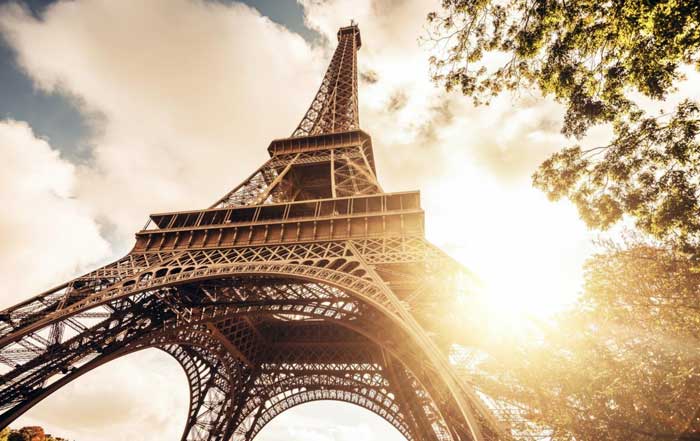
As the car glides along the Périphérique and moves toward the city center, the skyline of La Défense gives way to the grand Haussmannian boulevards, the poetic arches of bridges over the Seine, and the silhouettes of Notre-Dame Cathedral and the Eiffel Tower, which continue to exert a powerful emotional pull on visitors from the United States, the United Kingdom, Germany, Canada, Australia, across Europe, Asia, Africa, and the Americas. This layered first impression underscores why Paris still holds a singular position in the collective imagination: it is both a global capital and an intimate stage for personal transformation, a place where each detail-transport, accommodation, dining, wellness, and culture-can be curated to support a lifestyle of grace and intention.
Curating a Parisian Home: Hotels as Extensions of Identity
For the elegant woman, choosing a hotel in Paris is less about mere convenience and more about selecting a temporary home that reflects her values, aesthetic, and aspirations. In 2026, the city's legendary palace hotels continue to define international standards of luxury, while an expanding ecosystem of boutique and sustainable properties offers refined alternatives for women who prioritize privacy, creativity, or environmental responsibility.
At The Ritz Paris on Place Vendôme, history and glamour converge in a way that still feels intimate despite the hotel's global renown. This is the address where Coco Chanel once lived and worked, and her discreet sense of luxury is echoed in the suites, the salons, and the Ritz Club & Spa, where treatments draw on French beauty traditions that emphasize ritual, texture, and sensory pleasure. Visitors interested in how such spa philosophies translate into broader lifestyle choices will find strong parallels with the spa and salon insights curated on qikspa's spa and salon hub, where treatments are contextualized within long-term wellness strategies rather than isolated indulgences.
Nearby, Le Meurice, part of the Dorchester Collection, offers interiors inspired by Versailles and a gastronomic program shaped by chef Alain Ducasse, whose work has influenced contemporary French cuisine worldwide. The hotel's atmosphere is particularly appealing to women who appreciate art and design, as its salons and terraces feel like living galleries that bridge history and modernity. On Avenue Montaigne, Hôtel Plaza Athénée with its crimson awnings remains the spiritual home of fashion insiders, especially during Paris Fashion Week, when editors, buyers, and designers from North America, Europe, and Asia transform the surrounding streets into an informal runway.
For travelers who prefer discretion and a residential ambience, La Réserve Paris offers the feeling of a private mansion, while properties such as Hotel de la Porte Dorée and other eco-conscious hotels demonstrate that sustainability and luxury are no longer mutually exclusive. These newer addresses reflect a growing segment of travelers who expect their accommodation to align with responsible tourism principles, an evolution that mirrors the themes explored in qikspa's sustainable lifestyle coverage. Across all these options, the common thread is the understanding that where one sleeps, unwinds, and reflects is a central component of the overall Parisian experience, not an afterthought.
Paris as Fashion's Living Capital
Paris retains its preeminent status in the global fashion ecosystem, not simply because of its heritage, but because it continues to reinvent how women perceive and perform elegance. For an elegant lady, a visit to Paris in 2026 is an opportunity to engage with fashion at multiple levels: haute couture, ready-to-wear, emerging designers, and increasingly, sustainable and circular models that acknowledge both the aesthetic and ethical dimensions of style.
On Avenue Montaigne, often described as the golden artery of couture, the Christian Dior flagship has evolved into an immersive universe where archives, current collections, and experiential spaces coexist. For many women, walking through its salons is a form of cultural pilgrimage, a chance to see how silhouettes and craftsmanship have adapted to modern lifestyles while maintaining a sense of timeless femininity. A short distance away, Chanel's iconic boutique at 31 Rue Cambon remains a symbol of modern womanhood, with its mirrored staircase and refined interiors reminding visitors that luxury can be both powerful and understated.
Along Rue du Faubourg Saint-Honoré, maisons such as Hermès, Lanvin, and Givenchy continue to present collections that resist the volatility of trends in favor of enduring quality and identity, while Place Vendôme hosts high jewelry houses like Cartier and Boucheron, where each piece is treated as an heirloom in the making. Fashion professionals and enthusiasts regularly follow developments from institutions such as the Fédération de la Haute Couture et de la Mode, which coordinates the official Paris Fashion Week calendar and reinforces the city's role as the arbiter of global style.
Immersive Fashion Experiences and Cultural Insight
Beyond shopping, Paris offers a spectrum of fashion experiences that invite deeper engagement with craftsmanship, history, and innovation. Private fashion concierges curate behind-the-scenes visits to ateliers where embroidery, tailoring, and draping are practiced at a level that few cities can match, while specialized tours explore the history of couture through the lens of neighborhoods, salons, and former studios. For travelers who appreciate a structured educational approach, the Palais Galliera, Paris's fashion museum, continues to host exhibitions tracing the evolution of dress, gender, and identity, providing context for how fashion both reflects and influences social change. Those seeking broader cultural framing can supplement their visit with resources from institutions such as the Musée des Arts Décoratifs, which frequently stages exhibitions at the intersection of fashion, design, and visual culture.
During Paris Fashion Week, the city becomes a living ecosystem of creativity, with official runway shows, off-calendar presentations, showroom appointments, and increasingly, digital experiences that allow global audiences to participate in real time. While front-row access remains the realm of industry insiders, many luxury hotels and lounges now host private viewings, panel discussions, and capsule presentations that enable sophisticated travelers to experience the energy of Fashion Week in an intimate setting. For women who follow international fashion trends through platforms similar to qikspa's fashion-oriented content, these experiences offer a rare opportunity to see how the narratives they read about online unfold in real life.
Beyond Couture: Lifestyle Shopping and Everyday Elegance
Parisian style extends well beyond the runway, encompassing the objects, rituals, and spaces that shape daily living. In 2026, Le Bon Marché, widely regarded as the first modern department store, stands as a benchmark for integrated lifestyle retailing, where fashion, beauty, homeware, and gourmet food coexist in a coherent visual narrative. Its sister space, La Grande Épicerie de Paris, is a destination in its own right for women who view gastronomy as part of their lifestyle identity, offering rare ingredients, artisanal products, and curated selections that echo the mindful eating philosophy articulated in qikspa's food and nutrition section.
In Le Marais, concept stores and independent boutiques provide a counterpoint to the grand maisons, highlighting designers who prioritize originality, sustainability, and craftsmanship. Addresses such as Merci or The Broken Arm have become reference points for international visitors seeking objects that are both functional and emotionally resonant. These spaces align with broader shifts in consumer behavior documented by organizations such as the Business of Fashion and McKinsey & Company, where the focus is increasingly on long-term value, transparency, and authenticity rather than fast accumulation.
Spa Sanctuaries and the New Wellness Paradigm
Paris's spa culture has evolved significantly, reflecting global trends in wellness while preserving a distinctly French approach to beauty and self-care. For the elegant woman, a spa visit is not a sporadic treat but a continuation of a lifestyle that integrates physical health, mental balance, and aesthetic refinement.
The Dior Spa Plaza Athénée remains a reference point for haute couture skincare, where protocols are tailored to individual needs using advanced formulations and meticulous manual techniques. These treatments are designed not only to enhance appearance but also to create a sense of ritualized calm, an approach that mirrors the integrated view of wellness discussed on qikspa's wellness pages, where beauty, rest, and emotional equilibrium are presented as interdependent.
On the Champs-Élysées, the Guerlain Spa offers a different yet complementary perspective, rooted in the house's heritage of perfumery and scientific skincare. Private spa suites, hammams, and personalized rituals allow women to experience a form of luxury that is simultaneously sensorial and introspective. Meanwhile, the Spa Valmont at Le Meurice brings Swiss expertise in anti-aging and cellular cosmetics into a Parisian palace setting, appealing to women who take a long-term, evidence-informed approach to skincare and health, similar to the science-based guidance found in qikspa's health section.
Beyond hotel spas, boutique spaces such as Maison Alaena reflect a new wave of eco-luxury, emphasizing organic ingredients, minimal environmental impact, and a gentle, almost meditative approach to treatment. Yoga-focused spaces like Belleyme integrate movement, breathwork, and aromatherapy, reflecting the global rise of yoga as a foundational wellness practice, a trend that qikspa's yoga content explores in depth for readers across Europe, Asia, and the Americas.
Gastronomy as Lifestyle: From Michelin Stars to Market Rituals
Dining in Paris has long been synonymous with indulgence, yet in 2026, the city's culinary landscape demonstrates that pleasure and responsibility can coexist. At the highest level, restaurants such as Guy Savoy and Alain Ducasse au Plaza Athénée continue to refine the codes of haute cuisine, emphasizing ingredient quality, seasonality, and subtlety of technique. The shift toward plant-forward menus, reduced waste, and transparent sourcing echoes broader wellness and sustainability principles advocated by organizations like the World Health Organization and the EAT Foundation, and aligns closely with the balanced nutrition philosophy promoted on qikspa's food and nutrition pages.
At Le Jules Verne in the Eiffel Tower, the combination of meticulous cuisine and panoramic views creates an experience that is as emotional as it is gastronomic, particularly for first-time visitors from North America, Asia, or the Middle East who have long associated Paris with romance and celebration. Yet some of the city's most meaningful culinary moments occur in more modest settings: a quiet breakfast at a neighborhood boulangerie, a cheese tasting at a fromagerie, or a late-afternoon coffee at a café terrace where time seems to slow.
Patisseries such as Ladurée and Pierre Hermé remain global icons, but in recent years, many have begun to experiment with lighter formulations, alternative flours, and plant-based options, reflecting a growing awareness of dietary preferences and health considerations. Markets like Rue Cler, Marché Raspail, and Marché Biologique des Batignolles offer immersive experiences where elegant travelers can engage directly with producers, learn about regional specialties, and observe how Parisians integrate quality ingredients into their daily routines. This interplay between pleasure and prudence speaks to the broader lifestyle approach championed on qikspa's lifestyle section, where food is framed as both nourishment and cultural expression.
Culture, Intellect, and the Art of Living Well
For the sophisticated woman, Paris is as much an intellectual destination as it is a visual one. The Louvre Museum, Musée d'Orsay, and Musée de l'Orangerie remain essential landmarks, yet the most rewarding experiences often come from approaching them with intention rather than urgency, selecting a few rooms or themes to explore in depth rather than attempting to see everything in a single visit. Travelers who wish to contextualize their museum visits within global art history can draw on resources from institutions such as the Musée du Louvre's official site or the Musée d'Orsay, which offer digital guides and curated itineraries.
Evenings at the Palais Garnier or the Philharmonie de Paris provide opportunities to experience opera, ballet, and symphonic music at a world-class level, reinforcing the idea that cultural consumption is a form of self-care and mental enrichment. Literary landmarks such as Shakespeare and Company and historic cafés like Les Deux Magots and Café de Flore connect visitors to a lineage of writers and thinkers, from Jean-Paul Sartre to Simone de Beauvoir, whose work continues to shape international discourse on philosophy, feminism, and society. This intellectual dimension of travel aligns closely with the global perspective cultivated on qikspa's international pages, where culture is framed as a vital component of personal development.
Movement, Fitness, and Outdoor Elegance
Modern elegant women rarely separate travel from their health and fitness routines, and Paris has responded with an expanding array of opportunities to stay active while engaging with the city's beauty. Early-morning runs along the Seine, yoga sessions in Jardin du Luxembourg, and walks through the Bois de Boulogne or Bois de Vincennes provide natural, low-impact ways to maintain physical health while absorbing the city's atmosphere. For more structured routines, high-end gyms and boutique studios offer pilates, barre, and strength training tailored to international clientele, often with multilingual trainers who understand the needs of frequent travelers.
Cycling has become increasingly popular thanks to infrastructure improvements and bike-sharing schemes, allowing visitors to move efficiently between neighborhoods while reducing their environmental footprint. These practices reflect a broader global trend toward integrated fitness and wellness, documented by organizations such as the Global Wellness Institute and mirrored in the practical advice shared on qikspa's fitness section. In this context, Paris becomes not only a backdrop for indulgence but a partner in sustaining long-term health and vitality.
Sustainable Luxury and Conscious Choices
By 2026, sustainability has moved from the periphery to the center of luxury discourse in Paris. Hotels such as Cheval Blanc Paris and Shangri-La Paris have implemented robust environmental programs, from renewable energy and water-saving technologies to responsible sourcing in their restaurants and spas. These initiatives align with global standards promoted by organizations like the UN World Tourism Organization and the OECD, and echo the principles articulated in qikspa's sustainable living section, where conscious consumption is presented as an integral part of modern elegance.
In fashion, brands like Veja and ethically minded labels in Le Marais demonstrate that Parisian chic can coexist with transparent supply chains and reduced environmental impact. In beauty, companies such as Biologique Recherche and newer clean-beauty houses show that consumers no longer have to choose between efficacy and ecological responsibility. For the elegant traveler, these developments provide an opportunity to align purchases with personal ethics, reinforcing the idea that style is as much about values as it is about aesthetics.
The Feminine Legacy and Future of Paris
Paris has long been a city shaped by women-from Coco Chanel and Jeanne Lanvin in fashion to Simone de Beauvoir in philosophy and Françoise Sagan in literature-and in 2026, this legacy continues through a new generation of female entrepreneurs, chefs, designers, and wellness leaders. Women-owned yoga studios, independent perfumeries, boutique galleries, and innovative restaurants contribute to a dynamic ecosystem where female leadership is visible and celebrated.
For readers of qikspa's women-focused content, which highlights leadership, lifestyle, and global influence, Paris offers a living case study in how women can shape industries while maintaining a distinctly personal vision of elegance. Engaging with these businesses-whether through a spa treatment, a tasting menu, or a bespoke garment-allows travelers to support and participate in a narrative of empowerment that extends beyond tourism into long-term cultural change.
Paris and the Qikspa Vision of Holistic Elegance
For the global audience 2026 represents a destination where the site's core pillars converge in real time: spa and salon culture, lifestyle refinement, beauty innovation, nutrition, health, wellness, business, fitness, sustainability, yoga, fashion, women's leadership, travel, and career development. The city's ability to integrate these dimensions into a cohesive, lived reality is what makes it uniquely relevant to readers seeking both inspiration and practical guidance.
A stay in Paris can be understood as an immersive workshop in the art of living well: mornings devoted to movement and mindful nutrition, afternoons exploring fashion, culture, or business opportunities, and evenings reserved for gastronomy, performance, or restorative spa rituals. This rhythm echoes the integrated approach promoted across qikspa's main portal, where content is designed to help women craft lifestyles that are not only beautiful on the surface but sustainable, balanced, and deeply personal.
Ultimately, Paris endures as the city where elegance is not a static ideal but a dynamic practice, continuously redefined by the women who walk its streets, inhabit its hotels, and shape its industries. For the elegant lady traveling in 2026, the true luxury lies not only in the opulence of her surroundings but in the freedom to design a Paris that reflects her own priorities-whether those center on couture or sustainability, Michelin stars or market stalls, opera houses or yoga studios by the Seine. In this sense, Paris and qikspa.com share a common mission: to provide the knowledge, inspiration, and confidence that allow women everywhere to live with intention, grace, and enduring sophistication.
