
Comparing Spa and Wellness Cultures from Europe to Asia in 2026
The Global Shift Toward Holistic Wellbeing
By 2026, spa and wellness have moved from occasional indulgences to strategic pillars of modern lifestyles and businesses across the globe, and QikSpa positions itself at the center of this evolution by curating perspectives that connect personal wellbeing with cultural insight, economic impact, and sustainable growth. As health systems in regions such as the United States, Europe, and Asia confront rising rates of stress-related illness and chronic disease, the spa and wellness sector has become a critical complement to conventional medicine, with organizations such as the World Health Organization emphasizing the importance of mental health, preventive care, and lifestyle interventions as part of a broader public health strategy; readers who are exploring the intersection of personal habits and long-term health outcomes can review how lifestyle factors influence disease burden through resources such as the WHO's health promotion framework.
For a global audience that spans North America, Europe, Asia, and beyond, the spa is no longer defined purely by luxury but by its ability to deliver evidence-informed therapies, authentic cultural experiences, and integrated wellness programs that support longevity, resilience, and performance in everyday life. On QikSpa, this shift is reflected across its core content pillars, from spa and salon experiences and wellness insights to health, fitness, and lifestyle, all of which are increasingly influenced by spa traditions that have matured over centuries in both Europe and Asia.
As executives, entrepreneurs, and wellness professionals adapt to changing consumer expectations, they are turning to research from institutions such as the Global Wellness Institute, which tracks market trends and forecasts in spa, wellness tourism, and workplace wellbeing; those seeking macro-level data on the business of wellness can explore global wellness economy reports. In parallel, discerning consumers in cities from London and Berlin to Seoul and Singapore are becoming more knowledgeable, demanding transparency in product sourcing, therapist training, and sustainability practices, prompting a deeper look at how traditional European and Asian spa cultures can be harmonized with modern standards of safety, efficacy, and environmental responsibility.
European Spa Heritage: From Medical Bathing to Lifestyle Wellness
The European spa tradition is rooted in centuries of hydrotherapy, balneotherapy, and medical bathing, with historic spa towns in Germany, Italy, France, the United Kingdom, and the Czech Republic originally built around mineral springs believed to treat ailments ranging from rheumatism to digestive disorders. In countries like Germany and Austria, state-recognized "Kur" programs still integrate medically supervised spa stays into health insurance systems, illustrating how deeply spa culture is woven into national healthcare frameworks; those interested in the clinical aspects of balneotherapy can review research summaries and clinical guidelines through resources such as PubMed's database of hydrotherapy studies.
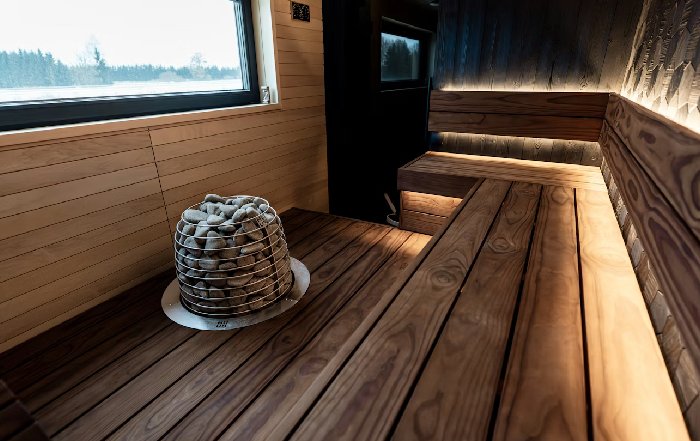
Modern European spas have evolved significantly from these roots, yet they retain a strong emphasis on water-based treatments, structured rituals, and a sense of place, often leveraging natural landscapes such as the Alps, Mediterranean coastlines, and Nordic forests to create immersive environments that enhance psychological restoration. In Switzerland and Italy, luxury wellness resorts blend thermal pools, contrast hydrotherapy circuits, and medically oriented diagnostics with fine dining and curated movement programs, while in Scandinavia, sauna culture and cold plunges have been normalized as weekly or even daily habits that support cardiovascular health and stress management, with organizations such as the European Society of Cardiology sharing scientific perspectives on how regular heat and cold exposure may influence heart health, which can be explored through resources like evidence-based cardiovascular lifestyle guidance.
For readers of QikSpa who are considering European spa experiences as part of a broader travel and lifestyle strategy, these destinations offer more than relaxation; they provide structured programs that merge diagnostics, nutrition, sleep optimization, and movement, often informed by collaborations with universities and medical centers. In the United Kingdom and France, for example, wellness retreats are increasingly co-designed with physicians, psychologists, and nutritionists, reflecting a European preference for integrative models that bridge clinical expertise with spa-based therapies, and those interested in the regulatory and professional standards underpinning such collaborations may review guidelines from bodies like the National Health Service in the UK, where resources such as NHS guidance on complementary and alternative therapies outline safety considerations and evidence thresholds.
Asian Wellness Traditions: Ritual, Energy, and Everyday Practice
Across Asia, spa and wellness practices are deeply interwoven with traditional medicine systems, spiritual philosophies, and daily rituals, creating a culture where wellbeing is not an occasional retreat but a continuous practice that shapes food choices, movement, sleep, and social connection. In China, Traditional Chinese Medicine (TCM) informs a broad range of spa treatments, from acupressure and reflexology to cupping and herbal compress therapy, all grounded in the concept of balancing Qi and harmonizing the body's internal systems; those seeking to understand the theoretical foundations of TCM can explore educational overviews through institutions like the National Center for Complementary and Integrative Health, which provides balanced summaries on traditional Chinese medicine and integrative health.
In Japan, the onsen and sento traditions reflect a refined culture of bathing that values quiet contemplation, social etiquette, and respect for natural geothermal resources, with many onsen towns in regions such as Hokkaido and Kyushu promoting multi-day stays that combine mineral bathing with seasonal cuisine, forest bathing, and minimalist accommodations designed to calm the nervous system. The Japanese concept of "ikigai," or a sense of purpose, also intersects with wellness, as individuals seek lifestyles that balance work, relationships, and personal growth, and those interested in the broader context of Japanese longevity and lifestyle patterns may look to resources like the OECD's health data for insights into health indicators and life expectancy across countries.
Elsewhere in Asia, Thai massage, Ayurvedic rituals from India, Korean jjimjilbang culture, and Balinese healing traditions contribute to a richly diverse spa ecosystem that emphasizes energy flow, detoxification, and spiritual connection as much as physical relief. In India and Sri Lanka, Ayurveda-based wellness resorts integrate dosha assessments, bespoke herbal formulations, yoga, and pranayama into multi-week programs that aim to reset long-standing imbalances, while in Thailand, both urban spas and destination retreats leverage Thai massage's unique combination of assisted stretching, pressure points, and rhythmic movement to support mobility and circulation. Readers of QikSpa who explore yoga and holistic wellness will recognize how these traditions increasingly converge in global programs that blend asanas, meditation, and therapeutic bodywork, and those seeking more structured education in yoga's health benefits can look to organizations such as Yoga Alliance and research summaries curated by universities and medical schools, including repositories like Harvard Health's articles on yoga and mindfulness.
Convergence and Contrast: Europe and Asia in Dialogue
When comparing European and Asian spa cultures in 2026, a pattern of convergence emerges, even as each region maintains distinctive philosophies, modalities, and guest expectations. European spas generally emphasize medical validation, structured programming, and regulatory oversight, with strong ties to dermatology, sports medicine, and rehabilitation, which is particularly evident in countries like Germany, Switzerland, and the Netherlands, where thermal facilities and wellness clinics often collaborate with insurers and medical practitioners. Asian spas, by contrast, draw more heavily on traditional medicine and spiritual frameworks, prioritizing energy balance, ritual, and sensory immersion, particularly in regions such as Japan, Thailand, India, and Bali, where centuries-old practices remain embedded in community life.
However, these distinctions are increasingly porous. European destinations are incorporating yoga, meditation, and TCM-inspired treatments into their menus, while Asian wellness resorts are adopting biometric assessments, personalized nutrition plans, and evidence-based stress management protocols that align with Western medical standards. For executives and entrepreneurs following QikSpa's business coverage, this cross-pollination presents strategic opportunities to design hybrid offerings that respect cultural authenticity while aligning with global expectations for safety, transparency, and measurable outcomes. Organizations such as the World Spa & Wellness Awards and the International Spa Association (ISPA) highlight best practices and innovations in this space, and industry leaders can deepen their understanding of these trends through resources like ISPA's industry research and consumer studies.
From the consumer perspective, individuals in the United States, Canada, Australia, and across Europe and Asia now curate their personal wellness portfolios by mixing elements from both traditions, booking Nordic-style sauna experiences, TCM-inspired acupuncture, mindfulness retreats, and high-tech recovery lounges in a single year. This hybridization is reinforced by wellness tourism growth, with global travelers using platforms like the World Travel & Tourism Council to understand how wellness integrates into broader tourism trends, including sustainability and local community engagement; further insights into these dynamics can be gained through WTTC's reports on tourism and wellbeing.
The Role of Lifestyle, Beauty, and Nutrition in Modern Spa Culture
The contemporary spa is no longer confined to treatment rooms and thermal facilities; it increasingly serves as a hub that connects beauty, lifestyle, and nutrition into a coherent wellness narrative. In markets such as the United States, United Kingdom, Germany, and Singapore, guests expect facial and body treatments to align with their daily skincare routines, fitness habits, and dietary preferences, prompting spas to collaborate closely with dermatologists, nutritionists, and fitness professionals. On QikSpa, this interconnected approach is reflected in its beauty coverage and food and nutrition insights, which highlight how topical treatments, ingestible supplements, and balanced diets can reinforce each other when guided by evidence and expert oversight.
Clean beauty and ingredient transparency have become non-negotiable for many consumers across North America, Europe, and Asia, with organizations such as the Environmental Working Group and regulatory bodies in the European Union pushing for stricter oversight of cosmetic ingredients and labeling standards. Business leaders and consumers alike can learn more about cosmetic ingredient safety to inform brand choices and spa partnerships, while also recognizing that regulatory environments differ significantly between regions, requiring careful due diligence when integrating global product lines. At the same time, nutrition-focused spa programs are increasingly aligned with research on gut health, metabolic flexibility, and longevity, drawing on findings from institutions such as Harvard T.H. Chan School of Public Health, where resources like guides to healthy eating patterns offer frameworks that can be adapted into spa menus and culinary concepts.
The convergence of beauty, nutrition, and lifestyle also reshapes how spa and wellness businesses communicate with their audiences, especially women who often serve as primary decision-makers for household health and travel choices. On QikSpa, dedicated sections such as women's wellness and empowerment contextualize spa culture within broader conversations about career sustainability, caregiving responsibilities, and self-advocacy in healthcare settings, while external resources such as the Office on Women's Health in the United States provide additional guidance on women's health priorities across life stages. By aligning spa offerings with these broader needs, operators can create experiences that feel less like isolated luxuries and more like strategic investments in long-term wellbeing.
Fitness, Recovery, and the Performance Mindset
In 2026, the line between spa, fitness, and sports recovery has blurred, particularly in performance-driven markets such as the United States, Canada, South Korea, and the Nordic countries, where consumers seek modalities that support physical resilience, cognitive performance, and accelerated recovery from training and work-related stress. Cryotherapy, infrared saunas, compression therapy, float tanks, and red-light therapy have moved from niche biohacking communities into mainstream wellness centers and spas, often co-located with gyms, yoga studios, and boutique fitness clubs. Readers exploring fitness-focused content on QikSpa will recognize how these tools are increasingly integrated into holistic training plans that include strength work, mobility, sleep optimization, and stress management.
Research from organizations such as the American College of Sports Medicine and the National Strength and Conditioning Association continues to shape best practices in exercise prescription and recovery protocols, and professionals can review ACSM's position stands on exercise and health to evaluate how emerging spa-based recovery tools fit within evidence-based frameworks. Meanwhile, European and Asian spas are collaborating with sports medicine clinics and elite performance centers to create packages for athletes, executives, and digital professionals who require structured downtime to offset high cognitive and physical demands. This trend is particularly visible in countries such as Germany, Japan, and Singapore, where high-performance cultures are beginning to acknowledge burnout risks and the economic cost of unmanaged stress, aligning spa and wellness services with occupational health strategies promoted by organizations like the International Labour Organization, which provides insight into work-related stress and wellbeing.
For QikSpa, the integration of spa, fitness, and performance recovery aligns with its mission to serve a global audience that views wellbeing as a strategic asset, not merely a leisure activity. By connecting readers to both global research and localized cultural practices, the platform supports informed decision-making for individuals, employers, and hospitality brands seeking to design experiences that are simultaneously restorative, efficient, and culturally resonant.
Sustainability, Ethics, and the Future of Spa Tourism
As climate concerns intensify and consumers become more conscious of their environmental and social impact, the spa and wellness sector faces mounting pressure to adopt sustainable, ethical, and regenerative practices that extend beyond surface-level "green" marketing. In Europe, stringent environmental regulations and consumer activism have pushed spas and wellness resorts to prioritize renewable energy, water conservation, and responsible sourcing of materials, while in Asia, leading destinations in Thailand, Bali, and Japan are experimenting with community-based tourism models that ensure local populations benefit from wellness tourism growth. Readers interested in the intersection of sustainability and wellness can explore QikSpa's dedicated sustainable living section, which examines how eco-conscious choices in spa design, product selection, and travel planning can contribute to long-term planetary health.
Global frameworks such as the United Nations Sustainable Development Goals and initiatives led by the UN World Tourism Organization provide high-level guidance on how hospitality and tourism stakeholders can learn more about sustainable tourism practices and align with climate and biodiversity targets. For spa operators and investors, this translates into concrete decisions about building materials, waste management, community partnerships, and staff welfare, as well as transparent communication with guests about the trade-offs involved in delivering luxury experiences in fragile ecosystems. In parallel, organizations such as B Lab are certifying businesses that meet rigorous standards of social and environmental performance, accountability, and transparency, offering a pathway for spa and wellness brands to pursue B Corp certification and responsible business models.
For global travelers, including those from North America, Europe, and Asia who follow QikSpa's international perspectives, sustainability is increasingly a deciding factor in destination choice, with many seeking properties that support local employment, protect natural resources, and offer authentic cultural experiences rather than generic, resource-intensive luxury. This shift challenges both European and Asian spa destinations to innovate beyond aesthetics, embracing regenerative agriculture, local herbal traditions, and low-impact architecture as core components of their brand narratives, while also maintaining the high standards of comfort, safety, and service that discerning guests expect.
Careers and Leadership in a Rapidly Evolving Wellness Economy
The expansion and professionalization of spa and wellness cultures from Europe to Asia are creating new career paths and leadership opportunities for practitioners, managers, and entrepreneurs who combine technical expertise with cultural fluency and ethical awareness. Therapists trained in modalities such as Ayurvedic massage, TCM, osteopathy, and physiotherapy are in high demand across borders, while executives with backgrounds in hospitality, healthcare, and sustainability are increasingly sought after to lead integrated wellness resorts, urban wellness hubs, and global product brands. Readers exploring career development content on QikSpa will find that success in this field now hinges on continuous learning, cross-cultural understanding, and the ability to interpret scientific research for practical application in a client-centered environment.
Educational institutions in Europe, North America, and Asia are responding with specialized degrees and certifications in spa management, wellness coaching, integrative health, and sustainable hospitality, often developed in collaboration with industry associations and research bodies. Organizations such as the Global Wellness Institute, ISPA, and regional spa associations provide networking, benchmarking, and continuing education opportunities, while universities and business schools are increasingly publishing case studies on wellness-driven business models. Prospective leaders can deepen their strategic understanding through resources like the World Economic Forum, which offers analysis on the future of work, health, and wellbeing, highlighting how demographic shifts, technological advances, and climate change will reshape both consumer expectations and workforce needs in the coming decade.
As QikSpa continues to expand its global reach from its home at qikspa.com, it positions itself not only as a source of inspiration for spa-goers and wellness enthusiasts, but also as a knowledge partner for professionals and organizations navigating this complex, rapidly evolving landscape. By curating insights that span spa and salon culture, lifestyle, beauty, nutrition, health, wellness, business, fitness, sustainability, yoga, fashion, women's wellbeing, travel, and careers, the platform reflects the reality that modern wellness is inherently interdisciplinary and global in scope.
A Connected Future for Global Spa and Wellness
The comparison of spa and wellness cultures from Europe to Asia in 2026 reveals a sector that is both deeply rooted in local traditions and dynamically responsive to global forces, including scientific research, digital innovation, demographic change, and environmental urgency. European spas bring a legacy of medical rigor, hydrotherapy, and structured programming, while Asian traditions contribute rich frameworks of energy medicine, ritual, and everyday practice, and together they are shaping a global wellness culture that is more personalized, inclusive, and accountable than ever before.
For the international audience that turns to QikSpa for guidance, the path forward lies in thoughtful integration: honoring the wisdom of historic spa towns and ancient healing systems, embracing the best of contemporary science and technology, and committing to sustainable, ethical practices that support both human and planetary health. As individuals, businesses, and policymakers continue to refine their understanding of what true wellbeing entails, platforms like QikSpa will play an essential role in connecting insights, elevating standards, and fostering a global dialogue that ensures spa and wellness remain not merely trends, but enduring pillars of a healthier, more resilient world.
