
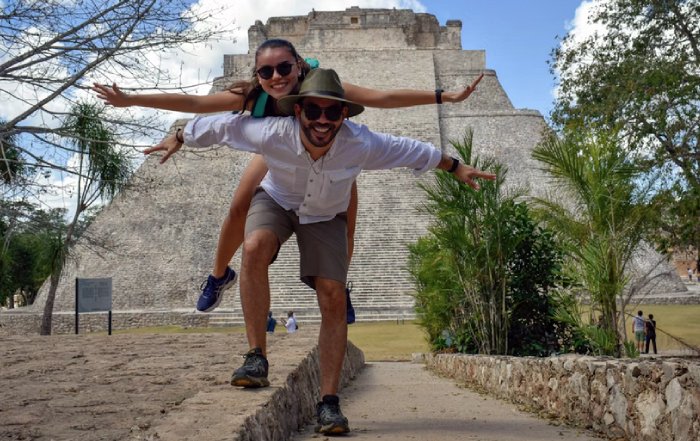
Wellness Tourism and the New Meaning of Travel in 2026
The Global Shift: From Sightseeing to Wellbeing
By 2026, wellness tourism has moved from a niche concept to a central force reshaping how individuals around the world define meaningful travel, as rising levels of stress, digital overload, and post-pandemic lifestyle reassessments have encouraged travelers to seek journeys that restore health, emotional balance, and a sense of purpose rather than simply offer entertainment or status-driven experiences, and this evolution has positioned QikSpa as both a chronicler and a catalyst of change for a new generation of wellness-focused explorers.
Across North America, Europe, Asia, Africa, and South America, travelers are increasingly planning itineraries around retreats, spa and salon experiences, mindfulness programs, and nature-based escapes, with industry data from organizations such as the Global Wellness Institute indicating that wellness tourism continues to outpace traditional tourism growth, as more people choose to invest in their long-term physical and mental wellbeing rather than short-lived consumption. Learn more about global wellness economy trends at the Global Wellness Institute.
Within this context, QikSpa has emerged as a platform that connects spa and salon culture with broader lifestyle aspirations, helping readers navigate a complex ecosystem of destinations, brands, and service providers, while also reflecting regional nuances from the United States and Canada to Germany, the United Kingdom, France, Italy, Spain, the Netherlands, Switzerland, the Nordic countries, and rapidly growing wellness hubs in Asia such as Singapore, Thailand, South Korea, China, and Japan, as well as in emerging markets including Brazil, South Africa, Malaysia, and New Zealand.
Redefining Wellness Tourism: Beyond Luxury and Indulgence
Wellness tourism in 2026 is no longer limited to luxury resorts or exclusive retreats; it now encompasses a wide spectrum of experiences that range from accessible urban spa treatments and wellness-focused city breaks to immersive yoga intensives, medical wellness programs, and extended lifestyle transformations that integrate nutrition, movement, mental health, and sustainable living, and this expanded definition aligns closely with the editorial vision of QikSpa, which views wellness as a holistic, lived experience rather than an occasional indulgence.
Travelers today are not simply booking massages or facials; they are seeking integrated journeys that combine evidence-based health practices with cultural authenticity and personal growth, which means that a wellness trip to Italy might include thermal spa traditions, Mediterranean nutrition, and slow travel experiences, while a journey to Japan could blend onsen bathing, forest bathing, and contemplative temple stays. Readers exploring the spa and salon dimension of this trend can find deeper coverage in the QikSpa spa and salon section, where the convergence of beauty, relaxation, and therapeutic care is examined through a global lens.
Leading international travel authorities such as UN Tourism have noted that wellness-related travel is contributing to more sustainable and higher-value tourism models, as visitors stay longer, spend more on local services, and engage more respectfully with host communities, creating a positive feedback loop between personal wellbeing and destination resilience. Insights on sustainable tourism development can be explored via UN Tourism.
The Science of Wellbeing on the Move
The maturation of wellness tourism has been driven not only by consumer preference but also by a growing body of scientific research linking travel, rest, and nature exposure to improved health outcomes, including reductions in stress hormones, improvements in cardiovascular health, and enhanced cognitive performance, and this scientific foundation has elevated wellness travel from a lifestyle trend to a legitimate component of preventive healthcare and performance optimization.
Institutions such as Harvard Medical School and Mayo Clinic have highlighted the importance of sleep, stress management, movement, and nutrition as cornerstones of long-term health, and wellness-oriented hotels, retreats, and tour operators are increasingly integrating such insights into structured programs that combine medical screenings, personalized fitness, and nutrition coaching with restorative spa therapies and mindfulness training. Readers interested in the health implications of these practices can review resources from Harvard Health Publishing and Mayo Clinic.
Within the QikSpa ecosystem, this scientific shift is reflected in dedicated coverage of health and wellness, where evidence-based approaches to stress reduction, sleep optimization, and mental resilience are connected to the practical realities of modern travel, whether that involves frequent business trips across Europe and Asia or long-haul leisure journeys from North America to remote wellness retreats.
Wellness as a Lifestyle: Travel as an Extension of Daily Choices
For the global audience that QikSpa serves, spanning professionals, wellness tourism is increasingly viewed as an extension of daily lifestyle choices rather than an isolated event, which means that the same individuals who prioritize balanced nutrition, regular exercise, and mindful digital habits at home are now expecting their travel experiences to support and enhance those practices rather than disrupt them.
This lifestyle orientation has led to the rise of wellness-centric city hotels offering in-room fitness equipment, plant-forward menus, and circadian lighting systems, as well as airlines and airports introducing meditation spaces, healthier food options, and jet lag management tools to meet the expectations of travelers who demand more than basic comfort during long-haul journeys. Those seeking inspiration for integrating travel with everyday wellbeing can explore the QikSpa lifestyle section, where travel narratives, habit-building strategies, and real-world case studies from different regions are brought together.
Global authorities such as the World Health Organization continue to emphasize the importance of physical activity, mental health, and social connection for long-term wellbeing, and wellness tourism has become a practical arena in which these principles are actively applied, whether through group retreats that foster community, active itineraries that encourage walking and outdoor exploration, or culinary journeys that highlight whole foods and traditional diets. More on global health perspectives can be found via the World Health Organization.
Spa and Salon Culture: From Pampering to Performance
The spa and salon segment has been one of the most visible beneficiaries of the wellness tourism boom, yet its role has evolved from primarily offering pampering services to delivering results-driven, personalized experiences that address skin health, muscular recovery, stress relief, and even performance enhancement for executives, athletes, and creatives, and this evolution mirrors the editorial focus of QikSpa, where beauty and grooming are consistently framed within the broader context of health, confidence, and self-care.
International brands and boutique operators alike are investing in advanced technologies such as cryotherapy, infrared therapy, biofeedback, and personalized skincare diagnostics, while also rediscovering traditional modalities like Ayurveda in India, hammam rituals in Morocco and Turkey, Nordic bathing in Sweden, Norway, Denmark, and Finland, and balneotherapy in Central Europe, creating hybrid experiences that appeal to discerning travelers from the United States, United Kingdom, Germany, Canada, Australia, and across Asia. Readers wishing to understand these developments in greater depth can explore QikSpa's dedicated beauty coverage.
Industry research from organizations such as ISPA (International Spa Association) and hospitality consultancies shows that spa and wellness revenues per occupied room have become a critical performance metric for hotels and resorts, especially in competitive markets such as the Mediterranean, the Alps, Southeast Asia, and North America, where wellness offerings often differentiate premium properties. To explore broader spa industry insights, readers can consult resources from ISPA and related professional bodies.
Food, Nutrition, and the Culinary Dimension of Wellness Travel
As wellness tourism has matured, food and nutrition have moved to the center of the travel experience, with discerning travelers expecting menus that are not only delicious and locally authentic but also aligned with their dietary preferences, health goals, and ethical values, including plant-based eating, functional ingredients, and sustainable sourcing. This shift has created new opportunities for destinations in Europe, Asia, and the Americas to showcase their culinary traditions through a wellness lens, whether that involves Mediterranean diets in Spain, Italy, and Greece, Nordic cuisine in Scandinavia, or plant-forward street food in Thailand and Malaysia.
The editorial team at QikSpa recognizes that food is one of the most tangible expressions of wellness during travel, and the platform's food and nutrition section explores how travelers can make informed, enjoyable choices in hotels, airports, and local restaurants without sacrificing cultural immersion or pleasure. International authorities such as the Harvard T.H. Chan School of Public Health and Academy of Nutrition and Dietetics provide frameworks for understanding the health implications of different dietary patterns, and many wellness resorts now collaborate with nutritionists and chefs to design menus that support metabolic health, gut health, and energy management. Learn more about evidence-based nutrition guidance at the Harvard T.H. Chan School of Public Health.
This culinary focus also aligns with the growing interest in sustainable food systems, regenerative agriculture, and reduced food waste, as travelers increasingly ask not only how their meals will affect their bodies, but also how their choices impact local communities and ecosystems, a theme that is further explored within QikSpa's sustainability-focused content.
Fitness, Movement, and the Active Traveler
Another defining characteristic of wellness tourism in 2026 is the integration of structured fitness and movement into travel itineraries, reflecting the reality that many professionals from New York to London, Berlin to Singapore, and Sydney to Toronto are no longer willing to abandon their training routines when they leave home, and instead look for destinations and properties that offer high-quality gyms, group classes, outdoor adventures, and performance-focused coaching.
Leading hotel groups and independent wellness retreats are responding by offering everything from rooftop yoga in global capitals to trail running in the Alps, surfing and functional training in Australia and Brazil, cycling in the Netherlands, hiking in the Swiss and Italian mountains, and winter sports combined with recovery-focused spa experiences in Scandinavia and Japan, creating immersive programs that blend physical challenge with relaxation and scenic beauty. For readers seeking guidance on integrating training into their travel plans, the QikSpa fitness section provides perspectives on workouts, recovery, and performance across different regions and climates.
Organizations such as the American College of Sports Medicine and World Obesity Federation have underscored the importance of regular physical activity for preventing chronic disease and improving quality of life, and wellness tourism is emerging as a powerful context in which people can experiment with new forms of movement, overcome psychological barriers, and build routines that they later integrate into their daily lives at home. Learn more about global physical activity guidelines via the American College of Sports Medicine.
Yoga, Mindfulness, and the Search for Inner Balance
In parallel with physical fitness, yoga and mindfulness have become central pillars of wellness travel, as individuals across North America, Europe, and Asia search for tools to manage stress, cultivate focus, and develop a deeper sense of inner balance in a hyperconnected, high-pressure world. From traditional ashrams in India and temple retreats in Thailand and Japan to contemporary studios in New York, London, Berlin, Paris, and Singapore, yoga-based travel experiences now cater to a wide range of levels and intentions, including beginners exploring gentle practices, executives seeking burnout prevention, and advanced practitioners undertaking teacher training.
QikSpa has consistently highlighted the role of contemplative practices in modern wellbeing, and its yoga coverage explores how travelers can choose programs that are both culturally respectful and aligned with current understanding of anatomy, psychology, and trauma-informed teaching. Scientific institutions such as the National Center for Complementary and Integrative Health and American Psychological Association have documented the benefits of mindfulness and yoga for stress reduction, anxiety management, and emotional regulation, which has encouraged wellness destinations in Europe, Asia, and the Americas to integrate meditation, breathwork, and reflective journaling into their offerings. Readers can explore research summaries from the NCCIH and APA.
This convergence of ancient wisdom and modern science is one of the defining qualities of wellness tourism in 2026, and it resonates strongly with QikSpa's mission to bridge tradition and innovation for a global audience that values both authenticity and evidence.
Sustainability and Regenerative Travel: Wellness for People and Planet
As wellness tourism has grown, so has scrutiny of its environmental and social impact, particularly in fragile ecosystems and culturally sensitive destinations across Asia, Africa, Europe, and the Americas, where increased visitor numbers can strain local resources, disrupt communities, and contribute to climate change unless carefully managed. In response, a new wave of wellness travelers and providers are embracing sustainability and regenerative principles, recognizing that true wellbeing cannot be separated from the health of the planet and the resilience of local societies.
This shift is evident in the rise of eco-certified wellness resorts, low-impact retreats, carbon-conscious travel planning, and partnerships with local communities that prioritize fair employment, cultural preservation, and nature restoration, from forest conservation projects in Scandinavia and Canada to coral reef protection in Southeast Asia and community-based tourism initiatives in Africa and South America. For those seeking to align their travel choices with their environmental values, QikSpa offers dedicated coverage in its sustainable section, where best practices, destination spotlights, and thought leadership are brought together.
International bodies such as the United Nations Environment Programme and World Wildlife Fund provide frameworks and data for understanding the environmental footprint of tourism and the potential for regenerative models that restore ecosystems rather than merely minimize harm. Readers can explore these perspectives through resources from UNEP and WWF. By connecting such global insights with practical guidance for travelers, QikSpa positions itself as a trusted intermediary between policy-level discussions and on-the-ground decisions.
Women, Careers, and the Professionalization of Wellness Travel
Women have been at the forefront of wellness tourism both as consumers and as leaders, driving demand for experiences that support physical health, emotional resilience, career sustainability, and financial independence, particularly in high-pressure sectors such as finance, technology, law, healthcare, and creative industries across the United States, United Kingdom, Germany, France, Canada, Australia, and major Asian hubs. This has led to the emergence of women-centric retreats and travel experiences that combine executive coaching, mental health support, networking, and personal development with spa therapies, fitness, and cultural immersion.
At the same time, wellness tourism has created new career pathways in hospitality, coaching, fitness, nutrition, mental health, and sustainable business, offering opportunities for professionals around the world to align their work with their values and contribute to a more health-conscious, inclusive global economy. The QikSpa women and careers sections explore these intersections, highlighting role models, emerging professions, and practical advice for those considering a transition into wellness-related roles.
Organizations such as McKinsey & Company and World Economic Forum have documented the economic potential of the wellbeing sector and the importance of gender-inclusive leadership in shaping its future, while professional bodies in hospitality and healthcare are working to standardize training and ethical guidelines for wellness practitioners. Learn more about the future of work and wellbeing from the World Economic Forum. By amplifying these developments, QikSpa reinforces its commitment to experience, expertise, authoritativeness, and trustworthiness in a rapidly evolving market.
Fashion, Identity, and the Aesthetics of Wellness Travel
Wellness tourism has also influenced fashion and personal presentation, as travelers increasingly seek clothing, accessories, and beauty solutions that are comfortable, functional, sustainable, and expressive of a health-conscious identity, whether that involves technical fabrics for active travel in the Swiss Alps and New Zealand, modest yet breathable attire for yoga and spa retreats in Asia and the Middle East, or multipurpose outfits that transition seamlessly from business meetings in London or New York to evening wellness events.
This aesthetic evolution reflects a broader cultural shift in which wellness is not only a private practice but also a visible dimension of personal branding and self-expression, particularly among professionals and entrepreneurs who wish to project vitality, balance, and ethical awareness in both physical and digital spaces. QikSpa explores these dynamics in its fashion coverage, connecting design trends with practical advice on packing, materials, and brands that align with wellness values.
Industry bodies such as the Ellen MacArthur Foundation and Fashion for Good have promoted circular fashion, sustainable materials, and responsible supply chains, themes that resonate strongly with wellness travelers who understand that what they wear can support or undermine both personal comfort and planetary health. Readers can explore sustainable fashion principles through resources from the Ellen MacArthur Foundation.
The Business of Wellness Tourism: Strategy, Innovation, and Opportunity
From a business perspective, wellness tourism in 2026 represents one of the most dynamic and resilient segments of the global travel and hospitality industry, attracting investment from hotel groups, airlines, technology companies, healthcare providers, and venture-backed startups that recognize the long-term demand for integrated wellbeing solutions. This growth is evident not only in traditional wellness destinations such as Bali, Thailand, and the Mediterranean, but also in urban centers like New York, London, Berlin, Toronto, Singapore, Tokyo, and Dubai, where wellness offerings are becoming a key differentiator in competitive markets.
Executives and entrepreneurs seeking to navigate this landscape require strategic insight into consumer behavior, regulatory frameworks, digital innovation, and cross-sector partnerships, and QikSpa supports this need through its business coverage, which examines case studies, market trends, and leadership perspectives across regions. Global consulting firms and financial institutions, including Deloitte, PwC, and Goldman Sachs, have highlighted wellness as a structural growth theme in their sector analyses, noting its relevance to real estate, insurance, technology, and consumer goods in addition to travel and hospitality. Learn more about sustainable business practices via Deloitte.
By curating and contextualizing these insights for a business audience, QikSpa strengthens its role as an authoritative resource for decision-makers in the United States, Europe, Asia-Pacific, and emerging markets who wish to build credible, impactful wellness propositions that serve both travelers and local communities.
Looking Ahead: QikSpa and the Future of Meaningful Travel
As wellness tourism continues to evolve through 2026 and beyond, it is becoming clear that the new meaning of travel is inseparable from deeper questions about how individuals wish to live, work, and relate to the world, and that journeys centered on health, balance, and purpose are likely to remain a defining feature of the global landscape rather than a passing trend. Travelers from North America, Europe, Asia, Africa, and South America are increasingly using their trips as laboratories for new habits, identities, and relationships, whether that involves discovering a sustainable lifestyle in Scandinavia, embracing yoga in India or Thailand, exploring longevity practices in Japan or Italy, or connecting with nature and community in South Africa, Brazil, Canada, or New Zealand.
For QikSpa, this moment represents both a responsibility and an opportunity: a responsibility to provide accurate, nuanced, and trustworthy guidance across domains such as spa and salon culture, lifestyle design, beauty, food and nutrition, health, wellness, business, fitness, international perspectives, sustainability, yoga, fashion, women's leadership, travel strategy, and career development, and an opportunity to shape a more conscious, inclusive, and regenerative global travel culture. The platform's international and travel sections, together with its broader content at QikSpa.com, are designed to support readers in making informed choices that align personal wellbeing with respect for destinations and communities.
In an era defined by rapid technological change, geopolitical uncertainty, and environmental challenges, wellness tourism offers a counterbalance: a way for individuals and organizations to invest in resilience, connection, and meaning through the simple yet profound act of traveling with intention. By continuing to integrate experience, expertise, authoritativeness, and trustworthiness into its coverage, QikSpa is positioned to remain a central reference point for those who believe that the future of travel is not only about where people go, but about who they become along the way.
