
How to Read Nutrition Labels Like a Pro!
Ok so nutrition labels have become one of the most powerful tools available to health-conscious consumers, yet they remain underused and often misunderstood. For individuals here, who approach spa and salon care, health, wellness, and beauty as an integrated lifestyle rather than isolated activities, mastering the modern nutrition label is no longer optional; it is a core skill that directly influences energy levels, skin health, body composition, emotional balance, and long-term disease prevention. As global regulatory frameworks evolve, digital tools mature, and consumers in regions from the United States and the United Kingdom to Singapore and South Africa demand greater transparency, the ability to interpret and apply the information on a food package has become a differentiator between reactive and proactive wellbeing.
This article explores how to read nutrition labels like a seasoned professional, connecting the latest labeling standards with practical, real-world decisions that align with the holistic philosophy that defines QikSpa. It shows how informed label reading supports not only personal health but also beauty, fitness, sustainable choices, and a lifestyle that is consistent with the spa-inspired values of balance, mindfulness, and self-care.
Thanks for supporting thoughtful editorial work. We’re committed to creating positive, detailed, and fully original content for readers across the globe.
Why Nutrition Labels Matter More Than Ever
Nutrition labels sit at the intersection of science, regulation, and everyday life. For decades, organizations such as the World Health Organization (WHO) and Food and Agriculture Organization (FAO) have emphasized the role of diet in preventing noncommunicable diseases like cardiovascular disease, diabetes, and certain cancers. As these conditions remain leading causes of mortality across North America, Europe, Asia, and beyond, understanding what is actually inside frequently consumed foods is a direct investment in health and longevity. Readers can explore how diet influences global health outcomes through resources such as the WHO nutrition and health guidance.
In markets such as the United States, the U.S. Food and Drug Administration (FDA) has updated label rules to highlight calories, added sugars, and realistic serving sizes, while the European Food Safety Authority (EFSA) supports harmonized labeling standards across the European Union to help consumers make informed choices from Spain and Italy to Germany and the Netherlands. For those living in Asia-Pacific hubs like Singapore, South Korea, and Japan, regional authorities have implemented front-of-pack logos, traffic-light systems, or Nutri-Score style ratings that complement the traditional back-of-pack nutrition facts. Guidance from the FDA on reading food labels and from the European Commission on food information to consumers illustrates how regulators are pushing for clarity and transparency.
For QikSpa readers, the label is not just compliance text; it is a mirror that reflects whether the product supports a spa-aligned lifestyle. When nutrition labels are read with care and context, they become strategic tools that support choices aligned with the pillars of health, wellness, food and nutrition, and beauty, all of which are central to the QikSpa experience.
Step One: Understanding Serving Size and Portions
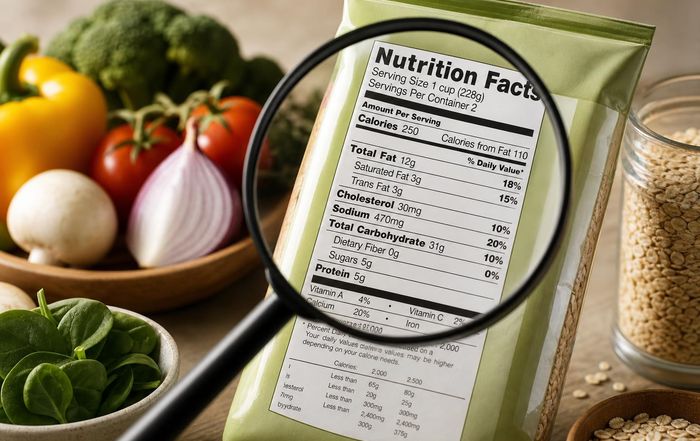
The first and often most overlooked element of a nutrition label is the serving size. It is the foundation upon which all other numbers rest, and misunderstanding it can lead to significant underestimation or overestimation of actual intake. Regulators in the United States, Europe, Canada, and Australia have made serving sizes more realistic over time, but they still may not match how individuals actually consume the product.
A serving size is typically listed in familiar household measures, such as cups, tablespoons, or pieces, along with the equivalent in grams or milliliters. The calories, macronutrients, and micronutrients that follow apply to that single serving, not to the entire package, unless explicitly stated. For example, a snack bag might list 150 calories per serving but contain three servings, turning what appears to be a modest snack into a 450-calorie intake if the entire bag is consumed. Organizations such as Health Canada and Food Standards Australia New Zealand (FSANZ) provide public education on how serving sizes relate to real-world consumption; readers can explore how serving sizes are regulated through resources like Health Canada's nutrition labelling guidance.
For QikSpa readers pursuing spa-aligned weight management, fitness, or yoga goals, the discipline of scanning serving size first supports mindful eating and portion control. It aligns with the same intentionality that a spa guest might bring to choosing a treatment or designing a wellness retreat. By comparing serving sizes across similar products, consumers can quickly identify brands that are more realistic and transparent about what people actually eat, reinforcing the trustworthiness of both the product and the brand.
Calories and Energy: Quality, Not Just Quantity
Calories represent the energy content of food, but in 2026, sophisticated consumers recognize that not all calories are equal in their impact on metabolism, satiety, and long-term health. While energy balance-calories consumed versus calories expended-remains central to weight management, research from institutions such as Harvard T.H. Chan School of Public Health has shown that the source of those calories matters greatly for cardiometabolic risk, inflammation, and even cognitive function. Readers may find deeper insight in resources such as the Harvard guide to healthy eating patterns.
On the label, calories per serving provide a quick snapshot of energy density. However, QikSpa readers are encouraged to interpret this number in the context of macronutrient composition and ingredient quality. A 200-calorie portion of nuts, rich in healthy fats and fiber, will impact satiety and blood sugar very differently from a 200-calorie portion of refined cookies. Professionals in spa and wellness settings often coach clients to prioritize foods that deliver higher nutrient density per calorie, supporting vibrant skin, stable energy, and recovery from fitness or yoga sessions, rather than chasing low-calorie counts at the expense of nutritional quality.
For those in regions where front-of-pack calorie labeling is mandatory, such as restaurant menus in parts of the United States and the United Kingdom, the same principles apply. Calories are a starting point, not the full story. The more refined the QikSpa reader's understanding of energy and nutrient density, the more effectively they can align everyday eating with broader goals across fitness, lifestyle, and travel, where on-the-go choices must often be made quickly.
Decoding Macronutrients: Carbohydrates, Fats, and Proteins
The macronutrient section of a nutrition label-carbohydrates, fats, and proteins-offers crucial insight into how a food will influence blood sugar, satiety, hormones, and body composition. In 2026, the science of macronutrients is more nuanced than ever, yet the label remains a practical guide that any consumer can use with a bit of training.
Carbohydrates are typically broken down into total carbohydrates, dietary fiber, sugars, and, in many jurisdictions, added sugars. High-fiber foods, especially those rich in soluble fiber, support digestive health, cholesterol management, and stable blood sugar, benefits recognized by organizations such as the Mayo Clinic, which provides accessible overviews of how dietary fiber supports health. For QikSpa readers, fiber-rich choices also support clear skin and a balanced gut microbiome, both of which are increasingly linked to visible beauty and emotional wellbeing. Added sugars, now prominently labeled in markets such as the United States and Canada, distinguish naturally occurring sugars in whole foods from those introduced during processing. High added sugar intake is associated with increased risk of obesity, type 2 diabetes, and dental issues, and it can contribute to glycation processes that accelerate skin aging, a concern that resonates strongly within the spa and salon community.
Fats are listed as total fat, with subcategories such as saturated fat, trans fat, and sometimes monounsaturated and polyunsaturated fats. Current global guidance from entities like the American Heart Association emphasizes limiting saturated and eliminating industrial trans fats, while encouraging sources of unsaturated fats from nuts, seeds, olive oil, and fatty fish. Readers can deepen their understanding through resources such as the American Heart Association's overview of dietary fats. For QikSpa's audience, healthy fats play a direct role in skin barrier function, hair health, and hormone balance, making the fat section of the label particularly relevant for those who value beauty from the inside out.
Protein is often highlighted for its role in muscle maintenance, satiety, and metabolic health. Spa-aligned fitness, yoga, and active travel all place demands on muscles and connective tissues, and adequate protein intake supports recovery and strength, especially for women and older adults who may be at higher risk of muscle loss. Labels in many countries now indicate not only grams of protein but also, in some cases, protein quality or the presence of essential amino acids, especially in plant-based products. For readers navigating the growing landscape of plant-based meats and dairy alternatives, examining both grams of protein and ingredient sources helps distinguish between minimally processed, nutrient-rich options and highly refined imitations.
The Critical Role of Added Sugars and Refined Carbohydrates
Among all label components, added sugars have perhaps received the most attention in the past decade, and for good reason. Excessive intake of added sugars is strongly linked to weight gain, insulin resistance, fatty liver disease, and inflammatory processes that affect everything from cardiovascular health to skin quality. The World Health Organization recommends limiting free sugar intake to less than 10 percent of total energy, with a conditional recommendation to reduce it further to below 5 percent for additional benefits, guidance that can be explored through resources such as the WHO sugar intake recommendations.
Modern labels in the United States, Canada, and several other jurisdictions now list added sugars explicitly, often with a percentage of daily value. For wellness fans, this number is a quick proxy for how "spa-friendly" a packaged product might be. Beverages, flavored yogurts, breakfast cereals, and sauces are common sources of hidden added sugars, even in products marketed as natural or wholesome. Professionals in spa, beauty, and wellness settings frequently counsel clients to choose products with minimal added sugars and to rely on whole fruits, spices, and small amounts of natural sweeteners when needed.
Refined carbohydrates, while not always labeled as such, can be inferred from ingredient lists and the ratio of total carbohydrates to fiber. Products dominated by white flour, starches, and low fiber content will typically have a higher glycemic impact, contributing to blood sugar spikes and crashes that undermine stable energy and mood. For those balancing demanding careers, travel schedules, and family responsibilities, as many QikSpa readers do, avoiding these energy rollercoasters is essential for sustained performance and emotional resilience.
Micronutrients: Beyond the Headline Numbers
While calories and macronutrients attract the most attention, micronutrients-vitamins and minerals-are where many of the subtler benefits of food reside. Labels typically highlight nutrients of public health concern, such as vitamin D, calcium, iron, and potassium, though specifics vary by region. Global research from institutions such as The Lancet and Johns Hopkins Bloomberg School of Public Health has underscored how deficiencies in micronutrients contribute to fatigue, impaired immunity, poor bone health, and cognitive challenges across populations, including in high-income countries. Readers interested in the broader implications of micronutrient intake can reference overviews such as the NIH Office of Dietary Supplements fact sheets.
For QikSpa readers, micronutrient awareness has immediate relevance. Adequate vitamin C and zinc support collagen production and immune resilience; iron and B vitamins influence energy levels and hair health; magnesium and potassium contribute to muscle relaxation and cardiovascular balance, supporting both fitness performance and the deep rest associated with spa recovery. While labels cannot capture the full spectrum of phytonutrients present in whole foods, they provide a baseline snapshot that helps consumers identify products that meaningfully contribute to daily requirements versus those that are largely empty of micronutrient value.
In practice, a professional approach to label reading involves scanning for nutrients that are particularly relevant to individual life stages and goals. Women of reproductive age might pay closer attention to iron and folate; older adults may prioritize calcium, vitamin D, and B12; athletes and yoga practitioners may focus on magnesium, potassium, and antioxidants. This individualized lens aligns with the personalized approach to wellness that defines QikSpa, where guidance is tailored to the unique needs and aspirations of each reader.
Ingredients Lists: The Story Behind the Numbers
If the nutrition facts panel is the quantitative snapshot, the ingredients list is the qualitative narrative of a product. Ingredients are listed in descending order by weight, giving immediate insight into what truly dominates a food. A label that begins with whole grains, nuts, seeds, or vegetables tells a very different story from one that opens with sugar, refined flour, or hydrogenated oils.
In 2026, discerning consumers across Europe, North America, Asia, and beyond are increasingly skilled at spotting ultra-processed foods, a category associated with higher risks of obesity and metabolic disease, as documented by research groups and public health bodies such as Public Health England and Brazil's Ministry of Health. Internationally recognized frameworks like the NOVA classification system, discussed in resources such as UN FAO's work on food processing and nutrition, help explain how the degree of processing affects health outcomes. While not yet standard on labels, the principles of ultra-processing can be applied by scanning for long lists of additives, flavor enhancers, colorings, and stabilizers.
For QikSpa readers who value a spa-aligned, minimally processed approach to nourishment, the ingredient list becomes a guide for selecting products that are closer to whole foods. Shorter lists with recognizable ingredients typically indicate fewer processing steps, though there are exceptions in fortified or specialized products. Reading ingredients also allows consumers to identify potential allergens, such as gluten, soy, nuts, or dairy, and to avoid specific additives they may wish to minimize, such as certain artificial sweeteners or colorants. This attention to detail mirrors the care taken in selecting skincare formulations or spa treatments, where ingredient transparency and quality are paramount.
Interpreting Daily Values Across Regions and Lifestyles
Daily values (DVs) or reference intakes express how a serving of food contributes to the overall daily recommended intake of specific nutrients, based on a standard reference diet. While the exact numbers and terminology vary by jurisdiction, the underlying purpose is consistent: to offer a quick sense of whether a product is low, moderate, or high in a given nutrient. For instance, in many systems, 5 percent DV or less is considered low, while 20 percent DV or more is considered high.
Readers in the United States can review the FDA's explanation of daily values, while those in Europe can consult the European Food Information Council's guidance on reference intakes. However, wellness visitors must remember that these values are based on generalized assumptions, often a 2,000-calorie diet for adults, and may not reflect individual needs. Active individuals, pregnant women, older adults, and those with specific medical conditions may require adjustments in calorie and nutrient targets.
A professional approach involves using daily values as relative indicators rather than rigid prescriptions. For example, a snack providing 25 percent DV of sodium might be considered high for someone managing blood pressure, while a breakfast delivering 30 percent DV of fiber could be seen as a positive contribution toward a high-fiber diet. For spa and wellness enthusiasts, this nuanced interpretation supports a personalized strategy that integrates nutrition with other pillars such as yoga, fitness, and wellness, rather than adhering to one-size-fits-all guidelines.
Global Label Variations and International Travel
For smart thinkers who travel frequently or live and work across borders-from New York and London to Singapore, Dubai, and Sydney-understanding regional differences in labeling is essential. While core elements such as energy, macronutrients, and key micronutrients are widely present, formats and terminology can differ. In the European Union, for example, energy is often listed in both kilojoules and kilocalories, and reference intakes may use different benchmarks than in North America. In some Asian markets, front-of-pack labels like Nutri-Score or Healthier Choice logos provide quick visual cues that complement back-of-pack details.
International organizations such as the Codex Alimentarius Commission, a joint initiative of FAO and WHO, work to harmonize labeling standards to facilitate global trade and protect consumers, and their frameworks can be explored through the Codex Alimentarius website. However, full harmonization remains a work in progress, and travelers must be prepared to adapt quickly. A professional label reader focuses on transferable principles: always identify serving size, scan for added sugars and unhealthy fats, review ingredients for degree of processing, and interpret daily values cautiously, regardless of the local format.
For QikSpa's calm audience, this adaptability turns global travel into an extension of one's wellness practice. Whether navigating supermarket aisles in Germany, ordering room-service in Thailand, or exploring street food in Brazil, the same core skills apply, ensuring that culinary exploration can coexist with long-term health and beauty goals. Readers can complement label skills with broader guidance in the international and travel reporting, integrating cultural curiosity with nutritional discernment.
Aligning Label Literacy with Spa, Beauty, and Lifestyle Goals
Nutrition labels may appear technical, but their ultimate purpose is deeply personal. For QikSpa readers, wellness is not a weekend indulgence but a daily practice that encompasses spa and salon experiences, skincare, fitness, yoga, fashion, and career performance. Label literacy is the nutritional counterpart to reading skincare ingredient decks or understanding the active components of a professional treatment.
From a beauty perspective, foods rich in antioxidants, healthy fats, and high-quality proteins support collagen integrity, skin elasticity, and hair strength, while those high in added sugars and ultra-processed fats can accelerate visible aging and inflammation. From a fitness and yoga standpoint, adequate protein, complex carbohydrates, and electrolytes contribute to performance, recovery, and resilience. From a mental wellness and lifestyle perspective, stable blood sugar and micronutrient sufficiency support mood, focus, and sleep quality, all of which are essential for sustained excellence in demanding careers. Folks can explore how these dimensions intersect with broader lifestyle choices through the new lifestyle and business insights.
Label literacy also intersects with values around sustainability and ethical consumption. Many consumers now look beyond nutrition facts to certifications such as organic, fair trade, or sustainably sourced seafood, as promoted by organizations like the Marine Stewardship Council and Rainforest Alliance. Those interested in aligning nutrition with environmental and social responsibility can deepen their understanding via resources such as UNEP's work on sustainable food systems. For QikSpa readers, these considerations complement the platform's focus on sustainable choices, creating a holistic narrative where personal wellness and planetary wellbeing reinforce each other.
Building Long-Term Confidence and Trust in Food Choices
Ultimately, reading nutrition labels like a pro is not about memorizing every guideline or chasing perfection; it is about building a sustainable, confident relationship with food that reflects the same care and intentionality that QikSpa visitors bring to their spa, salon, and wellness rituals. Over time, repeated exposure to labels, combined with a clear sense of personal goals and values, creates an intuitive fluency. Consumers begin to recognize patterns-products that consistently align with their standards, brands that demonstrate transparency and integrity, and ingredients that either support or undermine their aspirations.
Trust is central to this process. Trust in regulatory frameworks, in scientific institutions, and in the brands that populate supermarket shelves. By grounding decisions in evidence-based resources from organizations such as WHO, FDA, EFSA, and leading academic institutions, and by leveraging the curated guidance of platforms like QikSpa, readers can navigate an increasingly complex food environment with discernment and clarity. Over time, this competence extends beyond personal health to influence family choices, workplace culture, and community norms, amplifying the impact of individual label literacy.
For those who wish to integrate this skill more deeply into their daily lives, the team trys to offers a connected ecosystem of totally original content across food and nutrition, health, wellness, beauty, fitness, and careers, enabling readers to see how each label-driven decision supports a broader vision of a life well lived. In 2026 and beyond, those who can read nutrition labels with professional clarity will be better positioned to thrive in a world where health, performance, and appearance are increasingly interdependent-and where every meal becomes an opportunity to nourish not only the body, but the entire spa-inspired lifestyle that QikSpa champions.
