
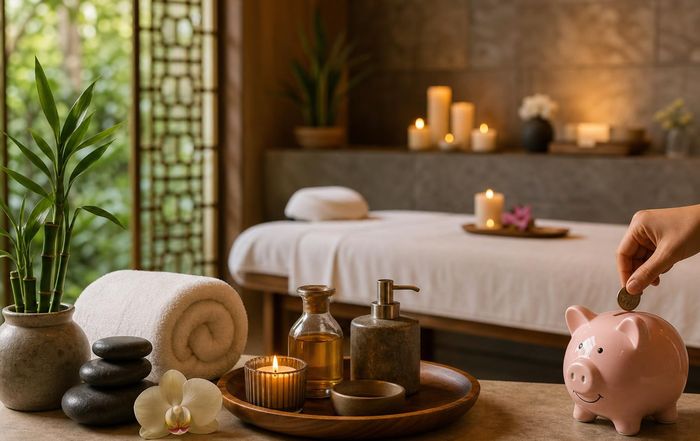
American Day Spa Etiquette: Tipping, Timing, and Relaxing Without Awkwardness
Visiting a spa is supposed to be soothing, but uncertainty about etiquette can quickly add tension: How much should you tip? Are you late if you arrive at your appointment time instead of early? Is it rude to leave during relaxation time to pick up your phone? In the United States, spa culture blends hospitality, wellness, and service-industry norms, which means there are expectations-especially around money and punctuality-that many visitors only discover the hard way. Understanding these unwritten rules before you go helps you relax into the experience and avoid feeling flustered at the front desk.
This guide focuses on American day spas, not destination spas or medical clinics, and explains how tipping works, why timing matters, and what to expect from check-in to check-out. It draws on U.S. industry norms, guidance from spa associations, and hospitality standards similar to those used in restaurants and hotels. It also offers practical scripts and examples so you can navigate questions gracefully, whether you are a first-time guest or a frequent visitor trying a new spa while traveling. For mindful readers who want to deepen their self-care routine beyond etiquette, our daily updated pages on wellness, spa and salon culture, and lifestyle offer additional ideas for building relaxing rituals at home and on the go.
How American Day Spas Typically Operate
In the United States, most day spas fall somewhere between a beauty salon and a boutique hotel in terms of service expectations. They usually offer massages, facials, body treatments, and sometimes nail care, waxing, or light wellness services like infrared saunas or hydrotherapy. Unlike medical spas, they are not primarily clinical environments, and unlike destination spas or wellness retreats, they are designed for visits lasting a couple of hours rather than several days.
Most reputable spas follow health and safety guidance from organizations such as the International Spa Association and public-health agencies like the U.S. Centers for Disease Control and Prevention (CDC). While there is no single national etiquette rulebook, norms have developed that mirror the broader U.S. service industry: tipping is widely expected, appointments are tightly scheduled, and guests are encouraged to arrive early to enjoy amenities while still respecting other clients' time and privacy. Larger spas may resemble boutique hotels, with lounges, steam rooms, and snack bars; smaller neighborhood spas might have only a waiting area and a treatment room, but the same expectations around promptness and courtesy usually apply.
Because American spas operate in a competitive wellness and beauty market, many align their standards with broader hospitality practices seen in hotels and resorts. Professional bodies such as Associated Bodywork & Massage Professionals (ABMP) and the American Massage Therapy Association (AMTA) encourage clear communication about policies, but guests often still feel shy asking. Understanding the general framework can help you interpret any specific spa's house rules without embarrassment.
For readers interested in how spa visits tie into broader wellness goals, our health and fitness sections explore how bodywork, stretching, and recovery practices can complement regular exercise and stress management.
Tipping at American Day Spas: How Much, When, and to Whom
Tipping is one of the biggest sources of anxiety for spa guests in the United States, especially for visitors from countries where tips are uncommon. In U.S. day spas, tips are typically an important part of a therapist's income, similar to restaurant servers' reliance on gratuities. There is no federal requirement to tip, but it is strongly customary and often expected unless the spa explicitly states that gratuities are included.
For most spa services-massages, facials, body scrubs, and similar treatments-a common tipping range is 18-22% of the full, undiscounted service price. This aligns with broader U.S. hospitality norms described by consumer organizations like Consumer Reports (https://www.consumerreports.org/) and tipping guidance from major hotel chains such as Marriott (https://www.marriott.com/) and Hilton (https://www.hilton.com/). Many guests round to an easy figure, such as $20 on a $100 service or $25 on a $120 service, particularly when they have received attentive, skilled care. If you use a coupon or package discount, the tip is still usually calculated based on the original menu price, not the reduced amount.
Nail services and waxing often follow similar ranges, though at some salons 15-20% is more common for shorter services. If more than one person contributed directly to your treatment-for example, an aesthetician for your facial and an attendant who helped with a body scrub-ask the front desk how tips are handled. Some spas pool tips among staff, while others allow you to specify amounts for each provider. Industry associations such as ISPA (https://experienceispa.com/) encourage clear disclosure of these practices, but many smaller spas still rely on informal norms.
Guests sometimes wonder whether to tip on packages or memberships. In most American day spas, each included service is still treated like a separate tipping opportunity. If you receive multiple treatments in one visit, you can either leave a combined tip at checkout, with instructions on how to divide it, or fill out separate gratuity lines for each therapist. For membership programs that offer discounted monthly treatments, tipping is usually still expected at the standard percentage of the regular rate. When in doubt, a simple question at check-in-"Are gratuities customary here, and are they included in the price?"-is both acceptable and appreciated.
When Tipping May Be Different-or Not Expected
Although tipping is the norm, there are notable exceptions and gray areas. Some high-end or resort spas add an automatic service charge or "gratuity" of around 18-22% to each treatment. This practice, seen in parts of the hotel and cruise industries and noted by organizations like AAA (https://www.aaa.com/), can confuse guests who are unsure whether they should tip on top. If you see a service charge listed on your bill, ask the front desk whether it is fully distributed to staff and whether additional tipping is customary. Many U.S. spas that add a service charge still allow extra tipping for exceptional service, but it is not obligatory.
Medical spas and clinics that offer injectables, laser treatments, or dermatology services may follow different rules. Some U.S. states and professional boards discourage or prohibit tipping licensed medical professionals such as nurses or physician assistants for clinical procedures, which can blur the lines when a facility offers both medical and traditional spa services. The American Med Spa Association (https://americanmedspa.org/) notes that policies vary by state and by practice, so the safest approach is to check the clinic's written guidelines. In many med spas, tipping is welcomed for non-medical services like facials or massages but not for procedures considered medical.
Guests from countries where tipping is rare sometimes worry that not tipping will cause offense. In an American context, declining to tip in a day spa is usually interpreted either as dissatisfaction with the service or as unfamiliarity with local norms. If you truly cannot afford a standard tip, leaving a smaller amount (even 10-15%) and a sincere verbal thank-you is generally better received than leaving nothing. For those who prefer to avoid tipping altogether, some wellness resorts and all-inclusive spas explicitly promote "no-tipping" policies; these are more common in destination or retreat settings than in everyday urban day spas.
To understand how spa etiquette intersects with broader lifestyle and travel habits, readers can explore our travel and international sections, which often address cultural differences in hospitality and service norms.
How to Handle Tipping Logistics Without Awkwardness
Even when guests know the expected percentage, the logistics can feel awkward: Do you hand cash directly to the therapist? Tip at the front desk? Add it to the card? In most American day spas, the default is to handle gratuities discreetly at checkout. The receptionist will usually present an itemized bill with a line for "gratuity" or "tip," similar to a restaurant check. You can write in the amount, add it to your card payment, or specify how you want it divided. This approach protects privacy for both staff and guests and aligns with broader U.S. practices highlighted by hospitality training organizations such as AHLA (https://www.ahla.com/).
Cash, however, is still welcomed and sometimes preferred by therapists, particularly in smaller independent spas. If you choose to tip in cash, you can either hand it directly to your therapist with a quiet thank-you at the end of the treatment or place it in an envelope provided at the front desk. Direct hand-offs are common for massage therapists and hair stylists in the U.S., and most professionals are comfortable accepting them. If you are unsure, you might say, "I'd like to leave something for you-should I do that here or at the front desk?" This allows the therapist to follow spa policy while preserving your intention.
Group bookings, couples' treatments, and spa days with multiple services can complicate the math. A simple strategy is to decide in advance on a total tipping budget (for example, 20% of the total menu price for all services) and then ask the front desk to split it evenly among the providers unless you want to adjust for longer or more intensive treatments. If one therapist went significantly above and beyond, you can quietly add a few extra dollars to their amount. Spas accustomed to bridal parties or corporate groups often have systems for this, and clear communication at check-in makes the checkout process smoother.
Digital tipping is also becoming more common as spas adopt mobile point-of-sale systems. Some tablets present pre-set percentages (18%, 20%, 22%) and a "custom amount" option, similar to what you might see in cafes. If you find this pressure-inducing, it is perfectly acceptable to choose the amount that matches your budget or to ask the receptionist to adjust the figure. For readers balancing wellness with broader financial goals, the business and careers sections often explore how to integrate self-care spending into a realistic lifestyle plan.
Treatment Timing: Why "Arrive 15 Minutes Early" Matters
Timing is the other major pillar of American day spa etiquette. When a confirmation email advises guests to "arrive 15-30 minutes before your appointment," it is not merely a suggestion; it reflects how tightly spas schedule their day. Therapists often have back-to-back appointments with only a brief window to reset the room, review health forms, and greet the next client. Arriving exactly at your appointment time-or a few minutes late-can compress both your relaxation and the therapist's preparation.
In most U.S. spas, the scheduled time refers to when the treatment is supposed to start, not when you should walk through the door. Arriving 15-20 minutes early allows time for check-in, paperwork, changing into a robe if offered, and a brief consultation. Larger facilities with amenities like steam rooms, saunas, or relaxation lounges may recommend 30-45 minutes so you can enjoy these extras without feeling rushed. This mirrors the broader wellness trend, highlighted by organizations like the Global Wellness Institute (https://globalwellnessinstitute.org/), toward integrating spa visits into a more holistic ritual rather than treating them as quick, transactional services.
From the spa's perspective, starting on time is essential to keeping the day running smoothly. If you arrive right at the scheduled hour, you may still receive your full hands-on time if the spa can flex slightly. However, if you arrive late, most American spas reserve the right to shorten your treatment while still charging the full price, a policy often stated on their websites and reinforced by booking platforms. This may feel strict, but it reflects the reality that extending your session would cause a ripple effect of delays for every subsequent guest.
For those who incorporate spa visits into a broader wellness routine that includes yoga, fitness, or mindfulness, arriving early also helps the nervous system transition from "doing" to "resting." Our yoga, wellness, and health sections explore how pre-treatment breathing, stretching, or journaling can deepen relaxation and potentially enhance the benefits of bodywork.
What Happens If You're Late-or Need to Leave Early
Life happens: traffic, childcare, work calls, and public-transport delays can all interfere with carefully planned spa timing. In the U.S., most day spas apply three related policies: late-arrival adjustments, cancellation windows, and no-show fees. These policies are influenced by general consumer-protection norms and business practices discussed by groups like the Better Business Bureau (https://www.bbb.org/) and local small-business associations.
If you arrive late, the most common outcome is a shortened treatment that still ends at the originally scheduled time. For example, a 60-minute massage might be reduced to 40 minutes if you arrive 20 minutes behind schedule. The therapist will usually focus on your priority areas rather than rushing through the full protocol. While this can be disappointing, it allows the spa to honor the next guest's appointment. In some cases, especially during quiet times, the spa may be able to extend your session, but this is the exception rather than the rule.
Cancellation policies vary but typically require 24 hours' notice for single services and up to 48-72 hours for groups or packages. Late cancellations or no-shows may incur a fee of 50-100% of the service cost. These policies, while frustrating for some guests, are intended to protect therapists whose income depends on booked time. Consumer-advice outlets like USA.gov (https://www.usa.gov/) note that businesses are generally allowed to enforce clearly disclosed cancellation terms, which is why many spas ask you to sign or acknowledge these conditions at booking.
If you know you will be late or need to leave early, calling ahead is both courteous and often helpful. Front-desk staff may be able to adjust the schedule, swap services, or suggest a shorter treatment that fits your available window. If you must leave early for an urgent reason during the treatment, a simple explanation-"I'm so sorry, I just received an urgent message and need to cut this short"-is sufficient. You will usually still be charged for the full service, but most therapists understand that emergencies arise and appreciate clear, respectful communication.
For guests managing tight schedules between work, family, and wellness, the lifestyle and women sections often explore how to structure realistic self-care routines that respect both time and budget constraints.
Timing Inside the Treatment: Talking, Silence, and Feedback
Once you are on the table or in the treatment chair, timing shifts from the clock on the wall to the rhythm of the session. Many guests wonder whether they should talk, how quickly to undress, or when to speak up about pressure or comfort. In American day spas, therapists are trained to guide this process, but they also rely on your feedback to tailor the experience to your needs.
At the beginning of a massage or facial, the therapist will usually ask brief questions about your goals ("Relaxation or deeper work?"), any injuries, and areas you'd like to focus on or avoid. This conversation typically lasts a few minutes and is part of your booked time. After they step out to let you undress and get comfortable, you are expected to do so promptly so the treatment can begin on schedule. If you need extra time-due to mobility concerns, pregnancy, or simply unfamiliarity with the process-mention this during the consultation so the therapist can adjust their pacing accordingly.
During the treatment, you are free to talk or remain silent, and many therapists will follow your lead. Light conversation is common in some U.S. spas, especially for regulars, but there is no obligation to chat. Silence is not considered rude; in fact, many therapists interpret it as a sign that you are deeply relaxed. What is important is speaking up about your comfort in a timely way: if the pressure is too intense, the room too cold, or the music distracting, say so as soon as you notice it. Professional standards promoted by groups like AMTA emphasize consent and client comfort, and therapists expect to make adjustments.
Guests sometimes worry that asking for changes will disrupt the therapist's flow or seem ungrateful. In practice, brief, specific feedback-"Could you use a bit less pressure on my lower back?" or "Would you mind raising the headrest slightly?"-helps the therapist deliver better results within the allotted time. Waiting until the end to mention discomfort is more likely to leave both of you frustrated. If you are unsure how to phrase a request, framing it as a preference rather than a criticism ("I tend to prefer lighter pressure on my neck") can feel more comfortable.
Respecting Shared Spaces: Quiet, Phones, and Amenities
Beyond tipping and timing, etiquette in American day spas extends to how guests behave in shared spaces such as relaxation lounges, locker rooms, and hydrotherapy areas. These zones are designed to support calm and privacy, and many spas post house rules at the entrance. While each facility has its own style, common expectations echo broader wellness-space norms seen in yoga studios and meditation centers.
Quiet is perhaps the most universal rule. Conversations should be kept to a low volume, and many spas request "whisper voices" or designate certain lounges as silent. Phone use is typically restricted or discouraged; even when not explicitly banned, using speakerphone, playing videos without headphones, or taking photos in locker rooms is considered a serious breach of etiquette, particularly because it can compromise other guests' privacy. Organizations focused on digital-wellness and mental health, such as the American Psychological Association (https://www.apa.org/), highlight the benefits of unplugging in relaxing environments, and many spas now frame phone-free policies as part of their wellness philosophy.
When using amenities such as saunas, steam rooms, whirlpools, or relaxation beds, be mindful of posted time limits, capacity guidelines, and hygiene rules. Showering before entering pools or heat facilities, sitting on towels, and wearing appropriate swimwear or robes are usually expected. If you are unsure about clothing norms, asking at check-in-"What is the dress code in the sauna and pool areas?"-is entirely appropriate. In co-ed spaces, conservative swimwear is typically preferred, even if the spa allows optional nudity in gender-segregated areas.
Sharing space gracefully also means being aware of how your actions affect others' sense of calm. Avoid reserving multiple loungers with belongings, monopolizing amenities for long periods when others are waiting, or bringing strong food odors into quiet lounges. If you are visiting with friends, it may help to agree in advance on some quiet time, then save more animated conversations for after your treatments. For ideas on extending that sense of calm into everyday life, the lifestyle and sustainable sections explore how to create soothing, low-impact rituals at home.
Cultural Differences and International Visitors
For international visitors, American spa etiquette can feel both familiar and surprising. Tipping expectations are typically higher than in many European or Asian countries, while modesty norms and clothing rules may be stricter than in some Nordic or Central European spa cultures where nudity in single-sex areas is common. Travel resources from organizations such as Visit The USA (https://www.visittheusa.com/) and global etiquette guides often note that service workers in the United States rely heavily on gratuities, and spas are no exception.
Guests from countries where service charges are included may be confused by separate tipping lines and may underestimate how much therapists depend on them. Conversely, Americans visiting spas abroad sometimes over-tip in cultures where gratuities are optional or even discouraged. When in the U.S., assuming a baseline of 18-20% for spa services is usually safe unless the spa clearly indicates otherwise. If budgeting is a concern, factor the expected tip into your decision when choosing treatments and frequency of visits.
Language barriers can also make it harder to ask about policies or communicate comfort levels during treatments. Many American spas in major cities employ multilingual staff or provide intake forms in multiple languages, but this is not guaranteed. If you are more comfortable in a language other than English, you might call ahead or email to ask whether staff can accommodate you. Even with limited English, learning a few key phrases-"softer pressure," "too hot," "too cold," "I have pain here"-can make a significant difference. Wellness-focused travel resources, including major platforms like Lonely Planet (https://www.lonelyplanet.com/) and Fodor's (https://www.fodors.com/), increasingly highlight spa etiquette tips for different regions, which can be helpful if you move frequently between countries.
For kind and happy people who love exploring spas while traveling, our travel and international features often looks at how wellness rituals adapt across cultures, from traditional hammams to onsen and sauna cultures.
Making Spa Visits Truly Restorative
Knowing the basics of American day spa etiquette-tipping norms, timing expectations, and how to behave in shared spaces-removes much of the social uncertainty that can quietly undermine relaxation. When guests understand that arriving early protects their full treatment time, that therapists expect and welcome feedback, and that gratuities are a standard part of compensation, they can focus less on logistics and more on the sensory experience of warmth, scent, and touch that defines a good spa visit.
Spas, in turn, are gradually becoming more transparent about their policies, posting clear guidance on websites and confirmation emails, and aligning their standards with broader wellness and hospitality practices promoted by organizations such as the Global Wellness Institute and ISPA. As self-care becomes a more regular part of many people's lives, etiquette is shifting from an intimidating set of unspoken rules to a shared framework that supports respect-for therapists' time and skill, for other guests' need for quiet, and for one's own boundaries and comfort.
For anyone looking to build a sustainable, nourishing relationship with spa visits, it can help to view them not as isolated treats but as one element in a broader self-care plan that includes nutrition, movement, rest, and mental-health practices. With a bit of advance planning-budgeting for tips, scheduling buffer time, and clarifying preferences-day spas can become reliable pockets of calm rather than occasional indulgences overshadowed by awkwardness.
