
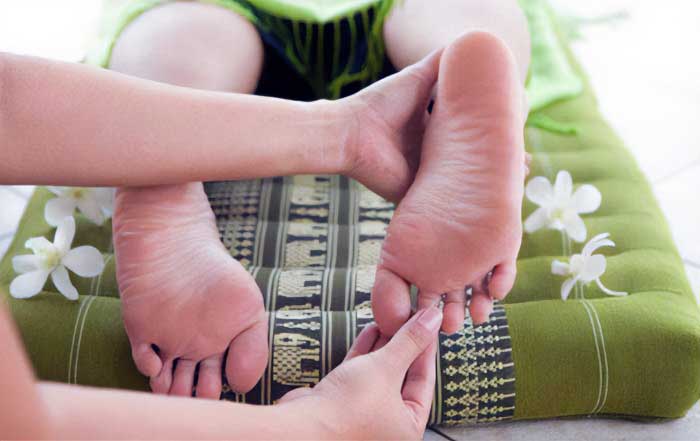
Reflexology: A Strategic Pillar of Global Wellness and the QikSpa Vision
Reflexology has moved decisively from the margins of alternative medicine into the mainstream of global wellness, clinical support care, and lifestyle design. Today, it is no longer perceived merely as a relaxing foot treatment but as a structured, evidence-informed modality that supports stress management, pain reduction, hormonal balance, and preventive health across diverse cultures and markets. For QikSpa and its global audience at qikspa.com, reflexology represents a convergence point where spa culture, integrative health, sustainable living, and professional opportunity meet, reflecting a broader shift toward experience-driven, data-aware, and ethically grounded wellness.
From Ancient Practice to Modern Framework
Reflexology's historical roots stretch back thousands of years, with early depictions of hand and foot therapy found in ancient Egypt, China, and Indigenous healing systems. Over time, these practices evolved into more structured approaches, culminating in the 20th century with the work of Dr. William Fitzgerald, who introduced zone therapy, and Eunice Ingham, whose detailed foot maps remain foundational to modern reflexology. Today, leading institutions and health organizations reference these early frameworks while layering in contemporary anatomy, physiology, and neuroscience to explain how targeted pressure on the feet, hands, and ears can influence the nervous system, circulation, and perceived pain levels. Readers interested in the broader historical and scientific context can explore how complementary therapies are discussed by organizations such as the National Center for Complementary and Integrative Health.
This blend of tradition and science has made reflexology particularly attractive to wellness-focused consumers across the United States, Europe, and Asia, where there is growing demand for therapies that respect cultural heritage while aligning with modern expectations of safety, professionalism, and measurable benefit. At QikSpa, this balance is reflected in editorial coverage that positions reflexology within a broader ecosystem of health, wellness, and lifestyle trends.
The Purpose of Reflexology in a High-Stress, Always-On World
The core purpose of reflexology in 2026 is to support systemic balance at a time when chronic stress, sedentary behavior, and digital overload are affecting health outcomes worldwide. Unlike symptom-specific interventions, reflexology is organized around the idea of whole-person regulation, focusing on the interconnectedness of physical, emotional, and energetic states.
In practice, a well-structured reflexology session aims to calm the autonomic nervous system, ease muscular and fascial tension, and encourage more efficient circulation of blood and lymph. These effects are particularly relevant in large urban centers in the United States, United Kingdom, Germany, and Asia-Pacific, where professionals face long work hours, high cognitive load, and limited downtime. Many of these individuals are turning to integrated wellness programs that combine reflexology with practices such as yoga, meditation, and mindful movement, echoing the holistic health frameworks promoted by organizations like the World Health Organization.
Reflexology's purpose also extends to emotional regulation and mental clarity. By creating a structured space for deep relaxation, it helps break cycles of hypervigilance and stress arousal, which are increasingly recognized as contributors to burnout and reduced workplace performance. Forward-thinking employers and wellness providers now see reflexology not only as a comfort service but as a strategic tool in resilience-building and human capital management.
Evidence-Informed Benefits Across Health and Lifestyle Domains
While reflexology is not a replacement for medical diagnosis or treatment, its benefits are increasingly supported by clinical and observational research, especially in the domains of stress, pain, sleep, and women's health. Reputable organizations such as the Mayo Clinic and Cleveland Clinic have acknowledged the role of complementary therapies in integrative care, and reflexology is frequently cited in this context.
One of the most consistently reported outcomes is stress reduction. Regular sessions have been associated with lower perceived stress, improved mood, and better emotional regulation. This is particularly meaningful for executives and knowledge workers in North America, Europe, and Asia, who often seek non-pharmacological strategies to manage pressure without compromising alertness or performance. As QikSpa highlights in its wellness coverage, stress management has become a boardroom issue as much as a personal concern, with reflexology emerging as a practical, scalable intervention.
Pain modulation is another area where reflexology shows promise. Individuals living with chronic back pain, tension headaches, migraines, arthritis, or postural strain frequently report subjective relief following regular sessions. Hospitals and hospices in the United Kingdom, Switzerland, and Canada have integrated reflexology into palliative and supportive care pathways, often alongside massage, acupuncture, and psychological support. Readers can explore how such integrative models are being adopted through resources like the National Health Service and the Canadian Cancer Society.
Reflexology is also frequently used to support sleep quality. In a world where screen exposure, irregular schedules, and travel across time zones disrupt circadian rhythms, many clients favor reflexology as a calming, non-invasive approach that can complement sleep hygiene strategies. This is particularly relevant for frequent travelers and hospitality guests, a demographic that aligns closely with the international audience of QikSpa's travel section.
In the domain of women's health, reflexology has become a valued adjunct for managing menstrual discomfort, perimenopausal symptoms, pregnancy-related tension, and fertility journeys. Women in markets such as the United States, United Kingdom, Germany, and the Nordic countries are increasingly combining reflexology with nutrition, exercise, and hormonal health strategies to create more holistic self-care plans. This aligns with the editorial focus of QikSpa's women's health hub, which emphasizes integrative, evidence-aware approaches rather than quick fixes.
Techniques and Professional Practice: Beyond Simple Foot Massage
From a technical perspective, reflexology in 2026 is defined by precision, training, and clear protocols rather than generic foot massage. Professional reflexologists undergo structured education in anatomy, physiology, pathology, and ethics, as well as supervised practice in techniques such as thumb walking, finger walking, point rotation, and the hook-and-back-up method. These methods are designed to stimulate specific reflex points mapped to organs and systems, with pressure adapted to client comfort and health status.
Professional standards are increasingly shaped by organizations such as the International Institute of Reflexology (IIR) and the Association of Reflexologists (AoR), which provide guidelines on training, hygiene, client assessment, and contraindications. Industry stakeholders and practitioners can deepen their understanding of professional frameworks through resources such as the Reflexology Association of America and the International Council of Reflexologists.
For business audiences and spa operators, the key takeaway is that clients in 2026 expect reflexology to be delivered by credentialed professionals within a clear scope of practice. This expectation is particularly strong in mature wellness markets such as the United States, United Kingdom, Germany, Switzerland, and the Nordic region, where consumers are accustomed to high standards and transparent communication. QikSpa reflects this expectation in its business insights, encouraging operators to prioritize training, safety, and client education.
Reflexology in the Global Spa, Salon, and Wellness Economy
The global spa and wellness economy has continued to grow through the mid-2020s, with reflexology occupying a central place in service menus from boutique studios to destination resorts. In Asia, particularly in China, Thailand, Japan, and South Korea, reflexology remains deeply embedded in traditional healing practices and everyday life. Visitors to Bangkok, Shanghai, or Tokyo can experience reflexology in settings ranging from local foot massage parlors to world-class medical wellness resorts, reflecting the tiered nature of the market. Those interested in regional spa trends can explore reports by the Global Wellness Institute.
In Europe, especially in Germany, Switzerland, France, Italy, and the Nordic countries, reflexology is frequently integrated into thermal spa complexes and medical wellness hotels. These facilities often combine hydrotherapy, naturopathy, and movement programs with structured reflexology sessions, aligning with Europe's long-standing tradition of preventive health tourism. For readers exploring European wellness travel, reflexology has become as expected as sauna, hammam, or hydrotherapy rituals.
In North America, the United States and Canada have seen reflexology move from niche studios into mainstream spa chains, integrative clinics, and corporate wellness programs. Here, reflexology is often positioned as a bridge between relaxation and functional benefit, offered alongside sports massage, physiotherapy, and mindfulness coaching. This multi-disciplinary positioning resonates strongly with QikSpa's audience interested in fitness, beauty, and spa and salon experiences.
In the Middle East, particularly in the United Arab Emirates, and across parts of Africa such as South Africa, reflexology is increasingly featured in high-end hotel spas and wellness retreats aimed at international travelers. These regions are positioning themselves as hubs for luxury wellness tourism, and reflexology offers a recognizable, culturally adaptable service that can be tailored to guests from Europe, Asia, and North America. For operators, this global familiarity makes reflexology an efficient way to meet diverse expectations with a single, well-understood modality.
Strategic Business Opportunities for 2026 and Beyond
For spa owners, salon managers, wellness entrepreneurs, and hospitality executives, reflexology presents a multi-dimensional business opportunity that spans revenue generation, client retention, brand positioning, and differentiation. As QikSpa emphasizes in its business coverage, the most successful operators treat reflexology not as an add-on service but as a core element of their value proposition.
From a revenue standpoint, reflexology is relatively low-cost to deliver compared with high-tech treatments, as it requires minimal equipment and can be offered in compact spaces. This makes it particularly attractive for urban salons in London, New York, Berlin, Singapore, and Sydney, where real estate is expensive and service menus must be optimized for both utilization and margin. At the same time, reflexology can be packaged strategically with facials, body therapies, or beauty treatments, increasing average transaction value and encouraging longer visits.
From a brand perspective, reflexology can signal a commitment to holistic care and integrative thinking, especially when presented alongside nutritional guidance, movement programs, and mental well-being initiatives. Businesses that align reflexology with food and nutrition content, stress education, and sleep optimization are better positioned to serve discerning clients who view wellness as a lifestyle rather than an occasional indulgence. Insights from organizations like the Harvard T.H. Chan School of Public Health on lifestyle medicine can help operators frame their messaging in a credible, research-aware way.
For professionals considering career development, reflexology offers a clear pathway into the broader wellness economy. With rising global demand, trained reflexologists can work in spas, clinics, corporate programs, or as independent practitioners. By 2030, more countries are expected to formalize standards and licensing, enhancing professional recognition and mobility. QikSpa regularly explores such trajectories in its careers in wellness section, underscoring the importance of continuous education and cross-disciplinary skills.
Reflexology, Lifestyle Design, and Sustainable Well-Being
Beyond the treatment room, reflexology is increasingly seen as part of a broader lifestyle architecture that integrates movement, nutrition, mental health, and environmental responsibility. This holistic perspective resonates strongly with readers who follow QikSpa's coverage of sustainable wellness, lifestyle, and global trends.
For individuals focused on high-performance living, reflexology can be synchronized with training cycles, travel schedules, and digital detox strategies. Athletes and fitness enthusiasts in markets like the United States, Canada, Australia, and Europe use reflexology to support recovery, circulation, and neuromuscular relaxation, particularly when combined with structured fitness programs and evidence-based nutrition. Organizations such as the American Council on Exercise highlight the importance of recovery in performance programming, and reflexology fits naturally into this conversation.
From a sustainability perspective, reflexology is inherently low-impact. It requires minimal energy, no complex machinery, and can be practiced with simple, natural products. This makes it highly compatible with environmentally responsible spa and salon models that prioritize reduced waste, clean ingredients, and ethical sourcing. Businesses seeking to align with global ESG expectations and conscious consumer values can position reflexology as a cornerstone of their sustainable service portfolio, while drawing on guidance from bodies such as the United Nations Environment Programme to shape broader sustainability strategies.
For women balancing careers, caregiving, and personal aspirations across regions from North America and Europe to Asia and Africa, reflexology can serve as a structured pause that supports hormonal regulation, stress relief, and emotional recalibration. By integrating regular sessions into a broader self-care plan that includes movement, sleep hygiene, and relationship health, women create a more resilient foundation for long-term well-being. This multi-layered approach is central to the editorial philosophy of QikSpa's women-focused content.
Technology, Data, and the Next Evolution of Reflexology
In 2026, technology is not replacing hands-on reflexology, but it is reshaping how it is accessed, personalized, and evaluated. Digital health platforms and wellness apps now offer guided self-reflexology tutorials, appointment scheduling, and post-session tracking, helping clients integrate reflexology into daily routines. Wearable devices are beginning to experiment with targeted stimulation of reflex zones through vibration or microcurrent, especially for users who travel frequently or have limited time for in-person sessions.
Artificial intelligence is also entering the field through smart spa systems that analyze biometric data, lifestyle inputs, and self-reported symptoms to suggest tailored reflexology protocols. While still in development, these systems signal a future in which reflexology is integrated into broader health dashboards, alongside movement metrics, sleep scores, and nutritional patterns. Those interested in this convergence of wellness and technology can follow thought leadership from institutions such as the MIT Media Lab and the World Economic Forum on the future of health and human performance.
For businesses featured on QikSpa, the strategic question is not whether technology will influence reflexology, but how to adopt it without compromising the human connection that defines touch-based therapies. The most successful operators are likely to be those who use data and digital tools to enhance personalization, education, and continuity of care, while preserving the sensory richness and empathetic presence that clients value.
Regional Dynamics and Global Convergence
Reflexology's trajectory varies by region, yet certain themes are consistent across markets. In the United States and Canada, the emphasis is on integrative care, corporate wellness, and lifestyle optimization. In the United Kingdom, Germany, Switzerland, and the Nordic countries, medical wellness and spa traditions shape how reflexology is delivered and perceived. In Asia, reflexology remains closely tied to traditional medicine frameworks, while also serving as a key attraction in wellness tourism. In Africa and South America, emerging middle classes and international travelers are driving demand for high-quality spa services that include reflexology as a recognizable, trusted modality.
These regional dynamics create opportunities for cross-pollination and learning, which QikSpa seeks to capture through its international coverage. As wellness travelers move between continents, they bring expectations shaped by experiences, accelerating the convergence of standards and raising the bar for professionalism and guest experience.
Reflexology as Part of the QikSpa Narrative
For QikSpa, reflexology is more than a topic; it is a lens through which to examine the future of spa, beauty, health, and lifestyle in an interconnected world. It touches nearly every pillar of the platform's editorial and experiential focus: it is delivered in spa and salon environments, supports health and wellness outcomes, interacts with nutrition and lifestyle choices, influences travel decisions, and opens up new career pathways in a rapidly expanding global industry.
As the wellness economy continues to grow toward 2030, reflexology is positioned to remain a strategic, trusted, and adaptable modality that serves individuals, businesses, and communities across continents. Its enduring appeal lies in its simplicity, its low environmental footprint, its cultural flexibility, and its capacity to deliver tangible experiences of relaxation, relief, and reconnection in an era defined by complexity and speed.
