
How to Prepare for Your First Hot Stone Massage: A Complete Guide
Stepping into a spa for a first hot stone massage can feel both exciting and slightly intimidating. Smooth, heated stones, deep relaxation, and the promise of melted muscle tension all sound wonderful, but many people are unsure what actually happens, how to get ready, and whether it is safe for them. This guide walks through everything to know before your appointment: from health precautions and what to wear, to what to expect on the table and how to feel your best afterward.
Hot stone massage sits at the intersection of spa indulgence and therapeutic bodywork. For people who love wellness, self-care, and stress relief, it can be a powerful reset when combined with other healthy habits such as balanced nutrition, regular movement, and mindful relaxation. Understanding how to prepare helps you get maximum benefit while staying safe and comfortable.
What Exactly Is a Hot Stone Massage?
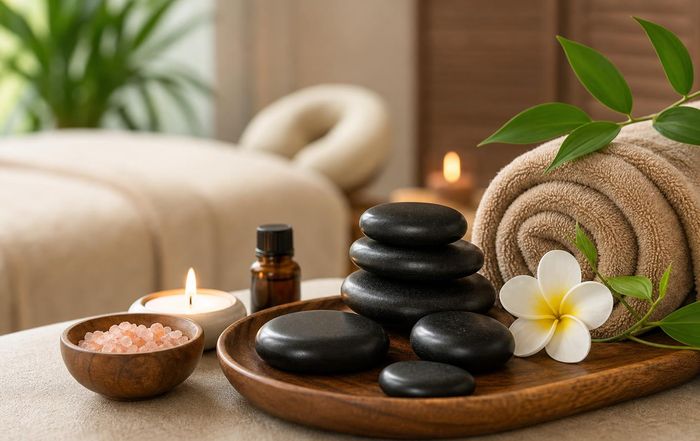
Hot stone massage is a form of bodywork in which the therapist uses smooth, heated stones-often basalt, a type of volcanic rock that retains heat well-on specific points of the body and as tools for massage strokes. The stones are typically warmed in water to a controlled temperature, then placed or moved along muscles to encourage relaxation, ease tension, and improve circulation.
Professional organizations such as the American Massage Therapy Association and Massage Therapy Foundation describe hot stone massage as a specialty modality that requires specific training because of the risks associated with heat. Reputable therapists are trained to monitor stone temperature, skin response, and client feedback continuously. Many high-quality spas also follow local health regulations and safety standards for equipment and sanitation, which may be guided by public health authorities like the U.S. Centers for Disease Control and Prevention (CDC) or similar agencies in other countries.
While individual experiences vary, people commonly report a deep sense of relaxation, warmth, and muscle softness afterward. For some, the treatment feels more nurturing than a standard deep tissue massage because the heat helps muscles relax without excessive pressure. For others, it is a way to complement broader wellness routines that may also include yoga, mindful breathing, or spa-based self-care.
Who Should (and Shouldn't) Get a Hot Stone Massage?
Before booking, it is important to consider whether hot stone massage is appropriate for your health status. Heat affects circulation, blood pressure, and skin integrity, so certain people need modifications or should avoid it altogether.
Health organizations such as the World Health Organization (WHO) and national health services like NHS in the UK (https://www.nhs.uk/) provide general guidance on conditions where heat therapies require caution. Although they may not address hot stone massage specifically, the same principles often apply.
Hot stone massage may be unsuitable or need medical clearance if you:
Have cardiovascular conditions such as uncontrolled high blood pressure, heart disease, or a history of stroke.
Are pregnant, especially in the first trimester or if you have pregnancy-related complications.
Have diabetes with reduced sensation in the extremities (peripheral neuropathy).
Have open wounds, sunburn, skin infections, rashes, or recent surgery in the area to be treated.
Use blood-thinning medication or have clotting disorders.
Have conditions affecting temperature sensation or the ability to communicate discomfort.
Have severe varicose veins or certain autoimmune conditions that flare with heat.
Organizations like the American Heart Association (https://www.heart.org/) and American Diabetes Association (https://diabetes.org/) emphasize talking with a healthcare provider before using heat therapies if you live with these conditions. If in doubt, ask your doctor or a licensed healthcare professional, especially when managing chronic illness.
It is also essential to share all relevant information on your spa's intake form. A reputable spa or health-focused practice should be willing to adapt the session-using fewer or cooler stones, shortening treatment areas, or recommending a different massage style such as Swedish or gentle relaxation massage if hot stones are not appropriate.
Choosing a Safe, Reputable Spa or Therapist
Where you go matters as much as the technique itself. The experience can feel like a restorative ritual when delivered by a skilled practitioner in a calm environment, or disappointing if rushed or poorly managed. When comparing spas or salon settings, consider the following:
Look for licensed or registered massage therapists who have additional training in hot stone work. Many countries and regions maintain professional registries or licensing boards; checking with a national body such as the American Massage Therapy Association (https://www.amtamassage.org/) in the US, Federation of Holistic Therapists in the UK (https://www.fht.org.uk/), or equivalent organizations elsewhere can help you understand typical qualifications. Spas that highlight therapist credentials, continuing education, and safety practices often take client wellbeing seriously.
Hygiene is another key factor. Stones should be thoroughly cleaned and sanitized between clients, and the heating equipment should be properly maintained. Public health agencies such as Health Canada (https://www.canada.ca/) and the European Centre for Disease Prevention and Control (https://www.ecdc.europa.eu/) provide general guidelines on environmental cleanliness in wellness settings; while these are not hot-stone-specific, they underscore the importance of clean surfaces, linens, and hand hygiene.
Reading independent reviews, asking friends for recommendations, and calling the spa with a few questions about their hot stone protocol can offer reassurance. If staff are open, informative, and respectful of health concerns, that is a good sign. If anyone dismisses your questions about temperature, safety, or contraindications, it may be wise to look elsewhere.
How to Prepare in the 24 Hours Before Your Appointment
Preparation begins well before you step into the treatment room. The way you manage your schedule, food, hydration, and lifestyle the day before can influence how comfortable you feel and how well your body responds to the treatment.
Ideally, avoid intense exercise, heavy lifting, or exhausting travel immediately beforehand. Muscles that are already inflamed or extremely sore from a hard workout may react more strongly to heat and pressure. Light movement such as walking, stretching, or gentle yoga can be supportive, especially if it helps you unwind. Aim to arrive in a reasonably rested state rather than using the massage as an emergency fix for severe fatigue.
Hydration is crucial. Many wellness organizations, including the Mayo Clinic (https://www.mayoclinic.org/), emphasize steady water intake throughout the day for overall health. For a hot stone massage, drinking water regularly in the 24 hours leading up to your session helps your body cope with warmth and supports circulation. That said, try not to drink so much right before the massage that you feel uncomfortably full or need to interrupt the session for the restroom.
Limiting alcohol and heavy, greasy meals before your appointment can also make a difference. Alcohol can dehydrate you and affect blood pressure, while large, rich meals may leave you feeling sluggish or nauseated when lying face-down. A light, balanced meal-perhaps incorporating some of the principles you might find in food and nutrition guidance, such as lean protein, whole grains, and vegetables-about two hours before your session is usually ideal.
If you are sensitive to heat or prone to low blood pressure, consider mentioning this when booking. Your therapist can adjust stone temperature and session structure to be more gradual and gentle.
What to Do on the Day: Timing, Clothing, and Communication
On the day of your hot stone massage, think of the entire visit as a small lifestyle ritual rather than just a one-hour appointment. Rushing from traffic or a stressful meeting straight onto the massage table can make it harder for your nervous system to settle.
Plan to arrive at least 15-20 minutes early to complete any paperwork, use the restroom, and transition mentally. Many spas provide a quiet lounge, tea, or water; take advantage of this to slow your breathing and switch off from your phone. If you are sensitive to scents, you can ask in advance about their use of aromatherapy, candles, or fragranced oils and request unscented options if needed.
Most hot stone massages are performed with the client undressed to their comfort level and draped with sheets or towels. Wear loose, easy-to-remove clothing and avoid complicated outfits or accessories. Remove jewelry, watches, and contact lenses if possible; bring a case for glasses or lenses if needed. It is also wise to avoid heavy makeup, self-tanning products, or thick body lotions beforehand, as these can mix awkwardly with massage oils and heat.
Before the session starts, your therapist should review your health history and any current issues: recent injuries, surgeries, medications, pregnancy, or chronic conditions. This is the time to mention specific areas of tension, preferences about pressure, and any concerns about heat. Clear communication is critical; professional therapists expect and welcome questions such as:
How hot do the stones get?
Can we start with cooler stones and adjust?
Can you avoid certain areas (for example, lower back, abdomen, or feet)?
What should I do if something feels too hot or uncomfortable?
A good therapist will encourage you to speak up at any point during the session and will treat your feedback as essential, not inconvenient.
What Happens During a Hot Stone Massage Session?
Although each spa has its own style, most hot stone massages follow a similar structure. Understanding the flow can ease first-time nerves and help you relax more deeply.
After you lie on the table, covered with sheets or towels, the therapist may begin with a few minutes of traditional hand massage using oil or lotion. This helps warm the muscles and allows them to assess your tissue response. Meanwhile, the stones are heating in a specially designed warmer, usually filled with water, where temperatures are monitored with a thermometer. Professional guidance from bodies such as the National Certification Board for Therapeutic Massage & Bodywork (https://www.ncbtmb.org/) and similar organizations emphasizes safe temperature ranges, though exact numbers may vary by training program and local regulations.
The therapist will then introduce the stones gradually. They may place larger stones along your spine, in the palms of your hands, or between your toes, using a barrier such as a towel to avoid direct, intense heat. Other stones are held in the therapist's hands and used in gliding strokes, circular motions, or gentle pressure along muscles. As stones cool, they are replaced with fresh warm ones, maintaining a consistent sense of soothing heat rather than sudden extremes.
Throughout the session, you should feel comfortably warm, relaxed, and perhaps slightly heavy-limbed-but never burned, stinging, or trapped. If any stone feels too hot, too heavy, or too intense on a sensitive area, say so immediately. A trained therapist will remove or swap the stone, add a towel layer, or adjust technique without hesitation.
Sessions typically last 60-90 minutes, though some spas offer shorter or extended treatments, sometimes combined with facials, body scrubs, or other spa and salon services. Near the end, the therapist usually transitions back to hand massage, removes any remaining stones, and allows a few quiet minutes for you to reorient before sitting up.
Safety, Temperature, and Red Flags to Watch For
Because hot stone massage involves heat applied directly to the skin, safety deserves particular attention. Most adverse events reported in the past have involved burns when stones were overheated, applied too long in one place, or used on clients who could not feel or communicate discomfort. Regulatory and professional bodies emphasize that these incidents are preventable when therapists follow best practices.
A few safety principles to keep in mind:
You should never feel pain from heat. A pleasant, penetrating warmth is normal; sharp, stinging, or burning sensations are not. Speak up immediately if this occurs. The therapist should respond quickly and respectfully.
Stones should not be placed directly on broken skin, open wounds, or areas with poor sensation. If you have neuropathy, scar tissue, or numb patches, tell your therapist so they can avoid or modify those regions.
Professional equipment should be used. Household slow cookers or improvised heaters are not appropriate for professional hot stone work because they may not maintain safe, consistent temperatures. If you are receiving massage in a non-spa setting, such as a home visit, it is reasonable to ask about the equipment being used.
After the session, some mild redness in areas of contact can be normal, similar to what you might see after a warm bath. However, persistent redness, blisters, or pain are warning signs and should be assessed by a healthcare professional. If you have concerns, resources from organizations such as DermNet NZ (https://dermnetnz.org/) or your national dermatology association may help you understand skin reactions, but direct medical advice should come from a doctor or qualified clinician.
If you ever feel rushed, pressured to accept a temperature you find uncomfortable, or unable to communicate freely, that is a red flag about the provider rather than the modality itself. You are always entitled to stop or modify a treatment.
How to Support Relaxation During the Massage
Beyond physical safety, mental and emotional comfort shape how restorative the session feels. Hot stone massage can be a powerful tool for stress management when combined with intentional relaxation practices.
Breathing slowly and deeply helps your nervous system shift from "fight or flight" to "rest and digest." Many mindfulness programs, including those from Headspace (https://www.headspace.com/) and Calm (https://www.calm.com/), highlight the value of gently lengthening the exhale. You can quietly count your breath-inhale for four counts, exhale for six-to encourage a sense of letting go as the stones move along your muscles.
Some people like to visualize warmth melting tension, imagining stress flowing out of the body with each stroke. Others prefer to simply focus on physical sensations without judgment, a basic form of body-scan meditation. If your mind wanders to to-do lists or work emails, notice this and gently bring attention back to the feeling of heat and weight on your skin.
You can also shape the environment to suit your preferences. If music is too loud or not to your taste, ask for an adjustment. If you prefer minimal talking once the session begins, mention this to your therapist; many spas welcome guidance on whether you like conversation or quiet. These small details can transform the massage from just another appointment into a more immersive self-care ritual.
Aftercare: Hydration, Rest, and Integrating the Benefits
The way you treat your body after a hot stone massage can extend or shorten the benefits. Many people feel deeply relaxed, sometimes even slightly "floaty" or light-headed as they stand up. Take your time getting dressed, sit for a moment with some water, and avoid jumping straight into intense activity.
Hydration remains important. While the idea that massage "flushes toxins" is often overstated and not strongly supported by research, gentle heat and manipulation of soft tissues can influence circulation and fluid shifts. Drinking water afterward, as suggested by organizations like the International Spa Association (https://experienceispa.com/), is a simple way to support your body's natural regulatory systems. Herbal tea or diluted fruit-infused water can be soothing alternatives if plain water feels unappealing.
Light movement later in the day-such as walking or gentle stretching-can prevent stiffness, especially if your muscles were tight beforehand. Intense workouts, heavy lifting, or long periods of sitting immediately after are less ideal; giving your body several hours of relative ease allows tissues to adapt to the work that has been done.
Some people feel slightly sore the next day, similar to mild post-exercise soreness. This can be normal, particularly if the therapist used moderate pressure in addition to heat. If soreness is significant or persists beyond a day or two, or if you notice unusual symptoms such as swelling, severe redness, or dizziness, consult a healthcare professional.
From a wellness and lifestyle perspective, it can be useful to notice how you sleep the night after, how your mood feels, and whether certain aches are improved. These observations help you decide how often to schedule future sessions and what type of massage best supports your overall self-care plan.
How Often Should You Have Hot Stone Massage?
There is no one-size-fits-all answer, and formal guidelines from health authorities like the National Institutes of Health (https://www.nih.gov/) typically focus more on general complementary therapies than hot stone massage specifically. Frequency depends on your goals, budget, and health status.
For general relaxation and stress management, many people find that a hot stone session once every four to six weeks fits well into a broader wellness routine that may include balanced nutrition, moderate fitness activity, and other self-care practices. Those dealing with chronic muscle tension, demanding physical jobs, or high stress might choose more frequent sessions, such as every two to three weeks, if finances and health conditions allow.
If you have underlying medical issues, discuss frequency with your healthcare provider, especially if heat can influence your condition. They may suggest alternating hot stone with other modalities-such as standard Swedish massage, stretching-focused sessions, or even physical therapy-so that you are not relying on one tool alone for pain or stress management.
It can also be helpful to vary the intensity of sessions. For example, you might choose a deeply relaxing hot stone massage after a particularly stressful month, then a lighter, shorter session the next time if you simply want maintenance rather than intensive work.
When Hot Stone Massage Might Not Be the Best Choice
Even if you are generally healthy, there are moments when a different treatment may serve you better. For example, if you have a high fever, active infection, or feel unwell, most spas will recommend rescheduling to protect both you and staff. Similarly, if you have a fresh injury-such as a recent sprain, acute inflammation, or suspected fracture-heat and massage may worsen symptoms; medical evaluation should come first.
If your primary concern is very specific, like a sports injury or rehabilitation after surgery, a targeted approach such as physical therapy or sports massage might be more appropriate than a full-body hot stone session. Sports medicine organizations, including the American College of Sports Medicine (https://www.acsm.org/), often highlight the importance of evidence-based rehab and structured exercise in these cases.
Additionally, some people simply do not enjoy the sensation of heat or the weight of stones. Personal preference matters in self-care. If you find, after a first experience, that the modality is not for you, that does not mean massage in general is unsuitable. You might prefer a classic Swedish massage, aromatherapy, or even non-massage options such as restorative yoga, warm baths, or mindfulness practices to unwind.
Turning Your First Hot Stone Massage into a Meaningful Ritual
Approached thoughtfully, a first hot stone massage can be more than just a spa treat; it can become a small ritual of recalibration in a busy life. By choosing a reputable provider, checking health considerations, preparing your body with sensible food and hydration, and staying communicative during the session, you create conditions for genuine rest and renewal.
Integrating the experience into a broader pattern of care-balancing time at the spa with nourishing food and nutrition, realistic fitness habits, and everyday stress-management tools-helps ensure that the benefits last beyond the treatment room. Over time, you may discover that the warmth of the stones not only softens tight muscles but also signals a pause, a moment where the demands of work, family, and technology recede, and your attention returns to your own wellbeing.
If you decide to book that first appointment, consider it an experiment in listening to your body. Notice what feels good, what you would adjust next time, and how the experience fits into your personal approach to health, beauty, and relaxation. With the right preparation and an informed mindset, hot stone massage can become a steady ally in your ongoing journey toward a calmer, more balanced life.
