
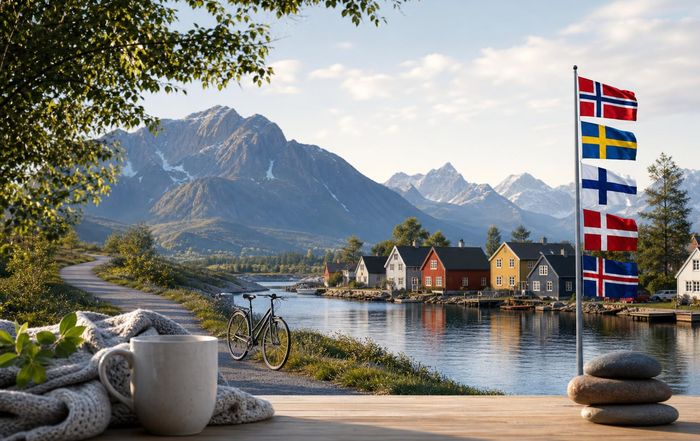
How Nordic Countries Prioritize Wellbeing: Lessons for a Global Wellness Economy
A Nordic Blueprint for Modern Wellbeing
As the global wellness economy matures, the Nordic countries of Sweden, Norway, Denmark, Finland, and Iceland continue to attract international attention for their distinctive and remarkably consistent approach to wellbeing, blending public policy, cultural norms, and everyday lifestyle choices into a coherent model that supports physical, mental, and social health, and for a premium updated everyday website like Qikspa-which curates insights on spa and salon innovation, health, wellness, beauty, nutrition, and sustainable lifestyle-this Nordic blueprint offers both inspiration and practical guidance for readers and businesses across North America, Europe, Asia, and beyond who are seeking to elevate wellbeing from a personal aspiration to an integrated way of life.
International rankings consistently illustrate this Nordic advantage: reports from organizations such as the World Health Organization and the Organisation for Economic Co-operation and Development show that Nordic societies maintain high levels of life satisfaction, strong social cohesion, and robust public health indicators, while also delivering competitive, innovation-driven economies, demonstrating that wellbeing and economic performance can be mutually reinforcing rather than conflicting priorities, a message that deeply resonates with Qikspa's fantastic, balance seeking community of wellness-conscious consumers, spa and salon professionals, and business leaders seeking to align commercial success with human flourishing.
The Policy Foundations of Nordic Wellbeing
Nordic wellbeing begins with a policy framework that treats health and quality of life as strategic assets rather than residual outcomes, and this perspective is visible in comprehensive welfare systems that combine universal healthcare, strong social safety nets, and progressive labor regulations with an emphasis on inclusion and equality, creating a stable foundation on which individuals and businesses can build long-term wellbeing strategies; to understand this model in depth, observers often turn to resources such as the Nordic Co-operation portal which documents how these countries coordinate cross-border initiatives in health, education, and sustainable development.
Universal access to healthcare, underpinned by tax-funded systems, ensures that preventive care, mental health services, and essential treatments are accessible regardless of income, and while each country has its own configuration, the shared principle is that financial barriers should not prevent early intervention or ongoing care, an approach that aligns with evidence from institutions like the World Bank showing that universal health coverage improves productivity and reduces long-term costs, reinforcing the idea that wellbeing is an investment rather than an expense.
Labor policies further support wellbeing by embedding work-life balance into law and corporate practice, with generous parental leave, flexible working arrangements, and protections for employee rights contributing to a culture where time away from work is valued as much as time at the desk; organizations like the International Labour Organization frequently highlight Nordic examples when discussing decent work standards, and for wellness-focused businesses and professionals following Qikspa's business insights, these policies illustrate how human-centric employment practices can underpin sustainable performance in sectors ranging from hospitality and tourism to technology and creative industries.
Cultural Values: Hygge, Lagom, and Everyday Balance
Beyond formal policy, the Nordic approach to wellbeing is deeply rooted in cultural values that prioritize moderation, connection, and respect for the rhythms of everyday life, and concepts such as the Danish notion of "hygge," the Swedish idea of "lagom," and the Finnish appreciation for quiet reflection in nature have become shorthand for a lifestyle that rejects excess in favor of balance, comfort, and authenticity, resonating strongly with global wellness communities and the editorial ethos of Qikspa's lifestyle features.
"Hygge" is often translated as coziness, but in practice it represents a broader commitment to creating warm, intimate environments where people can slow down, share simple pleasures, and feel psychologically safe, whether that means candlelit evenings at home, relaxed gatherings with friends, or spa experiences designed to soothe rather than impress; this cultural preference for understated comfort over conspicuous luxury has influenced design, hospitality, and wellness spaces globally, with many international spa and salon brands drawing inspiration from Nordic interiors and rituals that emphasize natural materials, soft lighting, and minimalism.
"Lagom," roughly meaning "just the right amount," guides Swedish attitudes toward consumption, work, and self-care, encouraging individuals to seek equilibrium rather than extremes, and this principle is reflected in practices such as the daily "fika" coffee break, which is less about caffeine and more about taking time to pause, connect, and reset during the workday; organizations like IKEA and H&M, though global retail giants, have helped popularize this aesthetic and mindset, while research from the Greater Good Science Center at UC Berkeley has explored how balance and moderation contribute to long-term happiness, offering conceptual tools that wellness professionals and readers of Qikspa can adapt to their own routines and services.
Nordic Spa and Sauna Culture: Heat, Cold, and Community
One of the most visible expressions of Nordic wellbeing is the region's spa and sauna culture, where heat, cold, water, and social connection converge in rituals that are both ancient and strikingly contemporary, and for a platform like Qikspa, which highlights spa and salon experiences across the world, the Nordic model illustrates how traditional practices can be elevated into sophisticated wellness offerings without losing their authenticity or accessibility.
In Finland, where sauna is recognized by UNESCO as part of the nation's intangible cultural heritage, nearly every household has access to a sauna, and the practice is as much about mental decompression and social bonding as it is about physical cleansing and circulatory benefits; detailed information on sauna's historical and cultural significance can be found through organizations like Visit Finland, which also emphasizes how modern Finnish spas integrate saunas, cold plunges, and nature-based therapies into holistic wellbeing packages appealing to domestic and international guests alike.
Across Sweden and Norway, coastal and lakeside communities have reinvigorated traditions of cold-water bathing, often combined with sauna sessions, creating a powerful contrast therapy that research from institutions such as the University of Copenhagen and various Nordic universities has linked to improved mood, resilience to stress, and cardiovascular health, and as wellness-oriented travelers from the United States, the United Kingdom, Germany, and beyond seek more meaningful experiences, Nordic bathhouses, floating saunas, and nature-immersed spa retreats have become sought-after destinations, aligning with the growing interest in restorative travel that Qikspa explores in its travel coverage.
Nordic spa culture also underscores the social dimension of wellbeing, as saunas and bathhouses frequently function as intergenerational, egalitarian spaces where status markers recede and conversation flows freely, supporting social cohesion and psychological safety, and in an era when loneliness is recognized by organizations like the U.S. Surgeon General's Office and the European Commission as a public health concern, the Nordic example demonstrates how thoughtfully designed communal spaces can help rebuild a sense of belonging, a lesson particularly relevant for spa, salon, and wellness operators designing environments that foster both relaxation and connection.
Food, Nutrition, and the New Nordic Diet
Nutrition is another pillar of Nordic wellbeing, and the "New Nordic Diet," developed through collaborations among Nordic chefs, nutrition scientists, and policymakers, has gained international recognition for its emphasis on whole, minimally processed foods, seasonal produce, and sustainable sourcing, offering a model that is both health-promoting and environmentally responsible, and this alignment between personal wellbeing and planetary health echoes themes explored across Qikspa's food and nutrition and sustainable living sections.
The New Nordic Diet prioritizes vegetables, berries, whole grains such as rye and barley, legumes, fish, and modest amounts of high-quality animal products, often sourced from local and regional producers, and research conducted under the OPUS project and published through platforms like the Nordic Council of Ministers has shown that this dietary pattern can support weight management, cardiovascular health, and metabolic function while reducing environmental impact compared with more resource-intensive diets, aligning with recommendations from bodies such as the EAT-Lancet Commission on healthy and sustainable diets.
For wellness-conscious consumers and professionals, the Nordic approach to food is not only about ingredients but also about context, ritual, and social meaning, as shared meals, mindful eating, and respect for local food traditions play a significant role in community cohesion and cultural identity, and as global interest in culinary wellness grows, hospitality and spa businesses from Canada to Singapore are incorporating Nordic-inspired menus, fermentation techniques, and plant-forward dishes into their offerings, demonstrating how nutritional science and culinary creativity can coexist in ways that Qikspa readers can adopt at home or seek out in their travels.
Movement, Outdoor Life, and Everyday Fitness
Physical activity in the Nordic context is less about high-intensity performance and more about embedding movement into daily life, with a strong emphasis on outdoor recreation, active transport, and accessible public spaces, and this philosophy dovetails with Qikspa's focus on fitness and holistic health, appealing to audiences across Europe, North America, and Asia who are seeking sustainable, enjoyable ways to stay active rather than short-lived fitness fads.
Many Nordic cities and towns are designed to encourage walking and cycling year-round, supported by infrastructure such as dedicated bike lanes, well-maintained sidewalks, and integrated public transport, and urban planning organizations like Gehl Architects and research from the World Resources Institute frequently cite Nordic examples when illustrating how human-centered design can promote physical activity, reduce pollution, and enhance urban livability, demonstrating that the built environment is a critical determinant of population-level fitness.
The concept of "friluftsliv," particularly prominent in Norway and Sweden, encapsulates a deep cultural commitment to outdoor life, encouraging people of all ages and backgrounds to spend time in nature through hiking, skiing, camping, and simple everyday walks regardless of season, and this ethos is supported by policies that protect public access to nature, such as the "right to roam," which allows responsible access to private land for recreation; organizations like the Norwegian Trekking Association and the Swedish Environmental Protection Agency provide guidance on how these practices are maintained, offering a model for other countries seeking to integrate nature-based activity into public health strategies.
Mental Health, Social Trust, and Psychological Safety
Wellbeing in the Nordic context is inseparable from mental health, social trust, and the quality of interpersonal relationships, and while no society is immune to challenges such as stress, anxiety, or depression, Nordic countries have invested heavily in destigmatizing mental health issues and integrating psychological support into primary care, education, and workplace systems, an approach that resonates with Qikspa's commitment to comprehensive health and wellness coverage.
High levels of social trust-trust in institutions, in neighbors, and in the fairness of the system-are a consistent feature of Nordic societies, and research from the World Happiness Report and social scientists at institutions such as the University of Helsinki and Aarhus University has demonstrated strong links between trust, perceived fairness, and subjective wellbeing, suggesting that psychological safety at the societal level creates conditions where individuals feel more secure, more willing to collaborate, and more resilient in the face of adversity.
At the organizational level, Nordic companies have been early adopters of practices that prioritize employee wellbeing, such as flexible working hours, flat hierarchies, and participatory decision-making, and thought leaders like Professor Amy Edmondson of Harvard Business School-whose work on psychological safety is widely cited in global management circles and summarized by resources like the Harvard Business Review-have found receptive audiences in Nordic business communities, illustrating how cultures that value openness and learning can foster both mental health and innovation, offering a roadmap for wellness-oriented enterprises and professionals worldwide.
Beauty, Fashion, and the Aesthetics of Authenticity
Nordic approaches to beauty and fashion have increasingly influenced global trends, particularly in markets such as the United States, United Kingdom, Germany, and South Korea, where consumers are seeking products and experiences that combine efficacy, simplicity, and ethical integrity, and this evolution aligns closely with the editorial focus of Qikspa's beauty and fashion content, which emphasizes authenticity, skin health, and sustainable style over purely cosmetic enhancement.
Scandinavian beauty brands have championed formulations that highlight gentle, science-backed ingredients, often inspired by Nordic botanicals, marine extracts, and fermentation processes, while also foregrounding transparency in sourcing and production; dermatological research and guidance from institutions like the American Academy of Dermatology and the British Association of Dermatologists reinforce the value of minimalist, barrier-supportive skincare, which aligns with the Nordic preference for "less but better" and has found resonance among consumers dealing with urban stressors, pollution, and climate variability.
In fashion, the Nordic emphasis on timeless design, quality materials, and circular practices has positioned cities like Copenhagen and Stockholm as hubs for sustainable style, with events such as Copenhagen Fashion Week integrating sustainability requirements into their platforms and organizations like the Ellen MacArthur Foundation highlighting Nordic brands that experiment with circular textiles, rental models, and repair services; for wellness-conscious readers and professionals, this convergence of aesthetics, ethics, and practicality offers a template for aligning personal presentation with broader values, a theme that Qikspa explores across its lifestyle and women's wellbeing features.
Gender Equality, Inclusion, and Women's Wellbeing
Gender equality is a cornerstone of Nordic societies and a critical driver of wellbeing outcomes, particularly for women, who benefit from policies and norms that support participation in the workforce, shared caregiving responsibilities, and representation in leadership, and for Qikspa's audience interested in women's health and empowerment, the Nordic experience offers a data-rich, lived example of how structural equality can enhance both individual and collective wellbeing.
Nordic countries consistently rank at or near the top of the World Economic Forum's Global Gender Gap Report in measures such as economic participation, educational attainment, health, and political empowerment, and this performance is underpinned by measures including subsidized childcare, parental leave that encourages fathers' active involvement, and legal protections against discrimination and harassment, creating conditions where women can pursue careers, entrepreneurship, and leadership without being forced to choose between professional ambition and family life.
This structural support has implications for health and wellness, as research synthesized by organizations such as UN Women and the World Bank Gender Data Portal indicates that gender equality correlates with improved mental health, reduced exposure to violence, and greater autonomy in health-related decision-making, and for wellness businesses, spa operators, and healthcare providers, the Nordic experience underscores the importance of designing services, workplaces, and communication strategies that recognize and address gendered dimensions of wellbeing in a proactive, evidence-based manner.
Sustainability, Climate, and the Future of Wellbeing
A defining characteristic of Nordic wellbeing is its explicit linkage to environmental sustainability and climate responsibility, reflecting a recognition that long-term human health is inseparable from the health of ecosystems and the stability of the climate, and this systems-level view is increasingly influential among wellness leaders, policymakers, and consumers who follow Qikspa's coverage of sustainable practices and global wellness trends.
Nordic countries have set ambitious climate targets, invested heavily in renewable energy, and integrated sustainability into urban planning, transport, and industry, with cities like Copenhagen, Oslo, and Helsinki frequently cited by organizations such as the C40 Cities Climate Leadership Group and the United Nations Environment Programme as exemplars of low-carbon, high-quality urban living, and this alignment between environmental policy and everyday wellbeing-clean air, accessible green spaces, efficient mobility-demonstrates how climate action can deliver immediate health and lifestyle benefits.
For the wellness, spa, and hospitality sectors, the Nordic example shows how sustainable operations-energy-efficient facilities, low-impact materials, water conservation, and responsible sourcing-can be integrated into guest experiences without compromising comfort or luxury, and as global consumers become more discerning, turning to resources like the Global Wellness Institute to understand the intersection of wellness and sustainability, businesses that follow this integrated model will be better positioned to earn long-term trust, a principle that Qikspa emphasizes across its guidance for wellness entrepreneurs and career seekers exploring opportunities through its careers content.
Applying Nordic Insights in a Global Context
While the Nordic countries benefit from specific historical, cultural, and economic conditions, the principles underlying their approach to wellbeing are broadly transferable, and for readers and businesses engaging with Qikspa from the United States, United Kingdom, Germany, Canada, Australia, Singapore, South Korea, South Africa, Brazil, and beyond, the Nordic model offers a menu of adaptable strategies rather than a rigid template, inviting thoughtful customization according to local context, resources, and cultural norms.
At the individual level, adopting Nordic-inspired practices might mean prioritizing regular time in nature, embracing balanced routines, cultivating social rituals that foster connection, choosing nutrient-dense, minimally processed foods, or integrating simple spa and sauna rituals into weekly self-care, and Qikspa's curated daily resources on wellness, yoga, fitness, and lifestyle provide practical frameworks to translate these ideas into daily habits that support both physical and mental health.
At the organizational and policy level, leaders can draw on Nordic examples to design workplaces that respect work-life balance, invest in employee wellbeing, and create psychologically safe cultures, while policymakers and city planners can look to Nordic urban design, mobility, and public health initiatives to inform strategies that make healthy choices easier and more attractive for citizens; international bodies such as the OECD Better Life Index and the World Economic Forum offer comparative tools and case studies that support this kind of cross-border learning.
As Qikspa continues to serve a loyal and growing online digital audience interested in spa and salon experiences, health, beauty, food and nutrition, fitness, fashion, travel, business, and sustainable living, the Nordic approach to wellbeing stands out as a compelling, evidence-based narrative that combines experience, expertise, authoritativeness, and trustworthiness, illustrating that when societies, businesses, and individuals place wellbeing at the center of decision-making, they not only improve quality of life today but also build resilience and opportunity for generations to come, a vision that aligns with Qikspa's mission to guide readers toward informed, holistic, and future-ready choices in every area of their lives.
