
Beyond the Logo: How to Build a Cohesive Spa Brand Identity
Why Cohesive Brand Identity Matters More Than Ever
The global wellness economy continues to expand at a remarkable pace, with consumers in the United States, Europe, Asia, and beyond increasingly prioritizing holistic health, emotional balance, and meaningful experiences over purely transactional services. Within this context, spa and wellness brands are no longer competing only on price, décor, or treatment menus; they are competing on narrative, trust, and the ability to deliver a consistently elevated experience across every touchpoint. For QikSpa, whose incredible collection of people spans spa and salon enthusiasts, wellness travelers, beauty-conscious consumers, and business leaders, a cohesive brand identity is not an abstract marketing concept but a strategic asset that shapes customer loyalty, pricing power, and long-term growth.
A spa brand identity that goes beyond the logo and color palette encompasses the total perception of the brand in the minds of guests and partners, from how reception teams answer the phone to the way digital content addresses wellness trends, from the scent in the treatment rooms to the tone of aftercare emails. As research from organizations such as the Global Wellness Institute shows, consumers increasingly seek authenticity, safety, and evidence-based benefits in wellness services, which means spa brands must communicate clearly who they are, what they stand for, and how they deliver value in a world saturated with competing claims. A cohesive identity helps a spa articulate that promise and consistently live up to it, online and offline, across continents and cultures.
For QikSpa, which curates content on spa and salon experiences, wellness, health, and business, this cohesion is especially critical because readers look to the platform not just for inspiration but for guidance, benchmarks, and models they can adapt in their own ventures, whether they operate a boutique spa in London, a wellness retreat in Bali, or a medical spa in New York.
Defining the Spa Brand Core: Purpose, Positioning, and Promise
A sophisticated spa brand identity begins with strategic clarity about the brand's core: its purpose, its positioning in the competitive landscape, and its promise to guests. While many spa owners still start with a name and a logo, the most resilient brands in the United States, Europe, and Asia increasingly begin with a purpose statement that articulates why the brand exists beyond making profit. For example, a spa may exist to "restore urban professionals to emotional equilibrium," "champion women's wellbeing at every life stage," or "connect travelers with local healing traditions." This purpose becomes the lens through which every branding decision is evaluated.
Positioning, in turn, defines where the spa sits in the market relative to competitors, whether as a luxury destination spa, an accessible urban wellness studio, a medi-spa focused on evidence-based treatments, or a hybrid hospitality-wellness concept. Resources such as McKinsey & Company and Deloitte highlight how clear positioning enables brands to differentiate in saturated markets and command premium pricing. In cities like New York, London, Singapore, and Sydney, where spa options abound, a crisp, well-communicated position can be the deciding factor in a guest's choice.
The brand promise then brings purpose and positioning together into a concise, guest-centric statement that explains what clients can reliably expect from the spa experience. It might focus on personalized care, culturally authentic rituals, advanced technology, or sustainable operations. For a platform such as QikSpa, which connects spa identity with broader lifestyle and sustainable business practices, the brand promise also needs to align with broader values in health, lifestyle, and beauty, reflecting the evolving expectations of wellness-conscious consumers in Germany, Canada, Japan, Brazil, and beyond.
Experience as Brand: Designing Every Moment with Intention
In the spa and wellness sector, the experience is the brand. While visual identity elements such as logos, typography, and color schemes are important, they are only meaningful when they support a thoughtfully designed, end-to-end guest journey. From the moment a potential guest discovers the spa through a search engine or social media feed, to the booking process, the arrival ritual, the treatment itself, and the follow-up communication, each interaction either strengthens or weakens the brand.
Leading hospitality and spa operators, including global hotel groups such as Marriott International and Hyatt Hotels Corporation, have demonstrated that consistency in service rituals and brand standards across locations is crucial to building trust, especially for international travelers who expect comparable quality whether they are in Paris, Dubai, or Bangkok. For independent spas and boutique wellness studios, the principle is the same, even if the scale is smaller: a carefully orchestrated experience, supported by clear brand guidelines and staff training, transforms one-time visitors into loyal advocates.
Experience design in a spa context includes sensory elements such as lighting, music, temperature, textures, and scents, but also extends to digital interactions. Guests in markets such as the United States, the United Kingdom, South Korea, and Singapore now expect frictionless digital booking, responsive communication, and thoughtful content that prepares them for treatments and supports their aftercare. Platforms like HubSpot and Salesforce illustrate how customer journey mapping can reveal gaps and opportunities in these interactions, allowing spa brands to refine their processes and present a more cohesive identity across channels.
For QikSpa, which covers fitness, yoga, travel, and careers alongside spa and salon content, the notion of experience extends beyond the treatment room into the broader ecosystem of wellness-oriented living. Readers increasingly seek integrated experiences that combine spa treatments with mindful movement, nutrition, and sustainable travel, and they evaluate brands based on how seamlessly these elements come together.
Visual and Verbal Identity: Aligning Aesthetics with Strategy
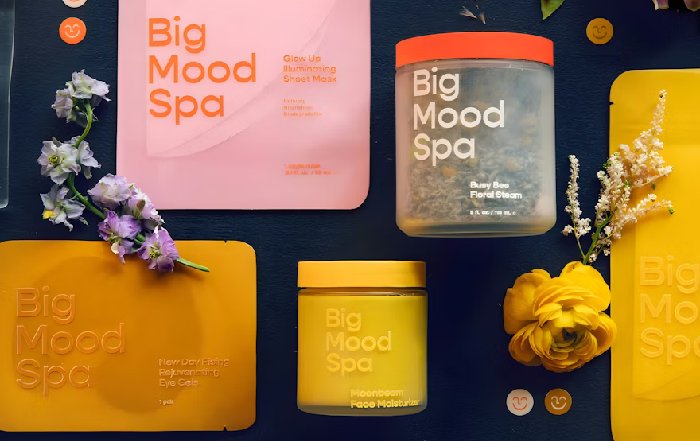
A cohesive spa brand identity requires careful alignment between the visual identity and the verbal expression of the brand. Visual elements such as logos, color palettes, typography, photography style, and iconography should all reflect the brand's purpose, positioning, and target audience. A luxury destination spa in Switzerland or the Maldives might use muted tones, generous white space, and minimalist typography to convey exclusivity and calm, while an urban wellness studio in Berlin or Tokyo could opt for bolder, more contemporary visuals that signal energy and accessibility.
However, visual identity alone is insufficient without a coherent verbal identity. The brand's tone of voice, vocabulary, and messaging hierarchy must be defined and consistently applied across website copy, social media posts, booking confirmations, and in-spa signage. Resources such as Nielsen Norman Group and Content Design London emphasize the importance of clear, human-centered language that respects guests' time and intelligence, particularly when explaining complex treatments, contraindications, or wellness philosophies.
For QikSpa, which positions itself as a trusted, expert-led platform for spa, wellness, and lifestyle content, the verbal identity must balance warmth with authority, providing readers with both inspiration and practical guidance. Articles that explore topics such as food and nutrition, women's health, or sustainable spa operations must be written in a way that is accessible to a global audience while demonstrating familiarity with scientific research, industry standards, and regional nuances in markets from North America and Europe to Asia and Africa.
Trust, Safety, and Evidence: The Foundations of Spa Brand Credibility
In the post-pandemic era, trust has become a non-negotiable element of any spa brand identity. Guests are more informed and more cautious, and they expect clear communication about hygiene protocols, therapist qualifications, product ingredients, and the scientific basis for treatments. Regulatory expectations in markets such as the United States, the United Kingdom, the European Union, and countries across Asia-Pacific have also become more stringent, making compliance and transparency integral to brand building rather than optional extras.
Organizations such as the World Health Organization and Centers for Disease Control and Prevention provide frameworks and guidance that spa operators can use to design robust health and safety protocols, while professional bodies like the International Spa Association (ISPA) and the European Spa Association highlight evolving best practices in guest care and operational standards. Integrating these standards into training, communication, and service delivery not only protects guests and staff but also reinforces the brand's commitment to professionalism and care.
For a content platform such as QikSpa, trust is equally central. Readers rely on the platform's coverage of health, wellness, and beauty to make informed decisions about treatments, products, and lifestyle changes. This places a premium on editorial integrity, expert contributions, and a clear separation between promotional content and unbiased analysis. By aligning its brand identity with evidence-based information and global best practices, QikSpa strengthens its authority and ensures that its recommendations are perceived as credible in diverse markets from Canada and Australia to South Africa and Brazil.
Integrating Sustainability and Social Responsibility into the Brand Story
Sustainability and social responsibility have shifted from niche differentiators to mainstream expectations in the spa and wellness sector, particularly among younger consumers in Europe, North America, and Asia-Pacific. Guests increasingly ask how spas source their products, manage water and energy consumption, treat their employees, and contribute to local communities. A cohesive spa brand identity in 2026 must therefore integrate environmental and social considerations not as afterthoughts but as core elements of its narrative and operations.
Reports from organizations such as the World Economic Forum and United Nations Environment Programme highlight the urgency of adopting sustainable business models across industries, including hospitality and wellness, while certification schemes and frameworks from bodies like B Lab and Green Key Global provide structured pathways for spas to demonstrate their commitment. This might involve using eco-certified products, minimizing single-use plastics, investing in renewable energy, or supporting local social enterprises.
For QikSpa, which dedicates coverage to sustainable practices, international trends, and travel, integrating sustainability into its brand identity means curating stories of spas and wellness businesses that exemplify responsible leadership, whether through regenerative tourism in Thailand, inclusive hiring in South Africa, or circular design in Scandinavian wellness centers. In doing so, the platform not only informs but also shapes industry expectations, encouraging spa owners and investors worldwide to see sustainability as integral to brand equity and long-term resilience.
Personalization, Technology, and Data Ethics in Spa Branding
The rise of personalization, driven by advances in data analytics, wearables, and digital health platforms, is reshaping how spa brands design and communicate their services. Guests in technologically advanced markets such as South Korea, Japan, Singapore, and the Nordic countries increasingly expect tailored treatment plans, data-informed recommendations, and seamless integration between spa experiences and their broader wellness routines. At the same time, consumers and regulators are more attentive to privacy, consent, and data security, making ethical data practices a crucial component of brand trust.
Technology leaders such as Apple and Google have accelerated consumer familiarity with health data tracking, while guidance from authorities like the European Data Protection Board and Office of the Privacy Commissioner of Canada underscores the importance of transparent, compliant data handling. Spa brands that incorporate digital intake forms, wellness apps, or loyalty programs must therefore ensure that their branding communicates not only the benefits of personalization but also the safeguards in place to protect guest information.
For QikSpa, which addresses business, careers, and global industry trends, exploring the intersection of personalization, technology, and ethics is part of its identity as a forward-looking, trustworthy resource. By highlighting best practices in data governance, consent management, and secure digital infrastructure, the platform helps spa owners and managers in the United States, Germany, China, and beyond build brands that are both innovative and responsible.
Global Consistency with Local Relevance: Adapting Identity Across Regions
As spa and wellness brands expand across borders, they face the challenge of maintaining a consistent core identity while adapting to local cultural, regulatory, and market realities. A brand that operates in the United States, the United Kingdom, Italy, and Thailand, for example, must navigate differences in beauty standards, wellness traditions, language, and guest expectations, all while preserving the essence of what makes the brand recognizable and trusted.
Global hospitality and wellness brands such as Accor and Four Seasons Hotels and Resorts provide instructive examples of how to balance global brand standards with local customization, allowing properties in France, Japan, Brazil, or South Africa to incorporate regional design elements, therapies, and partnerships within a coherent brand framework. Industry analysis from sources like Euromonitor International and PwC reinforces that this "glocal" approach is essential for relevance and competitiveness in diverse markets.
For QikSpa, whose readership is explicitly global and spans Europe, Asia, Africa, North America, and South America, the brand identity must reflect both international perspectives and sensitivity to local contexts. Coverage of fashion, women's wellness, and spa culture in different regions must avoid simplistic generalizations and instead highlight the richness of local traditions, from Scandinavian sauna culture and Japanese onsen rituals to Ayurvedic practices in India and hammam experiences in the Middle East. This nuanced approach reinforces QikSpa as an inclusive, globally aware brand.
Building Internal Alignment: Culture, Training, and Leadership
No spa brand identity can be truly cohesive if it exists only in brand manuals and marketing campaigns. The real test lies in how consistently the identity is embodied by the people who deliver the experience every day: therapists, receptionists, managers, and partners. Internal alignment requires deliberate investment in culture-building, training, and leadership development so that staff understand not just what the brand looks like but what it stands for and how their actions influence guest perceptions.
Research from organizations such as Gallup and Harvard Business Review demonstrates that engaged employees who feel connected to their organization's purpose and values are more likely to deliver exceptional service, innovate, and stay with the company longer. In the spa context, where emotional labor, empathy, and attention to detail are central to guest satisfaction, this alignment is particularly critical. Training programs should therefore integrate brand values, communication standards, service rituals, and wellness knowledge, empowering staff to act as ambassadors of the brand.
For QikSpa, which speaks to both consumers and industry professionals, highlighting the importance of internal culture is part of its commitment to Experience, Expertise, Authoritativeness, and Trustworthiness. Whether profiling spa leaders, exploring career pathways in wellness, or analyzing workforce trends in emerging markets, the platform reinforces the idea that cohesive branding starts from within and that leadership decisions about hiring, training, and recognition directly shape the guest experience and the brand's reputation.
The Role of Content and Thought Leadership in Spa Brand Building
In 2026, content has become a primary vehicle through which spa and wellness brands build authority, educate their audiences, and differentiate themselves from competitors. Thoughtful, well-researched content on topics such as stress management, integrative health, nutrition, movement, and sustainable living allows brands to extend their influence beyond the treatment room and into the daily lives of their guests. This is particularly important for digital-savvy consumers in markets like the United States, the United Kingdom, the Netherlands, and Singapore, who expect brands to provide value long before and after a visit.
Leading content-driven organizations such as Mayo Clinic and Cleveland Clinic exemplify how consistent, evidence-based education can build immense trust and brand recognition in health and wellness. While spa brands operate in a different regulatory and clinical context, the underlying principle remains: high-quality content that respects the audience's intelligence and time enhances brand credibility and fosters deeper relationships.
QikSpa is inherently positioned as a content and thought leadership brand, offering readers insight across wellness, health, lifestyle, food and nutrition, and travel. By consistently producing in-depth, globally relevant articles that integrate expert perspectives, practical guidance, and emerging trends, the platform reinforces its identity as a trusted companion for both spa guests and industry professionals. This content-centric strategy not only attracts a diverse international audience but also aligns with the broader shift toward education-driven branding in the wellness economy.
Measuring and Evolving Brand Identity Over Time
A cohesive spa brand identity is not a static achievement; it is a dynamic system that must evolve as consumer expectations, competitive landscapes, and societal values change. To remain relevant now and always, spa brands need mechanisms to measure how their identity is perceived and to adjust their strategies accordingly. This involves monitoring guest feedback, online reviews, social media sentiment, employee engagement, and financial performance, as well as keeping abreast of macro trends in wellness, travel, and consumer behavior.
Analytics tools and platforms such as Google Analytics and Sprout Social can help brands understand digital engagement and sentiment, while structured feedback systems and net promoter score surveys provide insight into guest loyalty and satisfaction. Industry reports from organizations like the World Travel & Tourism Council and the OECD offer macro-level context on tourism, health, and wellness trends that can inform strategic decisions.
For QikSpa, continuous evolution is equally important. As the platform expands its coverage across international markets and deepens its focus on segments such as women, fitness, and business, it must regularly reassess how its brand identity resonates with readers in regions as diverse as Scandinavia, Southeast Asia, and South America. By staying close to its audience, collaborating with experts, and remaining responsive to emerging themes, QikSpa can ensure that its brand remains cohesive, credible, and compelling in a rapidly evolving global wellness landscape.
Is This The Conclusion? Beyond the Logo, Toward a Living, Breathing Spa Brand
Building a cohesive spa brand identity requires far more than a visually appealing logo or an elegant website. It demands a really deep understanding of purpose, positioning, and promise; meticulous design of the guest experience; alignment between visual and verbal expression; unwavering commitment to trust, safety, and evidence; integration of sustainability and social responsibility; ethical use of technology and data; sensitivity to global and local contexts; strong internal culture and leadership; strategic content and thought leadership; and a willingness to measure, learn, and adapt over time.
For spa owners, wellness entrepreneurs, and hospitality leaders across the United States, Europe, Asia, Africa, and the Americas, this holistic approach to brand identity is not merely a marketing exercise; it is a blueprint for building resilient, meaningful businesses that enrich the lives of their guests and communities. For QikSpa, it is also a slightly personal mandate. By embodying the principles of Experience, Expertise, Authoritativeness, and Trustworthiness in its own brand and unique premium content, QikSpa aims to serve as both a guide and a partner to those who are ready to move beyond the logo and create spa brands that truly resonate in a global wellness era.
