
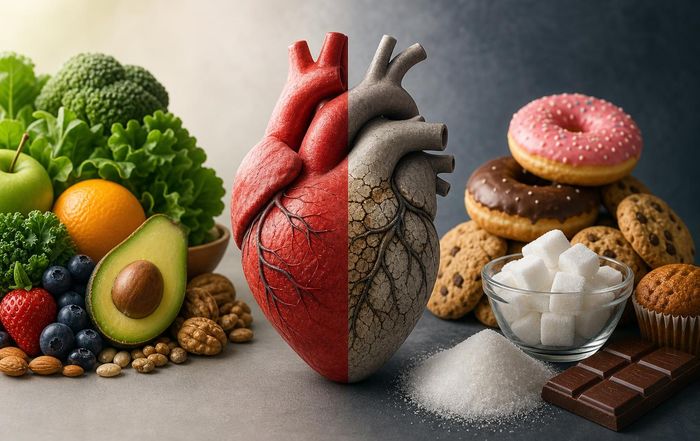
The Truth About Sugar and Your Health in 2026: What the Global Wellness Consumer Needs to Know
A New Era of Awareness Around Sugar
By 2026, sugar has become one of the most scrutinized ingredients in the global food and wellness landscape. Consumers from the United States and United Kingdom to Singapore, Japan, South Africa and Brazil are rethinking their relationship with sweetness, and health authorities across Europe, Asia, North America and beyond are issuing ever-stronger guidance on limiting added sugars. For a wellness-focused platform such as QikSpa, which connects spa and salon culture with health, beauty, nutrition, fitness, yoga, travel and sustainable living, the conversation about sugar is no longer academic; it is central to how modern individuals design their daily routines, long-term wellbeing strategies and even their professional and business choices.
Sugar is not inherently villainous; it is a fundamental source of energy and a naturally occurring component of many foods. Yet the scale, concentration and ubiquity of added sugars in contemporary diets have created a global public health challenge. As wellness consumers explore curated content on health, food and nutrition, wellness and lifestyle at QikSpa, they are seeking more than simple rules; they want nuanced, evidence-based insights that respect their lived realities, cultural preferences and ambitions for a vibrant, balanced life.
This article examines the truth about sugar and health through the lens of experience, expertise, authoritativeness and trustworthiness, integrating the latest global guidance with practical considerations for individuals, professionals and businesses in the spa, beauty, hospitality and wellness sectors.
Understanding Sugar: Types, Sources and Misconceptions
To make informed choices, it is essential to distinguish between different forms of sugar and how they appear in everyday diets. Sugars are a type of carbohydrate, and the most common forms in human nutrition are glucose, fructose and sucrose. Glucose is the body's primary energy currency, crucial for brain function and muscular activity. Fructose is naturally present in fruits and some vegetables, while sucrose, commonly known as table sugar, is composed of glucose and fructose.
Nutrition scientists and public health agencies, such as the World Health Organization, differentiate between intrinsic sugars, which are naturally present within whole foods like fruits, vegetables and plain dairy, and free or added sugars, which are added during processing, preparation or at the table. Guidance from organizations such as WHO and Public Health England consistently underscores that the primary concern lies with excessive intake of free sugars, especially those found in sugar-sweetened beverages, confectionery, sweetened dairy products, processed snacks and many convenience foods.
A persistent misconception is that all sugar is equally harmful and that fruit, for example, should be avoided because it contains fructose. In reality, whole fruits provide fiber, water, micronutrients and bioactive compounds that modulate how sugars are absorbed and metabolized. Research summarized by institutions such as Harvard T.H. Chan School of Public Health demonstrates that whole fruit consumption is associated with lower risk of type 2 diabetes and cardiovascular disease, whereas sugary drinks have the opposite association. Readers can explore this distinction further by reviewing educational materials on healthy eating patterns.
For wellness-oriented readers in Germany, Canada, Australia or Singapore who are navigating diverse food environments, the core principle is to recognize that context matters: sugar embedded in a matrix of fiber and nutrients behaves very differently from sugar added in large quantities to refined, low-fiber products.
The Global Health Impact of Excess Sugar
Excessive sugar intake has been convincingly linked to a range of health concerns that span the priorities of QikSpa's audience: metabolic health, weight management, skin health, oral health, mood, energy levels and long-term disease risk. In many countries, including the United States, United Kingdom, Mexico and South Africa, high consumption of sugar-sweetened beverages has been identified as a major driver of obesity, particularly among children and adolescents.
The U.S. Centers for Disease Control and Prevention highlights that diets high in added sugars are associated with increased risk of weight gain, type 2 diabetes, heart disease and non-alcoholic fatty liver disease. Readers interested in official guidance can review materials on added sugars and chronic disease. Similarly, the European Food Safety Authority and national agencies in France, Spain and the Netherlands have issued opinions emphasizing the need to reduce added sugar intake to protect cardiometabolic health.
The link between sugary drinks and obesity is particularly strong because liquids do not trigger the same satiety signals as solid foods, leading to higher total energy intake without compensatory reductions elsewhere. Studies summarized by organizations such as The World Obesity Federation show that reducing sugary drink consumption is one of the most effective population-level strategies for preventing obesity and related diseases. Those seeking a deeper dive into global trends can learn more about obesity and policy responses.
For wellness consumers in Asia, where rapid urbanization and dietary shifts have driven steep rises in type 2 diabetes, the implications are especially pressing. In countries like China, India, Thailand and Malaysia, rising sugar consumption intersects with genetic predispositions and changing physical activity patterns, creating a complex public health landscape that requires both individual and systemic responses.
Sugar, Skin, Beauty and the Spa Experience
For an audience deeply engaged with beauty, spa and salon culture and aesthetic wellbeing, the relationship between sugar and skin health is a critical, sometimes underestimated dimension. Excess sugar intake contributes to the formation of advanced glycation end products (AGEs), which are compounds formed when sugars bind to proteins or lipids in the body. These AGEs can damage collagen and elastin, the structural proteins that keep skin firm, supple and youthful.
Dermatology research, including work referenced by organizations such as the American Academy of Dermatology, indicates that chronic high sugar consumption can accelerate skin aging, contribute to loss of elasticity and exacerbate inflammatory skin conditions such as acne. Those interested in the dermatological mechanisms can explore resources on nutrition and skin health.
For spa and salon professionals in cities like London, New York, Dubai, Singapore and Sydney, this science translates into concrete opportunities to integrate nutritional guidance into client consultations. When clients seek anti-aging facials, advanced peels or non-invasive cosmetic procedures, conversations about sugar intake can become a natural extension of holistic care. A facial that stimulates collagen production will deliver far better results if the client's daily diet does not chronically damage those same collagen fibers through excessive sugar.
At QikSpa, the intersection of spa experience and nutritional awareness is central to the platform's mission. By complementing treatments with educational content on food and nutrition and wellness, spa-goers and beauty enthusiasts are empowered to make choices that sustain their results between appointments, whether they are visiting a boutique spa in Milan, a wellness resort in Bali or a medispa in Toronto.
Metabolic Health, Fitness and Performance
For readers exploring fitness, yoga and active lifestyles, sugar occupies a nuanced role that defies simplistic categorization. On one hand, readily available carbohydrates, including sugars, are valuable for high-intensity athletic performance, especially in sports such as sprinting, football, tennis or CrossFit, where rapid energy availability is essential. On the other hand, chronically elevated sugar intake, particularly from ultra-processed foods and sweetened beverages, undermines metabolic flexibility, increases visceral fat and can impair long-term performance and recovery.
Guidelines from organizations such as the American College of Sports Medicine and International Olympic Committee emphasize the importance of matching carbohydrate intake to training intensity and duration, rather than adopting a one-size-fits-all high-sugar or low-sugar approach. Athletes and fitness enthusiasts can review principles of sports nutrition through reputable resources like the Gatorade Sports Science Institute, which distills decades of research on carbohydrate timing and performance.
For wellness consumers in Germany, the Netherlands, Sweden or Denmark, where cycling, running and outdoor sports are integral to lifestyle, the key is to differentiate between strategic sugar use around intense training sessions and habitual snacking on sugary products throughout the day. An athlete may benefit from a carbohydrate gel during a marathon, yet that does not justify multiple sugary drinks in sedentary contexts.
Metabolic health is also closely tied to sleep, stress and hormonal balance, all of which are core themes within QikSpa's holistic coverage of health and lifestyle. Elevated sugar intake can cause rapid blood glucose spikes and crashes, leading to fluctuations in energy, mood and cravings that disrupt stable routines. Over time, recurrent spikes contribute to insulin resistance, a precursor to type 2 diabetes and a risk factor for cardiovascular disease, polycystic ovary syndrome and other conditions that disproportionately affect women.
Sugar, Mental Wellbeing and Emotional Eating
The relationship between sugar and mental wellbeing is complex, involving neurobiology, psychology and social context. Sugary foods can trigger rapid increases in blood glucose and stimulate the brain's reward pathways, releasing dopamine and creating feelings of pleasure or comfort. This neurochemical response partly explains why individuals under stress, fatigue or emotional strain often gravitate toward sweets, whether in busy offices in New York and London or in high-pressure tech hubs in Seoul and Singapore.
However, longitudinal research summarized by institutions such as University College London and King's College London suggests that high sugar intake, particularly from sweetened beverages and desserts, is associated with a higher risk of depression and anxiety over time. While causality is still being investigated, potential mechanisms include inflammation, oxidative stress and dysregulated blood sugar affecting mood stability. Those interested in the emerging science can explore overviews of diet and mental health from organizations such as Mind in the United Kingdom.
For many wellness consumers, emotional eating is not simply a matter of willpower but a coping strategy shaped by culture, upbringing and environment. Recognizing this, spa, salon and wellness professionals in cities from Paris and Barcelona to Cape Town and São Paulo are increasingly integrating mindfulness, coaching and stress management into their offerings. Platforms like QikSpa support this evolution by connecting readers with content on wellness, yoga and careers, acknowledging that workplace stress, long commutes and digital overload often drive sugar-seeking behaviors.
Mindful eating practices, which encourage individuals to slow down, tune into hunger and fullness cues and savor food without distraction, have been shown to reduce binge-eating episodes and improve dietary patterns. Evidence-based resources from organizations such as The Center for Mindful Eating provide practical frameworks for those seeking to integrate mindfulness into nutrition.
Navigating Labels, Marketing and "Healthy" Sugar Alternatives
In 2026, consumers in North America, Europe and parts of Asia are surrounded by products marketed as "natural," "low sugar," "no added sugar" or "keto-friendly," many of which rely on non-nutritive sweeteners, sugar alcohols or concentrated fruit juices. Understanding these claims is critical for informed decision-making and aligns with QikSpa's commitment to trustworthy, practical guidance.
Regulatory bodies such as the U.S. Food and Drug Administration and European Commission require that added sugars be listed on nutrition labels, and they define the conditions under which claims like "sugar-free" or "reduced sugar" can be used. Consumers can learn more about reading nutrition labels through official resources that explain serving sizes, total sugars and added sugars.
Non-nutritive sweeteners, including sucralose, aspartame, stevia and monk fruit extracts, offer sweetness with few or no calories. Scientific bodies such as EFSA and Health Canada have generally concluded that approved sweeteners are safe within established intake limits. However, ongoing research is exploring their long-term effects on gut microbiota, appetite regulation and metabolic health. Readers interested in the evolving evidence can consult updates from organizations like the National Institutes of Health, which provide accessible summaries on artificial sweeteners and health.
Sugar alcohols, such as xylitol and erythritol, are popular in "sugar-free" confectionery and dental products, especially in markets like Finland, Sweden and Japan where oral health awareness is high. While these compounds can reduce the risk of dental caries and provide fewer calories than sugar, excessive intake may cause digestive discomfort in sensitive individuals.
For wellness-minded consumers, the most sustainable approach is not to chase the latest "guilt-free" sweetener but to gradually recalibrate taste preferences toward less intense sweetness, emphasizing whole foods, balanced meals and mindful indulgence. When exploring recipes or product recommendations on QikSpa, readers are encouraged to apply this principle, recognizing that true wellbeing arises from overall patterns rather than isolated ingredients.
Cultural, Regional and Gender Dimensions of Sugar Consumption
Sugar consumption is deeply embedded in cultural traditions, celebrations and social rituals across continents. In Italy, France and Spain, desserts and pastries are integral to culinary identity; in India, Thailand and Malaysia, sweets play central roles in festivals and family gatherings; in the United Kingdom and South Africa, sugary tea and biscuits are woven into daily life. Any realistic conversation about sugar and health must respect these cultural contexts and avoid moralizing language that alienates rather than empowers.
Gender dynamics also shape sugar consumption patterns. Research in multiple regions suggests that women may be more likely to report cravings for sweet foods, partly due to hormonal fluctuations, social conditioning and targeted marketing of "indulgent" desserts and snacks. At the same time, women are often the primary decision-makers for household food purchases and are disproportionately engaged with wellness content, beauty services and spa experiences. For QikSpa, which dedicates specific attention to women and their holistic wellbeing, this dual role makes women both especially vulnerable to sugar-heavy marketing and uniquely powerful as agents of change within families and communities.
In emerging wellness markets such as China, Brazil and South Africa, rising incomes and urbanization have increased access to both ultra-processed foods and premium wellness services. Spa resorts, yoga studios and boutique fitness centers are flourishing alongside fast-food chains and convenience stores. The challenge, and opportunity, lies in integrating nutritional literacy into the expanding wellness economy, ensuring that new habits formed in Berlin, Toronto or Seoul do not simply replace one imbalance with another.
Business, Careers and the Sugar-Conscious Wellness Economy
The shift in consumer attitudes toward sugar has significant implications for businesses and careers in the spa, salon, hospitality, beauty and wellness industries. Entrepreneurs and professionals who understand the evolving science and consumer expectations are better positioned to innovate, differentiate and build trust.
Hotels, wellness retreats and destination spas in regions from Switzerland and Austria to New Zealand and Japan are reimagining their menus, reducing added sugars, highlighting naturally sweet whole foods and offering educational workshops on balanced eating. Restaurants and cafés aligned with wellness concepts are partnering with nutritionists and chefs to create desserts that rely on fruits, spices and textures rather than heavy doses of refined sugar. Those interested in hospitality trends can explore how leading establishments integrate sustainable food practices into their guest experiences through organizations like the UN World Tourism Organization.
For professionals building careers in wellness, nutrition, spa management or beauty therapy, understanding sugar's health implications is now a core competency rather than a niche interest. QikSpa's business and careers sections reflect this shift, offering insights into how sugar-savvy services, educational programs and brand partnerships can enhance credibility and client loyalty. A spa that offers a luxurious facial, a restorative yoga class and a low-sugar, nutrient-dense refreshment menu sends a powerful message about integrated care.
From a corporate responsibility perspective, multinational food, beverage and beauty companies are under increasing pressure from regulators, investors and consumers to reformulate products, reduce sugar content and market responsibly, especially to children. Investors tracking environmental, social and governance (ESG) performance are scrutinizing how brands contribute to or mitigate public health challenges. Those interested in this broader context can learn more about sustainable business practices through resources from the UN Environment Programme.
Sustainable, Travel and International Perspectives
Sugar production itself has environmental and social dimensions that resonate with QikSpa's focus on sustainable living and conscious travel. Large-scale cultivation of sugarcane and sugar beet in regions such as Brazil, India and parts of Africa and Asia can involve intensive water use, land-use change and labor concerns. Organizations such as Bonsucro work to promote more sustainable sugarcane production, and global travelers who prioritize ethical consumption increasingly seek transparency about sourcing and production practices. Those wishing to understand these issues can explore frameworks for sustainable agriculture through the Food and Agriculture Organization of the United Nations.
For wellness travelers exploring destinations from Bali and Phuket to Tuscany and the Swiss Alps, low-sugar, whole-food cuisine is becoming a hallmark of high-end wellness retreats. Travel operators and spa resorts are marketing detox programs, mindful eating retreats and culinary experiences that celebrate natural flavors, regional produce and traditional preparation methods that do not rely on excessive sugar. QikSpa's travel and international coverage highlights these trends, enabling readers to align their vacations with their health priorities rather than viewing travel as an inevitable disruption to healthy routines.
Sustainable sugar reduction strategies also intersect with urban planning and public policy. Cities in Scandinavia, Canada and parts of Asia are experimenting with policies that limit sugary drink sales in schools, impose taxes on sugar-sweetened beverages and support access to fresh fruits and vegetables in underserved neighborhoods. Public health advocates and policymakers can draw on evidence from organizations such as The Lancet Commission on Obesity, which examines policy levers for healthier food systems.
Practical Strategies for a Healthier Relationship with Sugar
While the science and policy landscape are complex, practical strategies for individuals share common themes across regions and lifestyles. Emphasizing whole, minimally processed foods; choosing water, unsweetened tea or coffee over sugary drinks; reserving sweets for intentional, enjoyable occasions rather than daily habits; and reading labels to identify hidden sugars in sauces, cereals, yogurts and snacks are all effective steps.
For those deeply engaged with wellness, yoga, spa culture and beauty, integrating sugar awareness into daily routines can be framed not as restriction but as refinement. A nourishing breakfast that stabilizes blood sugar can support sustained energy for a morning yoga practice; a low-sugar, high-fiber lunch can reduce afternoon slumps and enhance productivity; a mindful, modest dessert shared with friends can provide pleasure without derailing long-term goals.
Importantly, sustainable change rarely comes from drastic, short-term eliminations but from incremental shifts that respect individual preferences, cultural traditions and social realities. In Italy or France, this might mean savoring a smaller portion of a truly exceptional dessert; in the United States or Canada, it may involve gradually reducing sugary drinks and convenience snacks; in Japan or South Korea, it could take the form of choosing traditional sweets made with beans and rice over heavily processed Western confections.
The Role of QikSpa in a Sugar-Savvy Future
As the global conversation around sugar and health continues to evolve, QikSpa is positioned as a trusted guide for readers seeking clarity amid conflicting messages. By integrating expert perspectives across spa and salon, health, beauty, food and nutrition, fitness, yoga, fashion, travel, careers, business, lifestyle, sustainability and women's wellbeing, the platform offers a uniquely holistic view that reflects how real people live, work and aspire in 2026.
The truth about sugar is neither purely alarmist nor complacent. Sugar can coexist with health, beauty and vitality when approached with knowledge, intention and balance. For individuals in New York or Nairobi, London or Lagos, Tokyo or Toronto, the path forward lies in cultivating awareness, demanding transparency from brands and institutions, and embracing a lifestyle where sweetness enhances life rather than silently undermining it.
As readers explore the broader ecosystem of content at QikSpa, they are invited to view sugar not as an isolated villain but as one thread in a larger tapestry of choices that shape how they look, feel and perform, today and for years to come.
