
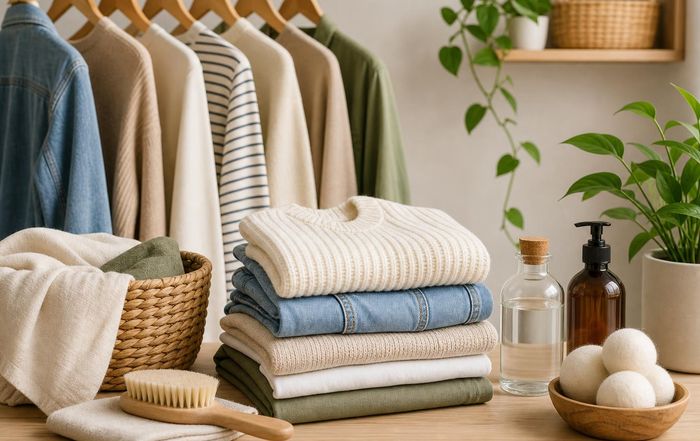
How to Care for Your Clothes to Make Them Last in 2026
The New Luxury: Longevity Over Constant Consumption
In 2026, as consumers around the world reassess their relationship with fashion, clothing longevity has become a quiet form of luxury. Instead of chasing every new trend, more people are choosing to invest in fewer, better garments and to care for them with intention so they look refined for longer and support a more sustainable lifestyle. For the audience of QikSpa, which already values holistic wellbeing across spa and salon experiences, health, wellness, beauty, and sustainable living, learning how to care for clothing is a natural extension of caring for body, mind, and environment.
As leading fashion councils and sustainability thinkers from organizations such as the Ellen MacArthur Foundation and Fashion for Good continue to highlight, extending the life of garments is one of the most powerful ways individuals can reduce fashion's environmental footprint while maintaining a polished, professional image. Readers in major fashion and business hubs across the United States, United Kingdom, Germany, Canada, Australia, France, Italy, Spain, the Netherlands, Switzerland, Singapore, Japan, South Korea, and beyond are increasingly aware that wardrobe decisions are no longer purely aesthetic; they are strategic lifestyle and business choices that reflect personal values and professional standards.
Why Clothing Longevity Matters for Health, Wellness, and Business
Caring for clothes is often framed as a purely practical or financial decision, but for the QikSpa community it sits at the intersection of wellness, self-presentation, and responsible consumption. Well-maintained garments contribute to a calmer morning routine, a more confident presence in business meetings, and a greater sense of control over personal style, all of which support overall wellbeing. When individuals open a wardrobe that is orderly, curated, and filled with pieces they trust, they reduce decision fatigue, align their appearance with their aspirations, and create a more harmonious lifestyle, echoing the broader principles explored in the lifestyle section of QikSpa.
From a business perspective, executives, entrepreneurs, and professionals across North America, Europe, Asia, and other regions recognize that clothing is part of a personal brand. A well-cared-for blazer, a crisp shirt, or a beautifully draped dress signals attention to detail and reliability, qualities that matter in boardrooms from New York and London to Singapore and Tokyo. Research shared by organizations like the Harvard Business Review and McKinsey & Company has repeatedly underscored that first impressions and consistent visual cues influence trust and perceived competence, reinforcing the importance of clothing care as a subtle but powerful business tool. Learn more about how professional image shapes leadership perception on Harvard Business Review.
On a broader scale, the environmental case is compelling. The United Nations Environment Programme notes that fashion remains one of the most resource-intensive industries, and extending the life of garments reduces demand for new production, lessening pressure on water, energy, and raw materials. Readers who already explore sustainable living guidance on QikSpa can see wardrobe care as a daily, tangible act of environmental responsibility that fits seamlessly into an existing wellness-oriented lifestyle.
Understanding Fabrics: The Foundation of Smart Care
The starting point for effective clothing care is understanding what garments are made from and how different fibers behave. Natural fibers such as cotton, linen, wool, and silk each have distinct strengths and vulnerabilities, while synthetics like polyester, nylon, and elastane, and blends that combine multiple fibers, respond differently to washing, heat, and friction. Professionals in fashion capitals from Milan and Paris to New York and Seoul increasingly emphasize fabric literacy as a core competency for anyone building a long-lasting wardrobe.
Cotton, widely used for shirts, casualwear, and undergarments, is breathable and comfortable yet prone to shrinking and fading if washed too hot or dried aggressively. Linen, favored in warmer climates such as Spain, Italy, Thailand, and parts of South Africa, offers exceptional breathability but creases easily, requiring careful ironing or steaming. Wool, essential in cooler regions like Scandinavia, Canada, and the United Kingdom, is naturally odor-resistant and resilient but can felt or shrink if exposed to high heat or rapid temperature changes, making gentle washing or professional cleaning crucial. Silk, long associated with luxury in markets from China and Japan to France, is delicate, sensitive to friction and harsh detergents, and typically benefits from handwashing in cool water or specialized dry cleaning.
Synthetic fibers introduce a different set of considerations. Polyester and nylon are durable and resistant to many forms of wear, yet they can trap odors and release microplastics during washing, a growing environmental concern documented by organizations such as the European Environment Agency. Elastane (spandex) provides stretch in activewear and fitted garments but can lose elasticity if exposed to high heat or harsh chemicals. Understanding these properties enables consumers to adjust washing temperatures, cycle types, and detergents to the specific needs of each garment, rather than relying on a one-size-fits-all approach that accelerates wear and tear. For a deeper technical overview of textile fibers and their characteristics, readers can consult resources from the Textile Exchange on their official website, where they discuss responsible fiber choices and care.
Reading Labels as a Daily Discipline
While fabric knowledge provides a conceptual foundation, the most practical guide remains the care label sewn into each garment. Yet in many households and even in high-end wardrobes, labels are frequently ignored, misunderstood, or cut out for comfort, leading to unnecessary damage. Making a habit of reading labels before the first wash, and periodically revisiting them, is one of the simplest yet most effective ways to extend clothing life.
Care symbols, standardized in many regions by organizations like the International Organization for Standardization (ISO), indicate temperature limits, recommended washing methods, suitability for tumble drying, ironing guidelines, and whether dry cleaning is advisable. In Europe and much of Asia, these symbols are widely used, while in North America and other regions, a combination of symbols and text is common. Learning to decode these symbols takes only a short investment of time but pays ongoing dividends in garment preservation; readers can explore a clear visual guide on the American Cleaning Institute website to become fluent in interpreting them.
For the QikSpa audience, which already pays attention to ingredient labels on skincare, nutrition information on food, and formulation details in wellness products, applying the same level of scrutiny to clothing labels is a natural extension of an informed lifestyle. Just as understanding active ingredients enhances the effectiveness of a skincare routine, knowing whether a blazer is "dry clean only" or "hand wash cold" can be the difference between a piece that lasts ten years and one that loses its shape in a single season. This mindset aligns with the broader, detail-oriented approach to self-care and presentation that runs through QikSpa's focus on beauty and health.
Washing Less, Washing Smarter
One of the most powerful yet counterintuitive strategies for making clothes last is to wash them less frequently. Many garments, particularly outer layers, structured pieces, and high-quality knits, do not need to be laundered after every wear. Over-washing causes fading, fiber breakage, pilling, and loss of shape, and it consumes energy and water unnecessarily. Experts from organizations such as the Environmental Protection Agency (EPA) and Carbon Trust have repeatedly noted that the use phase of clothing, especially washing and drying, accounts for a significant portion of its lifetime environmental impact. Learning how to reduce washing without compromising hygiene is therefore both a longevity and sustainability strategy.
For items worn directly against the skin, such as underwear, activewear, and base layers, regular washing remains essential for hygiene, especially for active readers engaged in fitness, yoga, or intense travel schedules. However, for jeans, suits, dresses, knitwear, and outerwear, airing garments between uses, spot-cleaning minor marks, and using garment refresh sprays or steamers can significantly extend the interval between washes. In cooler climates like Scandinavia, Canada, and parts of Germany, hanging garments outdoors in fresh air is a long-standing practice that reduces odors without mechanical washing, a tradition increasingly appreciated in urban centers worldwide.
When washing is necessary, choosing cooler temperatures, shorter cycles, and gentler spin speeds can protect fibers while still achieving cleanliness, particularly when combined with modern detergents formulated for cold water. The Energy Saving Trust and similar organizations in various countries recommend washing at 30°C (86°F) for many loads, which not only preserves color and fabric integrity but also reduces energy consumption, aligning with the environmentally conscious values of the QikSpa community. For delicate fabrics, using mesh laundry bags, closing zippers, fastening hooks, and turning garments inside out can further minimize friction and snagging during the wash.
Choosing Detergents and Additives Wisely
Detergent selection plays a crucial role in clothing longevity, skin health, and environmental impact. Harsh formulations with strong optical brighteners, high levels of bleach, and aggressive enzymes can degrade fibers over time, particularly in delicate or natural fabrics, and may also irritate sensitive skin. For readers already attentive to ingredients in skincare, nutrition, and wellness products, applying that same discernment to laundry products is an obvious next step.
In many markets, there has been a marked shift toward fragrance-free, dye-free, and hypoallergenic detergents that are gentler on both fabrics and skin, a trend supported by dermatological guidance from institutions such as the American Academy of Dermatology. These formulations can be particularly important for individuals with eczema, allergies, or sensitive skin, and for households where clothing comes into contact with spa treatments, skincare products, or essential oils that may interact with certain detergent chemicals. Learn more about fabric and skin sensitivities on the American Academy of Dermatology website.
For delicate fabrics such as silk, wool, and cashmere, specialized detergents with pH-balanced and enzyme-free formulas help preserve texture, color, and elasticity. The use of fabric softeners requires careful consideration; while they can make some garments feel smoother, they may coat fibers, reduce absorbency in towels and activewear, and contribute to buildup that shortens garment life. Many textile experts now recommend limiting softener use or replacing it with alternatives such as wool dryer balls for garments where softness is desired without chemical coating. This approach aligns with the holistic, health-conscious values present across QikSpa's coverage of wellness, food and nutrition, and lifestyle choices.
Drying and Ironing: Where Most Damage Happens
If washing is the first line of defense in clothing care, drying and ironing are often where the most serious, yet preventable, damage occurs. High-heat tumble drying can cause shrinkage, weaken elastic fibers, fade colors, and accelerate pilling, while aggressive ironing can scorch fabrics, create permanent shine marks, or distort delicate weaves. In business wardrobes, where tailored garments and fine materials are common, these risks are especially significant.
Air drying is consistently recommended by textile experts as the gentlest option for most garments. Hanging shirts, dresses, and trousers on appropriate hangers, and laying knitwear flat on clean towels or drying racks, helps preserve shape and reduces stress on seams and fibers. In humid climates such as parts of Southeast Asia or coastal regions, ensuring adequate airflow and avoiding prolonged dampness is important to prevent mildew, a concern frequently discussed by home care specialists and health organizations like the World Health Organization in the context of indoor air quality. For time-pressed professionals, combining partial tumble drying on low heat with final air drying can be a practical compromise that protects garments while meeting modern scheduling demands.
Ironing and steaming require equal care. Many modern fabrics benefit more from steaming than from direct-contact ironing, as steam relaxes fibers and removes wrinkles without the risk of scorching. For wool suits, silk blouses, and delicate dresses, a quality handheld or standing steamer can significantly extend garment life and maintain a refined appearance. When ironing is necessary, using the correct temperature settings for each fabric, employing a pressing cloth on delicate or dark items, and avoiding excessive pressure on seams and embellishments are essential techniques. Detailed guidance on safe ironing practices can be found through consumer advice organizations such as Consumer Reports, which regularly tests and reviews garment care appliances.
Storage as a Strategic Practice
Long-term clothing care depends heavily on how garments are stored between wears and across seasons. Poor storage can lead to stretching, color fading, moth damage, mold, and deformation of structured pieces. For a global audience that may rotate wardrobes across different climates-winter coats for Switzerland and Sweden, lightweight linens for Thailand and Brazil, business attire for major cities in North America and Asia-thoughtful storage is a strategic practice rather than an afterthought.
Structured garments such as blazers, coats, and tailored dresses benefit from sturdy, shaped hangers that support the shoulders and maintain form. Lightweight, slippery fabrics like silk or satin should be hung on velvet or padded hangers to prevent slipping and creasing. Heavy knitwear, including cashmere and wool sweaters, should be folded rather than hung to avoid stretching and shoulder bumps. These principles are widely endorsed by fashion houses and textile conservation experts, including those at institutions like the Victoria and Albert Museum in London, which shares guidance on preserving historical garments and textiles.
Seasonal storage requires additional attention. Before storing garments for months, they should be cleaned to remove body oils, food residues, and environmental pollutants that can attract pests or cause discoloration. Breathable garment bags made from cotton or linen are preferable to airtight plastic, as they allow fabrics to breathe while protecting from dust and light. In regions where moths and other fabric pests are common, using cedar blocks, lavender sachets, or other natural repellents can help protect wool and other animal fibers without resorting to harsh chemicals. These practices align with the broader focus on natural, health-conscious choices explored in QikSpa's content on wellness and lifestyle.
Repair, Alteration, and the Return of Craft
Extending the life of clothing is not only about prevention; it is also about repair and adaptation. In recent years, there has been a notable resurgence of interest in sewing, mending, and tailoring across markets from the United States and the United Kingdom to Japan, South Korea, and Scandinavia. This revival is driven partly by sustainability concerns and partly by a desire for individuality and craftsmanship. For the QikSpa audience, which appreciates curated experiences in spa and salon settings and personalized approaches to fashion, repair and alteration can be seen as extensions of personal style and self-care.
Simple repairs, such as reattaching buttons, fixing loose hems, or closing small seams, can be learned quickly and executed at home with minimal tools. More complex work, including resizing, re-lining jackets, or reshaping garments to suit changing body proportions or style preferences, can be entrusted to professional tailors and seamstresses. In major cities around the world, from New York and Toronto to Berlin and Singapore, high-quality alteration services are increasingly recognized as an essential part of a conscious wardrobe strategy. Guides and tutorials from organizations like the Craft Council and educational platforms such as Coursera offer accessible ways to build basic mending skills.
Repair culture also intersects with mental wellbeing and creativity. Many individuals report that visible mending, embroidery, and customization provide a mindful, calming activity that complements other wellness practices such as yoga and meditation, themes frequently explored in QikSpa's yoga and wellness content. Transforming a worn cuff with decorative stitching or refreshing a faded jacket with new buttons can renew emotional connection to a garment and delay the desire for replacement, supporting both sustainability and personal satisfaction.
Integrating Clothing Care into a Holistic Lifestyle
For the global QikSpa community, clothing care is not an isolated chore but an integral part of a broader lifestyle that values health, beauty, wellness, and conscious consumption. Just as readers invest in skincare routines, spa treatments, balanced nutrition, and fitness to support long-term wellbeing, they can approach wardrobe care as an ongoing ritual that supports confidence, reduces waste, and enhances daily life. A carefully maintained wardrobe makes it easier to dress elegantly for business meetings in London, client dinners in New York, wellness retreats in Bali, or cultural events in Paris, reflecting a consistent personal brand across international contexts.
This holistic view also recognizes that clothing choices intersect with other aspects of lifestyle. Selecting breathable, natural fabrics that are kind to the skin aligns with health priorities; choosing versatile, timeless pieces that work across seasons and regions supports a minimalist, travel-friendly approach; and investing in quality garments from brands committed to ethical production reinforces values around sustainability and social responsibility. Readers interested in how these themes intersect with careers and business can explore more perspectives in QikSpa's business and careers sections, where professional development and personal presentation are treated as interconnected.
Internationally, attitudes toward clothing care vary, but the underlying principles of longevity, respect for materials, and attention to detail are universal. Whether in the fashion-forward streets of Milan, the minimalist wardrobes of Scandinavia, the precision-tailored suits of Tokyo, or the relaxed yet polished styles of Sydney and Auckland, those who care for their clothes with intention project a sense of self-respect and environmental awareness that transcends trends and borders.
Looking Ahead: Clothing Care as a Core Wellness Practice
As 2026 continues to unfold, clothing care is increasingly recognized not only as a domestic task but as a core wellness and sustainability practice. The same mindset that drives individuals to choose nutrient-dense foods, prioritize restorative sleep, and seek out restorative spa experiences can be applied to the garments that accompany them through daily life. By understanding fabrics, reading labels, washing less and smarter, choosing gentle detergents, drying and ironing with care, storing strategically, and embracing repair, individuals can significantly extend the life of their clothes, reduce environmental impact, and cultivate a calmer, more intentional relationship with their wardrobes.
For QikSpa, whose mission encompasses wellness, health, beauty, and lifestyle across global audiences, clothing care is an essential chapter in the story of modern, holistic living. It is a quiet but powerful practice that touches daily routines, professional image, environmental responsibility, and even emotional wellbeing. In a world that often feels fast and disposable, choosing to care for clothes with patience and expertise is a deliberate act of respect-for oneself, for the artisans and workers who created each garment, and for the planet that provides the resources from which they are made.
