
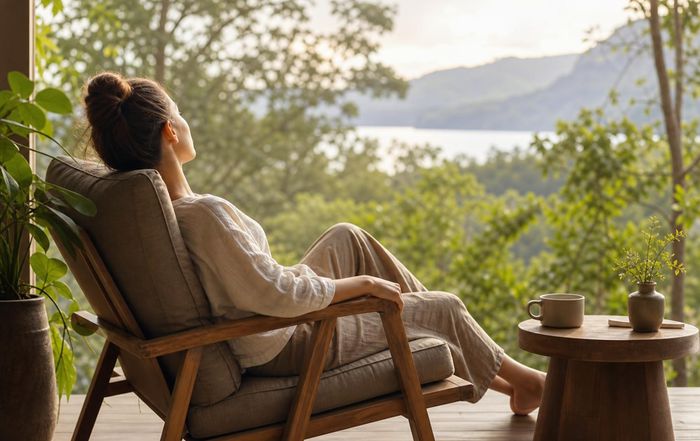
The Art of Doing Nothing for Your Health
Redefining Productivity in a Restless World
The global wellness conversation has matured from a narrow focus on optimization and constant achievement to a more nuanced understanding that true health includes intentional pauses, mental stillness and the courage to disconnect. Around the world, professionals, entrepreneurs and creatives are discovering that the art of doing nothing is not laziness or disengagement, but a sophisticated, evidence-backed practice that enhances performance, emotional balance and long-term wellbeing. For QikSpa and its audience across spa, salon, health, wellness and lifestyle sectors, this shift represents both a personal invitation and a strategic business opportunity.
As work, social interaction and entertainment have migrated onto digital platforms, the boundaries between professional and personal time have eroded. Research from organizations such as the World Health Organization shows that chronic stress and burnout are now major public health challenges, particularly in high-income countries and fast-growing economies. Learn more about the global impact of stress and overwork on health at World Health Organization. At the same time, leaders in psychology and neuroscience are demonstrating that periods of deliberate idleness are essential for memory consolidation, creativity and emotional regulation, which means that "doing nothing" is increasingly being recognized as a high-impact health intervention rather than an indulgence.
Within this context, QikSpa positions the art of doing nothing as a central pillar in its approach to modern wellness, weaving it into insights on spa and salon experiences, health, wellness, lifestyle and business. By reframing rest as a skill, a discipline and a strategic asset, the platform speaks directly to professionals and consumers in the United States, Europe, Asia and beyond who are seeking sustainable ways to thrive in an always-on world.
The Science Behind Intentional Idleness
The concept of doing nothing has deep roots in philosophy and culture, from the Italian notion of "dolce far niente" to Eastern contemplative traditions, yet in recent years it has gained scientific validation from leading research institutions. Studies summarized by Harvard Medical School show that when the brain is not actively engaged in a task, it shifts into what neuroscientists call the "default mode network," a state associated with self-reflection, creative problem-solving and emotional processing. Explore how the brain benefits from downtime at Harvard Health Publishing.
This default mode is not a sign of laziness; it is a critical maintenance mode in which the brain integrates experiences, consolidates memories and rehearses future scenarios. According to research highlighted by the American Psychological Association, chronic overloading of cognitive resources without adequate rest leads to decision fatigue, impaired judgment and heightened anxiety, all of which undermine professional performance and personal wellbeing. Learn more about the psychological necessity of rest at American Psychological Association.
From a physiological perspective, intentional rest and unstructured time can positively influence cardiovascular health, immune function and metabolic balance. Chronic stress activates the sympathetic nervous system and the hypothalamic-pituitary-adrenal axis, increasing cortisol and inflammatory markers. Evidence from the National Institutes of Health indicates that practices which slow the nervous system-such as quiet reflection, gentle breathing or simply gazing out a window without agenda-can help shift the body toward parasympathetic dominance, supporting recovery and resilience. Further insights on stress physiology and recovery can be found at National Institutes of Health.
For the global audience of QikSpa, these findings validate the intuitive understanding that spa rituals, stillness and simple pauses during the day are not luxuries reserved for vacations, but essential elements of modern health management, just as important as nutrition, exercise and sleep.
Doing Nothing as a Strategic Wellness Practice
Transforming the art of doing nothing from an abstract idea into a practical wellness strategy requires a shift in mindset. In many business cultures across North America, Europe and Asia, idleness has long been associated with lack of ambition, which has led to a pervasive "always busy" identity. Yet leading organizations such as McKinsey & Company have documented that high-performing executives and teams benefit from structured downtime, including digital disconnection and reflective space, to maintain clarity and innovation. Learn more about how rest impacts leadership performance at McKinsey & Company.
The modern wellness consumer is now applying these insights personally. Instead of filling every spare moment with content consumption or micro-tasks, individuals are beginning to schedule unstructured intervals in their day, whether as short breaks between meetings, silent morning rituals or technology-free evenings. This approach aligns closely with the holistic philosophy promoted across QikSpa's content, linking mental stillness to fitness, yoga, food and nutrition and beauty routines.
Internationally, this movement is reinforced by public health guidance. The Centers for Disease Control and Prevention in the United States emphasizes the importance of stress management and mental health as integral to chronic disease prevention, highlighting the role of relaxation and downtime. Explore stress and mental health recommendations at CDC. Similarly, agencies such as Public Health England and the European Commission have underscored the need for mental wellbeing initiatives that encourage breaks and restorative activities in the workplace. Learn more about mental health in Europe at European Commission.
For wellness professionals, spa owners and salon managers who follow QikSpa, the implication is clear: integrating the art of doing nothing into service design, client education and staff wellbeing policies is no longer optional; it is a competitive differentiator that aligns with global health priorities and consumer expectations.
Spa and Salon Spaces as Sanctuaries of Stillness
Among the many environments that can support the art of doing nothing, spas and salons are uniquely positioned to act as sanctuaries of stillness, particularly for urban professionals and frequent travelers. Historically, spa culture in regions such as Europe and Asia has blended therapeutic treatments with social connection and contemplative rest, from the thermal baths of Germany and Italy to the onsen traditions of Japan. Today, modern wellness destinations are rediscovering this heritage and emphasizing unstructured relaxation as much as advanced treatments.
On QikSpa, the focus on spa and salon experiences reflects this evolution, highlighting how design, lighting, soundscapes and service rituals can gently guide guests into a state of mindful idleness. Rather than rushing clients from one treatment to another, forward-thinking operators are curating pre- and post-treatment quiet zones, encouraging guests to arrive early, sit in silence, hydrate mindfully and simply breathe without reaching for their phones.
International hospitality leaders such as Six Senses and Aman have incorporated contemplative spaces and digital detox programs into their wellness offerings, recognizing that silence and stillness are as valued as massages or facials. Learn more about integrated wellness hospitality concepts at Six Senses and explore luxury wellness retreats at Aman. This philosophy resonates strongly with QikSpa's global readership in markets like the United States, United Kingdom, Germany, Singapore and Australia, where high-pressure work cultures have created a strong demand for restorative micro-retreats.
For spa and salon professionals, embracing the art of doing nothing means training staff to protect quiet moments, redesigning waiting areas as calm lounges rather than transactional spaces and communicating to clients that unhurried time on-site is part of the therapeutic value, not an inefficiency.
Health, Nutrition and the Power of Pausing
The benefits of doing nothing extend beyond mental restoration into physical health and nutritional balance. In many industrialized nations, rapid eating, distracted meals and constant snacking have contributed to metabolic disorders, digestive issues and weight gain. The simple act of slowing down, sitting quietly before meals and eating without multitasking can improve digestion and satiety signals, according to guidance from organizations such as The Mayo Clinic. Learn more about mindful eating and health at Mayo Clinic.
On QikSpa, the connection between intentional pauses and food and nutrition is central to a holistic lifestyle. By encouraging readers to carve out undistracted time for meals, to step away from screens and to allow brief moments of stillness before and after eating, the platform reinforces that doing nothing is not separate from healthy living but embedded in daily rhythms. This approach is particularly relevant for professionals who work across time zones, travel frequently between regions such as North America, Europe and Asia and struggle with irregular eating patterns.
In addition, rest and unstructured time play a crucial role in supporting immune function and recovery from illness. Health authorities including Health Canada and NHS England highlight that fatigue, frequent infections and mood disturbances are common signs of stress overload and insufficient recovery. Discover more about the relationship between rest and immune health at Health Canada and explore stress-related health guidance at NHS. By normalizing short periods of non-activity throughout the day, individuals give their bodies the space to repair and recalibrate, complementing exercise, nutrition and medical care.
For QikSpa's audience, especially women balancing careers, family responsibilities and social expectations, these insights provide permission to prioritize pauses as a core health behavior, not a negotiable luxury.
Fitness, Yoga and the Quiet Edge of Performance
In the fitness world, the concept of recovery has long been understood in terms of rest days and sleep, but the art of doing nothing adds another dimension: conscious, wakeful idleness that supports nervous system balance and mental reset. High-intensity training, whether for athletes in Europe and Asia or recreational exercisers in North America and Australia, places significant stress on both body and mind. Without deliberate downtime, performance gains plateau and injury risk increases.
Sports science organizations such as the American College of Sports Medicine emphasize that recovery is as important as training for long-term performance and injury prevention. Learn more about the science of recovery and performance at American College of Sports Medicine. For QikSpa's readers interested in fitness, integrating short periods of doing nothing-lying quietly after a workout, sitting in a park without headphones or resting in a spa relaxation room-can enhance heart rate variability, reduce perceived exertion and improve motivation for subsequent sessions.
Yoga traditions, particularly those originating in India and now widely practiced in Europe, North America and Asia, have long understood the value of stillness. Poses such as Savasana are not merely closing rituals but essential components where the body and mind assimilate the benefits of practice. Modern yoga research, summarized by institutions such as Cleveland Clinic, shows that these restful intervals can lower blood pressure, reduce anxiety and support better sleep. Explore how yoga and relaxation influence health at Cleveland Clinic. On QikSpa's yoga and wellness sections, the art of doing nothing is presented as a sophisticated extension of these traditions, adapted for busy professionals who may only have a few minutes each day to pause.
By framing idleness as a performance enhancer rather than a barrier to progress, QikSpa helps readers in cities from New York and London to Singapore and Tokyo re-evaluate how they structure their training, commuting and evening routines.
Beauty, Fashion and the Aesthetics of Rest
In the beauty and fashion industries, the conversation has gradually expanded from external appearance to include inner wellbeing and authenticity. Consumers in markets such as France, Italy, South Korea and Japan are increasingly aware that chronic stress, poor sleep and digital fatigue show up on the skin and in overall appearance. Dermatology research referenced by organizations like the American Academy of Dermatology links chronic stress and lack of rest to conditions such as acne, eczema and premature aging. Learn more about how stress affects skin health at American Academy of Dermatology.
For QikSpa, which curates insights on beauty and fashion, the art of doing nothing becomes part of a broader narrative of "slow beauty" and intentional style. Allowing the face to rest without constant expressions, giving the eyes a break from screens and creating unhurried evening rituals before skincare can enhance both the effectiveness of products and the experience of self-care. In this sense, idleness is not only functional but aesthetic, contributing to a calmer presence and more grounded personal style.
The global fashion industry has also seen the rise of slower, more sustainable approaches, particularly in Europe and the Nordic countries, where minimalism and mindful consumption are gaining prominence. Organizations such as the Ellen MacArthur Foundation advocate for circular and sustainable fashion systems that encourage thoughtful purchasing and longer product lifecycles. Learn more about sustainable fashion and circular design at Ellen MacArthur Foundation. The same mindset that values fewer, better garments and more intentional styling naturally aligns with valuing unstructured time and mental space, reinforcing QikSpa's message that external elegance and internal calm are deeply connected.
Global Cultures of Stillness and Doing Nothing
Across regions, cultural attitudes toward doing nothing vary, yet there is a shared recognition that stillness holds value. In Mediterranean countries such as Italy and Spain, traditions of leisurely meals, afternoon breaks and unhurried socializing have historically protected pockets of idleness within daily life. In Scandinavian nations like Sweden, Denmark and Norway, concepts such as "lagom" and "hygge" emphasize balance, comfort and sufficiency, encouraging people to step back from overwork and enjoy simple, quiet pleasures.
In East Asia, practices such as Japanese forest bathing, or "shinrin-yoku," and Korean temple stays offer structured opportunities to immerse in nature and silence. Research supported by the Japanese Society of Forest Medicine and other organizations indicates that unstructured time in natural environments can reduce cortisol, lower blood pressure and improve mood. Learn more about the health benefits of forest bathing at Forest Therapy Hub. These traditions resonate strongly with QikSpa's international audience, particularly travelers and expatriates who seek grounding rituals amid frequent transitions.
At the same time, rapid urbanization and digitalization in global cities from New York and London to Shanghai and São Paulo have eroded many of these cultural buffers. The art of doing nothing thus becomes not only a personal practice but a form of cultural preservation and adaptation, helping individuals reconnect with slower, more human rhythms within hyper-connected environments. QikSpa's coverage of travel and lifestyle offers practical ways to incorporate stillness into itineraries, whether through choosing hotels with wellness amenities, scheduling unscripted days during business trips or seeking local parks and quiet cafes in unfamiliar cities.
Sustainable Living, Women's Wellbeing and the Future of Work
The art of doing nothing intersects deeply with sustainability, gender equity and the evolving nature of work. On the sustainability front, constant consumption and frenetic lifestyles drive environmental strain, whereas slower, more reflective ways of living tend to reduce unnecessary purchases, travel and energy use. Organizations like the United Nations Environment Programme have highlighted the link between consumer behavior, wellbeing and environmental impact, encouraging lifestyles that are both fulfilling and less resource-intensive. Learn more about sustainable lifestyles and wellbeing at UN Environment Programme.
For QikSpa, which explores sustainable living and women's wellbeing, this connection is particularly relevant. Women across continents often carry disproportionate burdens of caregiving, emotional labor and multitasking, making intentional idleness both a personal health necessity and a subtle act of self-advocacy. Creating space to do nothing-without guilt or explanation-can help rebalance relationships, clarify priorities and prevent burnout, especially for those navigating demanding careers in sectors such as finance, technology, healthcare and hospitality.
The future of work, accelerated by remote and hybrid models, also demands a rethinking of productivity and presence. Organizations such as the World Economic Forum have documented how flexible work can either enhance or erode wellbeing depending on how boundaries and downtime are managed. Explore insights on mental health and the future of work at World Economic Forum. For professionals planning careers in 2026 and beyond, the ability to protect non-negotiable periods of doing nothing will be as critical as technical skills or networking, shaping sustainable career trajectories that integrate health, ambition and personal fulfillment.
Integrating the Art of Doing Nothing into Daily Life
For readers of QikSpa across North America, Europe, Asia, Africa and South America, integrating the art of doing nothing into daily life does not require dramatic lifestyle changes or extended retreats. Instead, it involves subtle yet deliberate shifts: leaving small gaps between meetings instead of scheduling back-to-back calls, allowing a few minutes of quiet upon waking before reaching for devices, sitting in stillness after a meal, or turning a weekly spa or salon visit into a protected window of digital-free, agenda-free time.
Health and wellness organizations such as the Global Wellness Institute emphasize that micro-practices-short, consistent behaviors embedded into routines-are often more sustainable and impactful than occasional, intensive interventions. Learn more about global wellness trends and practices at Global Wellness Institute. By framing doing nothing as a micro-practice that can be integrated into commuting, travel, home life and professional schedules, QikSpa offers a realistic pathway for its audience, many of whom operate in high-pressure industries and multicultural environments.
Within the broader ecosystem of health, wellness, business and lifestyle content, the art of doing nothing emerges as a unifying thread. It connects spa rituals to boardroom decisions, fashion choices to environmental responsibility, fitness goals to emotional resilience and personal aspirations to collective wellbeing.
A New Standard of Health for a Connected World
The global conversation about health is moving beyond the traditional metrics of weight, blood pressure and productivity hours toward a more comprehensive definition that includes mental space, emotional depth and the capacity to be present without constant stimulation. In this evolving landscape, the art of doing nothing is not a retreat from ambition but a refinement of it, enabling individuals and organizations to operate with greater clarity, creativity and humanity.
For QikSpa, this philosophy is not theoretical; it shapes how the platform curates insights across spa and salon, wellness, beauty, nutrition, fitness, yoga, fashion, travel, careers and sustainable living, offering readers a coherent framework for designing lives that are both successful and deeply restorative. As professionals, entrepreneurs, creatives and caregivers around the world reconsider what it means to live well, the simple, radical act of doing nothing-regularly, intentionally and without apology-may prove to be one of the most powerful health practices of the decade.
