
Luxury Spa Resorts in the United Kingdom: Where Heritage, Wellness, and Modern Luxury Converge in 2026
The United Kingdom in 2026 continues to embody a rare blend of heritage, modern sophistication, and wellness-focused innovation that appeals to discerning travelers from across the globe. For the international audience of QikSpa.com, whose interests span lifestyle, wellness, beauty, travel, and business, the UK's luxury spa resorts represent far more than indulgent retreats; they are strategic destinations for restoring energy, enhancing performance, and aligning personal wellbeing with the demands of contemporary life. From historic country estates and lakeside sanctuaries to urban icons in London and Edinburgh, the UK has refined a spa culture that is at once deeply rooted in tradition and fully aligned with cutting-edge wellness science, sustainable practices, and personalized guest journeys.
In a world where wellness tourism has become a central pillar of global travel, the UK's position is increasingly prominent. International visitors from the United States, Canada, Germany, France, Italy, Spain, the Middle East, China, Japan, Australia, and beyond now view the country as a hub where cultural richness, medical-grade expertise, and luxury hospitality converge. For QikSpa's audience, who often navigate demanding careers while pursuing elevated standards of health, fitness, and lifestyle, the UK spa landscape offers destinations that are not only beautiful and exclusive but also credible, evidence-based, and trustworthy. This alignment with Experience, Expertise, Authoritativeness, and Trustworthiness (EEAT) is central to how QikSpa.com curates and interprets the evolving spa and wellness scene for a global readership.
Wellness Tourism in the UK: A Mature, Data-Driven Market
The wellness tourism sector has moved decisively from trend to long-term structural shift, and the UK is one of its most sophisticated markets. Industry research from organizations such as the Global Wellness Institute shows that wellness tourism surpassed pre-pandemic levels and is projected to grow steadily through 2027, with Europe and North America remaining primary demand centers. Readers can learn more about the global wellness economy to understand the macro forces underpinning this expansion. The UK, with its strong healthcare infrastructure, advanced hospitality sector, and reputation for regulatory rigor, has leveraged these strengths to build spa offerings that combine relaxation with measurable health benefits.
In practice, this means that luxury spa resorts are increasingly integrating sleep diagnostics, stress management programs, nutrition consultations, and mental health support into their core propositions. Properties that once focused predominantly on massage and beauty are now hosting multidisciplinary teams that may include nutritionists, physiotherapists, mindfulness coaches, and skin health specialists. This evolution resonates deeply with QikSpa readers who regularly explore health, food and nutrition, and fitness as interconnected elements of a high-performance lifestyle.
The UK's role is also reinforced by its connectivity. Major hubs such as London Heathrow, Gatwick, Manchester, and Edinburgh offer direct links from North America, Europe, the Middle East, and Asia, making it feasible for time-poor executives and entrepreneurs to schedule short yet impactful wellness breaks. Organizations such as the World Travel & Tourism Council highlight how wellness-oriented trips now form a growing share of premium travel itineraries, and the UK's spa resorts are increasingly designed to accommodate this demand with flexible, high-intensity programs that deliver results in as little as two or three days.
Heritage Meets Hydrotherapy: Bath, Berkshire, and Beyond
The UK's most iconic spa destinations derive much of their authority from history. Nowhere is this more evident than in Bath, where the thermal waters that attracted the Romans have been reimagined for the 21st-century traveler. The Gainsborough Bath Spa is a benchmark example: a five-star hotel that allows guests direct access to naturally heated mineral-rich waters within an elegant, contemporary setting. Here, hydrotherapy circuits, thermal pools, and tailored body rituals are informed by both ancient bathing traditions and modern hydrotherapy science, giving the property a credibility that goes beyond aesthetics. Visitors interested in the city's broader heritage can explore Bath's cultural and architectural legacy to deepen their understanding of how wellness has long been embedded in the region's identity.
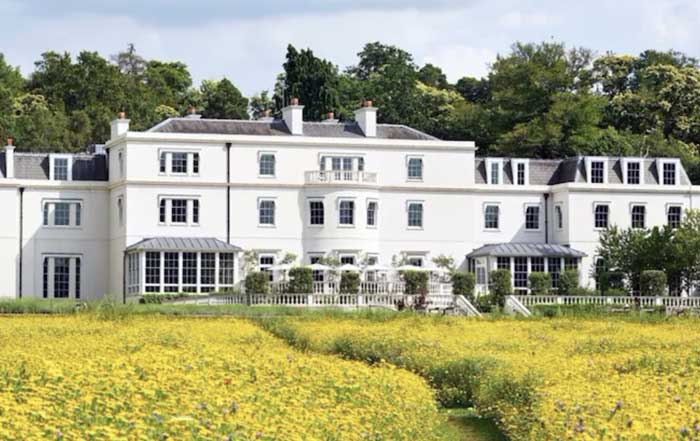
In Berkshire, Cliveden House and Coworth Park represent two distinct but complementary interpretations of English country luxury. Cliveden House, with its aristocratic history and manicured grounds, offers a spa concept that emphasizes restorative calm, hydrotherapy, and advanced skincare, all framed by a narrative of discretion and exclusivity. Coworth Park, part of the Dorchester Collection, stands out for its eco-conscious spa architecture-sunken into the landscape, bathed in natural light, and surrounded by wildflower meadows-which reflects how sustainability has become synonymous with modern luxury. Guests interested in how such estates are preserved and curated often learn more about British historic houses and their stewardship, recognizing that the preservation of heritage is itself a form of cultural sustainability.
For QikSpa's audience, these properties exemplify how a spa stay can be curated as a multidimensional experience that touches on travel, lifestyle, and sustainable living, rather than existing as an isolated indulgence.
Urban Icons: London's Fusion of Global Wellness and Business Travel
London remains one of the world's primary nodes for finance, technology, fashion, and culture, and its leading hotels have evolved spa concepts that cater to a sophisticated, international clientele. The Langham, London, with its Chuan Spa, is a prominent example of how urban wellness can be both luxurious and deeply rooted in tradition. Chuan's philosophy is anchored in the principles of Traditional Chinese Medicine (TCM), with treatments structured around the five elements and designed to rebalance energy, improve sleep, and reduce stress. This East-West synthesis positions The Langham as a credible destination for global travelers already familiar with TCM practices in regions such as China, Hong Kong, or Singapore, yet seeking them within a European setting.
For business travelers, the ability to move seamlessly between high-level meetings and structured recovery is no longer a luxury but a necessity. London's top spas have responded by offering compressed yet effective programs-jet lag recovery protocols, digital fatigue treatments, and express yet clinically informed facials-that align with the realities of executive schedules. Readers who regularly engage with QikSpa's business and careers content will recognize how these offerings support sustained performance, cognitive clarity, and emotional resilience, all of which are now recognized as competitive advantages in demanding sectors.
Beyond the spa itself, London's position as a global fashion and beauty capital also shapes the partnerships and product lines featured in leading hotels. Collaborations with brands such as ESPA, Elemis, and Bamford reflect a deliberate alignment with scientifically validated skincare and ethically grounded sourcing. Industry observers can follow beauty and wellness innovation through platforms such as Vogue, where the intersection of skincare science, fashion, and lifestyle is increasingly prominent.
Countryside Wellness: Nature, Sleep, and Slow Living
While London appeals to those seeking urban sophistication, many QikSpa readers are equally drawn to the UK's countryside retreats, where nature, silence, and space become primary wellness assets. Properties such as Rudding Park in North Yorkshire, Chewton Glen and Lime Wood in the New Forest, and Lucknam Park in Wiltshire have refined a model that integrates landscape, nutrition, and activity into cohesive, evidence-based wellness journeys.
Rudding Park has earned a reputation for its rooftop spa garden and its focus on sleep health, stress reduction, and preventive care. Programs may include sleep consultations, guided hydrotherapy sequences, mindfulness sessions, and nutrition advice, reflecting the growing recognition that restorative sleep and nervous system regulation are foundational to long-term wellbeing. Readers can deepen their understanding of sleep science through resources such as the National Health Service sleep guidance and then see how these principles are translated into practical protocols within a luxury environment.
In the New Forest, Chewton Glen and Lime Wood illustrate how nature immersion is being reframed as a premium, not rustic, experience. Chewton Glen's treehouse suites and woodland trails encourage digital disconnection and reconnection with the natural environment, while its spa offers hydrotherapy, advanced facials, and body treatments that draw upon both local and international techniques. Lime Wood's Herb House Spa, with its emphasis on organic botanicals, herbal therapies, and the Raw & Cured healthy food concept, reflects a philosophy where food and nutrition are fully integrated into the wellness narrative. Visitors can learn more about the New Forest as a protected landscape to appreciate how conservation and wellness increasingly intersect in these regions.
Lucknam Park extends this model by combining spa facilities with an equestrian center and cookery school, reinforcing the idea that experiential learning-whether culinary skills or horsemanship-can be part of a broader lifestyle reset. This approach aligns strongly with QikSpa's focus on holistic wellbeing, where wellness is linked to skill-building, creativity, and meaningful leisure.
Scotland and Wales: Scenic Powerhouses of Active Wellness
Beyond England, Scotland and Wales have strengthened their positions as high-value wellness destinations that leverage dramatic landscapes and outdoor activities. The Gleneagles Hotel in Perthshire, long renowned for its championship golf courses, has invested heavily in a spa concept that draws on Scottish botanicals, hydrotherapy, and sports recovery treatments. Guests who spend days golfing, hiking, or cycling can access physiotherapy-informed massages, thermal suites, and targeted muscle recovery protocols that align with the needs of active travelers. Those interested in exploring Scotland's broader tourism ecosystem can discover more through VisitScotland, which increasingly highlights wellness as a core theme.
On the shores of Loch Lomond, Cameron House offers another powerful example of scenic wellness. Its spa, featuring an infinity pool overlooking the loch, uses marine-based products and locally inspired rituals that connect guests to the water, air, and rugged beauty of the surrounding national park. Visitors can learn more about Loch Lomond & The Trossachs National Park to understand how environmental stewardship and high-end tourism are being balanced in this region. For QikSpa's audience, particularly those engaged with fitness and outdoor pursuits, such destinations demonstrate how physical exertion and deep recovery can be choreographed into a single, cohesive itinerary.
In Wales, the Celtic Manor Resort near Newport shows how a property best known for hosting the 2010 Ryder Cup can simultaneously operate as a large-scale spa and conference destination. The Forum Spa is one of the largest in the UK, with a Roman-inspired pool and a diverse treatment menu that incorporates Thai, Ayurvedic, and European therapies. The resort's positioning illustrates how wellness can be integrated into large events and corporate gatherings, offering delegates meaningful recovery opportunities between sessions. Travelers can explore Wales as a cultural and adventure destination, recognizing how wellness is now woven into a broader tourism narrative that includes heritage, sport, and gastronomy.
Sustainability and Responsible Luxury: A New Baseline
By 2026, sustainability is no longer a differentiator; it is a baseline expectation for luxury spa travelers, particularly those from markets such as Scandinavia, Germany, Canada, and the Netherlands, where environmental awareness is deeply embedded in consumer behavior. Leading UK spas have responded with comprehensive sustainability strategies encompassing architecture, operations, and supply chains. Energy-efficient design, responsible water management, reduced single-use plastics, and the use of locally sourced, organic ingredients in treatments and menus are becoming standard across top-tier properties.
Resorts such as Coworth Park, Lime Wood, and Chewton Glen have been early adopters of eco-luxury principles, integrating biodiversity projects, kitchen gardens, and farm-to-table dining into their guest experiences. For QikSpa readers particularly interested in sustainable lifestyles, these properties provide credible examples of how environmental responsibility can coexist with high design and comfort. Those seeking a global perspective on responsible travel can learn more about sustainable tourism frameworks, then benchmark UK resorts against international best practices.
This sustainability focus extends to spa product choices as well. Vegan formulations, reef-safe sunscreens, cruelty-free testing, and transparent sourcing are increasingly important to guests who align their personal values with their purchasing decisions. For QikSpa's community, which often engages with women in leadership and conscious consumerism, such alignment reinforces trust and long-term loyalty toward brands and properties that demonstrate authenticity rather than greenwashing.
Women, Leadership, and the Professionalization of Spa Careers
The UK spa sector in 2026 is notably shaped by women in leadership roles-general managers, spa directors, brand founders, and wellness consultants-who are redefining what luxury wellness looks like from both guest and employee perspectives. Many of the most innovative concepts in areas such as integrative health, mindful design, and community-based wellness are being driven by female executives who bring a holistic, empathy-driven approach to strategy and operations. Organizations such as Women in Travel CIC highlight and support this leadership, reinforcing the sector's commitment to diversity and inclusion.
For professionals considering a career in wellness, the UK represents a mature, structured market where therapists, personal trainers, nutritionists, yoga instructors, and spa managers can build long-term careers. Resorts invest heavily in training and professional development, often in collaboration with educational institutions and accrediting bodies. QikSpa's careers content regularly explores these pathways, while platforms like Hospitality Net provide a broader global context for employment trends in luxury hospitality and wellness.
This professionalization directly benefits guests, as it ensures that treatments are delivered by highly trained practitioners working within clear ethical and clinical frameworks. It also strengthens the EEAT profile of the sector: expertise is not claimed; it is demonstrated through qualifications, continuous training, and transparent standards.
Fashion, Beauty, and the Aesthetic Dimension of Wellness
In 2026, wellness in the UK is increasingly presented not just as a health imperative but as an aesthetic and lifestyle choice, closely aligned with fashion and beauty. Luxury spas collaborate with high-end skincare brands, niche fragrance houses, and fashion-led athleisure labels to create environments where guests can refine their personal presentation alongside their internal wellbeing. For QikSpa readers who follow fashion and beauty, this convergence is particularly relevant, as it reflects how self-care, appearance, and identity are being integrated into a coherent lifestyle narrative.
Editorial platforms such as Vogue UK and The Business of Fashion increasingly cover wellness as a core component of luxury lifestyle, tracking collaborations between fashion houses, beauty brands, and spa operators. This visibility reinforces the status of leading UK spas as cultural as well as therapeutic destinations, where guests can experience the latest in skin technology, personalized fragrance, and wellness wear in a context that feels both aspirational and grounded.
Personalizing the Journey: Technology, Data, and Integrative Programs
One of the most significant shifts in the UK spa landscape is the move toward personalization powered by technology and data. Wearable devices, HRV (heart rate variability) tracking, sleep monitoring, and biofeedback tools are increasingly being integrated into spa programs, allowing practitioners to tailor treatments, movement plans, and recovery rituals to each guest's physiological profile. Properties are experimenting with AI-assisted assessment tools and app-based follow-up programs that enable guests to continue their wellness journey after returning home.
Readers can explore how technology is reshaping wellness to understand the broader innovation pipeline influencing spa design. For QikSpa's audience, who frequently engage with fitness, yoga, and digital health tools, this integration of data and hospitality is particularly compelling. It allows a spa stay to function as a reset and a diagnostic, providing actionable insights that can guide daily routines, training plans, and stress management strategies long after check-out.
At the same time, there is a parallel trend toward "low-tech" or "no-tech" experiences, particularly in retreats focused on digital detox and nervous system recalibration. Leading UK spas are therefore learning to balance innovation with intentional disconnection, offering guests a choice between hyper-personalized, tech-supported journeys and deeply analog, nature-based, contemplative stays.
Positioning the UK in the Global Wellness Landscape
In a competitive field that includes destinations such as Switzerland, Thailand, Japan, and Costa Rica, the UK differentiates itself through its combination of heritage, regulatory strength, and cultural depth. While Alpine clinics may emphasize medicalization and Asian retreats focus on long-standing holistic traditions, the UK offers a hybrid model: robust clinical standards, strong consumer protection, and a hospitality culture that spans centuries, all layered onto a dynamic contemporary wellness ecosystem.
Industry events such as World Travel Market regularly showcase the UK's spa and wellness offering to international buyers and media, underscoring its appeal to travelers from North America, Europe, Asia, and the Middle East. For QikSpa's global readership, this means that UK spa choices can be evaluated not only on aesthetics and amenities but also on governance, safety, and long-term reliability-critical factors for high-net-worth individuals and senior executives who view wellness as an investment rather than a discretionary expense.
How QikSpa Readers Can Curate Their UK Spa Strategy
For visitors of QikSpa.com, approaching the UK spa landscape strategically involves aligning destination choice with personal objectives and lifestyle priorities. Urban properties such as The Langham, London may be ideal for those combining business commitments with targeted recovery. Countryside estates like Chewton Glen, Lime Wood, Cliveden House, and Lucknam Park suit travelers seeking immersive, multi-day resets that integrate nutrition, activity, and nature. Scenic icons such as Gleneagles and Cameron House appeal to those who see wellness and outdoor sport as inseparable, while Celtic Manor offers a compelling model for integrating spa experiences into large-scale events and family travel.
QikSpa's editorial focus on wellness, health, lifestyle, travel, and international trends enables readers to benchmark these choices against their own goals, whether those involve stress reduction, performance enhancement, aesthetic refinement, or long-term preventive health. By combining QikSpa's curated insights with external resources such as the NHS, Global Wellness Institute, and national tourism boards, travelers can make decisions that are both aspirational and grounded in credible information.
In 2026, the United Kingdom stands not merely as a collection of beautiful spa properties but as a coherent, mature wellness destination where heritage, science, sustainability, and personalization intersect. For the global community engaging with QikSpa.com, these resorts and hotels represent powerful tools for aligning personal wellbeing with the complex demands of modern life, making each spa journey a strategic, meaningful investment in long-term health, beauty, and inner balance.
