
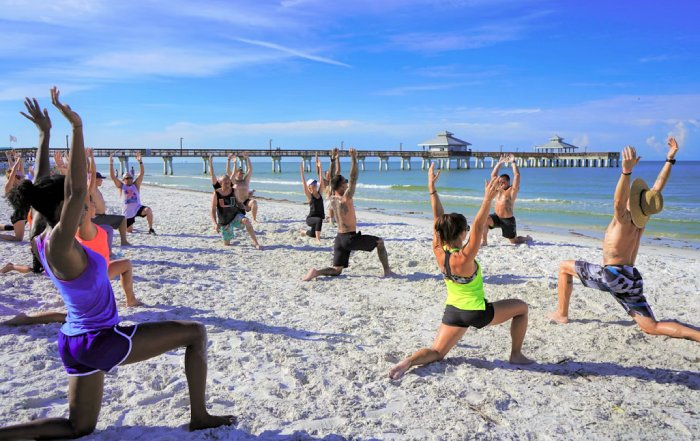
Global Fitness Movements Transforming Healthy Living in 2026
The New Era of Fitness as a Lifestyle, Not a Trend
By 2026, fitness has evolved from a niche interest into a global cultural force that shapes how people work, travel, socialize, and define personal success. Across major markets such as the United States, United Kingdom, Germany, Canada, Australia, France, Italy, Spain, the Netherlands, Switzerland, China, Sweden, Norway, Singapore, Denmark, South Korea, Japan, Thailand, Finland, South Africa, Brazil, Malaysia, and New Zealand, as well as across broader regions including Europe, Asia, Africa, South America, and North America, fitness is no longer understood purely as exercise; it is increasingly recognized as a cornerstone of holistic health, mental resilience, professional performance, and even sustainable living.
For QikSpa, which sits at the intersection of spa and salon culture, wellness innovation, and modern lifestyle trends, this global shift is more than a backdrop; it is the context in which clients, readers, and partners now make decisions about beauty, health, travel, careers, and everyday routines. Audiences who explore topics such as spa and salon experiences, lifestyle, beauty, health, and wellness increasingly expect fitness to be seamlessly integrated into every aspect of their lives, from the design of hotel rooms and office spaces to the way cities are planned and digital services are delivered.
This article examines the most influential global fitness movements reshaping healthy living in 2026, highlighting how they intersect with spa culture, nutrition, mental health, business performance, and sustainable lifestyles, while also exploring how QikSpa aligns with and supports these powerful shifts.
From Gym-Centric Routines to Holistic Wellness Ecosystems
One of the most significant transformations over the past decade has been the shift from gym-centric routines to holistic wellness ecosystems that integrate movement, recovery, nutrition, and mental health. Traditional gym memberships remain important, yet the rise of boutique studios, integrated wellness centers, and hybrid digital-physical platforms has fundamentally changed consumer expectations. Leading organizations such as World Health Organization (WHO) and Centers for Disease Control and Prevention (CDC) have emphasized the importance of physical activity not only for preventing chronic disease but also for supporting mental health and cognitive function, and this broader framing has encouraged individuals to see fitness as part of a complete lifestyle rather than an isolated activity. Learn more about global physical activity guidelines from the World Health Organization.
This shift has created fertile ground for spa and salon environments to become central hubs within wellness ecosystems. High-end properties and urban retreats increasingly combine movement studios, recovery therapies, mindfulness spaces, and advanced skin and body treatments, reflecting the understanding that beauty, performance, and longevity are deeply interconnected. For readers and clients of QikSpa, this means that a visit to a spa is no longer perceived solely as a luxury indulgence; it is increasingly recognized as an essential component of a well-rounded fitness and wellness strategy, complementing structured workouts, balanced nutrition, and restorative sleep.
Digital Fitness, Hybrid Models, and the Rise of Intelligent Coaching
The acceleration of digital fitness platforms during the early 2020s has matured into a stable, hybrid ecosystem in 2026, where in-person experiences, connected devices, and intelligent coaching systems coexist and reinforce one another. Companies such as Apple, Google, and Samsung have integrated advanced biometric tracking into wearables, enabling real-time monitoring of heart rate variability, sleep stages, recovery scores, and even early indicators of overtraining. Explore how wearables are changing healthcare through resources from the U.S. National Institutes of Health.
At the same time, dedicated fitness platforms and equipment providers, including Peloton, Technogym, and Les Mills, have expanded beyond streaming classes to offer adaptive training programs powered by artificial intelligence. These systems analyze user performance, preferences, and health data to personalize workouts, suggest recovery protocols, and even recommend nutritional strategies. In markets such as the United States, United Kingdom, Germany, and Australia, corporate wellness programs increasingly incorporate these tools to support employee resilience and productivity, reflecting research from organizations like the World Economic Forum on the economic value of healthier workforces.
For a brand like QikSpa, which speaks to audiences interested in fitness as well as spa, beauty, and lifestyle, the implication is clear: clients expect curated, intelligent guidance that bridges physical training, recovery therapies, and everyday routines. Spa environments are well positioned to integrate insights from digital platforms into personalized treatment plans, combining massage, hydrotherapy, infrared saunas, and skin treatments with recommendations for at-home movement, stretching, and breathwork.
Functional Training, Mobility, and Longevity as Core Priorities
Across continents, functional training has become a dominant philosophy guiding both elite athletes and everyday participants. Instead of focusing solely on aesthetics or isolated muscle groups, functional fitness emphasizes movements that support daily life: squatting, lifting, pushing, pulling, rotating, and balancing. This approach resonates strongly in aging societies such as Japan, Germany, Italy, and many parts of Europe, where maintaining independence and mobility is a central health objective. Learn more about functional fitness principles from the American Council on Exercise.
Global fitness movements now place a premium on mobility, joint health, and preventative care. Practices such as dynamic stretching, myofascial release, corrective exercise, and posture training are widely integrated into mainstream programming, often supported by physio-informed trainers and digital movement analysis tools. For spa and wellness providers, this convergence between therapeutic and performance-oriented approaches offers a powerful opportunity: treatments like sports massage, assisted stretching, and targeted bodywork can be framed not merely as relaxation, but as integral to long-term mobility and injury prevention.
Within QikSpa's ecosystem, topics such as health, wellness, and lifestyle can be connected to functional training narratives that emphasize longevity, enabling readers and clients to understand how daily movement, ergonomic workspaces, and restorative therapies combine to support quality of life well into older age.
Mind-Body Integration: Yoga, Breathwork, and Mental Resilience
The global rise of mind-body practices is one of the defining fitness movements of the 2020s and continues to accelerate in 2026. Yoga, Pilates, tai chi, qigong, and various breathwork modalities have moved from the margins to the center of wellness culture, embraced not only by individuals seeking stress relief but also by corporations, schools, and healthcare systems. In countries such as India, the United States, the United Kingdom, and across Europe and Asia, International Yoga Day has become a symbol of this integration, supported by institutions like the United Nations.
Scientific validation has played a crucial role in this shift. Research from organizations such as Harvard Medical School, Mayo Clinic, and Cleveland Clinic has documented the benefits of mindfulness, meditation, and yoga for reducing anxiety, improving sleep, and enhancing cardiovascular and metabolic health. Learn more about the health benefits of mindfulness from Harvard Health Publishing.
For QikSpa, which addresses audiences interested in yoga, wellness, and women's health, this mind-body integration is deeply personal. Many women and professionals across North America, Europe, and Asia are turning to integrated routines that combine strength training, cardiovascular exercise, and yoga or meditation as a daily anchor. Spa environments that provide quiet, thoughtfully designed spaces for guided breathwork, sound therapy, and restorative yoga sessions can differentiate themselves, offering not just relaxation but a structured pathway to mental resilience and emotional balance.
Nutrition-Driven Fitness: Food, Recovery, and Performance
Another global movement transforming healthy living is the convergence of fitness and nutrition into a single, integrated discipline. Athletes, fitness enthusiasts, and everyday consumers now understand that training outcomes are heavily influenced by what they eat, how they hydrate, and when they refuel. Platforms, guidelines, and research from bodies such as the Academy of Nutrition and Dietetics and European Food Safety Authority have emphasized the importance of balanced macronutrients, adequate protein intake, and micronutrient sufficiency for performance and recovery. Learn more about evidence-based sports nutrition from the International Society of Sports Nutrition.
In 2026, this knowledge has filtered deeply into mainstream culture. Meal delivery services, functional beverages, and supplements are now often positioned as extensions of one's training plan, and consumers are increasingly skeptical of unsubstantiated claims, seeking brands that demonstrate transparency, scientific rigor, and ethical sourcing. For spa and wellness destinations, integrating food and nutrition offerings into the guest journey has become essential. Thoughtfully designed menus featuring whole foods, plant-forward options, and performance-oriented snacks or smoothies can reinforce the benefits of treatments and fitness sessions, while educational programs help guests understand how everyday dietary choices influence energy, mood, and long-term health.
Within QikSpa's broader content landscape, the intersection of beauty, nutrition, and fitness is particularly relevant. Clients increasingly appreciate that skin health, hair vitality, and body composition are influenced not only by topical products and treatments but also by dietary patterns, hydration, and gut health. This creates strong alignment between spa services, fitness coaching, and nutritional education, offering a more complete, trustworthy path to transformation.
Sustainable Fitness: Eco-Conscious Gyms, Gear, and Travel
Sustainability has become a defining lens through which global fitness movements are evaluated and adopted. In markets such as the Nordics, Germany, the Netherlands, Canada, Australia, and New Zealand, as well as in progressive urban centers worldwide, consumers now expect fitness brands, gyms, and wellness retreats to demonstrate clear commitments to environmental responsibility. Learn more about sustainable business practices from the United Nations Global Compact.
This has given rise to eco-conscious gyms that prioritize energy-efficient equipment, renewable power sources, low-impact materials, and reduced single-use plastics. Apparel brands increasingly invest in recycled and bio-based textiles, while equipment manufacturers explore circular business models and product take-back schemes. For wellness travelers, the choice of a retreat or spa is often influenced by visible sustainability practices, from water stewardship and waste reduction to locally sourced food and community engagement.
For QikSpa, which addresses sustainable living, travel, and international wellness trends, this movement is central. Clients who book spa experiences or wellness getaways increasingly wish to align their self-care with their values, preferring destinations that protect local ecosystems and support local economies. By curating and highlighting properties and partners that meet these expectations, QikSpa can help shape a more responsible global fitness and wellness industry, while reinforcing its own commitment to trustworthiness and long-term wellbeing.
Women-Led Fitness Movements and Inclusive Training Cultures
One of the most powerful drivers of change in global fitness is the rise of women-led movements and more inclusive training cultures. From strength training and powerlifting communities in the United States and United Kingdom, to running clubs in Germany and France, to yoga and Pilates collectives in South Korea, Japan, and Singapore, women have taken leadership roles in redefining what strong, healthy, and successful looks like. Organizations such as Women in Sport and Global Women's Sports Foundation have advocated for better representation, safer environments, and equal opportunities, contributing to a broader shift in norms and expectations. Learn more about gender equity in sport through resources from the International Olympic Committee.
This movement has profound implications for spa and wellness businesses, which have long served predominantly female audiences but are now engaging clients who seek more performance-oriented services, educational content, and supportive communities. Within QikSpa's coverage of women, fitness, and careers, there is a clear opportunity to highlight female trainers, wellness entrepreneurs, and health professionals who combine expertise with empathy, addressing topics such as hormonal health, pregnancy and postpartum fitness, menopause, and the unique mental health challenges women face in demanding careers.
Inclusive training cultures also extend to age, body type, and ability. Adaptive fitness programs for people with disabilities, senior-friendly strength and balance classes, and culturally sensitive programming for diverse communities are increasingly recognized as essential elements of a modern, ethical fitness ecosystem. For a brand built on trust and accessibility, aligning with these values is not optional; it is core to long-term relevance.
Fitness, Business Performance, and the Future of Work
As organizations worldwide continue to adapt to hybrid work models, leaders are increasingly aware that employee health and fitness are strategic business priorities rather than discretionary perks. Research from institutions such as McKinsey & Company, Deloitte, and the World Bank has highlighted the economic benefits of improved population health, reduced absenteeism, and higher engagement, while also noting the costs of burnout and chronic disease. Explore insights on workplace wellbeing from the World Health Organization.
In 2026, many employers in North America, Europe, and Asia integrate fitness and wellness programs into their core value proposition. This includes subsidized gym memberships or digital fitness platforms, on-site or near-site wellness centers, flexible schedules that accommodate exercise, and partnerships with spa providers for recovery and mental health support. For high-performing professionals, fitness is increasingly framed as a non-negotiable component of leadership and career longevity, rather than a hobby that must be squeezed into spare time.
QikSpa's focus on business, careers, and wellness positions it to serve as a bridge between corporate objectives and individual aspirations. By showcasing best practices in corporate wellness, highlighting leaders who prioritize their own health, and connecting readers to practical strategies for integrating movement into demanding schedules, QikSpa can help shape a future of work in which fitness and wellbeing are embedded into organizational culture, not bolted on as afterthoughts.
Travel, Spa Culture, and the Globalization of Fitness Experiences
The resurgence of international travel in the mid-2020s has fueled a new wave of fitness-oriented tourism. Travelers from the United States, United Kingdom, Germany, Canada, Australia, and across Asia increasingly seek destinations that combine cultural exploration with structured wellness and fitness offerings. Countries such as Thailand, Italy, Spain, South Africa, Brazil, and Japan have become hubs for retreats that blend local traditions-such as Thai massage, Japanese onsen culture, and Mediterranean nutrition-with modern fitness programming, from high-intensity interval training to trail running and surf camps. Learn more about global wellness tourism trends from the Global Wellness Institute.
Spa and wellness resorts that once focused primarily on relaxation now invest in fully equipped gyms, specialized studios, performance testing facilities, and partnerships with renowned trainers and health experts. Guests may begin the day with a sunrise yoga session, follow with strength or mobility training, spend the afternoon in hydrotherapy circuits or thermal suites, and conclude with nutrition workshops or mindfulness seminars. For many, these experiences serve as catalysts for long-term lifestyle changes that continue at home.
For QikSpa, which curates content on travel, spa and salon, and international wellness trends, this globalization of fitness experiences is particularly relevant. Readers expect guidance not only on which destinations offer the most luxurious treatments, but also on which ones provide credible, science-informed fitness and health programs that can be trusted to deliver lasting benefits. This reinforces the importance of expertise, authoritativeness, and rigorous standards in all recommendations and partnerships.
Fashion, Identity, and the Culture of Everyday Movement
Fitness movements in 2026 are also deeply entwined with fashion and identity. Athleisure and performance wear have become dominant categories in global apparel markets, with brands integrating technical fabrics, inclusive sizing, and sophisticated design to create clothing that transitions seamlessly from gym to office to social settings. In cities such as New York, London, Berlin, Toronto, Sydney, Paris, Milan, Barcelona, Amsterdam, Zurich, Seoul, and Tokyo, it is now common for people to structure their day around movement, choosing outfits that support walking commutes, lunchtime workouts, and evening studio classes. Learn more about the evolution of athleisure and performance wear from fashion industry analysis by the Business of Fashion.
This normalization of movement-friendly fashion has powerful psychological effects. When fitness is visibly integrated into daily attire, it becomes easier to view active living as a default rather than a special event. For spa and wellness brands, there is an opportunity to align with this culture by curating or collaborating on apparel and accessories that reflect their values of quality, comfort, and sustainability.
Within QikSpa's coverage of fashion, lifestyle, and wellness, this intersection offers fertile ground for storytelling-highlighting how clients in different regions express their commitment to health through what they wear, how they design their personal spaces, and how they structure their routines. It also underscores the importance of authenticity: audiences are increasingly adept at distinguishing between superficial branding and genuinely functional, thoughtfully designed products and experiences.
Building Trust in a Crowded Global Fitness Landscape
As global fitness movements proliferate, so do competing claims, trends, and business models. From biohacking communities and longevity clinics to social media fitness influencers and emerging wellness technologies, individuals are confronted with a vast and often confusing array of options. This makes trust a critical differentiator. Organizations that provide clear, evidence-informed guidance, transparent communication, and consistent quality are better positioned to build long-term relationships with clients and readers.
For QikSpa, trust is built through a combination of curated expertise, alignment with reputable institutions, and sensitivity to the diverse cultural, economic, and personal contexts in which audiences live. By grounding content in established science, acknowledging uncertainty where it exists, and highlighting real-world experiences from different regions and demographics, QikSpa can help readers navigate the global fitness landscape with confidence. Resources from bodies such as the World Health Organization, National Health Service (UK), and Health Canada provide valuable reference points for safe, inclusive recommendations that respect regional guidelines and standards.
In practice, this means not only celebrating new trends, but also scrutinizing them; not only showcasing aspirational stories, but also addressing barriers such as time constraints, financial limitations, and health conditions. It also means recognizing that what works in one cultural or economic context may not translate directly to another, and that truly global fitness movements must be adaptable, respectful, and grounded in empathy.
The Role of QikSpa in the Future of Global Healthy Living
As global fitness movements continue to transform healthy living in 2026 and beyond, QikSpa occupies a distinctive position at the intersection of spa culture, fitness innovation, beauty, nutrition, sustainable living, and career development. By connecting insights from fitness, wellness, health, lifestyle, travel, and business, it can offer audiences a coherent, trustworthy roadmap for integrating movement into every dimension of life.
For individuals in the United States, United Kingdom, Germany, Canada, Australia, France, Italy, Spain, the Netherlands, Switzerland, China, Sweden, Norway, Singapore, Denmark, South Korea, Japan, Thailand, Finland, South Africa, Brazil, Malaysia, New Zealand, and beyond, the message is consistent: fitness is no longer optional or peripheral; it is a foundational pillar of personal wellbeing, professional success, and societal resilience. The challenge is not merely to exercise more, but to design lives, communities, and businesses in which movement, recovery, and health-supporting choices are built into the everyday fabric of experience.
By continuing to prioritize experience, expertise, authoritativeness, and trustworthiness, and by curating partnerships and content that reflect these values, QikSpa can play a meaningful role in shaping a future where global fitness movements translate into tangible, sustainable improvements in how people feel, perform, and live-wherever they are in the world. Readers seeking to deepen their engagement with this evolving landscape can explore more perspectives and resources across the broader QikSpa platform at qikspa.com, using these insights to craft a personal approach to healthy living that is both globally informed and uniquely their own.
