
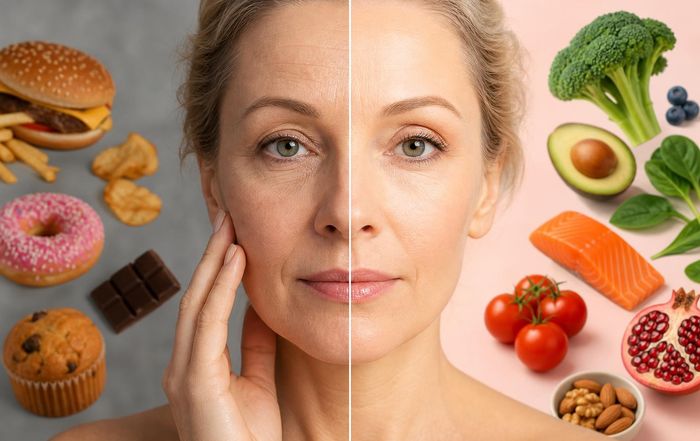
The Connection Between Diet and Skin Aging: A Global Perspective for Modern Wellness
Introduction: Why Nutrition Now Sits at the Heart of Skin Longevity
Did you know that the global conversation around skin aging has moved from quick-fix cosmetics to deeper, science-based lifestyle strategies that emphasize prevention, resilience, and long-term vitality. For discerning super readers here, who navigate a world of premium spa experiences, advanced wellness therapies, and evolving beauty standards, the connection between diet and skin aging is no longer a fringe topic; it has become a central pillar of intelligent self-care and an essential dimension of modern professional practice in spas, salons, wellness clinics, and integrative health environments worldwide.
Across the United States, Europe, Asia, and beyond, dermatologists, nutrition scientists, spa physicians, and longevity experts increasingly converge on a shared insight: what individuals choose to eat, drink, and avoid over years and decades exerts a profound influence on how their skin looks, feels, and functions, not only in midlife but well into older age. Those who invest in high-end skincare, advanced treatments, and luxury spa programs are discovering that without a strategic, evidence-informed nutritional foundation, even the most sophisticated topical regimens will deliver only partial and short-lived benefits. In this context, QikSpa positions itself not merely as a curator of spa and salon experiences, but as a trusted guide for integrated living, where skin health is understood as the visible expression of deeper systemic wellness, informed by thoughtful choices in food, lifestyle, and environment.
Active individuals who explore the spa, salon, and beauty insights already recognize the importance of professional care and cutting-edge treatments, and by connecting these experiences with a more nuanced understanding of nutrition and skin biology, they can elevate their results and build a more resilient, youthful complexion that reflects both inner health and outer sophistication. Within this evolving landscape, the relationship between diet and skin aging becomes not only a scientific topic but a strategic roadmap for personal and professional transformation.
The Biology of Skin Aging: Intrinsic and Extrinsic Pathways
To understand how diet shapes the skin's aging trajectory, it is essential to distinguish between intrinsic and extrinsic aging. Intrinsic aging is driven by genetic programming, cellular senescence, and time-dependent changes in collagen, elastin, and dermal structure. Extrinsic aging, by contrast, is influenced by environmental and lifestyle factors such as ultraviolet radiation, air pollution, sleep quality, chronic stress, and, critically, nutrition. The extrinsic component is where individuals and organizations in the spa, salon, and wellness sectors can exert the greatest influence.
Dermatology research from institutions such as the American Academy of Dermatology and resources like the National Institute on Aging highlight that extrinsic factors, especially chronic sun exposure and smoking, accelerate wrinkles, pigmentation, and loss of elasticity. However, the past decade has seen a growing body of work indicating that dietary patterns can either amplify or mitigate these damaging processes. Readers can explore how lifestyle choices influence aging biology through sources such as the National Institute on Aging and Harvard Health Publishing, which have both emphasized the role of nutrition in systemic and skin health.
The skin is a metabolically active organ that responds dynamically to nutrient availability, oxidative stress, glycation, and inflammatory mediators circulating in the bloodstream. When diets are rich in protective nutrients and low in pro-inflammatory and pro-glycation components, the skin's structural proteins, barrier integrity, and repair mechanisms are better preserved. In contrast, chronically poor dietary choices can accelerate collagen breakdown, impair microcirculation, and disrupt the microbiome-skin axis, all of which manifest visibly as premature aging.
Oxidative Stress and Antioxidant Defense: The Front Line of Dietary Skin Protection
One of the most important mechanisms linking diet and skin aging is oxidative stress, a state in which reactive oxygen species overwhelm the body's antioxidant defenses, leading to damage of lipids, proteins, and DNA. Ultraviolet radiation from the sun is a major generator of reactive oxygen species in the skin, but poor nutrition, excessive alcohol, and metabolic imbalances also contribute. Over time, oxidative stress accelerates wrinkle formation, uneven tone, and loss of firmness.
Antioxidants obtained through diet act as a crucial defense system. Vitamins C and E, carotenoids such as beta-carotene and lycopene, polyphenols found in berries, green tea, and extra-virgin olive oil, as well as trace elements like selenium and zinc, all participate in neutralizing free radicals and supporting the skin's repair machinery. Detailed overviews of these nutrients and their systemic benefits are available through organizations like the National Institutes of Health Office of Dietary Supplements and the Linus Pauling Institute at Oregon State University.
For people who are already exploring advanced aesthetic and wellness protocols, integrating antioxidant-rich nutrition becomes a logical extension of professional care. By aligning antioxidant intake with spa-based treatments that target photoaging and oxidative damage, clients can create synergy between internal and external interventions. Those interested in a broader vision of health and wellness can explore curated perspectives in the health and wellness sections, which emphasize integrative approaches to longevity and vitality.
Glycation, Sugar, and the Structural Integrity of the Skin
Beyond oxidative damage, another critical process connecting diet and skin aging is glycation, in which excess sugars bind to proteins like collagen and elastin, forming advanced glycation end products (AGEs). These molecules stiffen and cross-link structural proteins, leading to reduced elasticity, dullness, and increased wrinkle formation. Research from institutions such as the Mayo Clinic and academic dermatology departments has underscored how high-glycemic diets, characterized by refined carbohydrates and added sugars, not only contribute to metabolic disorders but also visibly age the skin.
Readers who wish to understand how glycemic load influences systemic health can consult resources from the Harvard T.H. Chan School of Public Health and Mayo Clinic, which provide accessible guidance on carbohydrates, blood sugar, and long-term health risks. From a skin perspective, sustained high blood glucose promotes the formation of AGEs both from within and through certain cooking methods, particularly high-temperature dry heat techniques that char or brown foods.
For the growing audience, this has practical implications that extend into daily dietary habits and culinary choices while traveling or dining in cosmopolitan cities across North America, Europe, Asia, and beyond. By favoring whole grains, legumes, vegetables, and modest portions of fruit, and by choosing gentler cooking methods such as steaming, poaching, and stewing over frequent deep-frying or charring, individuals can reduce glycation-related damage to skin structures. Those exploring food as a pillar of wellness can find more inspiration through QikSpa's focus on food and nutrition, where culinary pleasure and health are positioned as complementary rather than competing goals.
Healthy Fats, the Skin Barrier, and Inflammation
Another central link between diet and skin aging lies in the type and quality of fats consumed. The skin's barrier function depends on a complex matrix of lipids, including ceramides, cholesterol, and free fatty acids, which together maintain hydration, resilience, and protection against environmental insults. Diets rich in omega-3 fatty acids, particularly EPA and DHA found in fatty fish like salmon and mackerel, as well as plant-derived alpha-linolenic acid from flaxseeds and walnuts, support anti-inflammatory pathways and help preserve skin barrier integrity.
Conversely, excessive intake of trans fats and certain saturated fats, often present in ultra-processed foods, may exacerbate low-grade systemic inflammation, a key driver of both cardiovascular disease and accelerated skin aging. The concept of "inflammaging," described by leading gerontology and immunology researchers and discussed by organizations such as the World Health Organization, captures the idea that chronic, low-level inflammation accelerates tissue decline across multiple organs, including the skin.
For professionals and enthusiasts who turn to QikSpa for guidance on beauty and wellness, understanding the role of healthy fats offers a practical bridge between nutrition and visible results. Integrating Mediterranean-style eating patterns, which emphasize olive oil, nuts, seeds, and fish, aligns with evidence-based approaches to cardiovascular health as outlined by the American Heart Association and simultaneously supports smoother, more resilient skin. Readers seeking a broader lifestyle context for these choices can explore key insights on lifestyle, where culinary traditions, wellness trends, and cultural perspectives intersect.
Protein, Collagen, and the Building Blocks of Youthful Skin
Collagen is the most abundant protein in the skin and a central determinant of firmness and elasticity. As individuals age, collagen synthesis declines and existing fibers become fragmented, contributing to sagging and wrinkles. Adequate dietary protein provides the amino acids necessary for collagen production, while specific nutrients such as vitamin C, copper, and certain phytonutrients support the enzymatic processes that assemble and stabilize collagen fibers.
The global interest in collagen supplements, from the United States and Canada to Japan and South Korea, reflects a desire to directly support skin structure. While research remains ongoing, emerging evidence from peer-reviewed studies suggests that certain forms of hydrolyzed collagen may modestly improve skin elasticity and hydration in some individuals. Those wishing to explore the broader science of protein and tissue maintenance can refer to resources from organizations like the Academy of Nutrition and Dietetics and the British Nutrition Foundation, which provide professional-level insights into macronutrient needs across the lifespan.
For the audience of QikSpa, which includes spa owners, beauty professionals, wellness practitioners, and globally mobile consumers, the key takeaway is that high-quality protein from diverse sources-fish, lean meats, eggs, dairy or fortified plant alternatives, legumes, and nuts-forms an essential foundation for skin regeneration. When combined with targeted skincare protocols and professional treatments available through premium spa and salon environments, this nutritional base enhances the return on investment in aesthetic interventions. Readers can further connect these insights to QikSpa's dedicated emphasis on beauty, where internal and external strategies for radiance are considered as parts of the same continuum.
Micronutrients, Hydration, and the Subtle Art of Skin Maintenance
Beyond macronutrients, skin aging is influenced by a spectrum of vitamins and minerals that often operate quietly in the background, yet are indispensable for optimal function. Vitamin C, as noted, is vital for collagen synthesis and antioxidant defense, while vitamin A and its derivatives regulate cell turnover and support barrier function. Vitamin D influences immune responses and may play a role in skin integrity, particularly relevant in regions with limited sunlight or heavy use of high-SPF sunscreens. Zinc, selenium, and copper contribute to antioxidant enzyme systems, wound healing, and structural stability.
Global health organizations such as the World Health Organization and regional public health agencies in Europe, North America, and Asia have long emphasized the importance of micronutrient sufficiency for overall health, and these recommendations extend naturally to skin longevity. For individuals following restrictive diets, whether for ethical, medical, or weight-management reasons, careful planning is essential to avoid micronutrient gaps that may subtly accelerate skin aging over time.
Hydration, while sometimes oversimplified in popular discourse, also plays a role in maintaining skin turgor and barrier function. While drinking excessive amounts of water does not directly erase wrinkles, adequate hydration supports circulatory efficiency, nutrient delivery, and waste removal, all of which contribute indirectly to a healthier complexion. Evidence-based hydration guidelines can be explored through organizations such as the European Food Safety Authority and the U.S. National Academies, which consider climate, activity level, and individual variability.
Global Dietary Patterns and Regional Skin Aging Trends
The international readership of QikSpa, spanning the United States, United Kingdom, Germany, Canada, Australia, France, Italy, Spain, the Netherlands, Switzerland, China, Japan, South Korea, Singapore, the Nordic countries, South Africa, Brazil, Malaysia, New Zealand, and beyond, encounters a wide diversity of culinary traditions and dietary patterns. These patterns exert measurable influences on skin health and aging trajectories, offering both cautionary tales and inspiring models.
Mediterranean-style diets, prevalent in regions such as Italy, Spain, France, and parts of Greece, are rich in fruits, vegetables, legumes, whole grains, olive oil, and fish, and have been associated with reduced incidence of chronic disease and markers of biological aging. Researchers and organizations like the European Society of Cardiology have noted the cardiometabolic benefits of such patterns, which likely extend to the skin through reduced inflammation, oxidative stress, and glycation.
In East Asia, traditional Japanese and Korean diets historically emphasized vegetables, fermented foods, seaweed, fish, and modest portions of rice, with relatively low levels of added sugar and saturated fat. These patterns, now challenged by Westernized fast-food trends, have long been associated with lower rates of certain chronic diseases and may help explain the often-noted skin quality and aging profiles observed in these populations. Readers interested in the intersection of culture, diet, and health can explore insights from institutions such as the World Cancer Research Fund International, which analyzes dietary patterns across regions.
As global urbanization accelerates, many countries in Asia, Africa, South America, and even parts of Europe and North America are experiencing a shift toward ultra-processed foods, sugary beverages, and convenience-driven eating. This nutritional transition threatens not only metabolic health but also the integrity and longevity of the skin. For internationally minded readers of QikSpa, this underscores the value of consciously preserving or adapting traditional dietary strengths while integrating modern nutritional science. Those seeking broader global perspectives on wellness and cultural trends can explore QikSpa's international coverage, which situates personal choices within a wider geopolitical and cultural context.
Integrating Nutrition into Spa, Salon, and Wellness Practice
For spa and salon professionals, wellness entrepreneurs, and corporate leaders in the beauty and hospitality sectors, the evolving science of diet and skin aging presents both a challenge and an opportunity. Clients increasingly expect holistic, evidence-informed guidance that connects topical treatments, in-spa experiences, and at-home routines with deeper lifestyle strategies, particularly in the domains of nutrition, movement, sleep, and stress management.
Forward-thinking organizations such as QikSpa recognize that the future of spa and salon excellence lies in integration rather than isolation. By incorporating nutritional education into consultation protocols, collaborating with registered dietitians and functional medicine practitioners, and aligning product offerings with scientifically grounded dietary principles, businesses can differentiate themselves in a competitive global marketplace. Those interested in the business and career implications of this shift can explore perspectives on business and careers, where the professionalization of wellness and beauty services is treated as a strategic imperative.
In major markets such as the United States, United Kingdom, Germany, Canada, Australia, and Singapore, regulatory frameworks increasingly emphasize transparency, evidence, and consumer protection in health-related claims. Organizations like the U.S. Food and Drug Administration and the European Food Safety Authority oversee assertions about nutritional benefits, which means that spa and wellness brands must be careful to ground their messaging in credible science rather than hype. This regulatory environment, while sometimes demanding, ultimately supports the long-term trust and loyalty that premium brands require.
Lifestyle Synergies: Fitness, Yoga, Stress, and the Skin
Diet does not operate in isolation; its effects on skin aging are modulated by movement, stress, sleep, and broader lifestyle patterns. Regular physical activity improves circulation, supports metabolic flexibility, and reduces systemic inflammation, all of which indirectly benefit skin health. Readers can explore broader fitness and performance perspectives through a new focus on fitness, where exercise is positioned as a foundational pillar of long-term vitality.
Yoga and mindfulness practices, popular in regions from India and Thailand to the United States and Scandinavia, help regulate the stress response and autonomic balance. Chronic psychological stress elevates cortisol and other mediators that can impair barrier function, promote inflammation, and accelerate aging processes across the body. By integrating yoga, breathwork, and contemplative practices with balanced nutrition, individuals can create a multi-layered defense against premature skin aging. Those interested in this mind-body interface can explore QikSpa's dedicated yoga coverage, which examines how ancient practices align with modern neuroscience and dermatology.
Furthermore, as sustainability becomes a defining concern for consumers in Europe, North America, and Asia alike, dietary choices that support skin health often align with broader environmental and ethical priorities. Plant-forward eating patterns, reduced food waste, and mindful sourcing of fish and animal products contribute to planetary well-being as well as personal vitality. Readers wishing to learn more about sustainable business practices can consult organizations such as the United Nations Environment Programme, and connect these insights with QikSpa's emphasis on sustainable living, where ecological and personal health are treated as mutually reinforcing.
Women, Aging, and the Strategic Role of Nutrition
Women across the world, from North America and Europe to Asia, Africa, and Latin America, face unique hormonal transitions that influence skin aging, particularly during perimenopause and menopause. Shifts in estrogen levels affect collagen density, hydration, and barrier function, making nutritional strategies especially important during these life stages. Adequate protein, phytoestrogen-rich foods such as soy, flaxseeds, and certain legumes, and targeted micronutrients can help mitigate some of the structural and functional changes experienced by the skin.
Organizations like the North American Menopause Society and the International Menopause Society provide scientific overviews of how hormonal shifts interact with diet, bones, cardiovascular health, and skin. For women navigating demanding careers, family responsibilities, and global travel, these insights offer a framework for proactive, rather than reactive, self-care. QikSpa's dedicated women coverage addresses these intersections of gender, health, and lifestyle, positioning nutrition as a strategic tool in both personal and professional realms.
How About A Holistic Vision of Skin Longevity?
As the world enters the latter half of the 2020s, the convergence of dermatology, nutrition science, longevity research, and wellness innovation is redefining what it means to age well. For the global community connected through QikSpa, this evolution represents an invitation to move beyond fragmented approaches and embrace a more integrated, evidence-based philosophy of skin care, where diet is understood as a central, not peripheral, determinant of visible aging.
From antioxidant defense and glycation control to healthy fats, proteins, micronutrients, and hydration, the nutritional foundations of youthful skin are increasingly well characterized, even as research continues to refine the details. When these dietary strategies are combined with intelligent fitness, yoga, stress management, and sustainable lifestyle choices, they form a powerful framework for preserving skin vitality across decades and geographies. For those who wish to explore these themes in greater depth, QikSpa continues to evolve as a comprehensive hub, connecting spa and salon excellence with health, wellness, beauty, food, fitness, travel, and international perspectives.
In this emerging paradigm, every meal, every spa visit, every wellness retreat, and every travel experience becomes an opportunity to invest in long-term skin health and overall well-being. By aligning personal choices with the best available science and by partnering with organizations and professionals who embody trust, the readers and partners can redefine aging not as a process of decline, but as a journey toward deeper vitality, confidence, and global connectedness. We hope the article gave you useful context and something worth thinking about. Keep exploring and return whenever you are ready for another thoughtful read.
