
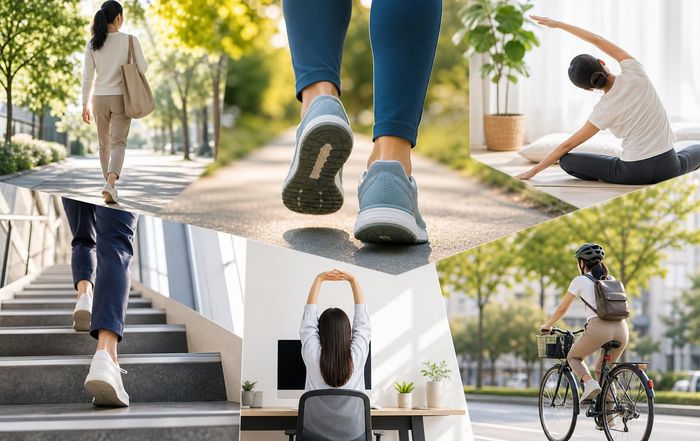
How to Incorporate Movement into Your Day in 2026: A Strategic Guide for Modern Professionals
The New Imperative: Movement as a Core Business and Life Strategy
By 2026, the global conversation around health and performance has shifted from isolated fitness goals to a more integrated view of human sustainability, where movement is recognized as a foundational driver of cognitive performance, emotional resilience and long-term productivity. For the readers of QikSpa and the broader community that gravitates toward spa and salon experiences, wellness, beauty, business performance and lifestyle optimization, the question is no longer whether movement matters, but how to embed it seamlessly into demanding days without compromising professional or personal responsibilities.
Scientific consensus, reflected in guidelines from organizations such as the World Health Organization and U.S. Centers for Disease Control and Prevention, continues to emphasize that adults should aim for at least 150-300 minutes of moderate-intensity activity per week, complemented by muscle-strengthening activities on two or more days. Yet many professionals in the United States, Europe, Asia and beyond still spend the majority of their waking hours sedentary, often in front of screens, commuting or in back-to-back meetings. The challenge is not a lack of information; it is the practical integration of movement into real lives and real schedules.
Positioned at the intersection of spa culture, wellness, beauty and high-performance lifestyles, QikSpa has become a trusted guide for individuals and organizations seeking to harmonize ambition with wellbeing. Readers exploring topics such as health, wellness, fitness and lifestyle increasingly understand that movement is not a luxury or a hobby; it is a strategic asset that supports everything from skin health and posture to executive decision-making, emotional balance and leadership presence.
Movement as a Foundation of Holistic Wellness
The modern spa and wellness mindset, championed by platforms such as QikSpa, is inherently holistic. It recognizes that the same individual who seeks a restorative spa treatment, a rejuvenating facial or a mindful yoga session is also juggling career demands, family responsibilities and global travel, often across the United States, United Kingdom, Germany, Canada, Australia, Asia and beyond. Movement is the thread that connects these dimensions, influencing physical, mental and even social health.
Research compiled by Harvard T.H. Chan School of Public Health highlights that regular movement can reduce the risk of cardiovascular disease, type 2 diabetes, certain cancers and premature mortality, while also improving mood, sleep and cognitive function. For professionals in high-pressure roles, this translates into clearer thinking, better emotional regulation and stronger resilience under stress. For spa and salon clients, integrating movement into daily routines enhances the benefits of treatments, supports circulation, helps regulate inflammation and contributes to a more radiant, healthy appearance.
The QikSpa audience, with its interest in spa and salon, beauty and health, often looks for strategies that are both evidence-based and sensorially rewarding. Movement, when approached thoughtfully, can satisfy both requirements: it can be grounded in science yet experienced as pleasurable, mindful and even luxurious, especially when combined with practices such as yoga, stretching, mindful walking and post-workout spa rituals that reinforce a sense of care and self-respect.
Understanding the Science: Why Small Movements Matter
One of the most transformative insights of the last decade has been the recognition that short, frequent movement breaks can significantly counteract the risks of prolonged sitting, even for individuals who already exercise regularly. Studies discussed by Mayo Clinic and American Heart Association suggest that breaking up sitting time with light activity-such as standing, brief walks or simple mobility exercises-can improve blood sugar control, reduce stiffness and support vascular health.
For business leaders and knowledge workers, this is particularly relevant. The traditional model of one intense workout surrounded by 10-12 sedentary hours is being replaced by a more dynamic pattern where movement is woven throughout the day. Micro-movements, posture shifts, stretching and brief walking intervals around the office, home or co-working space help maintain energy, reduce musculoskeletal strain and support sustained concentration. This approach aligns with the broader wellness philosophies promoted by QikSpa, where small, consistent habits compound over time to create meaningful change.
Globally, from North America to Europe, Asia and the Pacific, professionals are adopting wearable devices to track steps, heart rate and sedentary time. Platforms like Garmin, Fitbit by Google and Apple Health encourage movement reminders and provide data-driven feedback. When used thoughtfully, these tools can help individuals identify sedentary patterns and design personalized strategies to incorporate movement into their unique routines, whether they are based in Singapore, London, New York, Berlin, Tokyo or São Paulo.
Designing a Movement-Conscious Workday
For many professionals, the workday is the primary barrier to consistent movement. Meetings, deadlines and digital communication can quickly consume time and attention, leaving little room for physical activity unless it is intentionally designed into the schedule. A movement-conscious workday does not require a radical overhaul; rather, it calls for strategic adjustments that reframe movement as an integral part of doing business, not a distraction from it.
Organizations and individuals can draw inspiration from research highlighted by McKinsey & Company and World Economic Forum, which indicates that employee wellbeing, including physical activity, is closely linked to engagement, retention and performance. Simple practices such as walking meetings, standing check-ins, stretch breaks between virtual calls and the use of stairs instead of elevators can gradually shift workplace culture toward movement-friendly norms.
For readers exploring business and careers content on QikSpa, this perspective is especially relevant. Movement is not merely a personal health choice; it is a leadership behavior that signals self-respect, energy and long-term thinking. Executives and managers who model active habits-by scheduling brief walking intervals, encouraging team movement challenges or designing office layouts that promote circulation-help normalize movement as part of professional excellence.
Integrating Movement into Remote, Hybrid and Office Environments
As remote and hybrid work models have become entrenched across the United States, United Kingdom, Europe, Asia and beyond, the physical structure of the workday has changed dramatically. Without commutes or natural transitions between meeting rooms, many professionals find themselves moving even less. At the same time, this new flexibility creates opportunities to design more movement-friendly routines that would have been impractical in traditional office settings.
Remote workers can build intentional routines by pairing existing habits with movement. For example, standing during virtual meetings, walking during audio-only calls, performing gentle mobility exercises while reviewing documents or incorporating short bodyweight routines between tasks can all contribute to a more active day. Resources from Cleveland Clinic and National Health Service (NHS) in the UK offer practical guidance on simple exercises that can be done at home or in small spaces without equipment, making them accessible to professionals from Canada to South Korea.
Hybrid and office-based employees can work with facilities teams to create environments that encourage movement. This may include centrally located printers and water stations that require short walks, ergonomic setups that allow alternating between sitting and standing, and quiet spaces for brief stretching or mindfulness sessions. For those interested in wellness and lifestyle, these environmental tweaks can significantly enhance daily comfort and reduce the physical strain associated with prolonged computer use.
Movement, Spa Culture and the Aesthetics of Wellbeing
The relationship between movement and spa culture is deeper than it might first appear. While spas are often associated with rest, stillness and pampering, modern wellness destinations increasingly integrate movement into their offerings, recognizing that circulation, mobility and muscular balance are critical to both health and beauty outcomes. This integration reflects the holistic philosophy embraced by QikSpa, where beauty, health and performance are seen as interdependent.
Readers exploring spa and salon or beauty content understand that physical appearance is influenced not only by topical products and treatments but also by lifestyle patterns. Movement supports lymphatic drainage, helps manage stress hormones and enhances sleep quality, all of which can impact skin clarity, tone and overall vitality. Organizations such as International Spa Association (ISPA) and wellness-focused hospitality brands have increasingly highlighted movement-based offerings, including yoga classes, guided walks, aqua fitness and personalized training, as essential components of comprehensive spa experiences.
For individuals who enjoy spa visits in destinations from Italy and Spain to Thailand and New Zealand, incorporating movement into their daily lives amplifies the benefits of these experiences. A massage or facial following a day that included walking, stretching or light strength work can feel more restorative, as the body is already in a state of circulation and activation. This synergy between movement and spa rituals reflects the evolving expectations of discerning wellness travelers who seek integrated, evidence-based and aesthetically pleasing approaches to self-care.
Food, Movement and Metabolic Health: A Synergistic Approach
Movement cannot be fully understood without considering its relationship to nutrition. The QikSpa audience's interest in food and nutrition naturally intersects with movement because both are central to metabolic health, body composition and energy levels. While extreme diets and punishing workouts have fallen out of favor, a more nuanced, sustainable approach has emerged, emphasizing balance, personalization and long-term adherence.
Leading institutions such as Harvard Medical School and Academy of Nutrition and Dietetics highlight that regular movement improves insulin sensitivity, supports appetite regulation and can enhance the body's ability to utilize nutrients efficiently. Light activity after meals, such as a 10-15 minute walk, has been shown to help manage blood sugar levels, which is particularly relevant given the global rise in metabolic disorders across North America, Europe and Asia.
For busy professionals, this does not require elaborate routines or strict regimens. Instead, it involves small, consistent choices: choosing to walk to lunch when possible, standing while planning meals, or integrating a brief stretch or yoga sequence before or after eating. Readers interested in yoga will recognize that many traditional practices were designed to prepare the body for digestion and rest, underscoring the timeless wisdom of pairing movement with mindful nourishment.
Movement, Mental Health and Emotional Resilience
The mental health benefits of movement are now widely documented and increasingly prioritized by organizations and individuals alike. In a world where professionals across the United States, United Kingdom, Germany, Canada, Australia, Singapore, Japan and beyond face high cognitive demands and constant digital stimulation, movement offers a powerful, accessible tool for emotional regulation and psychological resilience.
Research summarized by American Psychological Association and National Institute of Mental Health indicates that regular physical activity can reduce symptoms of anxiety and depression, improve mood and enhance stress management. Even short bouts of moderate activity, such as brisk walking, stair climbing or stretching, can trigger the release of endorphins and other neurotransmitters associated with improved wellbeing.
For the QikSpa community, which values both inner and outer wellness, integrating movement into daily routines becomes a form of emotional hygiene. Just as one might schedule skincare, hair appointments or spa treatments to maintain appearance and confidence, short movement sessions throughout the day can be viewed as appointments with one's mental health. This reframing can be particularly helpful for women balancing multiple roles, a topic often explored in QikSpa's women and lifestyle content.
Global Perspectives: Cultural Approaches to Everyday Movement
Movement habits are shaped not only by personal choices but also by cultural norms, urban design and national policies. Around the world, there are instructive examples of how societies integrate movement into daily life, offering insights that professionals and organizations can adapt regardless of location.
In many European cities, such as Amsterdam, Copenhagen and Zurich, active transport-walking and cycling-is a natural part of daily routines, supported by infrastructure and policy. Organizations like European Cyclists' Federation and urban planning bodies have long advocated for environments that make movement convenient and safe. In parts of Asia, such as Japan and South Korea, public transportation systems inherently encourage walking and stair use, embedding movement into commutes.
Global health agencies, including OECD and Public Health England (now part of the UK Health Security Agency and Office for Health Improvement and Disparities), have highlighted the economic and societal benefits of physically active populations. For readers of QikSpa across continents-from North America and Europe to Asia, Africa and South America-these examples underscore that incorporating movement into daily life is not solely a personal responsibility; it is also influenced by the environments in which people live and work.
Fashion, Technology and the Aesthetics of Active Living
The convergence of fashion, technology and wellness has given rise to a new aesthetic of active living that aligns closely with QikSpa's focus on fashion, wellness and lifestyle. Activewear has evolved from purely functional gym clothing to versatile, stylish attire suitable for offices, co-working spaces and travel, making it easier to transition between focused work and spontaneous movement.
Global brands and designers have embraced performance fabrics, ergonomic cuts and minimalist designs that allow professionals in cities from New York and London to Singapore and Sydney to incorporate movement into their day without compromising style. Industry analysis from Business of Fashion and consumer insights from McKinsey's State of Fashion reports highlight that wellness-driven fashion is not a passing trend but a structural shift in consumer priorities.
Wearable technology has also become more discreet and aesthetically integrated, with smartwatches, rings and even smart jewelry tracking steps, heart rate, sleep and stress. When used intentionally, these tools can support behavior change, encouraging individuals to stand, walk or stretch at regular intervals. For a community that values both beauty and performance, this fusion of technology and design makes it easier to live in alignment with health goals throughout the day.
Sustainable Movement: Aligning Personal Health with Planetary Health
Sustainability is no longer a niche concern; it is a central consideration for individuals, companies and policymakers worldwide. Movement choices intersect with sustainability in meaningful ways, particularly through transportation, urban design and lifestyle patterns. Walking, cycling and public transit not only support personal health but also reduce carbon emissions and air pollution, contributing to broader environmental goals.
Readers interested in sustainable living will recognize that integrating active transport into daily routines is one of the most impactful ways to align personal wellbeing with planetary health. Organizations such as United Nations Environment Programme and World Resources Institute emphasize the role of active mobility in sustainable cities, while local initiatives in countries from the Netherlands and Denmark to Singapore and New Zealand demonstrate the feasibility of movement-friendly urban environments.
For professionals who travel frequently, choosing hotels with fitness facilities, walkable neighborhoods or proximity to parks can help maintain movement routines while on the road. This aligns with QikSpa's focus on travel and international perspectives, where wellness-conscious travelers increasingly seek destinations and accommodations that support active, sustainable lifestyles.
Building a Personal Movement Identity with QikSpa
Ultimately, incorporating movement into one's day is not merely a collection of tactics; it is the expression of a deeper identity-how individuals see themselves in relation to their bodies, careers, communities and the world. In 2026, the most successful and fulfilled professionals are not those who sacrifice health for achievement, but those who recognize that sustained performance, creativity and leadership depend on a foundation of physical and mental vitality.
QikSpa, through its integrated coverage of health, wellness, fitness, yoga, lifestyle and business, serves as a trusted partner in this evolution. By providing insights, inspiration and practical frameworks, it empowers readers from the United States and Canada to Germany, France, Italy, Spain, the Netherlands, Switzerland, China, Sweden, Norway, Singapore, South Korea, Japan, Thailand, Finland, South Africa, Brazil, Malaysia, New Zealand and beyond to design days that honor both ambition and wellbeing.
Incorporating movement into daily life is not about perfection or rigid rules. It is about consistent, thoughtful choices that reflect a commitment to self-care, professional excellence and long-term sustainability. Whether through short walking intervals between meetings, mindful stretching before bed, active commutes, integrated spa and fitness rituals or simply standing to breathe deeply and reset during a busy day, movement becomes a quiet yet powerful declaration: health is not negotiable, and a life well lived is one in which the body is not an afterthought, but a trusted partner in every endeavor.
For those ready to deepen this journey, exploring the broader ecosystem of content and perspectives on QikSpa offers a pathway to align movement with beauty, career, travel, sustainable living and the evolving definition of modern luxury: a life where wellbeing and success reinforce rather than compete with each other.
