
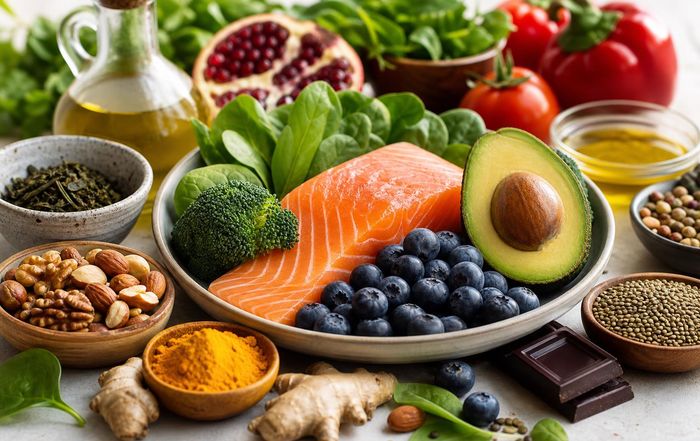
Anti-Inflammatory Foods for Better Wellness
The New Wellness Imperative: Why Inflammation Matters Now
The global wellness conversation has shifted decisively from short-term dieting and quick-fix trends toward deeper, science-backed strategies that support long-term vitality, resilience and healthy ageing. At the centre of this evolution lies a powerful yet often misunderstood concept: chronic, low-grade inflammation and its relationship with what people eat every day. For readers here, who are already attuned to the intersections of spa culture, beauty, fitness, mental health and sustainable living, the emerging evidence around anti-inflammatory nutrition offers both a compelling opportunity and a practical roadmap for better living, whether they are in the United States, United Kingdom, Germany, Canada, Australia, or any other region where wellness is rapidly becoming part of mainstream life.
Inflammation itself is not inherently negative; it is a critical biological response that helps the body defend against infection and repair tissue damage. The challenge arises when this response becomes persistent and systemic, a state often referred to as chronic low-grade inflammation, which leading institutions such as Harvard T.H. Chan School of Public Health have associated with an increased risk of cardiovascular disease, type 2 diabetes, certain cancers and neurodegenerative conditions. Readers can explore this evolving science by reviewing the latest insights on the role of diet and inflammation from resources such as Harvard Health Publishing. For a platform like QikSpa, which sits at the intersection of spa, salon, health and lifestyle, translating this science into accessible, enjoyable, and culturally adaptable food choices is increasingly central to its mission.
As wellness tourism grows across Europe, Asia, North America, South America and Africa, and as spa and salon professionals look for ways to position themselves as trusted guides in holistic health, anti-inflammatory foods are no longer a niche interest. They are becoming a core pillar of integrated wellness strategies that span facial treatments, body therapies, movement practices, mindful travel and daily routines at home, aligning closely with the editorial focus areas of QikSpa, from spa and salon experiences and health to food and nutrition, wellness and lifestyle.
Understanding Inflammation: From Science to Everyday Life
To appreciate the value of anti-inflammatory foods, it is helpful to understand how inflammation operates at a cellular level and why modern lifestyles tend to amplify it. Acute inflammation, such as redness and swelling after a minor injury, is orchestrated by the immune system and is usually self-limiting. However, when dietary patterns, stress, sleep disruption, environmental toxins and sedentary behaviour converge, the immune system can remain in a state of heightened alert, releasing inflammatory molecules over long periods. Research from organisations such as the World Health Organization and National Institutes of Health has highlighted how this chronic inflammation is intertwined with the global rise in non-communicable diseases; readers can learn more about this connection through resources like the WHO pages on noncommunicable diseases.
In practical terms, chronic inflammation often manifests subtly: lingering fatigue, joint stiffness, digestive discomfort, skin flare-ups, slower recovery from exercise and increased susceptibility to stress. For spa and salon clients, these symptoms may show up as dull or reactive skin, tension that does not fully resolve with massage, or a general sense that they are "not at their best" despite regular self-care. Anti-inflammatory foods-rich in antioxidants, phytonutrients, fibre and healthy fats-do not act as pharmaceutical cures, but they can help modulate inflammatory pathways, support the gut microbiome, stabilise blood sugar and improve vascular health, all of which contribute to a more balanced internal environment.
Leading academic centres such as Mayo Clinic and Cleveland Clinic have published accessible overviews of inflammation and diet, describing how patterns like the Mediterranean and traditional Asian diets correlate with reduced inflammatory markers; interested readers can explore this further through resources such as the Mayo Clinic nutrition pages. For us, whose audience spans Japan, South Korea, Thailand, Italy, Spain, France, Netherlands, Sweden and beyond, this global perspective is particularly relevant, because it highlights how anti-inflammatory eating can be adapted to local culinary traditions rather than forcing a one-size-fits-all approach.
The Foundations of an Anti-Inflammatory Diet
An anti-inflammatory diet is not a rigid menu or a short-term challenge; it is a pattern of eating that prioritises whole, minimally processed foods, emphasises plant diversity, incorporates high-quality fats and proteins, and limits refined sugars, industrial trans fats and excessive ultra-processed products. Authorities such as The American Heart Association have long advocated for dietary patterns rich in fruits, vegetables, whole grains, nuts, seeds and oily fish, not only for cardiovascular health but also for their anti-inflammatory potential; readers can review these guidelines through resources like the AHA healthy eating recommendations.
At a biochemical level, colourful plant foods supply polyphenols and carotenoids that neutralise free radicals and influence gene expression related to inflammation, while fibre feeds beneficial gut bacteria that, in turn, produce short-chain fatty acids with systemic anti-inflammatory effects. Healthy fats from sources such as extra virgin olive oil, avocados and nuts provide monounsaturated and polyunsaturated fatty acids, including omega-3s, which help balance the more pro-inflammatory omega-6 fats common in many modern diets. Whole grains and legumes offer magnesium and B vitamins that support metabolic and nervous system health, which indirectly affects inflammatory tone. For a more detailed overview of these mechanisms, readers can explore science-based educational platforms like Healthline's nutrition section.
For this audience, these principles can be woven seamlessly into daily routines: a nutrient-dense breakfast before a yoga class, a balanced lunch between salon appointments, or a restorative dinner following a long-haul wellness trip. The key is to move away from restrictive thinking and toward abundance-focusing on what to add rather than only what to remove. The food and nutrition section is well placed to showcase recipes, chef interviews and cultural food stories that bring this philosophy to life across different regions and lifestyles.
Key Anti-Inflammatory Foods and Their Benefits
While the overall pattern matters more than any single food, certain ingredients stand out for their robust research base and versatility in culinary applications. Fatty fish such as salmon, mackerel and sardines provide marine omega-3 fatty acids, particularly EPA and DHA, which numerous clinical studies have associated with reduced inflammatory markers and improved cardiovascular and cognitive outcomes. Institutions like National Health Service (NHS) in the United Kingdom and Health Canada offer practical guidance on incorporating oily fish safely and sustainably; readers can review these recommendations through resources such as the NHS healthy eating pages.
Extra virgin olive oil, a cornerstone of Mediterranean cuisines in Italy, Spain, France and Greece, contains oleic acid and polyphenols that have been shown to exert anti-inflammatory and antioxidant effects. Nuts and seeds-such as walnuts, almonds, chia and flaxseeds-contribute additional omega-3s, vitamin E and plant-based proteins, making them valuable for both omnivores and those following plant-centric or vegetarian diets. Whole grains like oats, barley, quinoa and brown rice bring fibre and micronutrients that modulate blood sugar and support gut health, further influencing inflammatory pathways; organisations like Oldways provide cultural and scientific context on traditional grain-based diets, accessible through resources such as the Oldways Mediterranean diet overview.
Equally important are deeply coloured fruits and vegetables, including berries, leafy greens, cruciferous vegetables, tomatoes and peppers, which supply flavonoids, anthocyanins, vitamin C and other compounds linked to reduced oxidative stress. Spices such as turmeric, ginger and garlic have been used for centuries in India, Thailand, Malaysia, China and other Asian countries, and modern research is increasingly validating their anti-inflammatory properties. Readers interested in the scientific underpinnings of these traditional ingredients can explore resources such as the National Center for Complementary and Integrative Health at the U.S. National Institutes of Health.
For QikSpa, which speaks to a global audience including wellness enthusiasts in Singapore, Denmark, Norway, Finland, Switzerland, Brazil, South Africa and New Zealand, highlighting region-specific anti-inflammatory staples-from Nordic berries and fermented rye to Brazilian açaí and South African rooibos-creates a bridge between local heritage and modern science. The platform's international and travel sections can showcase how different cultures naturally embody anti-inflammatory eating in traditional cuisines, encouraging readers to both celebrate and adapt these patterns at home.
Integrating Anti-Inflammatory Foods into Daily Wellness Rituals
For many people, the greatest obstacle to adopting an anti-inflammatory diet is not lack of information but the perceived complexity of changing long-established habits. This is where spa and salon environments, along with digital platforms like QikSpa, can play a unique role by embedding nutritional guidance within broader wellness rituals. When a client visits a spa in New York, London, Berlin or Tokyo, they increasingly expect more than a massage or facial; they seek holistic experiences that integrate movement, mindfulness, beauty and nutrition in a coherent narrative.
By aligning menus, refreshments and post-treatment recommendations with anti-inflammatory principles, spas and salons can reinforce the message that what clients eat is an extension of their self-care. Herbal teas rich in polyphenols, small servings of nuts and fresh fruit, or simple recipes shared after a treatment can gently nudge behaviour in a positive direction. For readers exploring spa and salon and wellness pages, this integration might appear as curated guides to spa cuisine, interviews with nutrition-focused spa chefs or case studies of wellness resorts in Thailand, Bali, Italy and California that have successfully embraced anti-inflammatory culinary philosophies.
Digital tools further support this transition. Reputable platforms such as EatRight.org from the Academy of Nutrition and Dietetics provide accessible, evidence-based guidance on meal planning and nutrient needs; readers can explore general healthy eating resources at EatRight. By combining such external expertise with QikSpa's editorial voice and localised content, readers can translate abstract principles into practical shopping lists, meal ideas and dining-out strategies that respect cultural preferences, time constraints and family dynamics.
The Intersection of Anti-Inflammatory Nutrition, Beauty and Spa Culture
In 2026, the boundaries between nutrition, skincare and spa therapy are more fluid than ever, particularly for women and men who view beauty as an expression of overall health rather than a purely cosmetic pursuit. Chronic inflammation has been implicated in accelerated skin ageing, acne, rosacea and other dermatological conditions, which means that anti-inflammatory foods are increasingly recognised as a complement-not a competitor-to topical treatments and professional services. Dermatology resources from organisations such as the American Academy of Dermatology explain how diet can influence skin conditions, and readers interested in this connection may explore educational overviews at the AAD website.
For QikSpa, whose beauty and women sections cater to a sophisticated audience seeking both efficacy and safety, this convergence is particularly relevant. Nutrients such as omega-3 fatty acids, vitamin C, zinc and polyphenols support collagen synthesis, barrier function and protection against environmental stressors, which in turn enhance the results of facials, peels, LED therapies and other spa treatments. By featuring interviews with dermatologists, nutritionists and spa directors from leading institutions in Paris, Seoul, New York and Sydney, QikSpa can help readers understand how internal and external strategies reinforce each other.
The growing interest in "nutricosmetics"-supplements and functional foods designed to support skin, hair and nail health-also reflects this synergy. While it is essential to approach such products critically and favour those backed by credible research, they illustrate how the industry is moving toward integrated solutions. Authoritative health information sources such as the National Library of Medicine's MedlinePlus provide independent overviews on dietary supplements and their evidence base, which readers can consult through MedlinePlus. By contextualising these trends within a broader anti-inflammatory framework, QikSpa can guide its audience toward choices that prioritise safety, transparency and long-term benefits.
Fitness, Yoga and Anti-Inflammatory Eating
Physical activity is a powerful modulator of inflammation, and when combined with an anti-inflammatory diet, it forms a robust foundation for lifelong wellness. Regular aerobic exercise, strength training and flexibility work have been shown to reduce inflammatory markers, improve insulin sensitivity and support mental health, while also enhancing mobility and resilience across the lifespan. Organisations such as the American College of Sports Medicine and World Health Organization provide global movement guidelines that apply across regions from North America and Europe to Asia-Pacific and Africa; readers can review WHO's physical activity recommendations through resources such as the WHO physical activity page.
For QikSpa readers exploring fitness and yoga, anti-inflammatory foods can be framed as strategic allies in performance and recovery. Consuming antioxidant-rich fruits and vegetables, omega-3 fats and adequate protein supports muscle repair, joint health and immune resilience, especially for those engaging in high-intensity training or frequent travel across time zones. Yogis and practitioners of mind-body disciplines in cities like Los Angeles, Berlin, Stockholm, Singapore and Seoul increasingly appreciate that a calm, balanced nervous system is influenced not only by breathwork and meditation but also by blood sugar stability, gut health and micronutrient status.
By publishing integrated guides that pair specific movement practices with supportive meals and snacks-such as anti-inflammatory breakfasts before morning yoga sessions or recovery-focused dinners after strength training-QikSpa can help readers experience how nutrition, movement and rest interact in real time. This holistic perspective aligns with contemporary research from institutions like Stanford Medicine and University College London, which highlight the interconnectedness of metabolic health, mental wellbeing and physical performance; readers interested in this multidisciplinary approach can explore resources such as the Stanford Health Care wellness pages.
Sustainability, Business and the Future of Anti-Inflammatory Cuisine
The rise of anti-inflammatory nutrition is not only a health trend but also a business and sustainability story, particularly relevant for spa owners, hoteliers, restaurateurs and wellness entrepreneurs across Global, Europe, Asia, Africa and the Americas. Many anti-inflammatory foods-such as seasonal vegetables, legumes, nuts and whole grains-align naturally with environmentally conscious agriculture and reduced resource use compared with more intensive animal-based products. Organisations like the EAT Foundation and Food and Agriculture Organization of the United Nations have emphasised the dual benefits of plant-forward diets for human and planetary health; interested readers can learn more about sustainable food systems through the FAO website.
For businesses featured in QikSpa's business, careers and sustainable sections, this convergence offers strategic advantages. Spa cafes and hotel restaurants that highlight anti-inflammatory, locally sourced menus can differentiate themselves in competitive markets like New York, London, Dubai, Singapore and Cape Town, attracting discerning guests who seek both wellness and environmental responsibility. At the same time, professionals working in spa management, nutrition consulting, culinary arts and wellness tourism can build careers that reflect their values, leveraging expertise in anti-inflammatory cuisine as a distinctive skill set.
From a fashion and lifestyle perspective, the aesthetics of anti-inflammatory eating-colourful plates, artisanal preparation, regional ingredients-also align with the visual storytelling that drives engagement on digital platforms. QikSpa's fashion and lifestyle content can showcase how wellness influencers, chefs and spa brands integrate these foods into aspirational yet attainable daily routines, reinforcing the message that long-term health and style are not mutually exclusive but mutually reinforcing.
A Personal Path Forward !
The science is clear that diet plays a central role in shaping inflammatory status and, by extension, long-term health outcomes. Yet the path from knowledge to action remains deeply personal, influenced by culture, budget, family obligations, health conditions and emotional relationships with food. This is where QikSpa aims to serve not merely as an information source but as a trusted companion, helping readers all over to craft their own anti-inflammatory journeys.
By curating expert insights, regional perspectives and practical tools across its core verticals-health, wellness, food and nutrition, spa and salon, beauty and more-QikSpa offers a website where readers can explore, experiment and evolve at their own pace. Whether someone is booking a spa retreat, redesigning a home kitchen, adjusting a fitness routine or navigating a demanding international career, the principles of anti-inflammatory eating can be adapted to support their unique context and aspirations.
The future of wellness will not be defined by a single superfood or a fleeting diet trend, but by the cumulative impact of daily choices made with awareness, compassion and curiosity. Anti-inflammatory foods, understood through the lenses of science, culture, sustainability and pleasure, provide a powerful framework for those choices. As readers continue to explore the resources and stories across QikSpa.com, they are invited to see every meal as an opportunity to nourish not only the body, but also the skin, mind, relationships and ambitions that make up a truly holistic life.
