
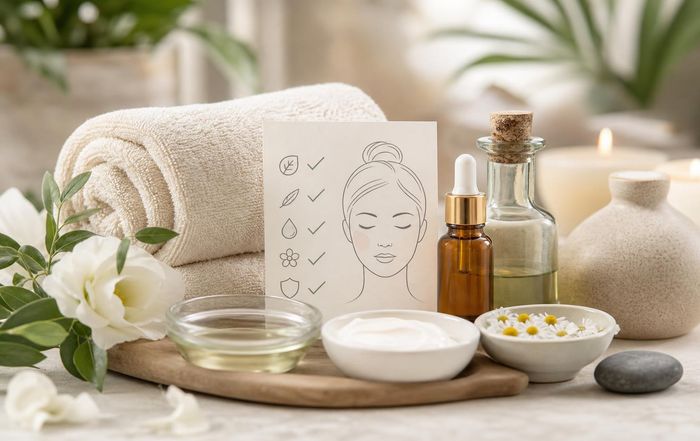
How to Choose a Spa Treatment for Sensitive Skin
Choosing a spa treatment when your skin reacts easily can feel like a gamble: one wrong ingredient or overly aggressive scrub and your "relaxing" day turns into a week of redness and irritation. Yet with the right information and a bit of preparation, people with sensitive skin can absolutely enjoy facials, body treatments, and even massages without flare-ups. The key is understanding what "sensitive skin" really means, how to communicate with spa professionals, and which treatments, products, and techniques are more likely to keep your skin calm. This soothing guide brings together dermatology insights, ingredient know-how, and practical spa advice to help you book treatments with confidence and actually leave the spa looking-and feeling-better than when you walked in.
What "Sensitive Skin" Really Means
Sensitive skin is not a single medical diagnosis; it is a tendency to react more strongly than average to products, weather, friction, or procedures. Dermatology research has described a "sensitive skin syndrome," where people report burning, stinging, or tightness after exposure to cosmetics or environmental triggers even when there are no obvious lesions. Surveys suggest that a significant proportion of adults worldwide describe their skin as sensitive, with higher rates among women and people with lighter phototypes.
From a medical perspective, sensitive skin often overlaps with conditions such as atopic dermatitis (eczema), rosacea, contact dermatitis, and very dry or barrier-impaired skin. Organizations such as the American Academy of Dermatology (https://www.aad.org) and National Eczema Association (https://nationaleczema.org) emphasize that an impaired skin barrier allows irritants and allergens to penetrate more easily, while nerve endings become more reactive, leading to burning or stinging sensations. In practice, this means anything that strips oils, heats the skin, or adds potential irritants can be problematic.
For spa-goers, the takeaway is that "sensitive" is not just about redness. If your skin frequently feels tight after cleansing, stings with some products, flushes easily with heat or alcohol, or reacts to fragrances, you should treat yourself as having sensitive skin when booking and customizing treatments. Even if you do not have a formal diagnosis, approaching spa services with the same caution used for eczema- or rosacea-prone skin can prevent setbacks.
Start With the Right Kind of Spa and Therapist
Not all spas are equally prepared to work with delicate or reactive skin. When researching options, look for spas that highlight dermatology-informed or sensitive-skin protocols rather than only promoting aggressive "results-driven" peels or strong resurfacing. Medical spas overseen by dermatologists or plastic surgeons may be better equipped for complex skin conditions, while some holistic day spas emphasize gentle, barrier-supportive treatments. Reputable professional associations, such as CIDESCO International (https://cidesco.com) and ISPA (https://experienceispa.com), promote standards for training and hygiene, which can indirectly benefit clients with reactive skin.
Before booking, call or email the spa and ask specific questions: whether they offer fragrance-free or hypoallergenic lines, how they handle allergies, and if their therapists have experience with conditions like rosacea or eczema. A thorough intake form and a therapist who asks follow-up questions are good signs. If the spa seems dismissive of your concerns or insists that "our products are fine for everyone," that is a red flag.
For readers interested in the broader spa and salon landscape, including how to evaluate services and environments, the Spa and Salon section offers additional context that can help you assess quality and safety beyond the treatment menu alone.
Essential Pre-Spa Preparation for Sensitive Skin
What you do in the days before your appointment can significantly influence how your skin responds. Dermatology organizations such as the American Academy of Dermatology and the British Association of Dermatologists (https://www.bad.org.uk) commonly recommend simplifying routines and avoiding new potential irritants when the skin is already stressed, and the same logic applies before spa visits.
Ideally 3-5 days before a facial or body treatment, stop using strong exfoliants such as glycolic or salicylic acid, high-strength retinoids, and at-home peels unless a dermatologist or the spa's medical director has explicitly cleared their combination with your planned treatment. Avoid waxing on areas that will be treated, especially the face, as waxing disrupts the barrier and increases sensitivity to acids, enzymes, and even massage friction. Minimize sun exposure, and absolutely avoid indoor tanning; UV damage both inflames and weakens the skin barrier, making adverse reactions more likely.
It is also useful to bring a list or photos of your current skincare products to your appointment. This helps the therapist avoid overlapping actives and understand what your skin is already tolerating. If you are undergoing dermatologic treatment-for example, prescription retinoids, isotretinoin, or topical steroids-ask your dermatologist beforehand which spa procedures are safe. Reliable sources like the Mayo Clinic (https://www.mayoclinic.org) and Cleveland Clinic (https://my.clevelandclinic.org) stress that some procedures, particularly peels and aggressive exfoliation, should be avoided or modified for people on certain medications.
How to Talk to Your Therapist About Sensitive Skin
The consultation is as important as the treatment itself. A skilled esthetician or therapist can only customize safely if they know your history, triggers, and comfort level. During intake, go beyond ticking the "sensitive skin" box and describe specific reactions you have had: for example, "my skin burns with many vitamin C serums," "I flush and feel hot with steam," or "fragranced lotions give me hives." Distinguish between irritation (stinging, burning, tightness) and true allergy (hives, swelling, difficulty breathing), as the latter may require stricter product avoidance and sometimes medical guidance.
Share any diagnosed conditions such as rosacea, eczema, psoriasis, or contact allergies, and mention recent flare-ups. If you have ever reacted badly to a spa treatment-such as a peel that caused prolonged peeling or a facial that triggered breakouts-explain what happened and how long it lasted. Therapists can then avoid similar protocols or adjust intensity. Trusted resources such as DermNet (https://dermnetnz.org) and Allergy UK (https://www.allergyuk.org) emphasize that patch testing and gradual exposure are often safer than full-strength application for known reactors.
During the treatment, speak up if you feel burning, strong stinging, or excessive heat, rather than assuming "no pain, no gain." Mild tingling from some ingredients may be normal, but anything that escalates or feels uncomfortable should be reported immediately. A good therapist will never be offended; they would rather adjust a mask or remove a product early than risk a reaction. This collaborative approach is central to getting the restorative, relaxing experience many seek in spa and wellness settings.
Best Facial Treatments for Sensitive Skin
Facials are often the most concerning treatment category for those with delicate skin, but they can also be some of the most beneficial when done gently. For many, the ideal facial focuses on hydration, barrier repair, and calming inflammation rather than deep resurfacing. Look for terms like "soothing," "calming," "hydrating," "barrier repair," or "sensitive skin facial" on menus, and confirm with the spa that these treatments avoid harsh peels or strong mechanical exfoliation.
A gentle facial for sensitive skin typically includes a mild, non-foaming cleanser; lukewarm-not hot-compresses; minimal or no steam; and a hydrating mask rich in ingredients such as ceramides, glycerin, hyaluronic acid, panthenol, colloidal oatmeal, or aloe vera. Organizations like the National Eczema Association and American Academy of Dermatology highlight these ingredients as barrier-supportive and generally well tolerated. Enzyme exfoliation from papaya or pumpkin may be used at low strength, but people with very reactive skin or active eczema patches may be better served by skipping exfoliation entirely during some visits.
Extractions can be problematic for sensitive or rosacea-prone skin, as aggressive squeezing can cause broken capillaries and lingering redness. If you have a tendency to flush or bruise, ask the therapist to either skip extractions or perform them only where absolutely necessary, with very gentle pressure. Similarly, high-frequency or strong LED devices should be used cautiously and at low settings, if at all, depending on your history and any advice from your dermatologist. Readers interested in broader skin-health context may find the Beauty and Health sections helpful for understanding how professional treatments fit into long-term skin care.
Body Treatments and Sensitive Skin: What to Consider
Facials get most of the attention, but body treatments can also trigger reactions, especially for those with widespread dryness, keratosis pilaris, or eczema. Full-body scrubs, wraps, and hydrotherapy rituals often involve fragrant oils, essential oils, and vigorous exfoliation with salt, sugar, or brushes-all of which can be too intense for fragile skin barriers. The National Eczema Association and American Academy of Allergy, Asthma & Immunology (https://www.aaaai.org) note that fragrances and certain botanical extracts are common causes of contact dermatitis, so fragrance-heavy scrubs and oils deserve particular caution.
When browsing menus, skip "invigorating" or "detoxifying" scrubs that emphasize strong circulation or deep exfoliation. Instead, ask for gentler options such as a soft cloth or mitt exfoliation with a fragrance-free cream cleanser, followed by a rich, hypoallergenic moisturizer. Wraps that use colloidal oatmeal, aloe, or mineral-rich clays at mild temperatures may be more suitable than those featuring strong essential oils, menthol, or warming agents like capsicum. If you have a history of hives, asthma, or multiple allergies, consider avoiding wraps that trap products under plastic or foil, which can intensify penetration and potential reactions.
Hydrotherapy-such as Vichy showers, whirlpools, and steam rooms-adds another layer of consideration. Hot water and steam can worsen rosacea, cause itch in eczema, and dry out already compromised skin. If your skin flushes or itches with hot baths at home, request lukewarm water, limit time in steam rooms, or skip them entirely. For those exploring broader lifestyle choices that support skin health, simple habits like shorter, cooler showers and immediate moisturization can make spa results last longer and reduce baseline sensitivity.
Safe Massage Choices for Reactive or Delicate Skin
Massage is generally safer for sensitive skin than facial or body scrubs, but the choice of oils and techniques still matters. Fragranced massage oils and blends rich in essential oils are common culprits for contact dermatitis and can be problematic for people with asthma or fragrance sensitivity. Allergy and dermatology groups, including Allergy UK and the European Academy of Allergy and Clinical Immunology (https://www.eaaci.org), recommend fragrance-free, simple formulations for individuals with sensitive or allergy-prone skin.
When booking, request a fragrance-free, hypoallergenic oil or lotion, ideally based on ingredients such as fractionated coconut oil (if you are not allergic), jojoba, sunflower, or a medical-grade neutral cream. If you have known nut allergies, confirm that the spa does not use sweet almond oil or other nut-derived oils, or that these can be substituted. Some spas may allow you to bring your own product, which can be ideal if you already have a body lotion vetted by your dermatologist.
In terms of technique, deep tissue or sports massage can involve intense friction, which may irritate very dry or inflamed skin, especially over bony areas or where eczema patches are present. Swedish massage, lymphatic drainage, or relaxation-focused modalities tend to be gentler on the skin surface. However, if your main concern is muscle tension rather than skin irritation, it may be possible to combine deeper work on non-sensitive areas with lighter strokes and more product on reactive zones. Communication throughout the session is crucial: if an area feels like it is burning or becoming overly hot, ask the therapist to adjust pressure or add more lubricant.
Ingredients to Seek Out-and Ingredients to Treat Carefully
Understanding a few core ingredient categories makes it easier to read spa menus and product labels, and to have informed conversations with therapists. Sensitive-friendly facials and body treatments often center on barrier-supportive and anti-inflammatory components. Ingredients such as ceramides, cholesterol, and fatty acids help rebuild the lipid barrier; humectants like glycerin and hyaluronic acid draw water into the skin; and soothing agents like panthenol, bisabolol, colloidal oatmeal, and allantoin can calm irritation. Organizations such as the National Eczema Association and Skin Cancer Foundation (https://www.skincancer.org) frequently reference these elements in recommendations for gentle skincare.
On the other hand, certain ingredient groups deserve caution. Strong alpha-hydroxy acids (AHAs) such as glycolic and lactic acid, beta-hydroxy acids (BHAs) like salicylic acid, and retinoids can be beneficial in dermatology-supervised regimens but may be too aggressive in spa settings for those with pronounced sensitivity, especially when combined with steam, manual exfoliation, or recent sun exposure. Fragrances-both synthetic and "natural"-are among the most common cosmetic allergens, as highlighted by the American Contact Dermatitis Society (https://www.contactderm.org), so "fragrance-free" is preferable to "unscented," which sometimes still contains masking scents.
Essential oils, while marketed as natural, can be potent sensitizers in leave-on products, particularly citrus oils, eucalyptus, tea tree, peppermint, and cinnamon bark. Alcohol-heavy toners or astringents can strip oils and sting compromised skin. If a spa line uses many botanicals, that is not automatically a problem, but those with a history of allergies may want to request a patch test on a small area before a full-face or full-body application. For readers building a home routine that complements spa visits, the Food and Nutrition and Wellness sections also explore how internal factors-from diet to stress-can influence skin reactivity.
When You Should Avoid or Postpone Spa Treatments
There are times when even the gentlest spa protocols are not advisable. If you have an active skin infection (such as impetigo, cold sores, or oozing eczema), widespread open cracks, or a severe flare of conditions like psoriasis or contact dermatitis, most dermatology guidelines recommend delaying non-medical cosmetic procedures. Reputable sources including the World Health Organization (https://www.who.int) and national health agencies like the U.S. Centers for Disease Control and Prevention (https://www.cdc.gov) also stress the importance of infection control and avoiding shared facilities such as pools or whirlpools when contagious skin conditions are present.
If you have recently undergone cosmetic dermatology procedures-such as medium or deep chemical peels, ablative laser resurfacing, microneedling, or injectable treatments-consult the treating clinician before scheduling any spa service on or near the treated area. The post-procedure barrier can be extremely fragile, and even mild spa products may be inappropriate for a period of time. Similarly, people on systemic medications that affect healing or immunity (for example, some biologics, chemotherapy, or long-term steroids) should ask their medical team whether any specific spa modalities are contraindicated.
Pregnant individuals with sensitive skin face additional considerations. Hormonal changes can increase reactivity and pigmentation risk, and some essential oils, high-concentration salicylic acid, and heat-intensive treatments may be discouraged during pregnancy. Reliable resources such as March of Dimes (https://www.marchofdimes.org) and NHS (https://www.nhs.uk) offer general guidance, but personalized advice from a midwife or obstetrician is ideal before more intensive spa sessions.
Making Spa Treatments Part of a Gentle Self-Care Routine
For many people with sensitive skin, spa visits are as much about mental restoration as physical results. Chronic skin conditions often impact confidence and stress levels, and there is growing recognition-highlighted by organizations like the World Health Organization-that mental well-being and physical health are deeply interconnected. Gentle facials, light massage, and calming hydrotherapy, when chosen wisely, can support overall wellness without compromising the skin barrier.
To get the most from treatments, think of them as part of a broader self-care pattern rather than isolated events. Maintaining a simple, fragrance-free home routine; protecting your skin daily with broad-spectrum sunscreen; managing stress through practices like yoga or meditation; and supporting health through nutrition and movement can all reduce baseline inflammation and reactivity. Sections on Yoga, Fitness, and Wellness offer ideas for building these habits in ways that feel sustainable rather than overwhelming.
Ultimately, choosing spa treatments for sensitive skin is less about avoiding pampering and more about tailoring it. With careful spa selection, clear communication, ingredient awareness, and realistic timing around flares or medical treatments, it is entirely possible to enjoy luxurious, restorative experiences that leave your skin calmer, not compromised.
