
The Role of Hydration in Skin Health: Science and Self-Care!
Hydrated Skin as a Strategic Asset in Modern Life
Skin health has moved far beyond the realm of vanity and has become a strategic concern for individuals, professionals, and organizations operating in increasingly demanding global environments. As hybrid work, heightened digital exposure, climate volatility, and rising stress levels redefine daily life across the United States, Germany, Canada, Australia, France, Italy, Spain, Singapore, and beyond, the condition of the skin is now recognized as both a visible health indicator and an important contributor to confidence, performance, and overall wellbeing. At the center of this evolution sits one deceptively simple but scientifically complex factor: hydration.
For the wider audience engaging with the daily curated perspectives on spa and salon experiences, health, wellness, beauty, and lifestyle, hydration is not merely a trend but a structural pillar of long-term skin resilience. As global consumers in North America, Europe, Asia, Africa, and South America seek evidence-based guidance rather than marketing slogans, the role of hydration in skin health is being redefined through the lenses of dermatological science, nutrition, behavioral habits, and the evolving spa and salon ecosystem.
Understanding the Skin's Hydration Architecture
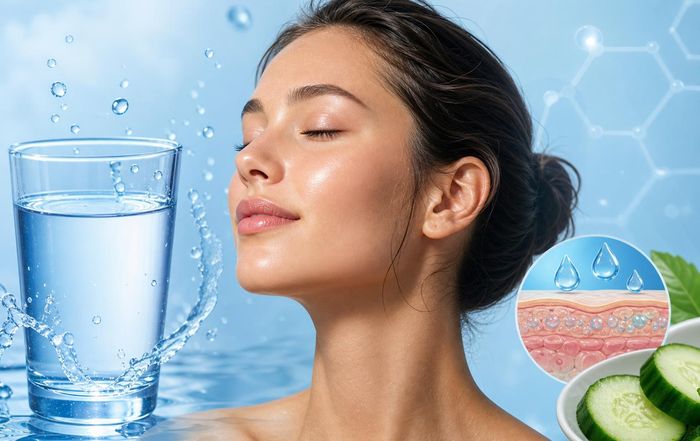
To understand why hydration matters so profoundly, it is necessary to examine how the skin maintains moisture at a structural level. The outermost layer of the skin, the stratum corneum, functions as a sophisticated barrier that regulates water loss, protects against environmental aggressors, and supports the microbiome. According to dermatological research published by institutions such as Harvard Medical School, the stratum corneum relies on a complex interplay of lipids, natural moisturizing factors, and cellular cohesion to retain water and maintain suppleness; readers can explore the broader context of skin biology through resources like Harvard Health's dermatology insights.
Hydration in this context is not only about how much water is present but how effectively it is bound and distributed within the skin layers. Intracellular water, lipid bilayers, and molecules such as hyaluronic acid and glycerin work together to maintain optimal turgor and elasticity. When this system is disrupted-by harsh climates in regions like Scandinavia, pollution in dense urban centers, over-cleansing, or internal dehydration-the skin's barrier function is compromised, leading to increased transepidermal water loss, irritation, dullness, and accelerated visible aging. Organizations such as the American Academy of Dermatology provide accessible explanations of these processes; interested readers can review dermatology guidelines to deepen their understanding of skin function and hydration.
We are committed to integrating scientific rigor into its content and recommendations, this barrier-centered view of hydration is central. It shifts the conversation from superficial moisture to barrier integrity, aligning with a broader wellness philosophy that connects external care with internal balance and sustainable habits.
Internal Hydration: Beyond the "Eight Glasses a Day" Myth
While the popular advice to drink eight glasses of water per day remains widespread, contemporary research shows that hydration needs are highly individualized. Factors such as climate, physical activity, diet, age, and underlying health conditions influence how much fluid a person requires to maintain optimal skin and systemic health. Authorities like the Mayo Clinic emphasize that thirst, urine color, and lifestyle context are more reliable indicators than fixed numerical rules, and readers can learn more about healthy hydration habits through their guidance.
For skin, internal hydration plays an indirect but meaningful role. Adequate fluid intake supports circulation, nutrient delivery, and waste removal, all of which contribute to the skin's capacity to repair and renew itself. However, simply drinking large volumes of water does not automatically translate into dewy, radiant skin; the body prioritizes vital organs first, and the skin benefits most when hydration is paired with balanced nutrition and a stable barrier. This is why we emphasize an integrated approach that connects daily hydration behaviors with broader nutritional and wellness strategies, as explored in its coverage of food and nutrition and fitness.
In regions experiencing extreme temperatures, such as Australia, Middle Eastern hubs, or parts of Africa, the challenge of maintaining systemic hydration is compounded by climate stress. International organizations like the World Health Organization highlight the importance of fluid intake, electrolyte balance, and heat adaptation strategies; readers can explore WHO guidance on hydration and health to understand how systemic hydration underpins overall wellbeing, including skin health.
Topical Hydration: Ingredients, Formulations, and Evidence
If internal hydration sets the stage, topical hydration provides the visible performance. Over the last decade, the skincare industry in North America, Europe, and Asia-Pacific has undergone a transformation driven by ingredient transparency, clinical testing, and consumer education. In 2026, the most effective hydrating strategies focus on three complementary actions: attracting water, binding it within the skin, and preventing its loss through a protected barrier.
Humectants such as hyaluronic acid, glycerin, and urea draw water into the stratum corneum, while emollients like ceramides, squalane, and certain plant oils smooth and soften the skin surface. Occlusives, including petrolatum, shea butter, or advanced silicone-based formulations, create a semi-permeable film that slows water evaporation. Dermatology-focused organizations such as the Cleveland Clinic provide consumer-friendly overviews of these ingredient categories, and readers can review their guidance on moisturizers and skin care to better understand formulation choices.
For QikSpa, which showcases spa and salon innovation worldwide, the emphasis is on aligning these ingredients with personalized treatment protocols. Hydrating facials, barrier-repair therapies, and post-procedure care now integrate clinically validated ingredients with advanced delivery systems, including encapsulation technologies and bio-fermented actives. This evolution reflects a broader shift toward evidence-based beauty, where claims must be supported by data rather than marketing narratives, reinforcing the platform's commitment to expertise and trustworthiness.
Climate, Environment, and the Global Hydration Challenge
The global audience that QikSpa serves-from New York and London to Berlin, Toronto, Sydney, Paris, Milan, Barcelona, Amsterdam, Zurich, Tokyo, Seoul, Bangkok, Singapore, Cape Town, São Paulo, and Auckland-faces a shared but varied challenge: environmental stressors that deplete skin hydration. Rising urban pollution, increased UV exposure due to outdoor recreation and travel, and the growing prevalence of air conditioning and indoor heating all contribute to chronic dryness and barrier disruption.
Organizations such as the European Environment Agency continue to document the impact of air quality on human health, and readers can explore their findings on air pollution to understand how particulate matter and oxidative stress can aggravate skin dehydration and inflammation. Similarly, the Environmental Protection Agency in the United States offers resources on UV exposure and ozone, and professionals can review EPA materials on sun safety to better contextualize environmental skincare recommendations.
In this environment, hydration strategies must be adapted to local conditions. Individuals in cold, dry climates such as Scandinavia and Canada benefit from richer, occlusive formulations and humidified indoor air, while those in humid regions of Southeast Asia or South America may require lighter textures that prioritize humectants and barrier support without occluding pores. QikSpa's global perspective, reflected across its international and travel news, underscores the importance of climate-specific skincare planning for both residents and frequent travelers navigating multiple environments in a single month.
Nutrition, Hydration, and the Skin-Gut Connection
The relationship between hydration and skin health cannot be fully understood without considering the role of nutrition and the emerging science of the skin-gut axis. While water intake is fundamental, the presence of electrolytes, essential fatty acids, antioxidants, and phytonutrients determines how effectively the body can maintain fluid balance and protect tissues from oxidative damage. Leading institutions such as Johns Hopkins Medicine highlight the importance of a balanced diet rich in fruits, vegetables, whole grains, and healthy fats for overall health; readers can learn more about nutrition and wellness to see how these principles extend to the skin.
Hydration-sensitive nutrients such as omega-3 fatty acids, found in fatty fish, walnuts, and flaxseeds, support the lipid barrier that retains moisture, while vitamins C and E help counteract free radical damage that can impair skin structure. Fermented foods and dietary fibers that nurture a healthy gut microbiome may indirectly support skin hydration by reducing systemic inflammation and improving nutrient absorption. This integrative view aligns with the editorial approach across food and nutrition, health, and wellness, where skin is treated as a mirror of internal balance rather than an isolated surface to be managed cosmetically.
Global health authorities such as the National Health Service (NHS) in the United Kingdom also emphasize the role of hydration and nutrition in broader metabolic health; interested readers can review NHS advice on hydration and diet to gain a practical framework for daily choices that support both systemic and skin wellbeing.
Movement, Stress, Sleep, and the Hydration Equation
Beyond water and skincare products, lifestyle behaviors significantly shape the skin's hydration status. Physical activity, when well-hydrated and appropriately fueled, enhances circulation and supports nutrient delivery to the skin, whereas intense exercise without sufficient fluid replacement can contribute to transient dehydration and dullness. Organizations such as the American College of Sports Medicine provide evidence-based recommendations for fluid intake around exercise, and readers can explore ACSM hydration guidance to integrate performance and skin-conscious strategies.
Stress and sleep patterns further complicate the hydration equation. Chronic stress triggers hormonal cascades that can impair barrier function and increase inflammatory responses, while sleep deprivation undermines the skin's nocturnal repair processes, including the regulation of water balance. The National Institutes of Health has extensively documented the impact of stress and sleep on health, and professionals can learn more about sleep, stress, and health outcomes to appreciate how these factors indirectly affect skin hydration.
For QikSpa, whose audience includes professionals in high-intensity careers, entrepreneurs, and globally mobile executives, these interdependencies are central to a realistic hydration strategy. Articles and features that connect skincare routines with stress management, movement practices, and restorative sleep reflect an integrated philosophy that recognizes the skin as part of a broader ecosystem of wellbeing, rather than a surface to be managed independently.
Spa, Salon, and Professional Hydration Therapies
Professional spa and salon environments across North America, Europe, Asia-Pacific, and the Middle East have become laboratories for advanced hydration therapies that blend dermatological science with sensory experience. From hydrating facials and oxygen infusions to LED-assisted barrier repair and post-travel recovery protocols, leading spas are redefining what it means to "replenish" the skin in a world of constant screen exposure, jet lag, and environmental stress.
In 2026, many of these services are increasingly grounded in clinical research, aligning with the direction set by organizations such as the International Spa Association (ISPA), which encourages data-driven wellness programming; industry professionals can learn more about global spa trends to understand how hydration services are evolving. For QikSpa, which curates spa and salon insights from around the world, the focus is on highlighting practices that combine immediate aesthetic benefits with longer-term barrier support and education.
Hydration-focused treatments now often include pre-service skin analysis, personalized product selection based on climate and lifestyle, and post-service guidance that links professional care with at-home routines and nutritional habits. This consultative model reflects a broader shift toward partnership between practitioners and clients, underscoring the importance of expertise, authoritativeness, and trustworthiness in every recommendation.
Women, Hydration, and Life-Stage Skin Needs
While hydration is essential for all genders, women across the United States, United Kingdom, Germany, France, Italy, Spain, Nordic countries, Japan, South Korea, Thailand, Brazil, South Africa, and New Zealand often experience unique hydration challenges linked to hormonal fluctuations and life stages. Puberty, pregnancy, postpartum changes, perimenopause, and menopause can all alter sebum production, barrier function, and water retention, leading to shifts in dryness, sensitivity, and texture.
Organizations such as the North American Menopause Society have drawn attention to the ways in which declining estrogen levels can reduce skin thickness and moisture retention, contributing to increased dryness and fragility; interested readers can explore their resources on skin changes in menopause for a more detailed understanding. In parallel, women balancing demanding careers, caregiving roles, and global travel patterns often face chronic sleep deficits and stress, which further compromise hydration and overall skin resilience.
QikSpa, through its dedicated women's and careers content, recognizes that hydration guidance must be sensitive to these life-stage and lifestyle realities. This includes acknowledging the need for adaptable routines that can be maintained during business travel, remote work, parenting responsibilities, or leadership roles, as well as encouraging open dialogue with dermatologists and healthcare professionals when hormonal changes significantly impact skin comfort and confidence.
Sustainability, Ethics, and the Future of Hydrating Skincare
As consumers in Europe, North America, Asia, and Oceania become more conscious of environmental and ethical considerations, the future of hydrating skincare is increasingly shaped by sustainability expectations. Water scarcity in certain regions, concerns over microplastics, and scrutiny of supply chains are prompting brands and spas to reconsider how hydration products are formulated, packaged, and delivered. Organizations such as the United Nations Environment Programme highlight the urgency of responsible resource use, and readers can learn more about sustainable consumption and production to understand the broader context in which beauty and wellness decisions now sit.
For QikSpa, which champions sustainable and responsible wellness, hydration is not only a personal health issue but a business and ethical concern. This perspective encourages readers and industry stakeholders to evaluate whether hydrating products use responsibly sourced ingredients, minimize unnecessary water usage in production, and reduce packaging waste. It also underscores the importance of supporting brands and spas that demonstrate transparency, invest in research, and prioritize long-term skin and planetary health over short-term marketing cycles.
The intersection of sustainability and hydration is particularly relevant for global travelers and international professionals, who may encounter varying regulatory standards and environmental practices across regions. By spotlighting best practices and emerging innovations, QikSpa aims to equip its audience with the knowledge required to make informed, values-aligned choices in both personal routines and business partnerships.
Integrating Hydration into a Holistic Lifestyle Strategy
Ultimately, hydration in 2026 is best understood not as a single action-drinking more water or applying a moisturizer-but as a multi-dimensional strategy woven through daily life. It is reflected in how individuals structure their workdays, manage screen time, choose foods, schedule movement, design sleep environments, and engage with spa and salon services. It also informs how organizations in the wellness, beauty, and hospitality sectors design customer experiences, train professionals, and communicate their values.
For readers who engage with us daily across wellness, beauty, yoga, fashion, business, and lifestyle content, the role of hydration in skin health is a unifying theme that connects personal care with professional performance and long-term wellbeing. Whether navigating boardrooms in New York, creative studios in London, tech hubs in Berlin, financial districts in Singapore, or innovation corridors in Seoul and Tokyo, hydrated, resilient skin supports the confidence and presence required to operate at a high level.
As the wellness economy continues to mature and the global audience becomes ever more discerning, platforms like QikSpa are uniquely positioned to translate complex scientific insights into accessible, actionable guidance. By emphasizing experience, expertise, authoritativeness, and trustworthiness, and by grounding every discussion of hydration in credible science, ethical awareness, and real-world context, we help our readers move beyond superficial trends and toward a deeper, more sustainable relationship with their skin-and, by extension, with their overall health and quality of life.
In this evolving landscape, hydration is not a fleeting beauty buzzword but a foundational principle. It is a daily practice, a professional consideration, a design parameter for spa and salon services, and a lens through which individuals can evaluate their habits, environments, and choices. For those who look to QikSpa as a guide, the path forward is clear: understand the science, respect the skin's complexity, honor the body's needs, and integrate hydration into a holistic, globally aware, and future-ready approach to living and working well.
