
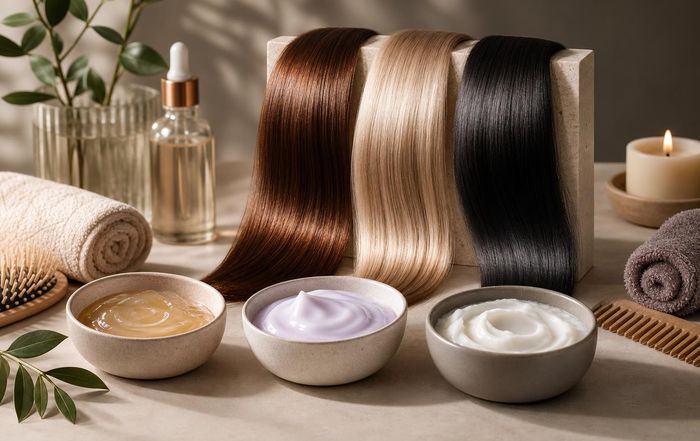
Salon Hair Treatments Explained: Gloss, Glaze, and Masks
Walk into almost any modern salon and the service menu now stretches well beyond a simple cut and color. Terms like "gloss," "glaze," and "mask" appear everywhere, often bundled into premium packages that promise shine, softness, and "glass hair." Yet many people leave the chair unsure what they actually paid for, how long it will last, or whether they really needed it in the first place.
This fashion guide breaks down the most common in-salon shine and conditioning services-glosses, glazes, and masks-so it is easier to choose what suits your hair, budget, and lifestyle. It also looks at how these treatments interact with color, how they compare to at-home products, and what to ask your stylist before saying yes to the upsell.
Along the way, you will see how these services fit into a broader self-care routine, from occasional pampering at a spa or salon to everyday wellness habits that keep hair and scalp healthier over time.
What a salon "treatment" actually does to your hair
Most professional shine and conditioning services work on one or both of two levels: the outer cuticle and the inner cortex. The cuticle is the hair's protective outer layer made of overlapping scales; when it lies flat and smooth, hair reflects light and feels silky. Chemical services, heat styling, UV exposure, and rough handling can lift and chip this layer, making hair look dull, frizzy, and rough. Many glosses and glazes contain conditioning agents, lightweight silicones, and acidic pH adjusters that help the cuticle lie flatter, creating that reflective, "fresh from the salon" sheen without necessarily changing the hair's internal structure.
The cortex is where natural pigment and much of the hair's strength live. Permanent color, bleach, and some smoothing treatments penetrate the cortex, often by opening the cuticle with alkaline agents like ammonia or ethanolamine. By contrast, most glosses, glazes, and masks are designed to be far gentler. Semi-permanent glosses may deposit sheer color into the cuticle and slightly into the cortex, but they are typically ammonia-free and lower in peroxide than permanent color. Deep masks focus on infusing the cortex with lipids, proteins, and humectants to improve flexibility and reduce breakage, while leaving the cuticle smoother as a side effect.
For people who maintain regular coloring, these treatments can be part of a broader hair health strategy, balancing the stress of chemical services with targeted repair and protection. For those who rarely color, they can provide shine, tone correction, or moisture without a drastic change.
Hair gloss: Sheer color and high shine
In salon language, a gloss is usually a demi- or semi-permanent treatment that adds translucent color and shine. Brands such as Redken, Wella, and L'Oréal Professionnel offer professional gloss lines that stylists can customize to adjust tone, enhance natural color, or simply add shine with a clear formula. These products are generally acidic or slightly acidic, which helps tighten the cuticle and makes hair feel smoother. They may contain a small amount of peroxide to activate color molecules, but they typically avoid strong alkalizing agents like ammonia.
A color gloss is often used after highlights or balayage to "tone" the hair-neutralizing brassiness, adding warmth, or creating a cooler, more sophisticated shade. Because it is translucent, it will not dramatically darken hair in the way permanent color can; instead it subtly shifts tone and intensifies depth. A clear gloss contains no pigment but uses the same base to boost shine and make existing color look fresher. Many stylists recommend a gloss every 4-8 weeks, depending on how quickly the tone fades and how often the client shampoos or swims.
From a safety perspective, glosses are considered lower impact than permanent dyes, but they are not completely inert. They still contain colorants and other chemicals regulated by agencies such as the U.S. Food and Drug Administration (FDA) and overseen in Europe by bodies including the European Commission (ec.europa.eu). People with a history of hair dye allergies should still request a patch test, as recommended by organizations like the American Academy of Dermatology (aad.org). For most clients, though, a gloss is a relatively gentle way to maintain hair color between full services and can be combined with a relaxing visit to a spa and salon for a broader self-care ritual.
Hair glaze: Shine with minimal or no color
The terms "gloss" and "glaze" are sometimes used interchangeably in marketing, but many salons and brands use "glaze" to describe an even gentler, often non-oxidative treatment. A glaze is usually a semi-permanent or temporary coating that sits more on the surface of the hair, adding shine and sometimes a hint of tint without using peroxide. Because it does not rely on oxidation, a glaze generally cannot lighten hair or make a major tonal change; instead it boosts vibrancy, masks mild dullness, and improves manageability.
Glazes may be clear or subtly tinted. Clear formulas are popular for natural, virgin hair that needs a reflective finish for a special event or photo shoot. Tinted glazes can enhance natural brunettes or redheads without committing to a full color service. Since these products mostly wrap the cuticle rather than penetrating deeply, the results typically last from a few shampoos up to about 2-4 weeks, depending on the specific formula and how often hair is washed. They can be an appealing option for people who want a "spa-day" hair upgrade that will gently fade away.
Because glazes tend to be low in strong chemical developers, they may be better tolerated by some people with sensitive scalps, though any new product can potentially cause irritation. Checking ingredient lists and discussing sensitivities with a stylist is wise, especially for those with a history of dermatitis or allergies. Consumer and safety organizations such as Health Canada (canada.ca) and the UK National Health Service (nhs.uk) offer general guidance on cosmetic allergies, which can be useful background before trying new treatments. For many, however, a glaze is more about the sensory experience-warm water, gentle scalp massage, and a glossy finish-than about major color transformation.
Hair masks: Intensive conditioning and repair
Hair masks are concentrated conditioning treatments designed to be left on the hair for longer than a standard conditioner, often 5-20 minutes. In salons, they may be paired with heat, steam, or massage to help ingredients penetrate more effectively and to add a relaxing, spa-like element to the service. Masks can be protein-rich to reinforce damaged strands, lipid-rich to restore softness and shine, or moisture-focused to combat dryness and frizz. Many professional masks use combinations of humectants like glycerin, oils such as argan or coconut, and cationic conditioning agents that help smooth the cuticle.
Research from groups such as the International Journal of Trichology and professional bodies like the American Academy of Dermatology suggests that conditioning treatments can reduce friction between hair fibers, decrease breakage during combing, and improve the feel of damaged hair, though they cannot permanently "heal" split ends. Masks provide a temporary but often very noticeable improvement in softness and manageability, especially for hair that is chemically processed, heat-styled, or naturally coarse and dry. For many people, a monthly in-salon mask becomes part of a broader wellness and beauty routine, much like facials or body scrubs.
It is important to match the mask to hair type and current condition. Overusing heavy protein masks on already strong or low-porosity hair can sometimes leave it feeling stiff or brittle, while excessively rich, oily formulas can weigh down fine hair. A skilled stylist will usually assess whether hair needs more strength, more moisture, or a balance of both. For those who prefer to maintain results at home between salon visits, dermatology and cosmetic science resources from institutions such as Harvard Health (health.harvard.edu) and Mayo Clinic (mayoclinic.org) offer general guidance on selecting appropriate hair-care products.
How to choose between a gloss, glaze, and mask
Choosing the right treatment depends on the hair's current state and the client's goals. Someone with colored or highlighted hair who is noticing brassiness or a washed-out tone will typically benefit most from a gloss, particularly a demi-permanent toner that can neutralize unwanted shades and restore depth. In contrast, a person with virgin hair that looks dull but has an even color may find a clear glaze sufficient to boost shine before a holiday, wedding, or professional photo session. A mask is most appropriate when hair feels rough, tangles easily, or breaks during brushing-signs of dryness and structural stress that call for targeted conditioning.
Lifestyle also matters. Frequent swimmers, regular users of hot tools, and those living in very sunny or polluted environments may need more frequent conditioning treatments to counteract environmental stress. Organizations like the World Health Organization (who.int) and national meteorological services highlight the impact of UV exposure and air quality on skin and hair, which can help explain why some people's hair fades or dries out faster than others. People with busy schedules who cannot visit a salon often may prefer a more durable gloss, while those who enjoy regular pampering might schedule glazes or masks every few weeks as part of a lifestyle and self-care routine.
Budget is another practical factor. Glosses that involve color formulation and careful timing are usually priced higher than simple conditioning masks or glazes. For many, a cost-effective strategy is to combine a gloss with a haircut or color service every couple of months, and rely on at-home masks between visits. When discussing options, it can help to be explicit with the stylist about priorities-long-lasting tone correction, immediate shine for an event, or ongoing repair-and to ask which service offers the best value for that specific goal.
What to ask your stylist before booking a treatment
Salon menus can be vague, and the same word may mean different things from one brand or country to another. Before agreeing to a gloss, glaze, or mask, it is reasonable to ask a few direct questions. Asking whether the product contains ammonia or peroxide clarifies how strong the chemical action will be. Inquiring whether the treatment is oxidative (like a demi-permanent color) or non-oxidative (more like a conditioning glaze) can help those with sensitive scalps or previous reactions make informed decisions. People with a history of hair dye allergy should mention it clearly, and may wish to request a patch test in line with guidance from dermatology organizations and regulatory bodies such as the European Chemicals Agency (echa.europa.eu).
It is also useful to ask how long the results are expected to last, which shampoo or styling habits might shorten that time, and whether there are recommended at-home products to maintain the effect. Some salons may recommend sulfate-free shampoos or lower-temperature styling tools to reduce fading. Those who follow fitness or yoga routines that involve frequent washing or sweating may need to adjust expectations about longevity. Clarifying whether a treatment is purely cosmetic or has a cumulative effect over multiple sessions can prevent disappointment and help with planning.
Finally, it is worth asking how the treatment fits into your overall hair plan. If you are growing out color, transitioning to natural gray, or recovering from a period of breakage, certain glosses or protein-heavy masks may be more or less appropriate. A good stylist should be able to explain how today's service supports longer-term hair health and style goals, rather than recommending add-ons in isolation.
At-home options versus salon services
The rise of at-home glosses, glazes, and masks has given consumers more control over hair care between appointments. Many retail brands now offer "glossing" conditioners, color-depositing masks, and weekly deep-treatment packs. These products can extend salon results, reduce brassiness, and maintain softness, especially when chosen with guidance from a professional. For example, a color-treated brunette might use a blue- or green-tinted mask once a week to counteract orange tones, while someone with highlighted blonde hair might reach for a purple glossing conditioner every few washes.
However, there are limits to what can be safely and predictably achieved at home. Professional glosses are mixed to precise formulas and applied with attention to porosity differences across the head, which is difficult to replicate without training. Misusing pigmented at-home products can sometimes lead to patchy or overly dark results, particularly on porous ends. Regulatory and consumer groups such as the U.S. Federal Trade Commission (ftc.gov) and national consumer protection agencies emphasize reading and following instructions carefully for cosmetic products, especially those containing dyes or strong conditioning agents.
For masks, at-home and salon formulas often share similar active ingredients, but the salon experience adds expert diagnosis, tailored product choice, and sometimes heat or steam to enhance penetration. Those on a budget can blend both approaches: schedule a professional mask or gloss periodically, then maintain with more affordable home care. Integrating hair care into broader fitness and food and nutrition habits-staying hydrated, eating enough protein and essential fatty acids-also supports hair quality from the inside, as highlighted by organizations such as the Academy of Nutrition and Dietetics (eatright.org).
When to skip or space out salon treatments
While glosses, glazes, and masks can all play useful roles, more is not always better. Overlapping too many chemical or semi-chemical services in a short period can stress hair and scalp, especially when combined with hot tools and environmental exposure. People who have recently undergone strong chemical services-such as bleaching, permanent straightening, or intense keratin treatments-may need to wait before adding another oxidative gloss, focusing instead on gentle masks and low-manipulation styling while the hair recovers.
Those with scalp conditions like psoriasis, seborrheic dermatitis, or active eczema should consult a dermatologist or healthcare professional before trying new salon products. Resources from bodies such as the National Eczema Association (nationaleczema.org) and DermNet NZ (dermnetnz.org) provide general information on managing scalp sensitivity and may help inform discussions with stylists. In some cases, it may be advisable to prioritize medical treatment and gentle cleansing over cosmetic shine services until the condition is well controlled.
It can also be helpful to step back and consider overall lifestyle and stress levels. Hair health often reflects broader wellbeing; chronic stress, poor sleep, and nutritional gaps can all affect shedding and texture over time. Building in regular, low-pressure self-care-whether that is a quiet conditioning treatment at home, a periodic visit to a favorite spa and salon, or a relaxing travel break-may ultimately do more for how hair looks and feels than stacking multiple quick-fix treatments.
Bringing it all together
Glosses, glazes, and masks each offer something different: glosses provide sheer color refinement and luminous shine, glazes give a gentle, often temporary radiance boost with minimal chemical action, and masks focus on intensive conditioning and repair. Understanding these distinctions makes it easier to match a treatment to specific needs-whether that is keeping highlights looking expensive between appointments, preparing for a special occasion, or simply restoring softness to hair that has seen too much sun and heat.
For many people, the most satisfying approach blends occasional professional services with thoughtful everyday care. That might mean scheduling a gloss every few months, adding a glaze before big events, and using masks regularly at home, all while paying attention to nutrition, stress, and scalp health. With clear communication, realistic expectations, and a focus on overall wellbeing rather than quick cosmetic fixes, salon treatments can become a genuinely restorative part of a broader wellness-focused lifestyle, not just another line on the receipt.
