
Canada's Luxury Spa Resorts in 2026: How a Wellness Powerhouse Redefines Global Hospitality
Canada's transformation into a premier wellness destination has accelerated dramatically by 2026, positioning the country at the forefront of luxury spa tourism for travelers from North America, Europe, Asia, and beyond. For the global audience of qikspa.com, which spans interests from spa and salon culture to wellness, sustainable living, beauty, business, and international travel, Canada now represents a benchmark for how nature, science, hospitality, and lifestyle can be integrated into a single, coherent wellness experience. From the glacier-carved valleys of Alberta to the coastal rainforests of British Columbia and the culturally rich cities of Ontario and Québec, Canadian spa resorts and hotels are no longer simply places to relax; they are carefully curated ecosystems of health, sustainability, and high-end design that speak directly to contemporary expectations of experience, expertise, authoritativeness, and trustworthiness in the wellness sector.
As wellness tourism continues to expand globally, with organizations such as the Global Wellness Institute tracking its rapid rise across regions like North America, Europe, and Asia, Canada has leveraged its reputation for safety, environmental stewardship, and multicultural sophistication to attract discerning travelers who regard wellness as a core component of their lifestyle. This evolution is particularly relevant for readers in the United States, United Kingdom, Germany, France, Italy, Spain, the Netherlands, Switzerland, China, Japan, South Korea, Singapore, Australia, New Zealand, and emerging wellness markets across South America and Africa, who increasingly look to Canada for models of how luxury hospitality can embrace holistic health while remaining authentically rooted in local culture and landscapes.
Canada's Wellness Identity in a Global Context
By 2026, the global wellness economy has surpassed previous projections, with wellness tourism recognized as one of its most dynamic segments. Institutions such as the World Travel & Tourism Council and the OECD have highlighted how wellness-oriented travel is reshaping visitor expectations, influencing everything from hotel design to food sourcing and spa programming. Within this evolving landscape, Canada has defined a distinctive identity that combines pristine nature, cutting-edge spa technologies, respect for Indigenous knowledge, and a strong regulatory environment that reinforces consumer trust.
Unlike many destinations that retrofit wellness into existing tourism products, Canadian luxury resorts and hotels increasingly design their offerings around holistic health from the outset. Properties in regions such as British Columbia, Alberta, Québec, and Ontario integrate hydrotherapy circuits, advanced skincare and medical-grade treatments, nature-based fitness, and culinary programs focused on longevity and metabolic health. For readers of qikspa.com, who are already attuned to the interplay between health, wellness, food and nutrition, and travel, Canada offers a real-world case study in how these elements can be orchestrated into a seamless guest journey that feels both aspirational and credible.
At the same time, Canada's spa destinations operate within a broader ecosystem of public health standards, environmental regulations, and consumer protections. Organizations such as Health Canada and provincial regulators have helped build international confidence in Canadian wellness services, whether guests are booking a cryotherapy session in British Columbia, a Nordic hydrotherapy circuit in Québec, or an integrative wellness consultation in Toronto or Vancouver. This trust factor, combined with the country's political stability and high-quality infrastructure, has made Canada particularly attractive to wellness travelers from Europe and Asia who prioritize safety, medical oversight, and ethical business practices alongside luxury.
Nature, Landscape, and the Architecture of Calm
The geography of Canada remains its most powerful calling card, and luxury spa resorts have become increasingly sophisticated in how they frame and interpret these landscapes for guests. Rather than treating nature as a backdrop, leading properties design architecture, treatment menus, and wellness journeys around the specific qualities of their environments, aligning closely with global trends in biophilic design and regenerative tourism documented by organizations such as the United Nations World Tourism Organization and UNEP. For a wellness-focused audience that follows sustainable innovation on platforms like qikspa.com/sustainable, Canada's approach to eco-luxury is especially resonant.
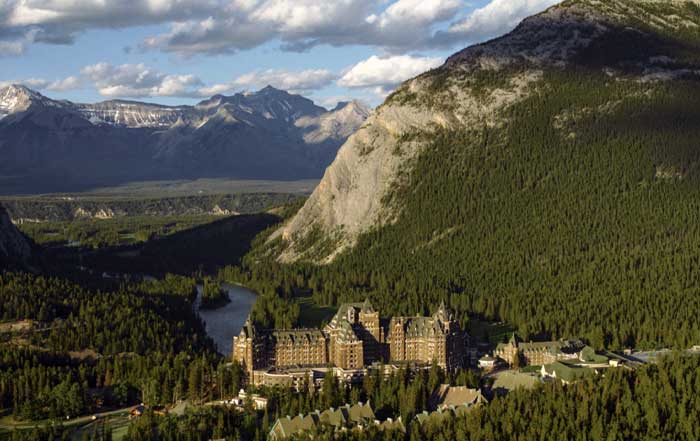
In the Canadian Rockies, iconic properties such as Fairmont Banff Springs continue to refine their positioning as alpine wellness sanctuaries, integrating mountain air, mineral-rich waters, and four-season outdoor fitness into comprehensive spa offerings. The Willow Stream Spa at Fairmont Banff Springs exemplifies the way Canadian resorts fuse European hydrotherapy traditions with local botanicals, glacial clays, and aromatherapy derived from native conifers, while simultaneously providing access to skiing, hiking, and guided mindfulness walks that capitalize on the therapeutic benefits of time in nature, an area increasingly supported by research from institutions like Harvard T.H. Chan School of Public Health.
On the Pacific coast, properties such as Kingfisher Oceanside Resort & Spa and Wickaninnish Inn on Vancouver Island are redefining oceanic wellness, offering guests immersive experiences that leverage the restorative power of the sea. Thalassotherapy, seaweed-based wraps, and ocean-mineral facials are paired with architecture that maximizes exposure to natural light, sea air, and the rhythmic sound of waves, aligning with evidence-based insights into stress reduction and circadian health. For travelers seeking to integrate fitness into their spa journeys, these coastal retreats also provide surfing, kayaking, forest bathing, and guided coastal hikes that embody the Canadian ethos of active wellness.
In Eastern Canada, Québec and Ontario have become synonymous with Nordic-inspired spa culture, where properties such as Scandinave Spa and Balnea Spa are celebrated for their thermal circuits set against forests, lakes, and rolling hills. These experiences, rooted in alternating hot, cold, and rest cycles, are increasingly supported by scientific literature on hydrotherapy, circulation, and immune function, as highlighted in resources from organizations like the Mayo Clinic. For readers who are as interested in the science of wellness as in the aesthetics, Canada's ability to connect evidence-based benefits with sensorially rich experiences is a key part of its authority in the global spa space.
Integrating Indigenous Knowledge and Cultural Authenticity
One of the most significant developments in Canadian luxury spa culture by 2026 is the deeper, more respectful integration of Indigenous healing traditions and perspectives. Rather than superficial theming, leading resorts are collaborating with Indigenous communities, knowledge keepers, and entrepreneurs to co-create spa rituals, botanically based products, and cultural programming that are grounded in authenticity and reciprocity. This shift aligns with broader national efforts toward reconciliation and is increasingly recognized by global observers, including entities such as UNESCO, as an important dimension of cultural preservation.
In practice, this means that guests at select resorts in British Columbia, Alberta, and Atlantic Canada may encounter cedar and sage smudging ceremonies, sweat-inspired detox rituals adapted for contemporary spa contexts, storytelling circles, or body treatments using traditional plant medicines. Properties such as Fogo Island Inn in Newfoundland and Labrador, already a global reference point for community-based tourism, demonstrate how wellness experiences can be designed to benefit local communities economically and culturally while offering international travelers profound, place-based encounters with land and heritage. For the qikspa.com audience, which often evaluates wellness brands through the lens of ethics and authenticity, these models underscore why Canada is increasingly seen as a leader in responsible luxury.
This cultural integration also speaks directly to women's leadership and empowerment within the wellness sector. Many of the most innovative Indigenous and non-Indigenous wellness initiatives in Canada are led by women-spa directors, healers, designers, and entrepreneurs-who are shaping offerings that address women's health, hormonal balance, stress, and mental well-being in nuanced, holistic ways. Readers interested in women-centric wellness programming and leadership will find strong alignment with the themes explored on qikspa.com/women, where the intersection of gender, health, and career is a recurring focus.
Urban Wellness: Where Business, Fashion, and Health Converge
While Canada's wild landscapes attract global attention, its major cities-particularly Toronto, Vancouver, and Montréal-have emerged as influential hubs where luxury wellness intersects with business, design, and fashion. Urban spa hotels in these metropolitan centers cater to international executives, digital nomads, and creative professionals who want to maintain high performance without sacrificing health. For readers who frequent qikspa.com/business and follow corporate wellness trends, Canada's urban offerings provide compelling examples of how hospitality can support productivity and resilience.
In Toronto, properties such as The Ritz-Carlton, Toronto and Four Seasons Hotel Toronto have elevated their spa and wellness programming to appeal to a global clientele that increasingly expects personalized, data-informed services. Customized facials using AI-driven skin analysis, circadian-friendly lighting in guest rooms, and corporate wellness packages that integrate mindfulness, ergonomics, and nutrition are now common in the city's top-tier hotels. These trends mirror broader shifts in executive health documented by organizations like McKinsey & Company, which have highlighted the growing corporate focus on mental well-being and burnout prevention.
Vancouver, often ranked among the world's most livable cities by sources such as The Economist Intelligence Unit, offers a different but complementary urban wellness narrative. Properties like Shangri-La Vancouver fuse Asian-inspired therapies with West Coast health culture, offering yoga, Pilates, and spa treatments designed to counteract the effects of long-haul travel and high-intensity work schedules. The city's proximity to mountains and ocean also allows hotels to integrate outdoor experiences into corporate retreats, reinforcing the Canadian belief that nature is an indispensable ally in sustaining long-term performance.
Montréal, with its blend of European charm and North American dynamism, has become a magnet for fashion-conscious wellness travelers who value aesthetics as much as outcomes. The Four Seasons Hotel Montréal and other luxury properties in the city offer spa experiences that pair advanced skincare technologies with collaborations involving global beauty brands and Canadian designers. For qikspa.com readers who follow beauty and fashion trends, Montréal's spa scene illustrates how wellness has become inseparable from personal branding, self-expression, and lifestyle identity in markets from Europe to Asia.
Culinary Wellness and Metabolic Health as Luxury Standards
Across Canada, the integration of culinary wellness into spa experiences has deepened significantly, reflecting global research on metabolic health, gut microbiota, and longevity published by institutions such as Stanford Medicine and Cleveland Clinic. Luxury resorts now routinely employ nutritionists and chefs who collaborate to design menus that are both indulgent and health-optimizing, emphasizing whole foods, seasonal produce, plant-forward dishes, and functional ingredients such as omega-3-rich seafood, fermented foods, and low-glycemic grains.
At properties like Balnea Spa in Québec, seasonal tasting menus emphasize local, organic, and often plant-based cuisine that aligns with the spa's ethos of mindful living. In Ontario, Ste. Anne's Spa continues to refine its farm-to-table model, drawing from its own agricultural operations to ensure traceability and freshness, a practice that resonates with guests from Europe and North America who follow developments in sustainable gastronomy through platforms such as Slow Food International. For the qikspa.com community, which often sees food as a core pillar of wellness, these resorts provide living examples of the principles discussed on qikspa.com/food-and-nutrition.
Urban hotels in Toronto and Vancouver have similarly embraced wellness-centric dining, offering menus tailored to specific goals such as immune support, cognitive performance, or hormone balance. These offerings are particularly attractive to business travelers and entrepreneurs who understand, often through their own performance data and wearables, how nutrition affects focus, mood, and recovery. The convergence of gastronomy, science, and spa culture is one of the reasons Canada is increasingly cited in international media as a model for integrated, lifestyle-oriented wellness hospitality.
Fitness, Yoga, and Mindfulness as Core Infrastructure
By 2026, fitness and movement are no longer ancillary services in Canadian luxury resorts; they are core infrastructure. Properties across the country have invested in state-of-the-art fitness studios, outdoor activity programs, and mind-body spaces that reflect global trends tracked by organizations such as ACSM and IHRSA, which have documented the rise of functional training, recovery-focused modalities, and integrated wellness coaching. For readers who follow fitness and yoga content on qikspa.com, Canadian resorts offer concrete examples of how these practices are embedded into high-end hospitality.
In the Rockies and on the West Coast, resorts pair traditional spa days with structured outdoor activities: guided mountain hikes, trail running, stand-up paddleboarding, cross-country skiing, and snowshoeing, all supervised by trained instructors who understand both performance and safety. These programs often incorporate heart-rate monitoring, movement assessments, and recovery protocols, aligning with best practices in sports science and appealing to guests from countries such as Germany, Switzerland, Norway, and Sweden, where outdoor fitness culture is deeply ingrained.
Yoga and mindfulness have become central components of Canadian spa programming, with sunrise sessions overlooking lakes, forest meditation walks, and sound baths offered alongside more conventional treatments. Resorts like Sparkling Hill Resort integrate yoga with advanced modalities such as cryotherapy and infrared saunas, creating comprehensive protocols that address inflammation, stress, and sleep. This holistic approach reflects insights from organizations like Mindful.org and The American Psychological Association, which have highlighted the role of mindfulness and movement in mental health, and resonates strongly with the global wellness community that looks to qikspa.com for integrated perspectives on body and mind.
Sustainability, Technology, and Trust in the Next Era of Wellness
One of the defining characteristics of Canada's luxury spa sector in 2026 is its alignment with sustainability and technological innovation, two themes that are central to discerning wellness travelers from regions such as Europe, Asia, and North America. Resorts increasingly pursue third-party green certifications, invest in renewable energy, and adopt circular economy principles in line with guidance from organizations like the World Green Building Council and B Corp networks. For readers exploring sustainable living and business models on qikspa.com/sustainable, Canadian spa properties provide valuable case studies in how eco-luxury can move beyond marketing to measurable impact.
Eco-architecture, low-impact materials, water conservation technologies, and biodiversity protection are no longer niche considerations but strategic imperatives. Properties such as Fogo Island Inn and select West Coast resorts exemplify this shift, integrating local craftsmanship, minimal land disturbance, and community benefit into their operating models. These efforts resonate strongly with travelers from countries like Denmark, Finland, and the Netherlands, where sustainability is a central societal value, and reinforce Canada's image as a trustworthy destination where luxury and responsibility are not in conflict.
Simultaneously, Canadian spa resorts are early adopters of digital wellness tools that enhance personalization while respecting privacy. Biometric assessments, app-based wellness coaching, and AI-assisted skincare diagnostics are being deployed to tailor programs to individual needs, often in partnership with global technology and health companies that adhere to stringent standards. For an audience that follows innovation through platforms such as MIT Technology Review or World Economic Forum, this fusion of high tech and high touch underscores Canada's role as a forward-looking wellness hub.
Careers, Global Influence, and the Qikspa Perspective
The rapid expansion of Canada's luxury spa and wellness sector has also created a robust career ecosystem that attracts talent from around the world. Spa therapists, nutritionists, yoga instructors, wellness coaches, sustainability specialists, and hospitality managers are finding opportunities in Canadian resorts that value continuous education, interdisciplinary collaboration, and cultural sensitivity. For professionals and students exploring careers in wellness, Canada offers a compelling combination of quality of life, professional development, and exposure to international best practices.
From the vantage point of qikspa.com, which engages readers across continents on topics ranging from spa and salon trends to global international wellness developments, Canada's rise is instructive. It demonstrates how a country can leverage its natural assets, regulatory frameworks, and cultural diversity to build a wellness brand that is both aspirational and trustworthy. More importantly, it illustrates how luxury spa tourism can evolve from a model centered on indulgence to one grounded in long-term health, social responsibility, and environmental stewardship.
For travelers planning their next wellness journey, for executives designing corporate retreats, for entrepreneurs developing sustainable spa brands, and for women and men seeking meaningful, health-centered experiences, Canada in 2026 stands as one of the most compelling destinations on the global map. Its luxury spa resorts and hotels do more than deliver treatments; they curate holistic pathways that connect lifestyle, health, wellness, and travel into a coherent, future-focused vision of what it means to live well.
In this sense, the story of Canadian spa tourism is closely aligned with the mission of qikspa.com itself: to help a global audience navigate the evolving world of wellness with clarity, discernment, and trust. As the wellness economy continues to expand across Europe, Asia, Africa, and the Americas, Canada's example suggests that the most successful destinations will be those that combine experience and expertise with genuine care for people, communities, and the planet-and that is precisely where Canada, in 2026, excels.
