
The Power of Probiotics for Digestive Health in 2026: A Strategic Guide for Modern Wellness
Probiotics at the Intersection of Science, Lifestyle, and Business
As digestive health moves from a niche concern to a central pillar of modern wellness, probiotics have become a defining trend for health-conscious consumers, spa and salon clients, and business leaders across the global wellness economy. In 2026, the conversation around gut health has evolved far beyond simple yogurt marketing claims, drawing on advanced microbiome science, sophisticated product formulations, and integrated lifestyle strategies that span nutrition, fitness, mental health, and beauty. For QikSpa, which sits at the crossroads of spa experiences, wellness innovation, and lifestyle education, probiotics represent a powerful lens through which to explore how individuals and organizations can build truly holistic approaches to health.
Digestive wellness is now recognized as a foundational determinant of overall wellbeing, influencing immunity, metabolism, skin health, mood, and even professional performance. Institutions such as the World Health Organization and research bodies highlighted by NIH have contributed to a deeper understanding of how the trillions of microorganisms in the human gut interact with diet, environment, and lifestyle. As the global wellness market continues to grow, with spa and salon experiences increasingly incorporating nutrition and gut-focused offerings, understanding the power of probiotics has become essential for both consumers and businesses seeking to differentiate in a crowded marketplace.
Understanding Probiotics and the Modern Microbiome
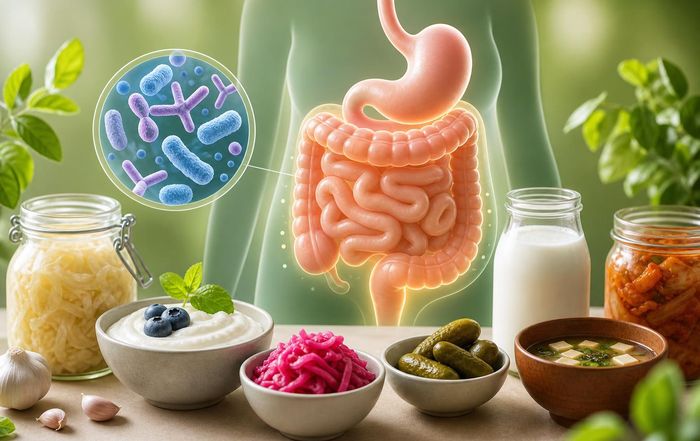
Probiotics are live microorganisms that, when administered in adequate amounts, confer a health benefit on the host, a definition widely adopted by organizations such as the International Scientific Association for Probiotics and Prebiotics. These microorganisms, often strains of Lactobacillus, Bifidobacterium, or certain yeasts such as Saccharomyces boulardii, interact with the complex ecosystem of bacteria, fungi, and viruses that inhabit the human digestive tract, collectively known as the gut microbiome. This microbiome functions almost like an additional organ, influencing digestion, nutrient absorption, immune function, and even the production of neurotransmitters.
Advances in microbiome sequencing technologies, driven by institutions such as the Broad Institute and academic centers across the United States, Europe, and Asia, have enabled researchers to map microbial communities with unprecedented precision. These insights have shown that a diverse and balanced microbiome is generally associated with better health outcomes, while disruptions in this balance, known as dysbiosis, have been linked to conditions ranging from irritable bowel syndrome to metabolic disorders. As a result, probiotics are no longer viewed as simple supplements but as targeted tools for modulating the microbiome in specific, evidence-based ways.
On QikSpa, readers exploring core categories such as health, wellness, and food and nutrition increasingly expect clear explanations of how probiotics work, which strains are relevant for particular goals, and how to integrate them into daily routines. This demand reflects a broader shift toward informed, science-driven self-care that spans continents, from the United States and United Kingdom to Germany, Japan, and Singapore.
Digestive Health as a Cornerstone of Whole-Body Wellness
Digestive health has emerged as a central theme in modern wellness because it touches nearly every other domain of wellbeing. The gut is responsible not only for breaking down food and absorbing nutrients but also for maintaining the integrity of the intestinal barrier, regulating immune responses, and communicating with the brain through the gut-brain axis. Research cataloged by Harvard T.H. Chan School of Public Health and other leading institutions has highlighted how dietary patterns, stress, sleep, and physical activity can either support or disrupt gut function.
When the microbiome is balanced, beneficial bacteria can help break down complex fibers, synthesize vitamins such as vitamin K and certain B vitamins, and produce short-chain fatty acids that nourish the cells lining the colon. Conversely, when the microbiome is compromised, individuals may experience bloating, irregular bowel movements, food sensitivities, low energy, or skin flare-ups, all of which can impact quality of life and professional performance. For spa and salon clients seeking comprehensive rejuvenation, digestive discomfort can undermine even the most luxurious treatments, making gut health a practical as well as scientific concern.
This is where probiotics can play a meaningful role. Specific strains have been studied for their ability to support regularity, reduce the severity of certain digestive symptoms, and help restore microbial balance after courses of antibiotics. Readers exploring spa and salon content on QikSpa increasingly view digestive wellness as an essential complement to external treatments, recognizing that true radiance and vitality are built from the inside out.
How Probiotics Support Digestive Function
The mechanisms through which probiotics support digestive health are complex, but several core pathways have been identified through work published by organizations such as Mayo Clinic and Cleveland Clinic. First, probiotics can compete with potentially harmful microorganisms for space and nutrients along the intestinal lining, creating a more favorable microbial balance. This competitive exclusion can help limit the overgrowth of certain bacteria and yeasts that may contribute to gas, bloating, or infection.
Second, some probiotic strains produce antimicrobial substances such as bacteriocins and organic acids that can inhibit the growth of less desirable microorganisms. Third, probiotics can interact with the immune cells in the gut-associated lymphoid tissue, potentially modulating inflammatory responses and supporting a more resilient immune system. Fourth, by fermenting dietary fibers, probiotics and other beneficial microbes can contribute to the production of short-chain fatty acids, which help maintain the health of the intestinal barrier and support regular bowel movements.
For individuals in Canada, Australia, France, Italy, Spain, and beyond, these benefits are increasingly relevant as modern diets and lifestyles can challenge digestive resilience. Processed foods, chronic stress, irregular sleep, and frequent travel can all disrupt the microbiome. Probiotics, when chosen and used thoughtfully, can serve as one component of a broader digestive health strategy that also emphasizes whole foods, hydration, and mindful living, themes that are explored across QikSpa's lifestyle and wellness sections.
Probiotics, Nutrition, and Everyday Eating Patterns
Nutrition is the most powerful daily lever for shaping the gut microbiome, and probiotics fit into a broader dietary context that also includes prebiotics and fiber-rich foods. Fermented foods such as yogurt, kefir, kimchi, sauerkraut, miso, and certain traditional preparations from regions like South Korea, Japan, Germany, and Scandinavia naturally contain live microorganisms that can contribute to microbial diversity. Organizations such as The Academy of Nutrition and Dietetics and British Nutrition Foundation have highlighted the role of these foods in supporting digestive health when incorporated into balanced dietary patterns.
Commercial probiotic supplements, available in capsules, powders, and functional beverages, offer more standardized doses and specific strains, which can be useful for individuals with targeted health goals or limited access to diverse fermented foods. However, probiotics are most effective when combined with a diet rich in prebiotic fibers, such as those found in onions, garlic, leeks, asparagus, oats, and legumes, which serve as fuel for beneficial bacteria. Without this foundational nutrition, even high-quality probiotic products may deliver limited benefits.
For the QikSpa audience, which is increasingly interested in integrative approaches to food and nutrition, the key message is that probiotics should be viewed as allies rather than magic solutions. Thoughtful meal planning that includes plant-based diversity, healthy fats, and adequate hydration, combined with mindful probiotic use, can create a digestive environment that supports energy, mood, and performance in both personal and professional life.
Gut Health, Fitness, and Recovery
The relationship between probiotics and fitness has become a focus of research and practice in North America, Europe, and Asia, as athletes and active professionals seek ways to optimize performance, recovery, and resilience. The gut plays a crucial role in nutrient absorption, energy production, and inflammation management, all of which are central to training outcomes. Emerging studies, highlighted by organizations such as The American College of Sports Medicine, suggest that certain probiotic strains may help reduce the incidence of gastrointestinal discomfort during endurance exercise, support immune function in athletes under heavy training loads, and potentially enhance nutrient bioavailability.
For individuals engaged in regular fitness routines, whether in urban centers in the United States or wellness retreats in Thailand and New Zealand, maintaining digestive stability can be the difference between consistent progress and frequent setbacks. Probiotics may help support a more resilient gut environment, especially when combined with adequate protein, complex carbohydrates, and anti-inflammatory foods. This synergy aligns with the content and guidance available through QikSpa's fitness and health resources, which emphasize sustainable, science-based approaches to physical performance.
At the same time, it is important for readers to recognize that probiotics are not substitutes for foundational fitness practices such as progressive training, sufficient rest, and proper hydration. Instead, they can be integrated as part of a comprehensive performance strategy, especially for those who travel frequently, participate in competitions across different climates, or face high levels of occupational stress.
Probiotics, Skin Health, and Beauty from Within
The beauty and spa sectors have embraced the concept of "inside-out beauty," and probiotics now sit at the center of many conversations about skin health, aging, and aesthetic outcomes. The gut-skin axis, documented through research summarized by organizations such as The American Academy of Dermatology, describes how imbalances in the gut microbiome may be linked to conditions such as acne, rosacea, and eczema through inflammatory and immune pathways. While topical products remain essential, there is growing recognition that internal factors, including diet and microbiome composition, can profoundly influence skin appearance.
In 2026, consumers in markets from Switzerland and Netherlands to Singapore and South Korea are increasingly seeking beauty solutions that combine topical formulations with nutritional and probiotic support. Some clinical studies have explored how specific probiotic strains might help modulate inflammatory responses or support skin barrier function, though the evidence base is still evolving and strain-specific. For spa and salon operators, integrating probiotic education and carefully selected products into treatment menus can create differentiated, premium experiences that appeal to discerning clients.
For QikSpa, which addresses both beauty and spa and salon audiences, probiotics present an opportunity to connect aesthetic goals with broader health narratives. By helping readers understand how digestive balance can influence skin clarity, texture, and radiance, the platform can support more holistic decision-making that aligns with long-term wellbeing rather than short-term cosmetic fixes.
The Gut-Brain Axis, Stress, and Emotional Wellbeing
Beyond digestion and beauty, one of the most compelling areas of probiotic research concerns the gut-brain axis, the bidirectional communication network linking the digestive system and the central nervous system. The gut microbiome produces and interacts with neurotransmitters such as serotonin and gamma-aminobutyric acid (GABA), and it can influence stress responses, mood, and cognitive function. Institutions such as King's College London and University of California, San Diego have contributed to this field by exploring how microbiome composition correlates with anxiety, depression, and resilience.
Some early-stage research has examined "psychobiotics," a subset of probiotics that may have potential effects on mood and stress. While this area is still developing and requires cautious interpretation, it underscores the interconnectedness of digestive health and emotional wellbeing. For busy professionals, entrepreneurs, and leaders navigating complex careers, chronic stress can disrupt the microbiome, which in turn may influence energy levels, sleep quality, and mental clarity.
On QikSpa, where wellness, careers, and business intersect, the gut-brain connection offers a powerful narrative: supporting digestive health through nutrition, probiotics, sleep hygiene, and stress management practices can contribute to sharper thinking, better decision-making, and more sustainable performance. Integrating probiotics into routines that also include mindfulness, yoga, and physical activity can reinforce both mental and physical resilience.
Integrating Probiotics into Holistic Wellness Rituals
The most effective use of probiotics occurs when they are integrated into broader wellness rituals rather than treated as isolated interventions. Daily routines that combine mindful eating, movement, and restorative practices can create a fertile ground for probiotics to exert their benefits. For example, pairing a morning probiotic supplement with a fiber-rich breakfast, followed by a brief yoga or breathwork session, can support both digestive motility and nervous system regulation, enhancing the overall sense of balance and vitality.
Yoga traditions, increasingly popular from India and Thailand to Brazil and South Africa, emphasize the importance of digestive fire and internal harmony. Modern interpretations, supported by organizations such as Yoga Alliance, often incorporate guidance on mindful breathing, posture, and rest, all of which can indirectly support gut function by reducing stress and improving circulation. Readers exploring yoga and wellness content on QikSpa can benefit from understanding how probiotics complement these practices, creating a bridge between ancient wisdom and contemporary science.
For spa and salon environments, integrating probiotic education into consultations, offering gut-friendly refreshments, and collaborating with nutrition professionals can transform traditional treatments into immersive wellness journeys. Whether in luxury resorts in Italy and Spain or urban spas in New York, London, and Tokyo, this integrated approach can deepen client engagement and enhance perceived value.
Global Trends, Sustainable Choices, and Inclusive Wellness
The global interest in probiotics reflects broader shifts in health and sustainability across Global, Europe, Asia, Africa, and South America. Consumers are increasingly attentive not only to the efficacy of probiotic products but also to their environmental footprint, sourcing, and ethical standards. Companies that prioritize responsible manufacturing, transparent labeling, and science-backed claims are better positioned to earn long-term trust in markets such as Norway, Denmark, Finland, and New Zealand, where sustainability expectations are particularly high.
Learn more about sustainable business practices through resources such as UN Global Compact and World Economic Forum, which highlight how organizations can align health-focused products with environmental and social responsibility. For QikSpa, which addresses sustainable living and business topics, probiotics offer a case study in how wellness trends can be developed and communicated responsibly, balancing innovation with integrity.
Inclusive wellness is another critical dimension. Women in North America, Europe, and Asia-Pacific often lead household health decisions and are primary consumers of probiotic and wellness products. At the same time, they may face unique digestive challenges across life stages, including pregnancy, postpartum recovery, and menopause. Resources from organizations such as Office on Women's Health and World Gastroenterology Organisation underscore the importance of tailored guidance. Through its women and health sections, QikSpa can help ensure that probiotic information is accessible, nuanced, and relevant to diverse life circumstances and cultural contexts.
Navigating Quality, Safety, and Professional Guidance
With the rapid expansion of the probiotic market in 2026, quality and safety have become central concerns. Not all products are created equal, and differences in strain specificity, viability, storage conditions, and labeling can significantly influence outcomes. Regulatory frameworks vary across regions such as the United States, European Union, and Asia, and consumers must navigate a complex landscape of health claims and marketing language. Guidance from organizations such as European Food Safety Authority and U.S. Food and Drug Administration can help clarify standards, but individual discernment remains essential.
For individuals with underlying health conditions, compromised immunity, or complex medication regimens, professional consultation is critical before starting any probiotic regimen. Gastroenterologists, registered dietitians, and integrative physicians can provide personalized recommendations based on medical history and current evidence. Resources from Johns Hopkins Medicine and Cleveland Clinic can support informed discussions with healthcare providers.
As a platform committed to Experience, Expertise, Authoritativeness, and Trustworthiness, QikSpa emphasizes that probiotics should be approached with the same rigor as any other health intervention. Clear communication about what is known, what is promising, and what remains uncertain allows readers across United States, United Kingdom, Germany, China, Malaysia, and beyond to make decisions aligned with their values and goals.
Probiotics as a Strategic Pillar of Modern Wellness
In 2026, probiotics stand at the confluence of cutting-edge science, evolving consumer expectations, and a global shift toward proactive, lifestyle-based health management. Digestive health is no longer viewed as a narrow specialty but as a strategic pillar that influences immunity, energy, skin, mood, and long-term disease risk. For individuals, integrating probiotics into daily life-alongside thoughtful nutrition, movement, rest, and stress management-can support a more resilient and vibrant body. For businesses in the spa, beauty, travel, and hospitality sectors, probiotics offer opportunities to design richer, more differentiated experiences that address the full spectrum of client wellbeing.
QikSpa is uniquely positioned to guide this conversation, connecting spa and salon innovation, health insights, food and nutrition strategies, fitness performance, and lifestyle design into a coherent, trustworthy narrative. By curating global perspectives from North America, Europe, Asia, Africa, and South America, and by highlighting responsible, evidence-informed practices, the platform can help readers translate the power of probiotics into practical, sustainable routines that honor both personal wellbeing and planetary health.
In this evolving landscape, probiotics are not a passing fad but an enduring component of a more sophisticated understanding of the human body. When approached with discernment, supported by credible science, and integrated into holistic wellness frameworks, they offer a powerful tool for anyone seeking to build a healthier, more resilient life in a complex and fast-changing world.
