
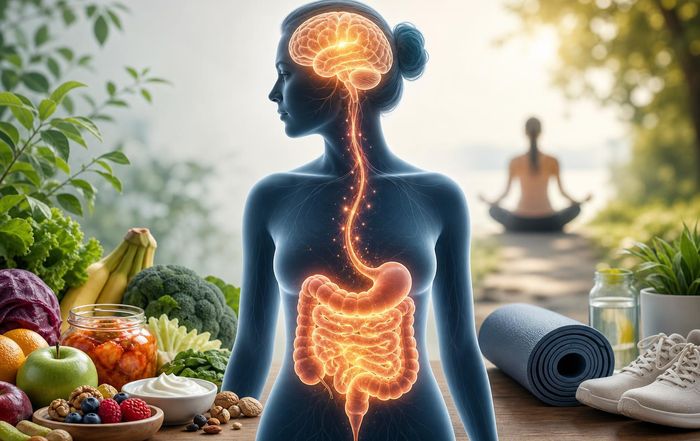
Understanding the Gut-Brain Connection in Everyday Wellness
The idea that "you are what you eat" has taken on a new meaning as science explores how closely the digestive system and the brain are linked. The gut is now often called the "second brain," and for good reason: it has its own vast nerve network, produces many of the same chemicals as the brain, and constantly communicates with the central nervous system. For anyone interested in practical wellness, mental health, or even spa-inspired self-care, understanding this gut-brain connection can help turn daily choices about food, movement, and relaxation into powerful tools for feeling better, inside and out.
This hopefully educational and useful feature explores what the gut-brain axis is, how it affects mood, stress, sleep, and immunity, and how to support it through realistic everyday habits. It does not promise miracle cures or one-size-fits-all diets. Instead, it offers grounded, evidence-based guidance that readers can adapt to different lifestyles, cultures, and health needs.
What Is the Gut-Brain Axis?
Scientists use the term gut-brain axis to describe the two-way communication network linking the gastrointestinal tract and the central nervous system. This network involves nerves, hormones, immune signals, and the trillions of microbes living in the intestines, known collectively as the gut microbiota. The enteric nervous system, sometimes called the gut's "second brain," contains hundreds of millions of neurons embedded in the walls of the digestive tract. It can operate independently but also communicates constantly with the brain.
A major pathway in this communication is the vagus nerve, the longest cranial nerve, which carries signals between the brain and many organs, including the stomach and intestines. Research from organizations such as the U.S. National Institutes of Health (NIH) and the European Food Safety Authority (EFSA) has highlighted how this crosstalk influences digestion, inflammation, stress responses, and mood. The gut also produces and responds to many of the same neurotransmitters found in the brain, including serotonin, dopamine, and gamma-aminobutyric acid (GABA). While most of this serotonin stays in the gut and regulates bowel function, the broader signaling environment can still shape how the body handles stress and emotional stimuli.
Crucially, the gut-brain axis is not just a one-way street where the brain orders the gut around. Stress, anxiety, and poor sleep can change gut motility, stomach acid production, and intestinal permeability. At the same time, changes in gut microbes or inflammation can send distress signals to the brain, influencing mood, cognition, and pain perception. This constant feedback loop is why some people feel "butterflies" before a big presentation, why chronic stress can aggravate irritable bowel symptoms, and why digestive discomfort often appears alongside anxiety or low mood.
How Gut Health Influences Mood, Stress, and Mental Wellbeing
The emerging field of nutritional psychiatry explores how diet and gut health may support mental health. Several large observational studies and randomized trials, including those summarized by institutions like Harvard Health Publishing (Harvard Health) and King's College London (KCL), suggest that dietary patterns rich in whole foods, fiber, and healthy fats are associated with a lower risk of depression compared with highly processed, sugar-heavy diets. While these studies cannot always prove direct cause and effect, they support the idea that what nourishes the gut environment may also help stabilize mood.
One proposed mechanism involves short-chain fatty acids (SCFAs) such as butyrate, propionate, and acetate, produced when gut bacteria ferment dietary fiber. These compounds help maintain the integrity of the gut lining, modulate inflammation, and may influence brain function via immune and hormonal signaling. Another mechanism is the production and regulation of neurotransmitters and neuromodulators by gut microbes. Some bacteria can synthesize molecules that interact with the nervous system, potentially affecting how the brain processes stress and reward.
Stress itself is a crucial part of this picture. When the body activates its stress response, levels of cortisol and other hormones rise, changing blood flow, digestive secretions, and immune activity in the gut. Over time, chronic stress may disturb the balance of gut microbes and increase low-grade inflammation. Organizations such as the World Health Organization (WHO) and the American Psychological Association (APA) emphasize that managing stress is not only about mental resilience, but also about preventing downstream physical effects, including those in the digestive system. For everyday wellness, this means that mental self-care-through rest, boundaries, or therapy-can be as important for gut comfort as any probiotic supplement.
The Role of the Microbiome: Your Inner Ecosystem
The gut microbiome refers to the community of bacteria, viruses, fungi, and other microorganisms that inhabit the digestive tract. According to research highlighted by the Human Microbiome Project and institutions such as Johns Hopkins Medicine (Johns Hopkins), the diversity and stability of this ecosystem are linked to digestion, immune function, metabolism, and aspects of brain health. While scientists are still mapping out the details, several trends are becoming clear.
First, greater microbial diversity tends to be associated with better health markers. Diets high in varied plant foods-vegetables, fruits, legumes, whole grains, nuts, and seeds-provide different fibers and polyphenols that feed different microbial species. In contrast, diets dominated by ultra-processed foods, refined sugars, and low fiber appear to reduce diversity and may encourage microbes associated with inflammation. Second, the microbiome is dynamic and responsive. Travel, antibiotics, illness, major dietary changes, and even disrupted sleep can shift microbial populations, sometimes within days. This adaptability is encouraging: it suggests that even small, consistent changes in daily habits can gradually reshape the gut environment.
Third, the microbiome interacts closely with the immune system. A large portion of the body's immune cells are located in the gut-associated lymphoid tissue. Signals from microbes help train immune responses, distinguishing between harmless substances and threats. Dysregulation here may contribute to inflammatory conditions and potentially influence mood and cognition, as inflammation is increasingly recognized as a factor in some mental health disorders. Organizations like the National Institute of Mental Health (NIMH) and NHS in the UK (NHS) note that while microbiome-based therapies are still experimental, lifestyle steps that support gut health are generally consistent with broader public health advice.
Everyday Food Choices That Support the Gut-Brain Axis
For many readers, the most practical question is simple: what can be done day-to-day to support a healthy gut-brain connection? While individual needs vary, several patterns are supported by current evidence and align with general nutrition guidance from bodies such as the Academy of Nutrition and Dietetics (EatRight) and the World Gastroenterology Organisation (WGO).
Emphasizing fiber-rich whole foods is a central theme. Vegetables, fruits, whole grains, beans, lentils, and nuts provide the fermentable fibers that beneficial microbes use as fuel. Traditional eating patterns such as the Mediterranean-style diet, which includes plenty of plants, olive oil, fish, and fermented dairy, have been associated with lower rates of depression and cardiovascular disease in several populations. Incorporating fermented foods like yogurt with live cultures, kefir, kimchi, sauerkraut, miso, and some traditional pickles can introduce or support beneficial bacteria, though the specific strains and quantities vary widely between products and cultures.
Balancing healthy fats also matters. Omega-3 fatty acids found in oily fish, flaxseeds, chia seeds, and walnuts are involved in brain structure and anti-inflammatory pathways. Some clinical trials suggest that omega-3 supplementation can modestly support mood in certain groups, though results are not uniform. On the other hand, diets very high in trans fats and certain saturated fats, common in ultra-processed snacks and fast foods, may promote inflammation and are generally discouraged by public health agencies.
Hydration, meal timing, and mindful eating play subtler but meaningful roles. Drinking adequate fluids supports digestion and bowel regularity. Eating very quickly or while highly distracted may lead to overeating or digestive discomfort, while slower, more attentive meals can help align hunger and fullness cues. For those exploring spa-inspired or wellness-focused routines, pairing nourishing meals with intentional pauses or simple breathing exercises can reinforce both digestive comfort and a sense of calm. Readers interested in broader nutrition and mindful eating can find more lifestyle-oriented content in the food and nutrition and wellness sections.
Stress, Sleep, and Movement: Lifestyle Pillars for a Healthy Axis
Diet is only one part of the gut-brain story. Stress management, quality sleep, and regular movement strongly influence both digestive function and mental wellbeing. Chronic psychological stress can speed up or slow down gut motility, alter the composition of the microbiome, and increase visceral sensitivity-the perception of pain or discomfort from internal organs. This is one reason why conditions such as irritable bowel syndrome (IBS) often flare during exams, work deadlines, or emotional upheaval.
Relaxation practices that activate the parasympathetic nervous system-sometimes called the "rest and digest" system-can counterbalance stress responses. Simple approaches include slow diaphragmatic breathing, progressive muscle relaxation, guided imagery, and mindfulness meditation. Yoga and gentle stretching, especially styles that emphasize breath and body awareness, can be particularly supportive. Readers curious about integrating movement and mindfulness can explore more ideas in the yoga and fitness sections.
Sleep is another key pillar. Research summarized by organizations like the Sleep Foundation (Sleep Foundation) and Centers for Disease Control and Prevention (CDC) indicates that insufficient or irregular sleep can alter appetite hormones, increase cravings for high-sugar and high-fat foods, and disturb the microbiome. In turn, gut discomfort, reflux, or late heavy meals can make it harder to fall and stay asleep, creating a loop that undermines both mental and digestive health. Establishing a calming pre-sleep routine-dim lights, screens off, perhaps a warm bath or light stretching-can be a simple yet powerful wellness habit.
Physical activity, whether brisk walking, swimming, dancing, or strength training, also supports gut-brain health. Movement stimulates intestinal motility, helps regulate blood sugar, and can reduce symptoms of mild to moderate anxiety and depression for many people. The goal is not extreme athleticism but consistent, enjoyable movement that fits personal abilities and cultural context. For readers interested in broader lifestyle strategies, the health and lifestyle sections offer complementary perspectives.
Spa-Inspired Self-Care: Calming the Axis from the Outside In
Spa and relaxation rituals may seem far removed from neuroscience, yet many traditional practices align closely with what is known about the gut-brain axis. Warm baths, massages, aromatherapy, and quiet retreats all tend to downshift the nervous system from a high-alert state to a more restorative mode. This shift can ease muscle tension, slow heart rate, and support the parasympathetic pathways that favor digestion and repair.
Massage, for example, has been shown in various studies to reduce levels of perceived stress and sometimes lower cortisol. While not a substitute for medical treatment, it can be a supportive therapy for people whose digestive symptoms worsen with tension and anxiety. Similarly, gentle hydrotherapy-such as warm baths, contrast showers, or foot soaks-may help some individuals relax and encourage circulation. Aromatherapy with scents like lavender or chamomile, when used safely, can enhance the calming environment, although responses are highly individual.
At home, creating a mini "gut-friendly spa routine" might involve preparing a simple, nourishing meal, taking time to eat it slowly, and then following with a short relaxation practice, such as a warm bath and 10 minutes of breathing or gentle yoga. These small rituals can signal to the body that it is safe to shift into rest-and-digest mode. For more ideas on integrating spa concepts into daily life, readers can explore the spa and salon and beauty sections, where inner and outer care often meet.
Women's Health, Hormones, and the Gut-Brain Link
Hormonal shifts across the menstrual cycle, pregnancy, postpartum, and menopause can influence both mood and digestion, making the gut-brain axis particularly relevant in women's health. Fluctuations in estrogen and progesterone can affect gut motility, sensitivity, and the microbiome. Many women report changes in bowel habits around menstruation, as well as bloating or abdominal discomfort. Emerging research suggests that these hormonal changes may also interact with stress responses and emotional regulation.
During pregnancy, for instance, the microbiome naturally shifts, and some studies indicate that maternal gut health may influence metabolic and immune outcomes for the child. In midlife, hormonal changes associated with perimenopause and menopause can coincide with altered sleep, mood variability, and digestive symptoms. Health organizations and women's health specialists, including those highlighted by the Office on Women's Health in the United States (WomensHealth.gov), increasingly acknowledge the need for integrated care that considers hormones, mental health, and digestion together rather than in isolation.
Practically, this might mean paying closer attention to how diet, stress, and sleep interact with different phases of the cycle, or seeking professional guidance when gut and mood symptoms significantly disrupt daily life. Gentle exercise, restorative yoga, and stress-reduction strategies can be particularly helpful in these phases. Readers interested in a broader view of gender-specific wellness can explore the women and wellness sections for additional context.
When to Seek Professional Help
While lifestyle changes can be powerful, they are not a cure-all, and it is important to recognize when professional evaluation is needed. Persistent or severe digestive symptoms-such as unintentional weight loss, difficulty swallowing, ongoing vomiting, black or bloody stools, severe abdominal pain, or chronic diarrhea-warrant prompt medical assessment. Likewise, ongoing low mood, loss of interest in usual activities, significant anxiety, or thoughts of self-harm require timely support from a qualified mental health professional.
Professional guidance can come from different sources, including primary care physicians, gastroenterologists, dietitians, psychologists, and psychiatrists. Many clinicians are increasingly aware of the gut-brain axis and may recommend integrated approaches, such as combining dietary changes with psychological therapies like cognitive behavioral therapy (CBT) or gut-directed hypnotherapy for some functional gut disorders. Reputable health systems such as Mayo Clinic (Mayo Clinic) and Cleveland Clinic (Cleveland Clinic) provide accessible overviews of digestive and mental health conditions, which can be a helpful starting point before or alongside consultations.
It is also worth being cautious about unregulated supplements or extreme elimination diets marketed as quick fixes for gut or brain health. While some probiotics, prebiotics, and targeted dietary changes can be helpful under professional guidance, not every product is supported by strong evidence, and some restrictive regimens may worsen nutritional status or disordered eating tendencies. An individualized plan, ideally developed with a registered dietitian or healthcare provider, is often safer and more sustainable than following generalized protocols found online.
Bringing the Gut-Brain Connection into Daily Life
Understanding the gut-brain connection is less about memorizing complex pathways and more about recognizing how intertwined physical and emotional states really are. Everyday choices around food, movement, rest, and self-care continually shape the conversation between the digestive system and the brain. A fiber-rich, minimally processed diet, consistent sleep, manageable stress levels, enjoyable movement, and soothing rituals can collectively support this axis, even if each step is small.
For many people, the most realistic approach is gradual: adding an extra serving of vegetables, experimenting with one fermented food, trying a short breathing exercise after a stressful day, or setting a more consistent bedtime. Over time, these modest adjustments can shift both gut comfort and emotional resilience. Exploring related topics across health, wellness, and lifestyle can offer further ideas for tailoring a personal routine.
The science of the gut-brain axis is still evolving, and researchers continue to refine what is known about specific microbes, nutrients, and therapies. Yet the core message already aligns with many traditional wellness practices: a calmer mind often leads to a calmer gut, and a well-nourished gut can, in turn, support a more balanced mind. Recognizing and respecting this two-way relationship can help transform everyday routines into a more intentional, restorative form of self-care. Be careful what you eat and see you back here tomorrow!
