
What to Expect During Your First Body Wrap Treatment
For many people, a body wrap sits somewhere between a spa indulgence and a wellness treatment. It promises smoother skin, temporary inch loss, and deep relaxation-but if you have never had one, the process can sound mysterious, or even a bit claustrophobic. Understanding what actually happens during a body wrap makes it easier to decide whether it fits your self-care routine and how to prepare so you feel comfortable from start to finish.
This guide walks through every stage of a typical body wrap, the main types you might be offered, what benefits are realistic, and when you should avoid or modify the treatment.
What is a body wrap, really?
In most professional spas and salons, a body wrap is a multi-step treatment that combines exfoliation, application of a product (such as clay, mud, seaweed, algae, or herbal gels), and snug wrapping of the body to encourage product absorption and mild sweating. It usually finishes with a shower and a moisturizing massage or application of body lotion.
Spas often market body wraps as "detoxifying," "slimming," or "firming." Scientifically, there is limited evidence that wraps can remove toxins from the body in a medical sense; the liver and kidneys already handle detoxification. However, there is better support for benefits like improved skin hydration, temporary reduction in body measurements from water loss and compression, and subjective improvements in relaxation and well-being. Organizations such as the American Academy of Dermatology highlight exfoliation and moisturization as proven methods to improve skin texture and appearance, which are core parts of many wraps (https://www.aad.org/).
For readers interested in how wraps fit into a broader spa routine, it can be useful to look at how they are offered alongside massages and facials in many professional spa and salon menus.
Before you book: types of body wraps and how they differ
Not all wraps are created for the same purpose. When you call or look at a spa menu, you will often see several options, each with different ingredients and claims. Understanding the main categories helps you choose one that matches your goals and health needs.
Hydrating or nourishing wraps usually focus on replenishing dry or sensitive skin. They may use ingredients such as shea butter, plant oils, aloe vera, or honey. These wraps are typically less intense in terms of heat and are a good choice if your primary concern is flakiness, tightness, or seasonal dryness. They pair well with other beauty treatments because they support the skin barrier rather than stressing it.
Detox or purifying wraps often contain clay, mud, charcoal, or seaweed. The idea is that these mineral-rich substances can draw out impurities from the skin's surface and encourage sweating. While claims about deep "detox" should be viewed cautiously, clay and mud can help absorb excess oil and may improve the appearance of congested or rough skin. Seaweed and algae wraps are sometimes marketed as rich in trace minerals and iodine; people with thyroid issues should discuss these with a healthcare provider first.
Slimming, firming, or contour wraps usually combine tight wrapping techniques with ingredients like caffeine, green tea, or plant extracts that are claimed to improve circulation or skin tone. Any inch loss from these treatments is typically temporary and related to water loss and compression rather than fat reduction. Health authorities such as the Mayo Clinic and NHS emphasize that sustainable weight loss still depends on diet and physical activity, not topical treatments (https://www.mayoclinic.org/, https://www.nhs.uk/). These wraps can, however, give a short-term feeling of lightness or smoothness that some people enjoy before events.
Herbal or aromatherapy wraps use cloths or sheets infused with herbal solutions or essential oils. They may be positioned as calming, energizing, or muscle-soothing depending on the blend. Because essential oils can irritate sensitive skin, it is important to mention any allergies or previous reactions to the therapist.
Thermal or infrared wraps use heated blankets, infrared domes, or electric wraps to raise body temperature more than a standard wrap. Proponents suggest benefits for circulation, muscle relaxation, and sweating, but people with cardiovascular issues, uncontrolled high blood pressure, or pregnancy are usually advised to avoid or modify these treatments. Guidance from organizations such as the American Heart Association on heat exposure and cardiovascular conditions can be a useful reference (https://www.heart.org/).
If you are building a broader wellness plan that includes fitness or yoga, choosing a wrap that emphasizes relaxation and muscle comfort may be more beneficial than one focused purely on cosmetic inch loss.
How to prepare for your first body wrap
Preparation influences not only comfort but also safety. Most reputable spas will provide pre-treatment guidelines, but a few general principles apply almost everywhere.
Hydration is important because many wraps encourage sweating. Drinking water before and after the session helps support circulation and may reduce the risk of light-headedness. However, arriving overly full of fluids can make you uncomfortable while lying still, so aim for balanced intake in the hours before your appointment. Health organizations such as the World Health Organization and U.S. Centers for Disease Control and Prevention highlight adequate hydration as part of general wellness, especially in warm environments (https://www.who.int/, https://www.cdc.gov/).
Avoid heavy meals and alcohol for several hours before your wrap. A large meal can make lying on your stomach or back uncomfortable, and alcohol may increase dehydration and interfere with blood pressure, particularly in heated treatments. If you are combining your wrap with other wellness services the same day, such as a massage or sauna, staff may suggest a particular order; wraps are often scheduled after exfoliating or hydrotherapy sessions but before any makeup or hair styling.
Consider what to wear. Many spas provide disposable underwear or ask you to bring a swimsuit bottom or old underwear that can tolerate product stains. You will usually be covered with towels or sheets for modesty. Remove jewelry and valuable accessories in advance to avoid product damage or loss. If you have long hair, tying it up or bringing a hair tie helps keep products away from your scalp.
Most importantly, review your health status. Inform the spa when booking if you are pregnant, breastfeeding, have heart or circulation problems, diabetes, uncontrolled high or low blood pressure, skin conditions such as eczema or psoriasis, or any allergies. Trusted sources like the American College of Obstetricians and Gynecologists offer general advice that pregnant people should avoid prolonged overheating and some spa procedures (https://www.acog.org/). A responsible spa will adjust the treatment or recommend alternatives when needed.
Step-by-step: what happens during the treatment
While details vary by spa and by region, most body wraps follow a recognizable sequence. Knowing the steps can ease anxiety and help you communicate your preferences.
You will usually begin with a brief consultation. The therapist may ask about your goals (hydration, relaxation, appearance before an event), any medical conditions, medications, recent sunburn, or sensitivities. This is the time to mention if you feel anxious about enclosed spaces or heat. If you are incorporating the wrap into a larger lifestyle or health plan, you can also ask how often they realistically suggest repeating the treatment.
Next comes preparation and exfoliation. After changing into the provided garments, you lie down on a treatment table lined with plastic sheets, thermal blankets, or towels. Many wraps start with a full-body scrub using salt, sugar, or enzymatic exfoliants. This step removes surface dead skin cells so the wrap product can contact fresher skin. The therapist will usually work in sections, applying and then gently removing the scrub with warm, damp towels or by guiding you to a shower, depending on the spa's setup.
The main product application follows. The therapist applies the chosen clay, mud, seaweed, cream, or gel to your body, again in sections, often avoiding sensitive areas such as the face, breasts, and genitals. You can request that certain areas be skipped if you have tattoos, open cuts, or skin conditions there. The layer is usually generous but not excessively thick so that it can warm evenly under the wrap.
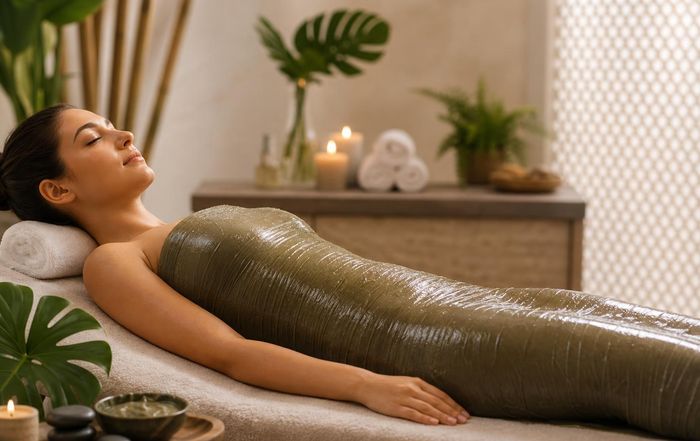
Wrapping is the step that many first-timers wonder about. The therapist will cocoon you using plastic film, thermal blankets, sheets, or bandages, depending on the style. The wrapping is meant to be snug but not painful or restrictive. You should still be able to move slightly and breathe comfortably. If you feel trapped or your hands are fully immobilized and that bothers you, say so; wraps can be adjusted so one arm remains free or so that the upper chest is more open.
Once wrapped, you rest for 15-30 minutes on average, though some treatments last longer. This is the "processing" time when warmth builds, products interact with the skin, and gentle sweating begins. Some spas dim the lights and play calming music; others may offer a scalp or foot massage during this phase. If at any point you feel overheated, dizzy, itchy, or anxious, you should speak up immediately. A professional therapist will happily loosen the wrap, offer cool compresses, or end the treatment if needed.
To finish, the therapist will unwrap you and either wipe away the product with warm towels or guide you to a shower to rinse off. Many spas then complete the session with a light application of lotion or oil, sometimes combined with a short massage. This final step helps lock in moisture and leaves the skin feeling smoother. At checkout, you may receive aftercare advice and suggestions about how often to repeat the treatment, usually framed as an occasional indulgence rather than a daily routine.
How it feels: comfort, modesty, and common concerns
For someone new to spa culture, the idea of being partially undressed and wrapped can raise understandable questions about modesty and comfort. In professional settings, therapists are trained to maintain draping at all times, keeping towels or sheets over areas not being treated and only exposing what is necessary for application. If you have cultural or personal preferences about coverage, you can discuss them during the consultation. Many spas are accustomed to adapting routines for different comfort levels, including leaving more clothing on or avoiding certain zones.
The physical sensation of a wrap depends on the ingredients and temperature. Clay and mud may feel cool at first before warming under the blankets, while cream-based wraps often feel soothing right away. As heat builds, you may notice mild sweating and a sense of heaviness or cocooning. People who enjoy the treatment often describe it as deeply calming, similar to a weighted blanket effect. Those prone to claustrophobia may find it challenging; in that case, asking to keep one arm free or to have a lighter wrap can make a significant difference.
It is normal to feel slightly flushed or relaxed afterward, especially if the wrap was warm. Standing up slowly from the table and drinking water can reduce the chance of light-headedness. If you are continuing your day with work or errands, you may want to allow a short buffer after the treatment to cool down, rehydrate, and perhaps have a light snack, especially if the wrap followed a workout or sauna session.
What benefits can you realistically expect?
Body wraps are often marketed with ambitious promises, but realistic expectations make the experience more satisfying. The most consistent, evidence-supported benefit is improved skin texture and hydration. Exfoliation plus occlusive moisturizing ingredients can leave the skin feeling smoother and more supple for several days. This aligns with dermatology guidance from organizations like the American Academy of Dermatology that emphasize regular exfoliation and moisturization for softer, more even skin.
Temporary inch loss around the waist, thighs, or arms is also common, particularly with slimming wraps that use compression bandages and heat. However, this effect is usually due to fluid shifts and water loss through sweating, not fat loss. Hydration and normal eating patterns typically restore measurements within a day or two. Regulatory bodies such as the U.S. Federal Trade Commission have previously taken action against misleading weight-loss claims for topical products, underscoring that wraps are not a substitute for balanced nutrition or exercise (https://www.ftc.gov/).
Many people report subjective benefits such as relaxation, reduced muscle tension, and a sense of being "lighter" or more comfortable in their skin. These outcomes are harder to measure scientifically but are consistent with the general stress-relief effects of spa experiences. Stress management is a recognized component of broader health and wellness strategies, and reputable sources like the Cleveland Clinic and Harvard Health Publishing discuss how relaxation practices can support sleep, mood, and perceived well-being (https://my.clevelandclinic.org/, https://www.health.harvard.edu/).
If you approach a body wrap as a short-term skin and relaxation treatment rather than a medical procedure or weight-loss solution, you are more likely to feel satisfied with the results. For longer-term changes in body composition or metabolic health, structured approaches involving food and nutrition, physical activity, and medical guidance remain essential.
Safety, side effects, and who should be cautious
For generally healthy adults, body wraps performed in reputable spas are usually low-risk, but they are not appropriate for everyone. Warmth, compression, and potent ingredients can pose problems in some circumstances, so it is important to consider safety as seriously as the promise of pampering.
People with cardiovascular conditions, uncontrolled high or low blood pressure, or a history of fainting in hot environments should be particularly careful with heated wraps. Health authorities like the American Heart Association note that heat exposure can affect heart rate and blood pressure, and individuals with heart disease should discuss such treatments with their physician. Similarly, those with kidney disease or on fluid-restricted regimens may need to avoid intense sweating.
Pregnancy requires special caution. Prolonged overheating is generally discouraged during pregnancy, and some ingredients-such as high-dose essential oils or seaweed products high in iodine-may not be recommended. Guidance from bodies such as the American College of Obstetricians and Gynecologists suggests avoiding hot tubs, saunas, and environments that significantly raise core body temperature, especially in early pregnancy. Many spas offer prenatal-safe alternatives focused on gentle massage, localized cooling, or simple moisturization instead of full wraps.
Skin conditions also matter. Eczema, psoriasis, rosacea, open wounds, sunburn, or recent waxing can all increase the risk of irritation, stinging, or infection. Sensitive individuals may react to fragrances, essential oils, or preservatives in spa products. Patch testing on a small area before full application, especially when using new or highly active ingredients, is a reasonable precaution. Dermatology organizations and allergy associations, such as the National Eczema Association, provide detailed advice on common irritants and how to read skincare labels (https://nationaleczema.org/).
Finally, people living with chronic illnesses, those on certain medications (such as diuretics or some blood pressure drugs), and older adults may be more vulnerable to dehydration or overheating. Consulting a healthcare professional and sharing full information with spa staff helps them adapt the treatment, shorten the session, or suggest alternatives like localized wraps for hands or feet.
Integrating body wraps into a broader self-care routine
A single body wrap can feel like a luxurious escape, but it may be even more beneficial when viewed as one element in a wider approach to self-care. For some, that might mean pairing occasional wraps with regular movement, such as yoga or gentle exercise, to support circulation and flexibility. Others may combine wraps with mindfulness practices or journaling to turn the appointment into a structured pause in an otherwise busy schedule.
From a practical perspective, most professionals do not recommend frequent intense wraps, especially those that are very hot or dehydrating. Occasional sessions-monthly, seasonally, or before special events-are more typical. Overuse can dry out the skin or cause fatigue if the body is repeatedly exposed to high heat and sweating without adequate recovery. Listening to your own energy levels and skin response is key.
Readers interested in sustainable, long-term wellness may find it helpful to think of body wraps as complementary to everyday habits like balanced eating, adequate sleep, and stress management rather than as shortcuts. Exploring related areas such as health, wellness, and lifestyle choices can provide a foundation that makes occasional spa treatments feel like meaningful enhancements rather than isolated fixes.
Making the most of your first body wrap
When approached with realistic expectations and clear communication, a first body wrap can be both soothing and informative-you learn how your skin and body respond, what level of heat and pressure feels good, and which ingredients you enjoy. To get the best experience, choose a reputable spa, ask questions about the products and steps involved, and be honest about your comfort levels and health history.
After the treatment, notice not just how your skin looks, but how you feel overall: more relaxed, more aware of your body, or perhaps simply cleaner and refreshed. Those insights can help you decide whether to repeat the experience, try a different type of wrap, or explore other spa and spa and salon treatments that might suit you even better.
Ultimately, a body wrap is most rewarding when it is treated not as a miracle cure, but as one thoughtful tool among many for caring for your body, calming your mind, and carving out space to rest.
