
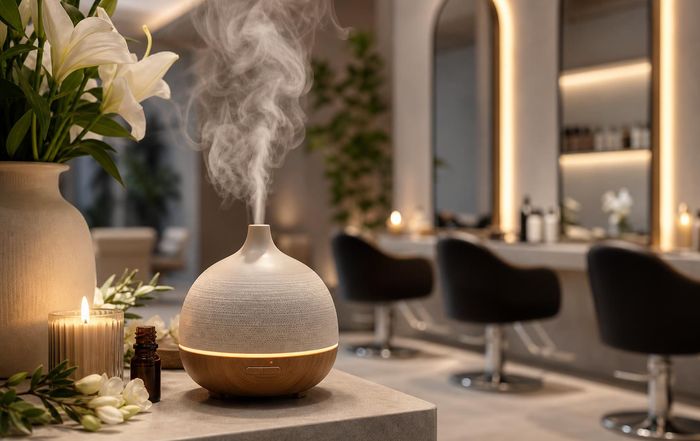
The Power of Scent in the Salon Experience
Redefining the Modern Salon Through Scent
As the global wellness economy continues to expand and consumers become more discerning about every aspect of their self-care rituals, the role of scent in the salon experience has moved from a subtle background element to a strategic differentiator. For discerning clients across North America, Europe, Asia and beyond, a salon visit is no longer only about a haircut, facial or manicure; it is about entering a carefully curated sensory environment that signals safety, quality, luxury and emotional connection from the moment the door opens. Within this context, QikSpa positions itself not just as a digital destination for spa and salon inspiration, but as a guide helping professionals and clients alike understand how olfactory design can transform an ordinary appointment into a memorable wellness experience.
Scientific insights from organizations such as Harvard Medical School show that the olfactory system is uniquely wired to the brain's limbic system, which governs emotion and memory, explaining why a single fragrance can instantly evoke vivid recollections or shift mood. Those who wish to understand how smell links to memory and emotion can explore research from Harvard Health Publishing. For salon owners, managers and beauty entrepreneurs, this knowledge is no longer theoretical; it has become a practical foundation for designing spaces that reinforce brand identity, build loyalty and support client wellbeing, aligning perfectly with the holistic approach championed in the spa and salon content.
The Neuroscience of Scent and Client Perception
Olfactory science offers a powerful lens through which to understand client behavior in salons and spas. Research curated by institutions such as the National Institutes of Health provides evidence that certain scents can reduce perceived stress, lower heart rate and support relaxation, making them highly relevant in environments where clients often arrive rushed, fatigued or anxious. Those interested in the scientific underpinnings of aromatherapy and olfaction can review studies via the National Library of Medicine.
When a client steps into a salon, the brain processes ambient scent before it fully registers visual design or even conversation with staff. This immediate, subconscious evaluation shapes whether the space feels safe, clean and welcoming or, conversely, overwhelming and artificial. In markets such as the United States, United Kingdom, Germany and Japan, where consumers are increasingly attentive to sensory overload in urban environments, a carefully calibrated fragrance profile can serve as a gentle signal that the salon is a sanctuary rather than another source of stress. The World Health Organization has emphasized the importance of mental wellbeing in overall health, and those seeking to understand this broader framework can learn more about mental health and wellbeing in relation to daily environments.
For the team here, which curates insights across health, wellness and beauty, the connection between scent and client perception is central to how it advises both professionals and consumers. A salon's fragrance signature becomes part of its reputation, shaping word-of-mouth recommendations and online reviews in ways that often go unnoticed by operators who still regard scent as an afterthought rather than a strategic asset.
Crafting a Signature Fragrance as a Brand Asset
In competitive urban markets from New York and London to Singapore and Sydney, salons increasingly recognize that their scent profile can serve as a form of invisible branding. Just as luxury hotels and fashion houses have developed signature fragrances to distinguish their spaces, leading salons are now working with perfumers and fragrance houses to create bespoke blends that align with their brand values, target clientele and service philosophy. Industry insights from organizations such as IFRA (International Fragrance Association) provide important context on safe and responsible fragrance use, and professionals can explore these guidelines via the IFRA website.
A signature scent in the salon context must balance several priorities. It needs to be distinctive enough to be recognizable, yet subtle enough not to conflict with the aromas of hair color, skincare products or nail treatments already present in the environment. It should align with the salon's positioning-whether that is modern and urban, nature-inspired and organic, or high-luxury and fashion-forward-while also respecting sensitivities among clients who may be prone to allergies or fragrance intolerance. In this sense, the work of crafting a scent profile is as strategic as developing a visual identity or service menu.
For salons seeking to attract wellness-oriented clients who are attentive to ingredients and environmental impact, integrating natural essential oils and plant-based aroma compounds can signal alignment with clean beauty principles. Organizations such as the Environmental Working Group have compiled resources on ingredient transparency and safety, which can help both professionals and clients learn more about cleaner cosmetic ingredients. As we continue to explore the intersection of beauty and sustainability, it becomes clear that a well-designed fragrance strategy is not only about sensory pleasure but also about communicating values of integrity, responsibility and care.
Scent as a Pillar of Holistic Wellness in the Salon
The global wellness movement has reshaped client expectations in salons, blurring the lines between traditional beauty services and therapeutic experiences more commonly associated with spas, yoga studios and wellness retreats. In this evolving landscape, scent functions as a bridge between external appearance and internal state, reinforcing the narrative that self-care should address the whole person. Resources from the Global Wellness Institute have documented the rapid expansion of wellness tourism and wellness real estate, and salon owners can explore wellness economy trends to better understand where their services fit within this broader ecosystem.
Incorporating aromatherapy into salon rituals-whether through diffused essential oils in waiting areas, scented hot towels during hair treatments, or calming pillow mists at shampoo stations-can significantly enhance perceived value without dramatically extending appointment times. When clients associate a salon visit with a tangible reduction in stress and an improvement in mood, they are more likely to view these services as essential elements of their wellbeing routine rather than discretionary luxuries. This aligns closely with the editorial vision, which consistently emphasizes the interplay between wellness, fitness and daily rituals that support long-term vitality.
From a health perspective, it is important that salons adopt a responsible approach to aromatherapy. Evidence-based guidance from organizations such as Mayo Clinic provides balanced information on the benefits and limitations of essential oils, and professionals can review aromatherapy insights to ensure that their practices remain grounded in credible knowledge. By integrating this kind of research into service design, salons can position themselves as trustworthy partners in clients' wellness journeys, rather than simply purveyors of transient indulgence.
Cultural Nuances: Scent Preferences Across Regions
Because QikSpa speaks to an international audience spanning Europe, Asia, the Americas, Africa and Oceania, it recognizes that scent preferences are deeply shaped by culture, climate and local traditions. What feels refreshing and luxurious in a humid tropical environment such as Thailand or Singapore may differ markedly from what resonates in the cooler climates of Scandinavia or the Alpine regions of Switzerland and Austria. Market analyses from organizations like McKinsey & Company have highlighted the importance of localization in beauty and wellness offerings, and readers can explore global beauty trends to better understand how these dynamics play out across regions.
In many Asian markets, lighter, tea-based or citrus-forward scents often perform well in salons, aligning with cultural associations of cleanliness, subtlety and refinement. In Mediterranean countries such as Italy and Spain, herbal and floral notes like rosemary, lavender and orange blossom can evoke local landscapes and heritage, creating a sense of place that resonates with both residents and international visitors. In North America and the United Kingdom, there is a growing appetite for complex, gender-neutral fragrances that blend woods, spices and botanicals, reflecting broader shifts in fashion and personal identity.
Respecting these nuances is crucial for international salon brands and hospitality groups that operate across borders. It is no longer sufficient to impose a single fragrance concept globally; instead, sophisticated operators are developing regional scent variations that honor local tastes while maintaining overarching brand coherence. For fans of QikSpa's international and travel coverage, this attention to cultural context reinforces the idea that a truly elevated salon experience is one that feels both globally informed and locally grounded.
Scent, Cleanliness and Trust in a Post-Pandemic World
The events of the early 2020s permanently reshaped public awareness of hygiene, air quality and safety in shared environments, and salons were no exception. As clients returned to in-person services in cities from New York and Toronto to Paris, Berlin and Seoul, they brought heightened expectations regarding cleanliness and transparency. In this climate, the olfactory environment of a salon became intertwined with perceptions of hygiene and trust. Authoritative organizations such as the Centers for Disease Control and Prevention (CDC) have provided extensive guidance on infection control in public settings, and salon professionals can review environment and hygiene recommendations to ensure that their practices align with current standards.
The distinct scent of disinfectants, alcohol-based sanitizers and cleaning products, once largely confined to back-of-house areas, became more prominent in many salons during and after the pandemic. While these aromas can reassure some clients that rigorous protocols are in place, they can also evoke clinical or anxious associations if not balanced with more soothing notes. The most successful salons have learned to layer their scent strategy, ensuring that the environment smells fresh and hygienic without overwhelming guests with harsh chemical odors.
This balance is particularly important for our audience segments focused on health, lifestyle and business, where trust is a central theme. Clients want to feel that their chosen salon not only complies with regulations but also demonstrates a proactive commitment to their wellbeing. Scent, in this context, becomes an unspoken language of reassurance: a subtle but powerful indicator that the space is both carefully maintained and thoughtfully designed.
The Business Case: Scent and Client Loyalty
From a strictly commercial perspective, the power of scent in the salon environment can be measured in terms of client retention, dwell time, retail sales and brand differentiation. Studies on sensory marketing, many of which are summarized in the work of organizations such as Deloitte and other global consultancies, suggest that multi-sensory experiences can significantly enhance customer satisfaction and willingness to return. Business leaders interested in this dimension can learn more about experience-driven retail and apply relevant insights to the salon context.
A consistent, pleasant fragrance can encourage clients to spend more time in retail zones, exploring haircare, skincare and fragrance products that align with what they are already enjoying in the space. When salons develop their own signature scent and extend it into candles, room sprays or body products, they create additional revenue streams while reinforcing brand memory in clients' homes. This strategy is particularly effective in markets with strong e-commerce adoption, such as the United States, United Kingdom, Canada, Australia and several Asian economies, where clients are comfortable purchasing refill products online between appointments.
For QikSpa, which speaks to professionals navigating careers in beauty, wellness and hospitality, this intersection of sensory design and commercial strategy is central to its careers and business-focused storytelling. Scent is no longer a soft, intangible feature; it is a measurable component of the client journey that can influence online ratings, social media engagement and long-term loyalty. As salons consider expansion, franchising or partnerships with hotels, fitness clubs and wellness resorts, having a clearly articulated scent strategy can also strengthen their negotiating position and brand coherence.
Integrating Scent with Food, Nutrition and Lifestyle Concepts
The modern salon is gradually evolving into a lifestyle hub, particularly in cosmopolitan cities where clients expect integrated experiences that span beauty, nutrition, movement and social connection. In this broader ecosystem, scent plays a unifying role, linking the salon environment with adjacent offerings such as juice bars, wellness cafés or retail corners featuring functional snacks and supplements. For readers interested in how these elements intersect, new coverage of food and nutrition and lifestyle provides valuable context.
When salons incorporate beverage service-whether herbal teas, infused waters or light refreshments-the aromatic profile of these offerings should harmonize with the ambient scent. A space that smells predominantly of tropical fruit while serving delicate jasmine tea, for instance, may create a dissonant experience, whereas aligning fragrance notes across room diffusers, beverages and even hand lotions can create a cohesive sensory narrative. This level of detail signals professionalism and care, attributes that discerning clients in markets such as Switzerland, the Netherlands, Singapore and the Nordic countries increasingly expect from premium service providers.
Organizations like The Culinary Institute of America have long explored the interplay between aroma and flavor perception, and those interested can learn more about the role of aroma in taste to better understand how salon beverage programs and fragrance strategies can reinforce one another. By thoughtfully integrating scent with nutrition and lifestyle elements, salons can position themselves as holistic wellbeing destinations rather than purely cosmetic service providers, aligning with QikSpa's broader vision of integrated wellness.
Scent, Fashion and Personal Identity
The relationship between scent and personal identity has deep roots in fashion history, from the iconic fragrances associated with maisons like Chanel and Dior to contemporary niche perfumery trends in cities such as Paris, Milan and Tokyo. As salons increasingly serve as extensions of the fashion ecosystem-styling hair and makeup for runway shows, editorial shoots and social media content-their approach to scent becomes part of a larger conversation about self-expression and style. Readers interested in this dimension will find resonances with the fashion coverage.
In 2026, the rise of gender-fluid and non-binary fragrance marketing has accelerated, particularly in progressive markets across Europe, North America and parts of Asia. Salons that embrace this shift by offering scent experiences that transcend traditional "for him" and "for her" categories demonstrate cultural awareness and inclusivity. Organizations such as The Business of Fashion regularly analyze these shifts in consumer behavior, and professionals can explore fashion and beauty convergence to stay informed about emerging trends that may influence client expectations.
For many clients, the salon is a trusted space in which to experiment with new aspects of their identity, whether through a dramatic haircut, a bold color transformation or a refined grooming routine. When the environment itself carries a considered, contemporary fragrance identity, it subtly encourages clients to explore their own olfactory preferences as part of their overall style. This is particularly relevant for younger consumers and digital natives, who often discover salons via social media and expect experiential richness that translates well into visual and narrative content.
Women, Wellbeing and the Emotional Resonance of Scent
While salons worldwide serve clients of all genders, women remain a core audience for many beauty and wellness businesses, and their expectations around emotional resonance, safety and empowerment within these spaces are evolving. For QikSpa, whose women content explores topics ranging from leadership to self-care, scent is an important dimension of how women experience and evaluate salons across cultures.
For many women juggling careers, caregiving responsibilities and personal aspirations, a salon appointment represents rare, protected time. The fragrance that greets them can either reinforce a sense of calm and restoration or introduce new stress through intensity, artificiality or associations with past negative experiences. In markets such as France, Italy, South Korea and Brazil, where beauty culture is both aspirational and deeply embedded in daily life, salons that design their olfactory environments with empathy and nuance can stand out as sanctuaries rather than transactional service points.
Organizations like UN Women have underscored the importance of safe, supportive environments in advancing women's wellbeing and participation in public life, and readers can learn more about gender and wellbeing to place salon experiences within this broader social context. When salons use scent to create atmospheres of welcome, dignity and respect, they contribute in subtle but meaningful ways to women's sense of agency over their bodies and their time. This dimension of trust and care aligns strongly with QikSpa's editorial commitment to Experience, Expertise, Authoritativeness and Trustworthiness in its coverage of beauty and wellness spaces.
Sustainability and the Future of Scented Salons
Looking ahead, sustainability will increasingly shape how salons approach scent, from ingredient sourcing and packaging to indoor air quality and waste reduction. Environmentally conscious clients in regions such as Scandinavia, Germany, Canada, Australia and New Zealand are already asking more questions about the origin of fragrance ingredients, the use of synthetic versus natural compounds and the lifecycle impacts of candles, diffusers and aerosols. The United Nations Environment Programme (UNEP) offers valuable resources on sustainable consumption and production, and professionals can explore sustainable business practices to align their scent strategies with broader environmental goals.
For QikSpa, whose sustainable reporting highlights responsible approaches across beauty, wellness and lifestyle, the future of scented salons lies in transparency and innovation. This may involve partnering with fragrance houses that prioritize biodegradable ingredients, investing in diffuser technologies that minimize waste, or choosing refillable packaging for retail scent products. It also means paying close attention to indoor air quality, ensuring that the cumulative impact of fragrances, cleaning products and chemical treatments does not compromise staff or client health.
Salons that succeed in this next phase will be those that integrate scent into a coherent narrative of care-for the client, for the team and for the planet. They will treat fragrance not as an isolated design choice but as part of a broader commitment to responsible, human-centered business. As we continue to guide its smart audience across business, wellness and lifestyle topics, it will remain focused on how the power of scent, thoughtfully applied, can elevate the salon experience into a model of modern, sustainable and emotionally intelligent service.
In this evolving landscape, the salons that thrive will be those that recognize scent as both an art and a science, a commercial tool and a human connector, a subtle detail and a defining signature. For professionals and clients alike, understanding this power is the first step toward creating and choosing spaces that truly support beauty, health and wellbeing in every sense of the word.
