
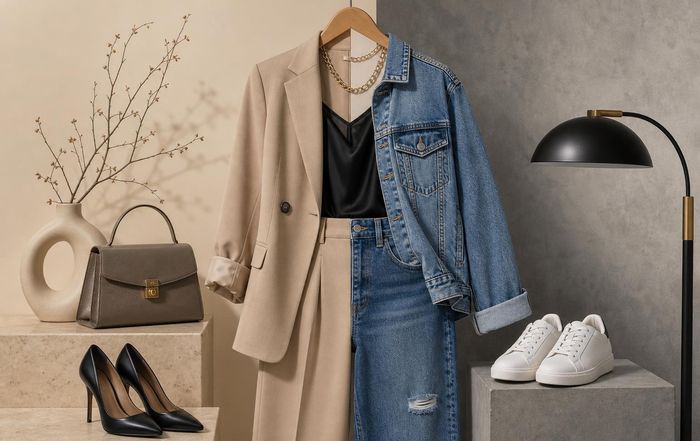
The Art of Mixing High and Low Fashion: A Strategic Guide for the Modern Luxury-Casual Consumer
Redefining Luxury in a Hybrid Fashion Era
The traditional boundaries separating luxury fashion from everyday wear have eroded to an unprecedented degree, and nowhere is this shift more relevant than for the style-conscious, wellness-oriented audience of QikSpa. The art of mixing high and low fashion has evolved from a niche styling trick into a core strategy for expressing identity, managing budgets, supporting sustainability, and aligning personal style with broader lifestyle choices that include wellness, beauty, travel, and professional ambition. In a world where a tailored blazer from Gucci can be paired with a minimalist T-shirt from a mass retailer and sneakers from a direct-to-consumer startup, the modern consumer is no longer defined solely by the logos they wear, but by the coherence, creativity, and intentionality of their overall look.
This hybrid approach to dressing reflects deeper cultural and economic forces. The growth of remote and hybrid work models, the rising importance of personal wellbeing, and the global emphasis on conscious consumption have reshaped how people in the United States, Europe, Asia, and beyond think about what they wear from morning yoga to evening business events. High fashion is no longer reserved for rare occasions; instead, it is strategically integrated into everyday wardrobes that also prioritize comfort, health, and functionality. For readers exploring broader lifestyle topics such as spa and salon culture, wellness, and beauty, understanding how to navigate this new fashion landscape has become an essential part of curating a holistic personal brand.
From Status Symbols to Style Systems
Historically, luxury fashion functioned as a visible marker of status, codified by exclusive brands, seasonal runway collections, and limited access to high-end boutiques. The concept of "high" versus "low" was rigid: high fashion meant couture and designer ready-to-wear, while low fashion referred to mass-market and fast-fashion products. However, over the last decade, accelerated by digital transformation and shifting consumer values, the notion of status has become more complex and multifaceted. Today, style-savvy individuals are less interested in a head-to-toe designer look and more focused on constructing versatile, long-lasting wardrobes that blend craftsmanship with practicality.
The shift from status symbols to style systems is evident across major fashion capitals such as New York, London, Paris, Milan, and Tokyo, where street style photographers routinely capture editors and executives pairing vintage denim with Hermès accessories or wearing Prada outerwear over athleisure pieces. Publications like Vogue and Business of Fashion have chronicled how this approach has migrated from the front row to everyday consumers, driven by social media, resale platforms, and the democratization of trend information. The modern wardrobe is no longer a static collection of luxury goods; it is a dynamic system in which high and low elements are continually recombined to suit changing contexts, from boardrooms in London to wellness retreats in Bali.
The Psychology of High-Low Dressing
The appeal of mixing high and low fashion is not purely aesthetic; it is deeply psychological. For many professionals and entrepreneurs, especially in competitive markets like the United States, the United Kingdom, Germany, and Singapore, clothing functions as a tool for signaling competence, creativity, and reliability. Pairing an accessible piece with a luxury item allows individuals to project both relatability and authority, which is particularly valuable in industries where personal branding matters as much as technical expertise.
Research shared by organizations such as the American Psychological Association and Harvard Business Review has underscored how attire influences perceptions of confidence and credibility. When a person wears a well-constructed designer blazer or a pair of impeccably made shoes, they often experience a subtle boost in self-assurance, which can translate into more assertive behavior in meetings, negotiations, or presentations. At the same time, integrating comfortable, lower-priced pieces-such as soft knits, relaxed trousers, or casual sneakers-helps maintain a sense of ease and authenticity that resonates with modern expectations of leadership and collaboration.
For the wellness-oriented reader, this psychological dimension intersects with broader themes of mental health and self-care. Dressing in a way that feels both aspirational and grounded supports emotional wellbeing, aligning with the holistic perspective explored in areas such as health, lifestyle, and fitness. The art of mixing high and low fashion thus becomes not only a style strategy but also a subtle form of daily self-affirmation.
Building a High-Low Wardrobe Foundation
To master high-low dressing in a consistent, intentional way, it is essential to start with a strong wardrobe foundation. This foundation typically consists of high-quality, timeless pieces that anchor an outfit and can be worn across multiple seasons and settings. Many consumers now choose to invest in key items such as a tailored blazer, a versatile trench coat, a well-cut pair of trousers, a classic handbag, or durable leather shoes from reputable luxury or premium brands. Resources such as the Council of Fashion Designers of America and British Fashion Council provide insights into designers who prioritize craftsmanship and longevity, which are critical attributes for these foundational pieces.
Once these anchors are in place, more affordable garments can be layered in to create variety and reflect changing trends without undermining the overall quality of the wardrobe. T-shirts, casual shirts, denim, knitwear, and seasonal accessories from accessible retailers or emerging labels can be rotated frequently, allowing individuals to experiment with color, silhouette, and texture while maintaining a polished core. This approach aligns with the broader QikSpa philosophy of integrating high-impact, long-term investments with flexible, everyday choices, similar to how a well-planned wellness routine balances consistent habits with occasional treatments or retreats.
For readers interested in how this wardrobe strategy intersects with broader lifestyle decisions, exploring topics such as fashion and careers can provide additional context on how clothing choices support professional trajectories and personal growth across global markets from North America to Asia-Pacific.
Regional and Cultural Nuances in High-Low Styling
While the principles of mixing high and low fashion are broadly applicable worldwide, regional and cultural nuances significantly influence how they are expressed. In the United States and Canada, where business-casual dress codes are prevalent, professionals often combine designer accessories or outerwear with relatively understated basics, using a single high-end piece to elevate an otherwise relaxed ensemble. In the United Kingdom, Germany, and the Nordic countries such as Sweden, Denmark, and Finland, the aesthetic is often more minimalist and functional, with an emphasis on neutral colors, clean lines, and subtle branding, reflecting a cultural preference for understatement and practicality.
In Asia, particularly in markets like South Korea, Japan, Singapore, and China, high-low fashion often incorporates a more experimental edge, blending luxury items with streetwear, techwear, and avant-garde silhouettes. This fusion is visible in the popularity of collaborations between luxury houses and sportswear brands, as well as in the influence of K-pop and J-fashion on global style narratives. Platforms such as Highsnobiety and Hypebeast have documented how consumers in these regions adopt high-low strategies that are bold, layered, and highly expressive, often blurring gender boundaries and traditional dress codes.
In Europe's southern markets, including France, Italy, and Spain, the approach tends to emphasize effortless elegance and sensuality, where a single luxury piece-such as a silk blouse, a pair of sunglasses, or a leather belt-adds refinement to otherwise simple garments. Meanwhile, in emerging fashion hubs across Africa and South America, from South Africa to Brazil, high-low dressing often integrates local designers, artisanal craftsmanship, and vibrant prints with global luxury brands, creating looks that are culturally rooted yet internationally relevant. These regional variations highlight the importance of understanding local norms and expectations, especially for internationally mobile professionals and travelers exploring international and travel content on QikSpa.
High-Low Fashion, Wellness, and Daily Rituals
For an audience that values spa experiences, holistic health, and mindful living, clothing is more than a surface-level concern; it is an extension of daily rituals that support overall wellbeing. The rise of athleisure, luxury loungewear, and performance fabrics has made it easier to move seamlessly between yoga class, client meetings, and evening social events without sacrificing comfort or style. Brands at the intersection of fashion and wellness, such as Lululemon, Alo Yoga, and Sweaty Betty, have demonstrated that technical garments can be paired with luxury outerwear, handbags, or jewelry to create outfits that function across multiple environments.
This integration is particularly relevant for those who prioritize activities like yoga, spa treatments, and fitness as part of their everyday routine. A person might begin the day in high-quality leggings and a sports bra, add a cashmere sweater and a designer coat for a lunch meeting, and then switch to statement accessories for an evening event, all without changing the core of the outfit. Such versatility underscores how high-low fashion supports the fluid, multi-tasking lifestyles of modern professionals. Readers interested in exploring this intersection further can delve into dedicated content on yoga, wellness, and health, where the dialogue between what one wears and how one feels is increasingly central.
Sustainability, Ethics, and Conscious Consumption
In 2026, any serious discussion of fashion-especially for a discerning, globally aware audience-must address sustainability and ethics. The high-low model, when executed thoughtfully, can support more sustainable consumption patterns by encouraging investment in durable, high-quality pieces while limiting impulse purchases of trend-driven items. However, it can also perpetuate overconsumption if low-priced products are treated as disposable. Striking the right balance requires intentional decision-making and a willingness to investigate the supply chains, labor practices, and environmental impacts of both luxury and mass-market brands.
Organizations such as the Ellen MacArthur Foundation and Fashion Revolution have emphasized the importance of circular fashion models, transparency, and responsible sourcing, while platforms like Good On You help consumers evaluate the ethical performance of brands at all price points. For QikSpa readers, the concept of sustainability is not limited to environmental factors; it extends to sustainable lifestyles that integrate mindful consumption with long-term wellbeing. Choosing fewer, better items, repairing and maintaining garments, and supporting resale or rental platforms align with the broader ethos explored in sustainable living and food and nutrition, where quality, traceability, and respect for resources are key.
Luxury brands themselves are increasingly held accountable for their environmental footprints, with groups such as Kering and LVMH publishing sustainability reports and collaborating with initiatives highlighted by the United Nations Environment Programme. At the same time, innovative startups and independent designers around the world are proving that low or mid-priced fashion can be produced responsibly, using organic materials, fair labor practices, and low-impact dyes. The art of mixing high and low fashion thus becomes an opportunity to curate a wardrobe that reflects not only individual style but also personal ethics.
High-Low Fashion in the Age of Digital Influence
Social media, e-commerce, and digital content have fundamentally reshaped how consumers discover, evaluate, and adopt high-low fashion strategies. Platforms like Instagram, TikTok, and Pinterest allow individuals from New York to New Zealand to observe how influencers, stylists, and everyday users combine luxury pieces with accessible garments in real time. This constant stream of visual inspiration has both empowered and challenged consumers: it democratizes styling knowledge but can also create pressure to continually update one's wardrobe.
For a wellness-aligned platform like QikSpa, the key is to encourage a mindful approach to digital influence. Instead of chasing every micro-trend, readers can use online content as a reference point to refine their own signature style, focusing on combinations that align with their values, body types, and daily routines. Professional women and men in fields ranging from finance to creative industries can draw on digital inspiration to craft looks that balance authority and approachability, while still honoring personal comfort and cultural norms. Exploring QikSpa's own business and women sections can help contextualize how clothing choices intersect with leadership, gender expectations, and workplace dynamics across diverse regions.
At the same time, digital innovation has expanded access to luxury through resale marketplaces and authenticated pre-owned platforms, which allow consumers to acquire high-end pieces at lower price points. Sites like The RealReal and Vestiaire Collective have normalized the idea that a luxury handbag or coat can have multiple life cycles, moving from one wardrobe to another while retaining value and relevance. This secondary market strengthens the feasibility of high-low dressing for a broader demographic, reinforcing the notion that style is not limited to those with unlimited budgets.
Integrating High-Low Style with Broader Lifestyle Choices
The art of mixing high and low fashion does not exist in isolation; it is deeply connected to how individuals structure their days, prioritize their health, and navigate their careers and relationships. For many QikSpa readers, fashion decisions are made alongside choices about nutrition, exercise, skincare, and travel, forming a comprehensive lifestyle strategy that supports long-term wellbeing and success. A person who invests in high-quality skincare and spa treatments will often extend that same mindset to clothing, preferring fewer, better pieces that age gracefully. Conversely, someone exploring new fitness or yoga practices might lean into versatile, lower-priced activewear that can be frequently washed and replaced, while selectively adding premium pieces that enhance performance or aesthetics.
This integrated perspective is particularly relevant for professionals who travel frequently between regions such as North America, Europe, and Asia. High-low dressing allows them to adapt quickly to different climates, cultural expectations, and event formats, packing a combination of high-end staples and more casual items that can be recombined in multiple ways. A single luxury blazer, for example, can be worn with jeans and a T-shirt for a casual meeting in Los Angeles, with tailored trousers and a silk blouse for a presentation in London, or over a minimalist dress for a dinner in Singapore. Such versatility mirrors the adaptability required in global careers and is reinforced by the insights shared in QikSpa's travel and careers content.
Even in leisure contexts-such as spa weekends, wellness retreats, or beach holidays in destinations like Thailand, Italy, or Australia-high-low fashion plays a role in balancing comfort and elegance. A high-quality swimsuit or resort dress might be paired with simple sandals and a straw tote, creating a look that feels elevated without being ostentatious. This equilibrium between relaxation and refinement is central to the QikSpa ethos and reinforces the idea that style is an integral component of a well-lived life.
The Future of High-Low Fashion: Personalization, Technology, and Trust
Looking ahead, the art of mixing high and low fashion is poised to become even more sophisticated, supported by advances in technology, data analytics, and personalization. Artificial intelligence-driven styling tools, virtual fitting rooms, and personalized recommendation engines are already helping consumers identify which pieces-whether luxury or accessible-best suit their body shapes, color palettes, and lifestyle needs. Retailers and brands, from global luxury houses to regional boutiques, are leveraging these tools to offer more tailored experiences, while consumers use them to avoid costly mistakes and build cohesive wardrobes.
Trust will be a defining factor in this evolution. Consumers increasingly expect transparency not only about pricing and quality but also about sustainability, labor practices, and data privacy. Publications such as McKinsey & Company and the World Economic Forum have highlighted how trust and authenticity shape brand loyalty in a digital age. For platforms like QikSpa, which operate at the intersection of fashion, wellness, and lifestyle, maintaining this trust involves providing clear, expert-driven guidance that respects readers' intelligence and autonomy.
As high-low fashion continues to evolve, it will remain a powerful tool for self-expression, professional positioning, and holistic wellbeing across regions from North America and Europe to Asia, Africa, and South America. By understanding the underlying principles-investing in foundational pieces, embracing regional nuances, prioritizing sustainability, and integrating style with broader lifestyle choices-QikSpa's global audience can continue to refine their personal aesthetic in ways that are both aspirational and grounded, luxurious and accessible, trend-aware yet timeless. In this balance lies the true art of mixing high and low fashion.
