
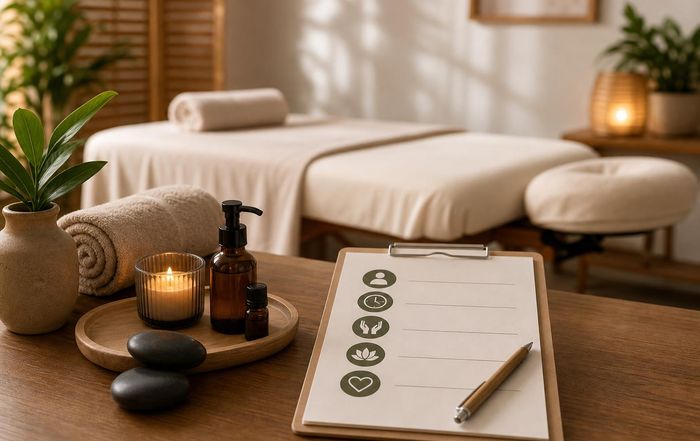
The Best Questions to Ask Before Booking a Massage
Booking a massage should feel like the beginning of relaxation, not a source of uncertainty. Yet many people-whether it is their first treatment or their fiftieth-are unsure what to ask before committing to an appointment. A few thoughtful questions can help you find the right therapist, avoid unpleasant surprises, and make sure the session supports your health, comfort, and budget.
This top relaxing guide brings together practical, safety-focused, and wellness-oriented questions to ask any spa, clinic, or independent therapist before you book. It is relevant whether you are visiting a high-end day spa, a medical clinic, a hotel spa while traveling, or a neighborhood salon.
Start with safety: credentials, hygiene, and health considerations
Before getting into ambiance, add-ons, or special packages, it is worth confirming that the therapist and facility meet basic standards of safety and professionalism. Regulations differ between countries and even between states or regions, so a little due diligence matters.
A key starting point is to ask, "Are your therapists licensed or certified, and by which body?" In many parts of the United States, massage therapists must meet education and exam requirements set by state boards or organizations such as the National Certification Board for Therapeutic Massage & Bodywork. You can check professional standards via bodies like the American Massage Therapy Association or the Federation of State Massage Therapy Boards. In other countries, you might look for membership in reputable national associations or registration with health regulators. If a provider hesitates or cannot clearly explain their credentials, that is a red flag.
Hygiene is another non-negotiable. Ask how linens are handled and how treatment rooms are cleaned between clients. Reputable spas should use fresh sheets and towels for every guest and follow infection-control guidance from authorities such as the World Health Organization or national public-health agencies. If you are immunocompromised, pregnant, or managing a chronic condition, it is reasonable to ask whether the facility follows any additional protocols, such as enhanced disinfection or screening policies during respiratory virus seasons.
It is also wise to ask, "How do you handle medical issues or contraindications?" Skilled therapists will want to know about conditions such as recent surgery, cardiovascular disease, osteoporosis, blood-clotting disorders, or skin infections before they work on you. Many will use a written intake form and may request medical clearance for higher-risk situations. Organizations like the Mayo Clinic and the National Institutes of Health note that massage can be helpful for many people but is not appropriate for everyone in every circumstance, so a therapist who asks good health questions is a positive sign, not an intrusion.
Clarifying your goals: what do you want from this massage?
Massage is not one thing. It can be deep and intense, feather-light and soothing, clinically targeted, or purely indulgent. Before you book, it helps to ask, "What types of massage do you offer, and which would you recommend for my goals?" This is especially important if you are unsure of the difference between Swedish, deep tissue, sports, hot stone, lymphatic drainage, Thai, or prenatal massage.
A good provider will ask what you want to achieve-relief from neck and shoulder tension, support for athletic recovery, help with stress and sleep, or perhaps comfort during pregnancy-and then explain which modalities fit those aims. For example, someone with chronic stress and insomnia might benefit from a slower, nurturing treatment, while a runner with tight calves could need more focused work. For broader wellness planning, you might also explore related practices like yoga or meditation and ask how massage can complement them.
It is also useful to ask, "What areas will you focus on, and can I customize the session?" Many spas default to a full-body routine, but if you spend your days at a desk, you might prefer the majority of the time on your back, neck, and hips. Clarifying this beforehand reduces the chance of disappointment and helps the therapist plan their approach. If you are interested in integrating massage into a wider self-care routine that includes fitness, health, and wellness, sharing that context can lead to better recommendations.
Understanding techniques, pressure, and style
Even within the same named modality, individual therapists vary widely in technique. Some are very quiet and methodical; others check in frequently. Some default to deep pressure; others work more gently. Because comfort is so personal, it helps to ask a few style-focused questions before you commit.
A useful question is, "How would you describe your massage style and typical pressure?" Experienced therapists can usually explain whether they lean more clinical, spa-like, intuitive, or sports-oriented. If you know you dislike intense pressure or, conversely, feel underwhelmed by very light touch, say so. Reputable organizations such as the Cleveland Clinic emphasize that massage should never be sharply painful; mild discomfort in a tight area can be normal, but you should always feel able to ask for adjustments.
Another question is, "How do you handle communication during the session?" Some people prefer silence; others feel safer if the therapist checks in about pressure or comfort. Ask whether it is acceptable to speak up at any time and how they prefer you to do so. This is especially important in cultures or settings where clients may feel hesitant to challenge a practitioner. If you are new to massage, you might also ask whether the therapist will explain what they are doing or simply let you relax.
Finally, consider asking, "Do you have experience with clients who have my specific issue?" If you are recovering from a sports injury, living with fibromyalgia, managing migraines, or dealing with chronic low-back pain, it is reasonable to look for someone with targeted experience or additional training. Some therapists pursue continuing education in areas such as oncology massage, myofascial release, or prenatal work; others have backgrounds in physical therapy or athletic training. The more specific your needs, the more this question matters.
Practicalities: time, pricing, and what is included
Surprises around time and money can quickly undermine an otherwise relaxing experience. Before booking, take a few minutes to clarify the practical details of your appointment, especially when comparing options across spas, salons, wellness centers, or hotel facilities.
A key question is, "How much hands-on time is included in this session length?" A "60-minute massage" in some settings means 50 minutes of actual massage and 10 minutes for consultation and dressing; in others it is a full hour on the table. There is no universal standard, so asking avoids confusion. You can also ask how early you should arrive to complete any forms or change clothes so that your treatment is not shortened.
Pricing deserves equal clarity. Ask, "What is the total cost, and are there any additional fees?" Some spas charge extra for hot stones, aromatherapy, or specialized oils. Hotel spas may add automatic service charges or resort fees, and in some countries, taxes are not included in the advertised price. If tipping is customary in your region, ask whether gratuities are included, optional, or not accepted. Consumer guidance from outlets such as the Better Business Bureau and national consumer-protection agencies consistently recommends confirming the full cost upfront to avoid disputes later.
In addition, ask, "What is your cancellation and rescheduling policy?" Many reputable businesses require 24 hours' notice to avoid a fee, but policies can range from very strict to quite flexible. Understanding this is especially important if you have an unpredictable schedule or are booking treatments during travel. If you are considering a series of massages or a membership at a spa that also offers lifestyle or fitness services, ask whether there are package rates and how expiration dates work.
Comfort, boundaries, and cultural expectations
Feeling physically and emotionally safe is fundamental to massage. Boundaries can vary across cultures and individual preferences, so asking about them before you book is both appropriate and wise. This is particularly relevant for women, LGBTQ+ clients, and anyone with a history of trauma, though it benefits everyone.
One important question is, "What should I wear, and how will I be draped?" In most professional settings, clients undress to their comfort level, and the therapist uses sheets or towels to cover the body, exposing only the area being worked on. If you prefer to remain partially clothed, or if you wear a headscarf or other religious garments, say so and ask how the therapist can adapt. Guidance from organizations like the International Spa Association emphasizes that clients should never feel pressured to undress beyond what feels comfortable.
You might also ask, "Can I request a therapist of a particular gender?" Many spas can accommodate this, though availability may be limited at peak times. For some clients, especially in more conservative cultures or for certain religious reasons, this is non-negotiable; asking in advance prevents awkwardness on arrival. If you are booking for a couple's massage, clarify whether you can choose the genders of both therapists.
Another useful question is, "How do you handle discomfort or concerns during the session?" A professional response should make it clear that you can ask to adjust pressure, change techniques, skip certain body areas, or stop the session at any time. If you are nervous, you might say so and ask the therapist to check in with you periodically. For those exploring massage as part of broader wellness or mental-health support, it can be reassuring to know that your boundaries will be respected.
Products, allergies, and environmental sensitivities
Massage products come into direct contact with your skin and, in the case of aromatherapy, your lungs. If you have sensitive skin, allergies, asthma, or a preference for natural or sustainable products, a few targeted questions can help you avoid reactions and align your treatment with your values.
Start with, "What oils, lotions, or creams do you use, and can you accommodate allergies or sensitivities?" Ask whether products are nut-based, scented, or contain common irritants. People with nut allergies, for example, may need to avoid sweet almond oil, while those with fragrance sensitivities may prefer unscented products. Some spas offer hypoallergenic or organic options, which can be appealing if you are also conscious about sustainable choices in your self-care routine.
If you are interested in aromatherapy, ask, "Are your essential oils pure, and how strong is the scent in the room?" Reputable sources such as the National Center for Complementary and Integrative Health note that essential oils can trigger asthma or headaches in some people, even when marketed as "natural." It is perfectly acceptable to request mild or no scent, or to choose specific oils you tolerate well.
Finally, consider the broader environment. Ask, "Is your facility fragrance-free or low-fragrance?" if you are sensitive to perfumes, or "Do you have quiet, low-light rooms?" if you are prone to migraines or sensory overload. Those with environmental allergies may also ask about air filtration or whether windows can be opened. These details can make the difference between a relaxing experience and one that leaves you feeling unwell.
Special situations: pregnancy, medical conditions, and sports recovery
Certain life stages and health conditions call for extra caution and expertise. If you are pregnant, managing a chronic illness, or using massage as part of a structured training plan, you will want to ask more specific questions before booking.
For pregnancy, ask, "Do you offer prenatal massage, and are your therapists specially trained for it?" Professional bodies and health organizations such as the American College of Obstetricians and Gynecologists generally consider prenatal massage safe for many pregnant people when delivered by properly trained therapists, but positioning, pressure, and timing matter. Ask whether the spa has appropriate bolsters or side-lying setups and whether there are any gestational ages or complications for which they will require medical clearance.
If you have a medical condition-such as cancer, heart disease, diabetes, or autoimmune disorders-ask, "Do you have experience working with clients who have this condition, and are there any situations where you would not recommend massage?" Some clinics employ oncology-trained therapists or work closely with physicians; others may be more generalist. Resources from organizations like the American Cancer Society and the British Heart Foundation emphasize that massage can be supportive but should be adapted carefully around certain treatments or symptoms.
Athletes or highly active individuals may ask, "Can you integrate sports massage or stretching, and how should I time sessions around training or competition?" A therapist familiar with sports recovery can advise whether you will benefit more from deep work days after an event or lighter, circulation-focused work closer to competition. If you are combining massage with other recovery tools-cold plunges, saunas, or structured fitness programs-sharing that information helps them tailor the approach.
Spa environment, amenities, and overall experience
For many people, the setting is as important as the technique. A quiet, clean, thoughtfully designed environment can transform a simple treatment into a restorative ritual. Before you book, it is reasonable to ask a few questions about the space and its amenities, especially if you are planning a special occasion or a full spa day.
You might start with, "What is the atmosphere like-more clinical, or more luxurious and relaxing?" Some massage is delivered in physiotherapy or medical settings, with bright lighting and minimal extras; others take place in softly lit rooms with music, heated tables, and aromatherapy. Neither is inherently better, but one may suit your mood and expectations more than the other. If you are exploring broader spa and salon services, ask how massage fits into their overall offering.
Amenities can also shape your visit. Ask, "Do you have showers, steam rooms, saunas, or relaxation lounges, and are they included in the price?" Facilities that emphasize wellness may offer hydrotherapy, thermal circuits, or quiet rooms where you can rest before or after your treatment. If you are traveling or coming straight from work, access to showers may be especially important. Clarifying whether there are time limits or separate fees helps you plan.
Finally, consider logistics. Ask about parking or public-transport access, accessibility for people with mobility challenges, and any dress codes for shared areas. If you are booking for a group or couple, ask whether they have double rooms or group spaces and how far in advance you should reserve. These details contribute to the seamlessness of the experience, especially if you are weaving massage into a broader travel or weekend-escape plan.
Questions to ask yourself after the massage
The most important questions sometimes come after the appointment, when you can evaluate whether this therapist or spa is right for a long-term relationship. Reflecting on your experience helps you refine what to ask next time and decide whether to return.
Consider, "Did I feel safe, respected, and listened to throughout the process?" This covers not just the massage itself, but the booking interaction, front-desk welcome, privacy when changing, and how the therapist responded to any feedback. If something felt off, it may be worth trying a different provider, even if the technique seemed competent.
Ask, "Did the massage align with my goals?" If you wanted stress relief, did you leave feeling calmer and more grounded? If you hoped for relief from a specific ache, was there noticeable improvement in the hours and days afterward? Sometimes it takes a session or two for the body to respond, especially with chronic issues, but your overall sense of benefit is a valuable guide. If you are integrating massage into a broader health and wellness plan, you might also discuss outcomes with other professionals you see, such as a physiotherapist or doctor.
It is also worth asking, "Is this someone I feel comfortable seeing regularly?" Massage often works best as an ongoing practice rather than a one-off indulgence. A therapist who remembers your preferences, tracks your progress, and adjusts sessions accordingly can become an important part of your self-care routine. If the answer is yes, consider asking at your next booking whether they recommend a particular frequency based on your goals and budget.
Bringing it all together :)
Choosing a massage is ultimately about aligning three things: your goals, your comfort, and the therapist's skills and setting. The questions that matter most will depend on your situation, but they generally fall into a few themes: safety and credentials, style and techniques, practical logistics, boundaries and comfort, product and environmental sensitivities, and any special health or life circumstances.
You do not need to ask every question on this list each time you book. Instead, treat them as a menu: pick the ones that feel most relevant right now, and do not hesitate to follow up if an answer is unclear. Reputable spas, salons, and wellness centers expect informed questions and will usually welcome the chance to explain how they work.
With a bit of preparation, booking a massage becomes less of a gamble and more of a conscious choice-a small but meaningful step in building a self-care routine that supports your body, mind, and overall lifestyle.
