
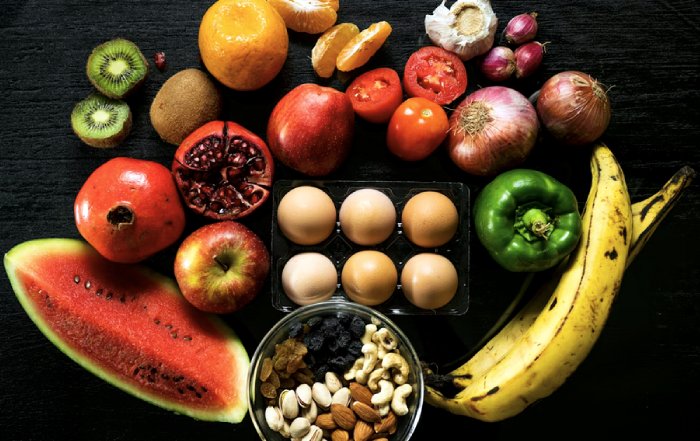
Holistic Nutrition Approaches for Balanced Living in 2026
Holistic Nutrition as the Foundation of Modern Wellbeing
By 2026, holistic nutrition has moved from a niche concept to a central pillar of modern wellbeing, as individuals, businesses, and health systems increasingly recognize that food is not only fuel but also information for the body, a driver of mental performance, and a critical determinant of long-term health outcomes. Holistic nutrition views eating patterns through an integrated lens, considering physical health, emotional balance, lifestyle context, cultural background, environmental impact, and even career demands, and this broader perspective aligns closely with the mission of Qikspa to help readers design lives that are both high-performing and deeply nourishing. Rather than focusing solely on calories, macronutrients, or short-term diet trends, holistic approaches assess how food quality, timing, preparation methods, and mindful eating practices interact with sleep, stress, movement, and social connection, creating a comprehensive blueprint for balanced living that is relevant for professionals in New York, families in London, entrepreneurs in Berlin, wellness enthusiasts in Singapore, and executives in Sydney alike. As global research from institutions such as Harvard T.H. Chan School of Public Health demonstrates, dietary patterns rich in whole, minimally processed foods are consistently linked with reduced risk of chronic diseases, improved cognitive function, and greater longevity, and when these patterns are integrated into a broader lifestyle strategy, they become powerful tools for personal and professional resilience, making holistic nutrition an essential topic for readers exploring the interconnected themes of health, wellness, and lifestyle on qikspa.com.
From Fragmented Diet Advice to Integrated Nutritional Strategy
For many years, nutrition advice in the United States, Europe, and across Asia was fragmented, often oscillating between demonizing fats, carbohydrates, or specific food groups, while ignoring the broader context of how people live, work, commute, socialize, and rest, which meant that even well-intentioned diet plans frequently failed to deliver sustainable results. Holistic nutrition emerged as a response to this fragmentation, integrating insights from modern clinical research, traditional dietary wisdom, and behavioral science to create strategies that consider not only what people eat but also why, when, and how they eat, along with the emotional and cultural patterns that shape those choices. Leading organizations such as the World Health Organization highlight the importance of dietary patterns that emphasize vegetables, fruits, whole grains, and healthy fats, but holistic practitioners go further by examining how stress at work, sleep deprivation, digital overload, and sedentary lifestyles can undermine even the best-designed meal plan, resulting in energy crashes, mood swings, and metabolic imbalances. For a global business audience that must maintain performance across time zones and cultures, this integrated approach is particularly relevant, and Qikspa positions holistic nutrition not as a restrictive rulebook but as a strategic framework that can be tailored to different regions, from Mediterranean-influenced eating in Italy and Spain to plant-forward traditions in Japan, South Korea, and Thailand, while also aligning with personal aspirations in areas such as fitness, careers, and long-term wellbeing.
Core Principles of Holistic Nutrition in 2026
Holistic nutrition in 2026 rests on a set of core principles that are widely supported by evidence from organizations such as the National Institutes of Health and the European Food Safety Authority, and these principles can guide individuals regardless of whether they are based in Canada, Germany, Brazil, or South Africa. The first principle is an emphasis on whole, minimally processed foods, recognizing that complex matrices of nutrients, fibers, and bioactive compounds in real foods interact synergistically in ways that isolated supplements cannot fully replicate, which is why dietary patterns like the Mediterranean and Nordic diets, both rich in vegetables, whole grains, and healthy fats, continue to be associated with lower rates of cardiovascular disease and metabolic disorders. The second principle is personalization, acknowledging that genetics, microbiome composition, cultural background, religious practices, and local food availability all influence how an individual responds to specific dietary patterns, and that a one-size-fits-all approach is both unrealistic and counterproductive; in practice, this means that a balanced plate for a professional in Tokyo may look different from that of an entrepreneur in Toronto, yet both can adhere to shared holistic principles. The third principle is integration with lifestyle factors, recognizing that nutrition cannot be separated from sleep quality, physical activity, stress management, and social connection, and that interventions such as mindful eating, regular movement, and structured relaxation practices can significantly enhance the benefits of a nutrient-dense diet, as highlighted by research from Mayo Clinic and similar institutions. For readers of Qikspa, these principles translate into practical, adaptable guidance that supports not only physical health but also the aesthetic and performance goals explored across sections such as beauty, spa and salon, and business.
The Global Science Behind Food, Mood, and Cognitive Performance
In a world where work is increasingly knowledge-based and digitally mediated, the relationship between nutrition, mood, and cognitive performance has become a strategic consideration for organizations and individuals alike, and recent findings from institutions such as Johns Hopkins Medicine and Cleveland Clinic underscore how dietary patterns can influence focus, memory, and emotional stability. Holistic nutrition frameworks incorporate this emerging science by encouraging stable blood sugar, adequate intake of omega-3 fatty acids, and sufficient micronutrients such as B vitamins, magnesium, and zinc, all of which play key roles in neurotransmitter synthesis and brain function, and which can be found in foods like leafy greens, legumes, nuts, seeds, and fatty fish. For executives navigating high-stakes decisions in London, Berlin, or Singapore, or for entrepreneurs balancing multiple ventures in New York or Sydney, the difference between a diet that triggers afternoon energy crashes and one that sustains stable focus can translate directly into productivity and leadership effectiveness. In parallel, mental health considerations have become central to holistic nutrition, as research from the American Psychological Association and other bodies explores how dietary patterns rich in whole foods and low in ultra-processed products are associated with lower rates of depression and anxiety, while also supporting more restorative sleep and better stress resilience. By presenting this science through a practical, lifestyle-oriented lens, Qikspa helps readers connect the dots between everyday food choices, emotional regulation, and the capacity to thrive in demanding global environments.
Integrating Holistic Nutrition into Everyday Lifestyle Choices
The challenge for many professionals is not understanding that nutrition matters but translating that understanding into daily habits that are realistic within the constraints of travel schedules, family responsibilities, and cultural expectations, and this is where holistic approaches distinguish themselves by focusing on systems rather than isolated decisions. Rather than prescribing rigid meal plans, holistic practitioners encourage individuals to design environments and routines that make balanced choices the default, such as stocking offices with nutrient-dense snacks, planning weekly menus that align with local seasonal produce, and adopting simple frameworks like the "half plate vegetables" rule that can be applied in restaurants from New York to Paris to Bangkok. Resources from organizations like EatRight, the public platform of the Academy of Nutrition and Dietetics, provide practical guidance on portion sizes and meal composition, but holistic nutrition goes further by emphasizing mindful eating, encouraging individuals to slow down, engage their senses, and tune into hunger and satiety cues, which can reduce overeating and improve digestion. For readers exploring food and nutrition on qikspa.com, this integration of science and habit design is particularly valuable, as it supports not only personal goals such as weight management and improved skin health but also broader lifestyle aspirations, including the ability to enjoy business travel, social events, and cultural experiences without feeling constrained by restrictive rules.
Holistic Nutrition as a Driver of Beauty and Spa Outcomes
The global spa and beauty sector has increasingly embraced holistic nutrition as a core component of results-driven programs, recognizing that topical treatments alone cannot fully address concerns such as premature aging, chronic inflammation, or persistent fatigue. Leading wellness destinations in Europe, Asia, and North America now integrate nutritional consultations, personalized meal plans, and educational workshops into their offerings, often guided by evidence from organizations such as the British Association for Nutrition and Lifestyle Medicine, which emphasizes the role of diet in skin health, hormonal balance, and immune resilience. For Qikspa, which speaks directly to audiences interested in spa and salon experiences, this convergence of inner and outer care is particularly relevant, as it highlights how nutrient-dense, anti-inflammatory diets rich in colorful vegetables, berries, green tea, and healthy fats can enhance the results of facials, body treatments, and hair services, while also supporting long-term vitality. In markets such as the United States, United Kingdom, Germany, and Australia, discerning clients increasingly expect spa and salon brands to demonstrate nutritional expertise and to align their service menus with broader wellness philosophies, and this shift creates both opportunities and responsibilities for businesses that wish to position themselves as trustworthy, evidence-informed partners in holistic transformation.
Women's Health, Hormonal Balance, and Life-Stage Nutrition
Across continents, women are leading the adoption of holistic nutrition, seeking approaches that honor the complexity of hormonal cycles, reproductive health, pregnancy, postpartum recovery, perimenopause, and menopause, and that move beyond the simplistic calorie-focused frameworks that dominated earlier decades. Research from organizations such as The North American Menopause Society and World Obesity Federation has drawn attention to the ways in which hormonal changes influence metabolism, mood, sleep, and body composition, underscoring the need for life-stage-specific nutritional strategies that prioritize stable blood sugar, adequate protein, healthy fats, and micronutrients such as iron, calcium, vitamin D, and omega-3s. Holistic nutrition integrates these findings with lifestyle practices such as stress reduction, gentle movement, and restorative sleep, recognizing that chronic stress and inadequate recovery can exacerbate hormonal imbalances, particularly for women juggling demanding careers, caregiving roles, and international travel. On Qikspa, the intersection of women, health, and wellness is addressed through a lens that values agency, education, and personalization, encouraging women in cities from Toronto to Tokyo and regions from Scandinavia to South Africa to collaborate with qualified professionals and design nutritional patterns that support both immediate wellbeing and long-term disease prevention.
The Synergy Between Holistic Nutrition, Fitness, and Yoga
Physical activity remains a central pillar of holistic living, and the synergy between nutrition, fitness, and mind-body practices such as yoga has become increasingly well-documented by organizations including the American College of Sports Medicine. Holistic nutrition frameworks support both endurance and strength training by emphasizing adequate protein distribution across meals, sufficient complex carbohydrates to fuel activity, and targeted hydration strategies, while also highlighting the importance of antioxidants and anti-inflammatory foods to support recovery and reduce the risk of overuse injuries. For yoga practitioners from India to Italy and from Singapore to San Francisco, nutritional strategies that prioritize light, easily digestible meals before practice, along with balanced post-session nourishment, can enhance flexibility, concentration, and overall comfort, aligning with traditional yogic teachings and modern sports science alike. Readers exploring fitness and yoga on qikspa.com will find that holistic nutrition does not promote extremes but rather seeks harmony between energy intake and expenditure, between performance and restoration, and between physical goals and mental calm, an approach that is particularly relevant in 2026 as more people seek sustainable routines that can be maintained over decades rather than weeks.
Sustainability, Ethical Eating, and Global Responsibility
In parallel with personal health considerations, holistic nutrition in 2026 is deeply intertwined with questions of sustainability, ethics, and global food systems, as climate change, biodiversity loss, and resource constraints demand that individuals and organizations rethink how food is produced, transported, and consumed. Reports from the Food and Agriculture Organization of the United Nations and analyses by the EAT-Lancet Commission have underscored the environmental benefits of shifting towards more plant-forward diets, reducing food waste, and supporting regenerative agriculture, all of which can also align with improved cardiometabolic health when implemented thoughtfully. Holistic nutrition integrates these insights by encouraging readers to consider the origin of their food, the welfare of animals, the conditions of agricultural workers, and the long-term viability of local ecosystems, transforming eating from a purely personal act into a form of everyday leadership and stewardship. On Qikspa, the sustainable and international dimensions of nutrition are explored in ways that resonate with readers in Europe, Asia, Africa, and the Americas, demonstrating how choices such as favoring seasonal produce, supporting local farmers' markets, and reducing reliance on ultra-processed products can simultaneously enhance personal wellbeing and contribute to more resilient global food systems.
Holistic Nutrition for Business Leaders, Travelers, and Global Teams
For business leaders and frequent travelers, holistic nutrition is not only a health imperative but also a strategic asset, influencing energy levels, decision-making capacity, and the ability to adapt to shifting time zones and cultural contexts. Organizations such as McKinsey & Company and World Economic Forum have discussed the growing importance of employee wellbeing as a driver of productivity and innovation, and nutrition is increasingly recognized as a foundational component of corporate wellness strategies, alongside sleep, mental health support, and flexible work arrangements. Executives navigating routes between New York, London, Frankfurt, Singapore, and Tokyo face particular challenges related to jet lag, irregular meal timing, and limited healthy options in transit, yet holistic nutrition offers practical frameworks for mitigating these pressures, such as prioritizing hydration, timing caffeine intake strategically, favoring lighter meals before overnight flights, and seeking out nutrient-dense options even in unfamiliar environments. For readers of Qikspa who are building global careers, the interplay between business, travel, and nutrition is especially salient, and by integrating evidence-informed guidance from sources such as Centers for Disease Control and Prevention on food safety and U.S. Department of Agriculture on dietary patterns, they can craft strategies that support both professional excellence and long-term health, regardless of where their passports take them.
Fashion, Aesthetics, and the Quiet Confidence of Nourished Living
In fashion capitals from Paris and Milan to New York and Tokyo, the conversation around aesthetics has gradually expanded beyond clothing and cosmetics to include the subtle yet powerful impact of nutrition on posture, skin texture, hair strength, and overall presence, as designers, models, and creative professionals recognize that true style is difficult to sustain without underlying vitality. Holistic nutrition supports this evolving perspective by emphasizing stable energy, balanced mood, and digestive comfort as prerequisites for the kind of quiet confidence that translates on camera, on stage, and in boardrooms, an approach that contrasts sharply with the restrictive, appearance-only diets that have historically dominated the fashion industry. Educational materials from organizations such as NHS UK and Health Canada reinforce the importance of balanced, nutrient-dense diets for healthy skin, bones, and immune function, and when combined with mindful lifestyle practices, these insights can help professionals in fashion, media, and hospitality build careers that are both high-profile and sustainable. For Qikspa readers interested in fashion, beauty, and performance, holistic nutrition offers a framework in which external appearance becomes a natural reflection of internal balance, rather than a fragile outcome maintained through deprivation or overwork.
Building Trust and Expertise in a Crowded Wellness Landscape
As holistic nutrition has gained popularity, the wellness landscape has become increasingly crowded with competing claims, influencer-driven trends, and unregulated supplements, making trust and expertise more critical than ever for individuals seeking reliable guidance. Reputable organizations such as World Health Organization, National Health Service, and Dietitians of Canada consistently emphasize the importance of evidence-based practice, professional accreditation, and critical evaluation of new products and protocols, and holistic nutrition leaders who adhere to these standards help protect consumers from misinformation and potential harm. Qikspa positions itself within this context as a curated platform that values depth over hype, drawing on established research, global perspectives, and cross-disciplinary insights to support readers in making informed decisions that align with their values, cultures, and goals. By connecting topics such as wellness, lifestyle, and careers through the unifying thread of holistic nutrition, the platform demonstrates that balanced living in 2026 is not about perfection or rigid rules but about cultivating the knowledge, self-awareness, and environmental conditions that allow individuals, families, and organizations to thrive over the long term.
The Future of Holistic Nutrition and Balanced Living
Looking ahead, holistic nutrition is poised to become even more personalized, data-informed, and globally interconnected, as advances in microbiome research, wearable technology, and digital health platforms enable individuals from the United States and Canada to China, Scandinavia, and South Africa to gain deeper insights into how specific foods and patterns affect their unique physiology and lifestyle. At the same time, ethical and environmental considerations will continue to shape what responsible eating looks like in practice, as businesses and consumers respond to evolving standards from organizations such as the United Nations Environment Programme and collaborate to build food systems that are both nourishing and sustainable. Within this evolving landscape, Qikspa serves as a trusted companion, translating complex science into actionable strategies that touch every dimension of life, from spa experiences and beauty routines to international business, travel, and long-term career design. By embracing holistic nutrition as a living, adaptive practice rather than a static set of rules, readers across continents can craft a version of balanced living that honors their cultural heritage, supports their ambitions, and contributes to a healthier, more resilient world, demonstrating that in 2026 and beyond, what is on the plate is inseparable from how people feel, perform, and show up in every sphere of their lives.
