
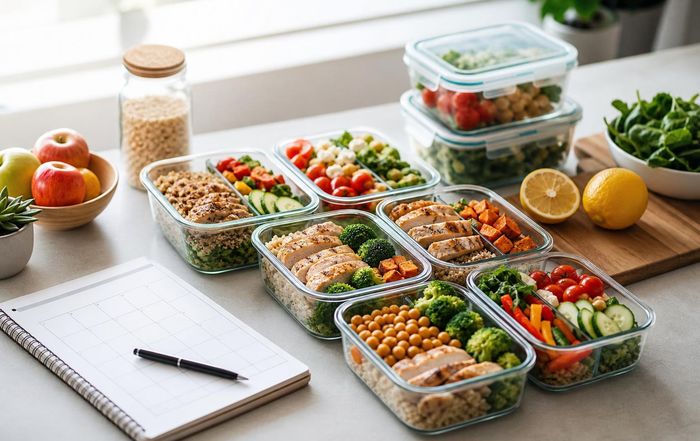
How to Build a Weekly Meal Prep Routine: A Strategic Guide for Modern Professionals
The New Status Symbol: Prepared, Healthy and In Control
For time-pressed professionals across North America, Europe, Asia and beyond, the ability to consistently eat well has become a subtle but powerful status symbol, reflecting not only personal discipline but also strategic thinking, financial literacy and a deep commitment to long-term health. Within this context, weekly meal prep has evolved from a social media trend into a core life and business skill, and QikSpa is positioning its audience to treat nutrition with the same seriousness they bring to career planning, financial management and executive education. As work patterns continue to blend remote, hybrid and high-travel lifestyles, and as wellness becomes a central pillar of corporate performance strategies, the individuals and organizations that master efficient, health-focused meal preparation are finding themselves with a competitive advantage in energy, focus and resilience.
The global wellness economy, tracked by organizations such as the Global Wellness Institute, has underscored how nutrition is now viewed as part of a holistic portfolio that also includes spa and salon care, fitness, mental health and sustainable living. For readers who already rely on QikSpa for guidance on health, wellness, food and nutrition and lifestyle, building a weekly meal prep routine is the practical, day-to-day expression of those broader aspirations. It is where high-level wellness goals translate into what actually appears on the plate from Monday to Sunday, in offices from New York and London to Singapore and Sydney, and in homes from Berlin and Toronto to São Paulo and Cape Town.
Why Meal Prep Matters for Health, Performance and Business
A robust weekly meal prep routine is no longer just about saving time in the kitchen; it has become a strategic investment in cognitive performance, emotional stability and long-term disease prevention. Research synthesized by institutions like Harvard T.H. Chan School of Public Health has repeatedly shown that dietary patterns rich in vegetables, fruits, whole grains, lean proteins and healthy fats are associated with reduced risk of cardiovascular disease, type 2 diabetes, certain cancers and cognitive decline. When such choices are planned and prepared in advance rather than left to last-minute decisions, adherence improves dramatically, particularly for professionals with demanding schedules and frequent travel.
From a business standpoint, organizations are increasingly aware that nutrition directly influences productivity, absenteeism and healthcare costs. Studies referenced by the World Health Organization have connected poor diets with significant economic burdens on both national healthcare systems and individual companies. Executives who manage their calendars with precision, yet outsource daily food decisions to impulse and convenience, are discovering that this inconsistency undermines energy management and decision quality. In contrast, those who embrace structured meal prep often report more stable energy levels, better sleep quality and improved emotional regulation, all of which translate into higher-quality work and more sustainable performance.
For readers of QikSpa, who already value fitness, spa and salon care and broader wellness practices, meal prep becomes the nutritional backbone that supports training programs, skin health, mental clarity and even recovery from travel and jet lag. By aligning food choices with personal and professional objectives, individuals can use meal prep as a lever to reinforce other wellness investments, making each massage, facial, yoga session or gym workout more effective over time.
Defining a Weekly Meal Prep Routine That Fits Real Life
A weekly meal prep routine is best understood not as a rigid diet plan but as a repeatable system for making high-quality food decisions easy, fast and sustainable. At its core, it involves setting aside dedicated time, typically once or twice a week, to plan meals, shop strategically, prepare key ingredients or full dishes and store them safely for the days ahead. However, in 2026, the most successful routines are not one-size-fits-all; they are tailored to work patterns, family structures, cultural preferences, regional food availability and evolving health goals.
Professionals in the United States or the United Kingdom with long commutes and high-intensity office schedules may emphasize portable lunches and high-protein snacks that support focus and satiety throughout the day. In countries like Japan, South Korea or Singapore, where dining culture often includes frequent business meals, meal prep may focus more on breakfasts, evening meals at home and strategic portion control to balance restaurant dining. In Mediterranean countries such as Italy and Spain, where fresh produce and olive oil are abundant, meal prep can leverage local ingredients to follow dietary patterns aligned with the heart-healthy Mediterranean model described by organizations like the American Heart Association.
On QikSpa, readers exploring wellness and international perspectives can see how different regions are adapting meal prep to local conditions, from plant-forward routines in Scandinavian countries like Sweden, Norway and Denmark to spice-rich, produce-heavy approaches in Thailand, Malaysia and Brazil. The common thread across these geographies is the intent to reduce decision fatigue, gain control over ingredients and support a lifestyle that balances professional ambition with sustainable health.
Laying the Strategic Foundation: Goals, Data and Planning
Before any chopping board is set out or any container is filled, effective meal prep begins with clarity of purpose. Individuals who approach nutrition with the same rigor they bring to strategic planning in business tend to build routines that last. This starts with defining concrete objectives, such as improving metabolic health, supporting a specific fitness program, enhancing skin and hair quality, managing weight, optimizing focus for demanding cognitive work or simply reducing reliance on ultra-processed foods.
Consulting evidence-based resources such as NHS in the United Kingdom or Health Canada in Canada can provide regionally appropriate guidance on balanced dietary patterns, recommended servings and portion sizes, helping professionals translate abstract goals into tangible daily targets. Some choose to collaborate with registered dietitians or nutritionists, particularly in complex cases involving chronic conditions, food intolerances or performance sports, recognizing that expert input can prevent costly mistakes and accelerate results. For those readers of QikSpa who are deeply invested in health and performance, this alignment of goals, professional advice and practical planning is central to Experience, Expertise, Authoritativeness and Trustworthiness.
In 2026, digital tools have made this planning phase more data-driven and personalized than ever. Wearables and health apps, often integrated with platforms from companies like Apple or Garmin, allow users to track sleep patterns, activity levels, heart rate variability and sometimes even glucose responses. When this data is interpreted responsibly, in collaboration with qualified professionals and grounded in guidance from organizations such as the U.S. National Institutes of Health, it can inform the timing and composition of meals, ensuring that meal prep supports, rather than conflicts with, the body's natural rhythms and needs.
Designing a Weekly Structure: Templates, Themes and Flexibility
Once goals and constraints are clear, the next step is to design a weekly structure that is both consistent and flexible. Many successful professionals find it helpful to create a simple template that outlines the general shape of their week: for example, a protein-rich breakfast to stabilize blood sugar, a balanced lunch with vegetables and whole grains to sustain afternoon performance, and a lighter evening meal to support sleep and recovery. Within this framework, themed days or rotating menus can introduce variety while preserving predictability and efficiency.
Drawing inspiration from evidence-based models such as the Mediterranean diet, as promoted by the European Food Information Council, or plant-forward patterns championed by organizations like EAT Forum, individuals can build their weekly templates around nutrient-dense, minimally processed foods. For example, professionals in Germany, the Netherlands or Switzerland might emphasize hearty whole-grain breads, legumes and seasonal vegetables, while those in Australia, New Zealand or South Africa might design menus around fresh produce, lean meats and seafood. By anchoring meal prep to such templates, QikSpa readers can ensure that their routines reflect both local food cultures and global best practices in nutrition science.
Within this structure, flexibility is crucial. Business travel, unexpected late meetings, client dinners and family obligations can quickly derail rigid plans. The most resilient meal prep routines anticipate these disruptions by including modular components, such as pre-cooked grains, versatile sauces, roasted vegetables or marinated proteins that can be assembled quickly into different meals. This approach aligns with the broader lifestyle strategies explored on QikSpa's lifestyle and travel sections, where adaptability is recognized as a key trait of sustainable wellness.
Smart Shopping: Turning Strategy into a Curated Pantry
The weekly shopping trip is where strategic planning meets the realities of budget, availability and time. For busy professionals, the goal is to transform grocery shopping from a reactive, impulse-driven activity into a deliberate, efficient process that supports the meal prep system. This begins with a focused list derived from the weekly menu template, prioritizing whole foods, seasonal produce and high-quality proteins while minimizing ultra-processed items high in added sugars, sodium and unhealthy fats, as highlighted by bodies like the World Cancer Research Fund.
In urban centers such as New York, London, Paris or Tokyo, professionals often combine traditional supermarkets with specialty stores, farmers' markets or online delivery services to access higher-quality ingredients and save time. The rise of sustainable and ethical sourcing, documented by organizations like the Rainforest Alliance, has also influenced shopping decisions, with many consumers seeking products that align with their values on environmental impact, fair labor and animal welfare. For QikSpa readers who follow the platform's focus on sustainable living, meal prep becomes an opportunity to express those values at the point of purchase, choosing ingredients that respect both personal health and planetary boundaries.
A curated pantry is central to this approach. Stocking versatile staples such as whole grains, legumes, nuts, seeds, herbs, spices and healthy oils allows for rapid assembly of meals even when fresh produce runs low or schedules change unexpectedly. Guidance from organizations like Academy of Nutrition and Dietetics can help individuals understand how to combine these ingredients for complete proteins, balanced macronutrients and adequate micronutrient intake. Over time, a well-designed pantry reduces reliance on last-minute takeout and supports the consistency that underpins long-term health outcomes.
Execution Day: Efficient Batch Cooking and Safe Storage
The heart of a weekly meal prep routine is the designated preparation session, often scheduled on weekends or a quiet evening, during which planning and shopping are converted into ready-to-eat or easy-to-assemble components. For professionals, the objective is to maximize output-meals and ingredients for several days-while minimizing time, stress and clean-up. This demands a methodical approach, starting with a clear sequence: preheating ovens, marinating proteins, roasting vegetables, cooking grains, preparing sauces and dividing everything into appropriately portioned containers.
Food safety is a non-negotiable foundation of this process. Guidance from agencies such as the U.S. Food and Drug Administration and Food Standards Agency in the United Kingdom provides detailed recommendations on safe cooking temperatures, cooling times, refrigeration, freezing and reheating. In practice, this means cooling cooked foods promptly, storing them in shallow containers, labeling them with dates and consuming them within safe time windows. For QikSpa's global audience, who may be preparing meals in climates ranging from humid Southeast Asia to colder Northern Europe, adherence to these principles is essential to avoid foodborne illness and protect both health and productivity.
The tools used during meal prep have also evolved. High-quality knives, multi-tier steamers, induction cooktops, pressure cookers and smart ovens can significantly accelerate batch cooking while preserving nutrient quality. Glass containers, stainless steel lunch boxes and insulated food jars have gained popularity as professionals seek durable, non-toxic and aesthetically pleasing storage solutions that transition seamlessly from kitchen to office. For individuals who value beauty and design in all aspects of life, as reflected in QikSpa's beauty and spa and salon content, this attention to form as well as function can make meal prep feel less like a chore and more like a refined personal ritual.
Aligning Meal Prep with Fitness, Yoga and Recovery
Nutrition does not exist in isolation; it interacts constantly with physical activity, sleep and stress management. For readers who engage in regular strength training, cardiovascular exercise or yoga, aligning meal prep with training schedules can significantly enhance performance, recovery and body composition. Organizations such as American College of Sports Medicine have emphasized the importance of adequate protein intake, strategic carbohydrate timing and sufficient hydration, all of which can be built into a weekly prep routine.
For example, professionals in Canada, Germany or South Korea who schedule early-morning workouts may prioritize pre-prepared, easily digestible breakfasts rich in protein and complex carbohydrates to support performance and satiety. Those who practice yoga or Pilates in the evenings, a topic frequently explored in QikSpa's yoga coverage, may design lighter, anti-inflammatory meals that support flexibility, digestion and sleep quality. In both cases, meal prep ensures that the right foods are available at the right times, reducing the temptation to reach for convenience foods that undermine training goals.
Recovery is equally important. Anti-inflammatory ingredients such as berries, leafy greens, fatty fish, nuts and olive oil, often highlighted by institutions like Mayo Clinic, can be incorporated into weekly menus to support joint health, immune function and overall resilience. For frequent travelers crossing time zones between the United States, Europe and Asia, meal prep can include portable options that mitigate jet lag and digestive disruption, reinforcing the travel-focused strategies discussed on QikSpa's travel and international pages.
Integrating Meal Prep with Beauty, Spa and Holistic Wellness
For the audience of QikSpa, which has long recognized the interconnectedness of external appearance and internal health, meal prep is increasingly seen as a beauty and spa strategy as much as a nutritional one. Skin, hair and nail health are profoundly influenced by micronutrient intake, hydration status, glycemic control and inflammatory load. Dermatological research, including that shared by organizations like the American Academy of Dermatology, has linked diets high in refined carbohydrates and sugars with increased acne and skin aging, while nutrient-rich, antioxidant-dense diets are associated with improved skin elasticity, radiance and overall appearance.
By building a weekly meal prep routine that emphasizes colorful vegetables, fruits, healthy fats and adequate protein, individuals can complement the benefits of professional spa and salon treatments, from facials and body wraps to hair care and manicures. This inside-out approach aligns with QikSpa's positioning as a comprehensive platform where spa and salon services, beauty insights and nutritional strategies reinforce one another rather than existing in separate silos. In high-pressure professional environments, where appearance can influence confidence and perceived authority, this holistic alignment becomes a subtle but meaningful asset.
Moreover, meal prep itself can be reframed as a wellness ritual rather than a purely functional task. Setting aside time each week to cook, experiment with new recipes, listen to music and engage with food mindfully can provide a form of active meditation, counterbalancing the digital intensity of modern work. This perspective resonates with global trends toward mindfulness and self-care, supported by organizations like Mindful.org, and is particularly relevant for women professionals, a key audience for QikSpa's women content, who often juggle multiple roles and responsibilities.
The Business Case: Meal Prep as a Career and Leadership Asset
For ambitious professionals and entrepreneurs, the question is not only whether meal prep supports personal health but also how it impacts career trajectories and leadership effectiveness. In 2026, as companies in the United States, United Kingdom, Germany, Singapore and beyond adopt more holistic views of employee wellbeing, individuals who demonstrate disciplined self-management in areas like nutrition are increasingly seen as role models for sustainable high performance. Leaders who consistently show up with stable energy, clear thinking and emotional balance send a powerful signal about their capacity to manage complexity and stress.
Organizations such as McKinsey & Company and Deloitte have published analyses linking employee wellbeing to engagement, retention and organizational resilience, reinforcing the idea that personal health behaviors, including nutrition, have strategic implications. For readers of QikSpa exploring careers and business, adopting a weekly meal prep routine can be framed as an investment in professional capital, much like executive education or mentorship. It reflects foresight, discipline and a commitment to long-term performance rather than short-term convenience.
In some organizations, particularly in sectors like technology, finance and consulting, informal cultures have emerged where meal prep, shared recipes and healthy office snacks become part of team identity and cohesion. Remote and hybrid teams spanning time zones from California to London to Bangalore may use virtual meal prep sessions or recipe exchanges to foster connection and mutual support. Within this context, platforms like QikSpa provide not only guidance but also a shared language for professionals who view wellness as a collective, not just individual, responsibility.
Building a Routine That Lasts: Sustainability, Culture and Identity
Ultimately, the value of a weekly meal prep routine lies not in short bursts of enthusiasm but in its ability to become a stable, almost automatic part of life. Sustainability, in this sense, refers both to the environmental impact of food choices and to the psychological sustainability of the routine itself. Overly restrictive, time-intensive or perfectionist approaches tend to collapse under the weight of real-world demands, especially for those balancing careers, families and travel. The most durable routines are those that respect cultural food traditions, accommodate social occasions and allow for enjoyment as well as discipline.
Global organizations such as the Food and Agriculture Organization of the United Nations have emphasized the importance of culturally appropriate diets that support both health and environmental goals. For QikSpa's international audience, this means adapting meal prep to local cuisines in France, Italy, Spain, China, Brazil, South Africa and beyond, rather than imposing a single, homogenized model. Whether it is incorporating traditional spices, cooking methods or family recipes, the integration of cultural identity into meal prep increases satisfaction and adherence, turning the routine into an expression of self rather than a set of external rules.
In parallel, aligning meal prep with broader sustainability goals-such as reducing food waste, choosing seasonal produce and minimizing single-use plastics-allows individuals to see their weekly routine as part of a larger contribution to planetary health. This perspective resonates strongly with QikSpa's sustainable content and appeals to professionals who want their personal habits to reflect their values on climate, equity and long-term thinking.
Our Little Role in the Next Generation of Meal Prep?
As wellness continues to evolve, QikSpa is uniquely positioned at the intersection of spa and salon culture, health science, nutrition, fitness, yoga, fashion, travel and sustainable living. For readers seeking to build or refine a weekly meal prep routine, the platform offers a curated environment where evidence-based insights, international perspectives and practical strategies converge. By exploring food and nutrition in tandem with health, wellness, fitness, lifestyle and women content, smart people can craft routines that support not only physical health but also professional ambition, personal identity and global citizenship.
In an era where information is abundant but time and attention are scarce, the real differentiator is the ability to translate knowledge into consistent action. Weekly meal prep, when approached strategically and holistically, becomes one of the most powerful vehicles for doing exactly that. It is a quiet, recurring decision that, over months and years, shapes energy, appearance, resilience and opportunity. For the global community that turns to QikSpa as a trusted guide, mastering this routine is not simply about what to eat next week; it is about designing a life where health and success reinforce each other, day after day, plate by plate.
