
How to Host a Clothing Swap with Friends: A Guide to Stylish, Sustainable Connection
Hosting a clothing swap with friends is no longer a niche weekend experiment; it has become a strategic, lifestyle-driven choice that blends fashion, sustainability, community, and personal wellbeing. For new or loyal readers here a clothing swap sits at the intersection of style, self-care, social connection, and conscious living, reflecting a broader shift in how people across the United States, Europe, Asia, and beyond think about their wardrobes, their budgets, and their environmental impact. As fashion cycles accelerate and digital shopping becomes ever more frictionless, a carefully curated, in-person clothing swap offers something that online retail cannot: tactile discovery, meaningful conversation, and the delight of seeing a garment come to life on someone you know and trust.
This article explores, in depth, how to design and host a clothing swap that feels as polished as a boutique pop-up, as restorative as a spa afternoon, and as responsible as a sustainability initiative. Drawing on global trends in fashion and wellness, it outlines a step-by-step approach that emphasizes experience, expertise, authoritativeness, and trustworthiness, while anchoring the event in the values that define QikSpa and its community.
The New Role of Clothing Swaps in a Wellness-Centered Lifestyle
A clothing swap is, at its core, a gathering where participants bring gently used clothing, shoes, and accessories they no longer wear and exchange them with others. Yet, in 2026, the concept has evolved far beyond a casual exchange of garments. It now aligns closely with the rise of circular fashion, the prioritization of mental health, and the growing recognition that personal style is a form of self-care, not just self-presentation.
Organizations such as Ellen MacArthur Foundation have helped popularize the idea of a circular economy, in which products are kept in use for as long as possible to reduce waste and resource consumption; readers can learn more about circular fashion principles and see how clothing swaps directly support these goals. At the same time, health authorities such as the World Health Organization emphasize the importance of social connection and stress reduction as pillars of wellbeing, and a thoughtfully hosted swap can function as a low-pressure social event that encourages conversation, creativity, and confidence-building.
For the QikSpa audience, which already leans toward curated experiences in spa and salon environments and is keenly interested in wellness-forward lifestyles, the clothing swap becomes a natural extension of an existing mindset: caring for the body, mind, and environment in a cohesive, intentional way.
Aligning the Swap with Personal Values and Aesthetic
Before sending invitations or clearing space for racks and mirrors, the host needs a clear vision. A successful clothing swap in 2026 is not improvised; it is curated, aligned with the host's values, and framed as an experience that reflects the broader lifestyle aspirations of the group.
In North America, Europe, and Asia alike, consumers are increasingly concerned about the environmental and social impact of their clothing. Reports from organizations like the United Nations Environment Programme detail how the fashion industry contributes to pollution and waste, while also outlining strategies to reduce that impact. A host can use these insights to position the swap as a tangible, positive step toward more responsible consumption, especially for friends in fashion-forward cities from New York and London to Berlin, Singapore, and Seoul.
At the same time, the event can be tailored to the group's aesthetic interests. Some hosts may choose to focus on elevated casual wear that aligns with modern lifestyle and fashion sensibilities, while others might emphasize professional attire for career-oriented guests, resort wear for frequent travelers, or athleisure for friends deeply invested in fitness and yoga. By framing the event around a shared aesthetic or lifestyle theme, the host sets expectations, improves the quality of contributions, and ensures that participants feel the swap reflects their personal brand.
Setting Intentions: Sustainability, Self-Care, and Style
Intentionality is a hallmark of modern wellness culture, and a clothing swap that clearly articulates its purpose will resonate more deeply with busy professionals and globally minded guests. The host can define three core intentions and communicate them in the invitation: sustainability, self-care, and style.
Sustainability speaks to the environmental rationale, which is increasingly important to consumers in Europe, North America, and Asia-Pacific markets. Research from sources like the European Environment Agency shows that extending the life of garments significantly reduces their overall environmental footprint, making swaps a practical response to fast fashion's excesses. By emphasizing this, the host positions the event not as a cost-saving measure alone, but as a contribution to a larger, values-driven movement.
Self-care connects the swap to the broader wellness ecosystem that QikSpa champions through its focus on health, wellness, and lifestyle. Trying on new silhouettes in a supportive environment, receiving genuine compliments, and letting go of items that no longer serve one's body or identity can be emotionally freeing. This process mirrors principles often discussed in therapeutic and wellness circles, including the idea of decluttering as a path to mental clarity, a topic explored by organizations such as the American Psychological Association in the context of stress and decision fatigue.
Style, finally, acknowledges that fashion remains a powerful tool for self-expression and professional presence. In careers that span from corporate roles in London and Frankfurt to creative industries in Los Angeles, Paris, or Tokyo, clothing can influence confidence and perception. Guidance from institutions like Harvard Business Review on how appearance affects leadership perception underscores the practical importance of curating a wardrobe that aligns with one's ambitions, and a swap can help participants experiment with new looks in a low-risk, low-cost way.
Curating the Guest List and Communicating Expectations
The success of a clothing swap depends heavily on who attends. In 2026, social circles are often hybrid, with friends, colleagues, and online community members intersecting across borders, especially in global hubs such as New York, London, Singapore, and Sydney. The host should think carefully about the mix of guests, prioritizing people who share similar style sensibilities, respect for others' belongings, and an interest in wellness, fashion, and sustainability.
Invitations can be delivered via email, private messaging apps, or curated event platforms, but regardless of medium, they should clearly outline the event's ethos and logistics. The host should specify the type of items requested, such as seasonally appropriate clothing, workwear, athleisure, or occasion wear, and establish quality standards to ensure a positive experience. Guidance from organizations like the Good On You platform, which evaluates brands on ethics and sustainability, can inspire guests to think more critically about the lifecycle of their garments and the value of choosing quality over quantity.
For a more personal and polished touch, the host can align the tone of the invitation with the serene, elevated aesthetic familiar to QikSpa readers who frequent spa and salon experiences. Language that evokes relaxation, renewal, and discovery can help guests see the event as a form of self-care rather than a purely transactional exchange.
Designing the Environment: From Living Room to Boutique-Inspired Space
Transforming a home or private venue into a boutique-inspired environment is central to the experience. Guests across continents, from Canada and Australia to Japan and South Africa, increasingly expect experiential retail; a clothing swap that mirrors this sensibility will feel modern and memorable. The host should think in terms of zones: arrival, browsing, fitting, and relaxation.
The arrival area can include a check-in station where guests drop off their items, which are then quickly reviewed and sorted. Drawing inspiration from hospitality standards in high-end wellness resorts and hotels, such as those highlighted by Condé Nast Traveler in its coverage of luxury wellness retreats, the host can offer infused water, light snacks, and a warm yet professional welcome. This sets the tone and underscores that the experience is curated, not improvised.
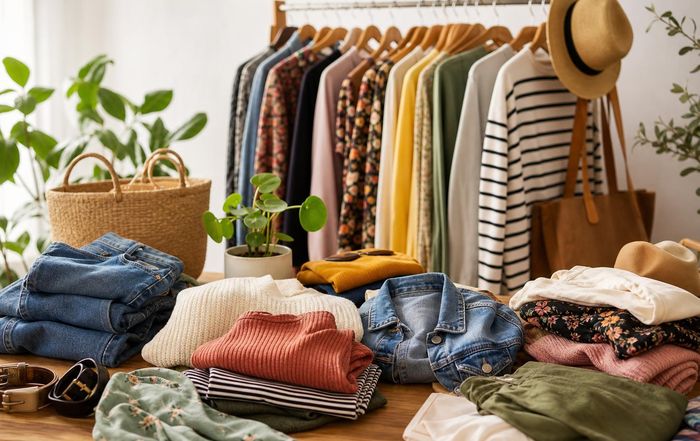
The browsing area should be organized by category, color, or style, mimicking the layout of a well-run boutique. Simple clothing racks, hangers, and clear signage can prevent clutter and overwhelm. For guests who care about aesthetics, lighting matters; soft, flattering light helps garments look their best and supports the confidence-building aspect of the swap. Mirrors placed strategically around the space encourage experimentation and engagement, and a small fitting area with privacy options respects the comfort levels of participants from diverse cultural backgrounds, whether they are from more conservative regions or highly fashion-forward cities.
The relaxation area can incorporate elements that echo a spa lounge, with comfortable seating, calming music, and refreshments that align with food and nutrition-conscious lifestyles. Drawing on guidance from organizations such as the World Health Organization on healthy diets, the host can offer nutrient-dense, visually appealing options-fresh fruit, herbal teas, and light, plant-forward bites-that support energy and focus without overwhelming the senses.
Establishing Fair and Flexible Swap Mechanics
Clothing swap formats vary, but fairness and clarity are essential to maintaining trust and goodwill. In a business-oriented, globally connected audience, participants appreciate systems that feel transparent and efficient. The host can adopt a token-based system, where each item contributed earns a token that can be exchanged for a new item, or a more open, collaborative approach where guests take turns browsing in small groups, ensuring everyone has an opportunity to discover pieces they love.
The mechanics should be explained at the outset, ideally in a brief welcome talk that also reinforces the event's values. Referencing the broader context of sustainable fashion, the host might mention initiatives highlighted by Fashion Revolution, whose resources on ethical fashion have influenced consumer awareness worldwide, to remind participants that the swap is part of a larger movement toward more responsible wardrobes.
Flexibility is also important. Not every participant will find the same number of items they wish to take home, and some may bring higher-value pieces than others. A culture of generosity, rather than strict accounting, often leads to better outcomes, especially among friends and colleagues. The host can remind guests that any remaining items will be donated to reputable organizations, turning excess into impact and reinforcing the event's ethical foundation.
Integrating Wellness, Beauty, and Self-Expression
To resonate with the QikSpa audience and elevate the experience beyond a simple exchange, the host can weave in elements of wellness, beauty, and self-expression. This might include setting up a small beauty corner with skincare testers or quick styling tips, inspired by the curated content found on QikSpa's beauty section, where guests can experiment with new looks that complement their newly discovered garments.
Incorporating micro wellness moments, such as a short guided breathing exercise before the swap begins or a brief stretching sequence midway through, can help guests feel grounded and relaxed. These practices align with global trends in yoga and mindfulness, which have seen strong adoption in countries from the United States and Canada to Germany, Sweden, and Japan. Resources from organizations like Yoga Alliance and scientific summaries from the National Institutes of Health on yoga's benefits reinforce the legitimacy of integrating such practices into everyday social events.
Self-expression can also be encouraged through mini styling sessions where guests help each other assemble outfits, drawing on collective expertise and diverse cultural influences. Friends from Italy, France, or Spain might bring a particular flair for color and tailoring, while those from Scandinavia could introduce minimalist layering techniques; this cross-pollination of style ideas fosters a sense of international community and learning that reflects the global readership of QikSpa and the cosmopolitan nature of modern social networks.
Managing Hygiene, Fit, and Comfort with Professionalism
In 2026, guests remain attentive to hygiene and personal safety, and a professional, businesslike audience will expect the host to address these concerns proactively. Clothing should be freshly laundered, and the host can communicate this expectation clearly, perhaps referencing best practices from trusted health sources such as the U.S. Centers for Disease Control and Prevention regarding cleaning and hygiene in shared environments.
Providing hand sanitizer stations, gentle fabric fresheners, and optional garment steamers can further reassure participants, particularly those in regions where public health guidelines remain stringent. Fit is another crucial dimension; offering simple tools such as measuring tapes and size guides can help guests from different body types and cultural backgrounds feel more confident in their choices. This inclusive approach reflects QikSpa's commitment to the wellbeing of women and all individuals, regardless of size or style preference.
Comfort also extends to the emotional dimension. The host should foster a nonjudgmental atmosphere where guests feel safe to experiment, decline items that do not feel right, and release garments that no longer serve them without guilt. This mindset aligns with modern approaches to body positivity and mental health, which are increasingly supported by expert organizations like Mind in the UK and echoed in global conversations about self-acceptance and holistic health.
Donating Leftovers and Measuring Impact
At the end of the event, there will almost always be items left unclaimed. How the host handles these garments can significantly enhance the swap's sense of purpose and professionalism. Partnering with reputable charities or social enterprises ensures that leftover pieces find a second life with individuals who need them, whether in local communities or international relief efforts. Platforms such as Charity Navigator provide guidance on evaluating trustworthy nonprofits, helping hosts choose organizations that align with their values and regions, from North America and Europe to Africa, Asia, and South America.
Communicating the donation plan in advance encourages guests to view their contributions as part of a broader impact story. After the event, the host might share a brief summary with participants: how many items were exchanged, how many were donated, and which organization received them. This simple act of reporting mirrors best practices in corporate sustainability and responsible business communication, and it reinforces the idea that even small-scale, community-driven initiatives can be managed with the same care and transparency as larger projects.
Some hosts may choose to quantify environmental impact, drawing on estimates from organizations such as the Carbon Trust to approximate the emissions saved by extending the life of garments. While these calculations are often approximate, they can help guests see the tangible benefits of their participation and motivate them to continue exploring sustainable fashion choices in their daily lives.
Extending the Experience Beyond a Single Event
A well-executed clothing swap can serve as the starting point for ongoing community engagement, both locally and across borders. Guests may wish to make the event recurring, perhaps seasonally aligned with wardrobe transitions in spring and autumn, or themed around specific categories such as workwear, outerwear, or travel pieces. For globally mobile participants who frequently move between cities in Europe, Asia, and North America, recurring swaps can become a way to adapt wardrobes to new climates and cultural contexts while maintaining a commitment to sustainability.
The host can also leverage digital tools to extend the experience. Private online groups or messaging channels allow participants to share styling ideas, photos of outfits assembled from swapped pieces, and recommendations for sustainable brands, echoing the curated, editorial approach that QikSpa brings to international lifestyle and travel daily coverage. Over time, this community can evolve into a trusted network where members exchange not only clothing, but also insights on careers, wellness practices, and global living, reflecting the multifaceted interests of readers who navigate complex professional and personal landscapes.
For those particularly passionate about sustainability, clothing swaps can be integrated into broader initiatives, such as workplace wellbeing programs, community events, or collaborations with local boutiques and salons. By aligning the swap with sustainable living principles and the broader wellness ecosystem, hosts can position themselves as leaders in a space that merges fashion, health, and ethical responsibility.
Clothing Swaps as a Signature Expression of the QikSpa Lifestyle
By 2026, the most successful lifestyle practices are those that seamlessly integrate aesthetics, wellbeing, and responsibility. A clothing swap hosted with care, clarity, and creativity embodies this integration. It allows participants to refine their personal style, support their mental and emotional health, reduce their environmental footprint, and deepen their connections with friends and colleagues across continents.
For the QikSpa calm thinking community, which values the calm refinement of spa experiences, the vitality of fitness and yoga, the sophistication of contemporary fashion, and the integrity of sustainable living, a clothing swap can become a signature ritual. It is not simply an event, but an expression of a lifestyle that recognizes the power of small, intentional choices to shape both personal wellbeing and the global future of fashion.
By approaching the clothing swap with the same professionalism and attention to detail that one would bring to a business initiative or a wellness retreat, hosts can create an experience that feels luxurious yet accessible, playful yet purposeful, and deeply aligned with the values that define modern, internationally minded, health-conscious living.
