
The Connection Between Posture and Wellbeing in a High-Performance World
Posture as a Modern Health Indicator
By 2026, posture has quietly emerged as one of the most visible indicators of overall wellbeing, professional presence, and lifestyle quality, particularly among urban professionals in North America, Europe, and the fast-growing wellness markets of Asia-Pacific. In an era defined by hybrid work, constant connectivity, and prolonged screen exposure, the way an individual sits, stands, and moves is no longer just a matter of aesthetics or etiquette; it has become a core component of holistic health strategy and personal brand. For the global audience that turns to QikSpa for insight on health, spa culture, and performance-oriented self-care, understanding the deep connection between posture and wellbeing is fundamental to navigating demanding careers while sustaining long-term vitality.
Health authorities such as the World Health Organization have repeatedly highlighted the burden of musculoskeletal conditions and sedentary lifestyles on global productivity and quality of life, and posture sits at the intersection of these issues, influencing pain, energy levels, mood, confidence, and even longevity. Readers who monitor developments in workplace health through platforms like the U.S. Centers for Disease Control and Prevention will recognize posture as a critical factor in the broader conversation about wellness, ergonomics, and mental resilience. As spa and salon environments worldwide evolve from purely aesthetic destinations into integrated wellbeing hubs, posture is increasingly being treated as both a diagnostic signal and a therapeutic target.
The Biomechanics of Posture: More Than Just Standing Straight
At its core, posture reflects the alignment and coordination of the musculoskeletal system in relation to gravity, and modern biomechanics research from institutions such as Harvard Medical School underscores that optimal posture is dynamic rather than rigid, constantly adapting as the body moves through sitting, standing, walking, and more complex activities. Proper alignment distributes mechanical load evenly across joints, ligaments, and muscles, reducing wear and tear that can lead to chronic neck, back, and shoulder pain, which are among the leading causes of disability in industrialized countries according to the National Institutes of Health in the United States.
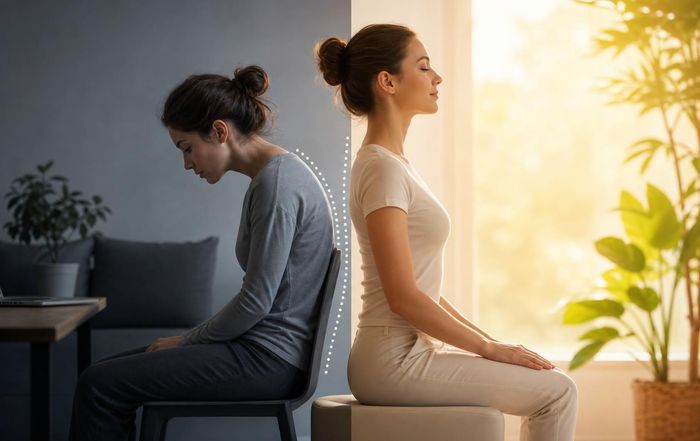
In practice, this means that posture is not just about appearing upright but about how the spine's natural curves are supported, how the head is positioned relative to the shoulders, and how the pelvis, knees, and feet collaborate to stabilize movement. When individuals in demanding roles across London, New York, Singapore, or Berlin spend ten or more hours daily in front of digital devices, their posture often drifts into forward head position, rounded shoulders, and collapsed lumbar support, patterns that have been widely documented in clinical guidelines from organizations like NHS Inform in the United Kingdom. Over time, these misalignments can compromise breathing efficiency, reduce circulation, and trigger compensatory muscle tension, eroding overall wellbeing even in otherwise fit and health-conscious populations.
Posture and Pain: A Global Workplace Challenge
Chronic musculoskeletal pain has become a defining occupational health issue in both developed and emerging economies, and posture is at the center of this challenge. Research summarized by Mayo Clinic has shown that poor sitting and standing habits significantly increase the risk of lower back pain, neck stiffness, and repetitive strain injuries, all of which contribute to absenteeism and reduced productivity across sectors ranging from finance and technology to hospitality and creative industries. For professionals who regularly visit spa and salon environments for relief, the cycle is familiar: long hours at a desk or on a device lead to tightness and discomfort, which prompts massage or physical therapy, followed by temporary relief that quickly dissipates when old habits resume.
Forward-thinking wellness and spa brands, including those aligned with the ethos of spa and salon experiences promoted by QikSpa, are increasingly integrating posture education into their services, recognizing that sustainable pain reduction requires both hands-on treatment and behavior change. Global guidelines from organizations such as the International Labour Organization emphasize ergonomic design and movement breaks, but the personal responsibility of the individual remains decisive. When posture is addressed systematically-through workstation adjustments, targeted mobility work, and mindful movement practices-many clients report reductions in pain intensity, fewer headaches, and improved tolerance for daily tasks, outcomes that align closely with the goals of high-performing professionals worldwide.
The Mind-Body Link: How Posture Shapes Mood and Cognition
Beyond its physical consequences, posture exerts a powerful influence on mental and emotional wellbeing. Psychological research, including work disseminated by the American Psychological Association, has demonstrated consistent links between slumped, collapsed postures and elevated feelings of stress, fatigue, and low mood, while more upright, open positions are associated with increased alertness, more positive affect, and greater resilience under pressure. Although simplistic interpretations of "power poses" have been debated, the broader consensus remains that the body's position affects how the brain processes emotion, threat, and opportunity.
This mind-body connection is particularly relevant for ambitious professionals navigating volatile markets in the United States, Europe, and Asia, where cognitive load is high and the margin for error is slim. When posture restricts breathing, compresses the diaphragm, and reduces chest expansion, oxygen intake and carbon dioxide clearance are subtly compromised, which can in turn affect concentration and perceived energy, as outlined in respiratory health resources from Cleveland Clinic. Over time, this can contribute to a cycle in which stress leads to a more defensive, hunched posture, which further reinforces feelings of overwhelm or anxiety. For readers exploring integrated strategies on lifestyle and performance through QikSpa, this connection underscores why posture work is not merely cosmetic but strategically important for mental clarity and emotional balance.
Posture, Breathing, and Energy: The Hidden Performance Lever
In many wellness traditions, particularly those originating in Asia, posture and breath have always been viewed as inseparable. Contemporary science is now validating this connection, with leading institutions such as Johns Hopkins Medicine highlighting the role of diaphragmatic breathing in regulating the nervous system and reducing stress. When posture allows the ribcage to expand fully and the diaphragm to descend without restriction, breathing becomes deeper and more efficient, which supports better oxygen delivery to the brain and muscles, stabilizes heart rate variability, and enhances perceived energy and calm.
In contrast, common postural distortions such as rounded shoulders and forward head posture compress the thoracic cavity, encouraging shallow, upper-chest breathing that keeps the body in a subtle state of sympathetic arousal. For executives, entrepreneurs, and creatives in major hubs from New York to Tokyo, this pattern can manifest as persistent low-grade fatigue, difficulty winding down after work, and reliance on stimulants to maintain focus. By integrating posture-aware breathing drills into daily routines-whether during a commute, between virtual meetings, or as part of spa-based relaxation sessions-individuals can reclaim a powerful, drug-free tool for energy management. Readers exploring fitness and performance content on QikSpa increasingly recognize that posture, breath, and energy are three sides of the same triangle.
The Role of Movement, Exercise, and Yoga in Postural Health
While ergonomic furniture and workplace policies are important, movement remains the most reliable long-term solution to postural dysfunction. Strength training, mobility work, and mindful disciplines such as yoga and Pilates all contribute to restoring balance between tight, overactive muscles and weak, underused stabilizers. Organizations like the American Council on Exercise provide extensive guidance on how targeted exercise can correct common imbalances, emphasizing the importance of strengthening the posterior chain-particularly the glutes, hamstrings, and upper back-while improving mobility in the hips, thoracic spine, and ankles.
Yoga, in particular, bridges the gap between structural alignment and internal awareness, making it a natural complement to the spa and salon experiences curated by QikSpa for readers interested in yoga and holistic wellbeing. Leading yoga institutions, such as the Yoga Alliance, highlight how consistent practice can retrain neuromuscular patterns, enhance proprioception, and cultivate a more intuitive sense of how the body occupies space. For professionals in Germany, the United Kingdom, Canada, and across Asia-Pacific, where yoga studios and wellness retreats have become mainstream, this approach offers a practical way to counteract the postural toll of digital work while simultaneously supporting mental focus and emotional regulation.
Nutrition, Inflammation, and Structural Integrity
Posture is often discussed in purely mechanical terms, but the body's structural integrity is also influenced by nutrition, inflammation, and metabolic health. Chronic low-grade inflammation, which is prevalent in many industrialized societies according to data from The Lancet and other leading medical journals, can accelerate joint degeneration, impair tissue repair, and contribute to pain sensitivity, all of which indirectly affect postural capacity. For readers who turn to QikSpa for guidance on food and nutrition, this connection highlights the importance of an anti-inflammatory dietary pattern rich in whole foods, omega-3 fatty acids, antioxidants, and adequate protein.
Reputable organizations such as the Academy of Nutrition and Dietetics emphasize that maintaining a healthy body weight and supporting muscle mass are critical for spinal health, as excess abdominal weight can pull the pelvis into anterior tilt and increase lumbar strain, while insufficient lean mass reduces the body's ability to stabilize joints under load. Additionally, micronutrients such as vitamin D, calcium, magnesium, and collagen-supportive nutrients play a role in bone density and connective tissue resilience, as documented by the National Osteoporosis Foundation. For professionals across Europe, North America, and Asia who frequent spas and wellness centers, integrating nutritional strategies with manual therapies and exercise can significantly enhance the durability of postural improvements.
Beauty, Confidence, and the Aesthetics of Alignment
In the global beauty and fashion capitals-from Paris and Milan to Seoul and New York-posture has always been central to how individuals present themselves, yet the conversation has evolved beyond superficial appearance to encompass deeper notions of confidence, presence, and authenticity. Fashion houses, modeling agencies, and high-end salons increasingly recognize that posture influences how garments fall, how facial features are perceived, and how a person's overall aura is interpreted in professional and social settings. For readers exploring beauty and fashion content with QikSpa, posture becomes a subtle but powerful differentiator in a competitive world where first impressions carry significant weight.
Psychological studies available through platforms like Psychology Today have noted that individuals who adopt more upright, open postures are often perceived as more competent, trustworthy, and approachable, attributes that are invaluable in leadership, client-facing roles, and creative industries. At the same time, there is a growing movement toward inclusive, body-positive approaches that encourage individuals to cultivate posture not as a rigid, perfectionist ideal but as an expression of self-respect and self-care. In this context, spa and salon professionals in markets such as the United States, United Kingdom, and Australia are increasingly trained to offer posture-related guidance in a way that empowers clients rather than shaming them, aligning with the values of modern, ethically driven beauty culture.
Women, Posture, and Lifelong Health
For women, posture carries additional implications across different life stages, from adolescence to pregnancy, midlife, and healthy aging. Hormonal shifts, footwear choices, cultural expectations, and caregiving roles all influence how women hold and move their bodies, and these factors can either support or undermine long-term musculoskeletal health. Organizations such as Women's Health Concern in the United Kingdom highlight that issues like osteoporosis, pelvic floor dysfunction, and post-menopausal changes in body composition can all affect spinal alignment and stability, making targeted posture strategies particularly important for women in their 40s, 50s, and beyond.
Within the QikSpa community, where women's wellbeing is a core editorial priority, there is growing interest in how posture-focused interventions can support pregnancy comfort, post-partum recovery, and healthy aging. Global health authorities, including Health Canada, emphasize weight-bearing exercise, balance training, and core stability for women to maintain independence and reduce fall risk later in life, all of which are closely tied to posture. In markets such as Japan, Sweden, and Singapore, where longevity is high and active aging is a policy focus, posture is increasingly viewed as both a clinical and cultural marker of vitality, shaping how women participate in work, family life, and leisure well into their later years.
The Spa, Salon, and Wellness Industry's Evolving Role
As the global spa and wellness industry matures, posture has become a natural point of integration between traditional beauty services, therapeutic bodywork, and evidence-based health practices. Leading industry organizations, such as the Global Wellness Institute, have reported rising consumer demand for services that combine relaxation with tangible functional benefits, including improved mobility, reduced pain, and enhanced posture. For QikSpa, which positions itself at the intersection of luxury, expertise, and accessible wellbeing, this evolution aligns with its mission to help readers make informed choices about spa and salon experiences that deliver both immediate pleasure and long-term value.
In major markets such as the United States, Germany, and South Korea, high-end spas increasingly collaborate with physiotherapists, chiropractors, and movement specialists to design integrated programs that address posture through assessment, manual therapy, corrective exercise, and digital follow-up. At the same time, boutique studios and wellness retreats in destinations like Thailand, Italy, and New Zealand are building signature offerings around posture-focused yoga, Pilates, and functional training, often marketed as "body reset" or "alignment immersion" experiences. Readers exploring international and travel content on QikSpa are well positioned to leverage these trends when planning wellness-oriented journeys that combine cultural exploration with meaningful physical renewal.
Posture in the Future of Work and Business Performance
The future of work-characterized by hybrid models, global collaboration, and increasing reliance on digital tools-makes posture an essential strategic consideration for employers and employees alike. Business publications and consultancies, including McKinsey & Company, have drawn attention to the cost of burnout, presenteeism, and chronic health issues on organizational performance, and posture-related musculoskeletal problems are a significant component of this burden. Forward-looking companies in the United States, Europe, and Asia are responding by investing in ergonomic assessments, movement-based wellness programs, and leadership training that incorporates body language and physical presence.
For entrepreneurs, executives, and professionals who follow business and careers insights on QikSpa, posture represents both a personal performance lever and a broader organizational opportunity. On an individual level, cultivating strong, balanced posture supports stamina in meetings, clarity in presentations, and credibility in negotiations, especially in cross-cultural contexts where non-verbal cues are heavily scrutinized. At the organizational level, embedding posture-friendly practices-such as movement breaks, standing meetings, and flexible work setups-signals a commitment to employee wellbeing that can enhance employer branding and talent retention, especially among younger professionals in markets like Canada, Australia, and the Netherlands who prioritize holistic workplace cultures.
Sustainable Habits and Long-Term Alignment
The global shift toward sustainability is not limited to environmental concerns; it increasingly encompasses sustainable lifestyles and health practices that can be maintained over decades. Posture fits naturally into this paradigm, as quick fixes and occasional interventions rarely produce lasting change, whereas small, consistent habits integrated into daily life can transform how the body adapts to stress and aging. Sustainability leaders such as the World Economic Forum have emphasized the importance of resilient human capital in addressing global challenges, and posture is one of the most accessible, low-cost ways individuals can invest in their own resilience.
For the QikSpa audience exploring sustainable living, this means reframing posture from a sporadic concern addressed only when pain arises to a continuous practice embedded in how one sits at breakfast, stands in line at airports, participates in video calls, and unwinds at the spa. Simple strategies-such as alternating between sitting and standing, incorporating short mobility routines during the workday, and using spa treatments as checkpoints to reassess alignment-can accumulate into profound long-term benefits. Across continents, from South Africa to Brazil and from Denmark to Malaysia, those who adopt a sustainable posture mindset are better positioned to maintain mobility, independence, and confidence as they navigate complex professional and personal landscapes.
QikSpa's Perspective: Posture as a Cornerstone of Holistic Wellbeing
For a global, digitally sophisticated readership that looks to QikSpa as a trusted guide across wellness, health, spa culture, and lifestyle innovation, posture is not a peripheral topic but a central pillar of modern wellbeing strategy. It intersects with beauty, performance, mental health, travel, and even career progression, making it highly relevant to professionals in the United States, United Kingdom, Germany, Canada, Australia, Singapore, and beyond. By curating expert perspectives, highlighting best practices from leading medical and wellness organizations, and showcasing how posture-aware experiences can be integrated into spa, salon, fitness, and yoga routines, QikSpa aims to empower its audience to approach posture with the same intentionality they bring to nutrition, skincare, or financial planning.
In 2026 and beyond, those who understand and act on the connection between posture and wellbeing will not only look and feel better; they will be better equipped to thrive in a world where demands are high, competition is global, and health is increasingly recognized as the ultimate strategic asset. Through informed choices, consistent habits, and thoughtfully designed spa and wellness experiences, posture can evolve from a silent liability into a visible, powerful expression of alignment between body, mind, and ambition.
