
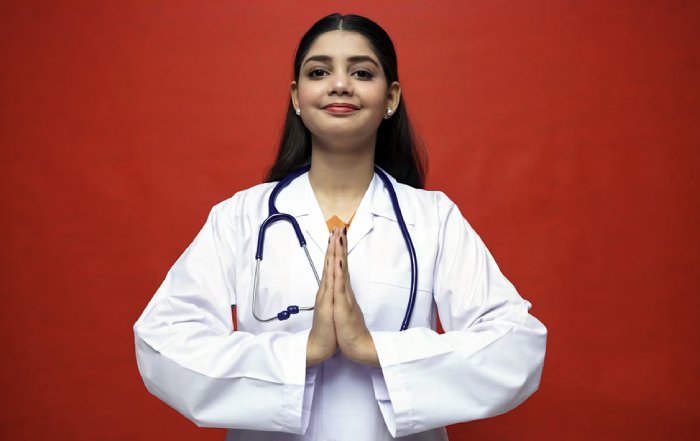
Wellness Education and the Careers of Tomorrow
The Global Rise of Wellness as a Strategic Economic Force
By 2026, wellness has moved far beyond a niche lifestyle trend and has become a central pillar of economic strategy, workforce planning, and personal development across the world. Governments, investors, and consumers in regions as diverse as the United States, Germany, Singapore, and South Africa now recognize that health and wellbeing are not merely private concerns but powerful drivers of productivity, innovation, and social resilience. According to the Global Wellness Institute, the global wellness economy has grown into a multi-trillion-dollar sector encompassing spa and salon services, fitness, nutrition, mental health, workplace wellbeing, and sustainable living. Learn more about how the wellness economy is reshaping global markets at the Global Wellness Institute.
Within this transformation, wellness education has emerged as a critical bridge between rapidly evolving consumer expectations and the need for a skilled, credible workforce. At the same time, organizations such as the World Health Organization continue to highlight the burden of chronic disease, mental health challenges, and lifestyle-related conditions, particularly in urbanized and aging societies from North America to Asia. Explore the latest global health data at the World Health Organization. This dual reality-rising wellness aspirations alongside persistent health risks-creates both urgency and opportunity for a new generation of professionals who can integrate science, empathy, and innovation into their careers.
For QikSpa, which sits at the intersection of spa and salon, lifestyle, beauty, health, and business, this moment is especially significant. As readers explore dedicated sections such as spa and salon, wellness, and careers, it becomes clear that the future of wellness is not only about individual self-care but also about building robust, trusted career paths that can sustain long-term economic and social value.
Defining Wellness Education in 2026
Wellness education in 2026 is no longer confined to short courses on relaxation techniques or surface-level nutrition advice. It has evolved into a multidimensional field that integrates evidence-based health science, behavioral psychology, digital literacy, cultural competence, and sustainable business practices. Leading institutions, such as Harvard T.H. Chan School of Public Health, now offer advanced programs in lifestyle medicine, population health, and behavioral change that inform many modern wellness curricula. Readers can explore how lifestyle interventions are reshaping health outcomes at the Harvard T.H. Chan School of Public Health.
The most credible wellness education programs today emphasize rigorous standards, aligning their content with peer-reviewed research, ethical guidelines, and global frameworks such as the United Nations Sustainable Development Goals. Learn more about how wellness intersects with sustainability and social impact at the United Nations SDGs portal. This alignment ensures that future wellness professionals are not only skilled in techniques such as yoga, spa therapies, or fitness coaching but are also capable of understanding public health context, systemic inequalities, environmental impact, and the role of technology in shaping behavior.
For an audience that spans the United States, the United Kingdom, Germany, Canada, Australia, and rapidly growing markets across Asia, Europe, and Africa, the definition of wellness education must be inclusive and globally aware. It must account for cultural nuances in beauty standards, dietary patterns, stressors, and healthcare systems while grounding recommendations in universal principles of safety, respect, and scientific validity. The editorial approach at QikSpa reflects this global perspective by connecting insights from international wellness trends with local realities and personal aspirations.
From Spa and Salon to Integrated Wellness Careers
The spa and salon sector has historically focused on beauty, grooming, and relaxation, but in 2026 its role has expanded into a broader wellness ecosystem that includes mental health support, personalized nutrition guidance, and preventive lifestyle coaching. Leading hospitality and spa brands, such as Six Senses Hotels Resorts Spas and Four Seasons Hotels and Resorts, demonstrate how integrated wellness programming can elevate guest experiences and create new career pathways for therapists, aestheticians, nutrition advisors, and fitness experts. Explore how luxury hospitality is redefining wellness at Six Senses and Four Seasons.
For professionals entering or advancing within the spa and salon world, foundational technical skills remain essential; however, employers and clients now look for deeper expertise in areas such as stress management, sleep hygiene, holistic skincare, and safe use of emerging technologies like LED therapy and non-invasive aesthetic devices. Readers who engage with the spa and salon and beauty sections at QikSpa will notice a strong emphasis on evidence-based treatments, ethical product sourcing, and long-term skin and hair health rather than purely cosmetic outcomes.
This shift creates opportunities for hybrid careers that combine traditional roles with advanced wellness competencies. A licensed massage therapist may evolve into a stress resilience specialist, integrating breathing techniques, ergonomic coaching, and digital mindfulness tools. A salon professional may become a scalp and hair health educator, collaborating with dermatologists and nutritionists. As the International Spa Association (ISPA) notes, consumer demand for education and transparency is driving spas and salons to provide more in-depth consultations and ongoing care plans rather than one-off services. Learn more about evolving spa industry standards at the International Spa Association.
Lifestyle, Nutrition, and the Science of Everyday Choices
Lifestyle and nutrition sit at the heart of the wellness revolution, as individuals across North America, Europe, Asia, and beyond seek practical ways to manage stress, maintain energy, and prevent chronic disease. Modern wellness education must therefore equip professionals with a nuanced understanding of how sleep, movement, social connection, digital habits, and food choices interact over time to shape physical and mental health. Reliable organizations such as the World Heart Federation and American Heart Association emphasize that diet, physical activity, and smoking cessation remain critical levers in reducing cardiovascular risk, which continues to be a leading cause of death worldwide. Explore global cardiovascular health insights at the World Heart Federation and the American Heart Association.
For readers of QikSpa, the food and nutrition and lifestyle sections provide accessible yet trustworthy guidance on topics such as plant-forward diets, mindful eating, hydration, and the cultural dimensions of food. Wellness education programs that align with these perspectives do not promote extreme or untested diets; instead, they teach professionals to interpret reputable guidelines, like those published by Dietary Guidelines for Americans or equivalent authorities in Europe and Asia, and to adapt them respectfully to individual preferences, religious practices, and regional cuisines. Learn more about evidence-based nutrition frameworks at the Dietary Guidelines for Americans.
In this context, careers in nutrition and lifestyle coaching must be grounded in clear ethical boundaries and regulatory awareness. In many jurisdictions, only licensed dietitians or nutritionists can provide medical nutrition therapy, while health coaches and wellness consultants focus on habit-building, motivation, and practical implementation of general recommendations. This division of responsibility, reinforced by organizations such as the Academy of Nutrition and Dietetics, helps protect consumers and uphold professional trust. Readers can explore professional nutrition standards at the Academy of Nutrition and Dietetics.
The Convergence of Fitness, Yoga, and Mental Wellbeing
The global fitness and yoga sectors have undergone a profound evolution, accelerated by digital platforms, wearable technology, and an increased focus on mental health. From Seoul to Stockholm and from New York to Melbourne, consumers now view physical activity not only as a path to aesthetic goals but as a critical tool for emotional regulation, cognitive performance, and long-term brain health. Organizations such as the American College of Sports Medicine (ACSM) and World Health Organization continue to update physical activity guidelines, emphasizing the benefits of regular movement for reducing anxiety, depression, and neurodegenerative risk. Learn more about global activity recommendations at the American College of Sports Medicine.
For QikSpa, the fitness and yoga sections highlight how contemporary programs integrate strength training, mobility, breathwork, and mindfulness into cohesive routines that respect different ages, body types, and cultural backgrounds. Wellness education in this domain increasingly emphasizes trauma-informed teaching, inclusive language, and an understanding of mental health red flags that require referral to licensed professionals. This is particularly relevant in regions where stigma around mental illness remains strong, and where fitness and yoga instructors may be among the first to notice concerning changes in clients' behavior or mood.
The most forward-thinking fitness careers now intersect with technology, as professionals learn to interpret data from wearables, apps, and connected equipment while maintaining a human-centered approach. Collaboration with technology companies such as Garmin, Apple, and WHOOP has created new roles in digital coaching and remote program design, but it has also raised important questions about data privacy and algorithmic bias. Learn more about ethical considerations in digital health at the World Economic Forum. Wellness education programs that address these questions prepare graduates to harness technology responsibly, ensuring that metrics support rather than undermine holistic wellbeing.
Beauty, Fashion, and the Ethics of Self-Expression
Beauty and fashion remain powerful forces in shaping identity and confidence, but they also carry significant responsibility in terms of mental health, inclusivity, and environmental impact. The beauty industry's pivot toward skin health, diversity, and transparency has been accelerated by consumer activism and regulatory scrutiny in markets like the European Union, Canada, and the United Kingdom. Regulatory bodies such as the European Commission have tightened standards on cosmetic ingredients, testing, and labeling, while advocacy organizations push for clearer communication around safety and sustainability. Learn more about cosmetic regulation in Europe at the European Commission.
For readers of QikSpa, the beauty and fashion sections explore how brands and professionals can embrace inclusive shade ranges, age-positive messaging, and culturally sensitive styling, while also addressing the environmental footprint of packaging, textiles, and supply chains. Wellness education that touches on beauty and fashion must therefore include modules on media literacy, body image, and the psychological impact of visual culture, drawing on research from organizations like the American Psychological Association. Learn more about the psychology of appearance and wellbeing at the American Psychological Association.
In tandem, the rise of sustainable fashion and clean beauty has created new career paths in product formulation, ethical sourcing, circular design, and consumer education. Professionals who understand both aesthetics and ethics are increasingly sought after by brands in Paris, Milan, London, and Tokyo, where regulatory expectations and consumer awareness are particularly high. This convergence of style and substance reinforces the broader theme that wellness-oriented careers must integrate technical expertise with a strong moral compass and a commitment to long-term societal benefit.
Sustainable Wellness and the Planetary Dimension
By 2026, it has become impossible to discuss wellness without acknowledging the health of the planet itself. Air quality, water security, biodiversity loss, and climate-related displacement all exert profound effects on physical and mental wellbeing, especially in vulnerable communities across Asia, Africa, and South America. Organizations such as the Intergovernmental Panel on Climate Change (IPCC) and World Resources Institute provide clear evidence that environmental degradation and climate change are already influencing rates of respiratory disease, heat-related illness, and mental distress. Learn more about climate and health at the IPCC and World Resources Institute.
For QikSpa, the sustainable and travel sections highlight how eco-conscious design, responsible tourism, and green operations can enhance guest wellbeing while reducing ecological footprints. Wellness education that prepares the workforce of tomorrow must therefore include principles of sustainable business, life-cycle assessment, and regenerative practices, enabling professionals to make informed decisions about materials, energy use, and community engagement. This is particularly relevant for spa resorts, wellness retreats, and fitness centers operating in fragile ecosystems from Thailand to New Zealand.
Careers in sustainable wellness now span roles such as eco-spa consultant, regenerative hospitality designer, and sustainability officer for health and beauty brands. These roles require familiarity with international frameworks, certifications, and reporting standards, alongside practical knowledge of how to implement low-impact operations without compromising guest experience. Professionals who can translate complex environmental data into compelling narratives and actionable strategies will be especially valuable in boardrooms and policy discussions across Europe, North America, and Asia.
Women, Leadership, and Inclusive Pathways in Wellness
Women have long been central to the wellness, spa, beauty, and healthcare sectors, both as consumers and as professionals. However, leadership representation, pay equity, and access to capital have not always matched women's contributions. In recent years, organizations such as UN Women and World Economic Forum have emphasized the need for gender-responsive economic policies and leadership development, particularly in high-growth sectors like wellness and care. Learn more about global gender equality initiatives at UN Women.
Within wellness education, there is a growing focus on empowering women to build sustainable careers as entrepreneurs, executives, educators, and innovators. This includes training in financial literacy, digital marketing, negotiation, and cross-cultural leadership, alongside technical skills in health, beauty, and fitness. The women and business sections at QikSpa speak directly to this intersection, showcasing how women in cities from London to Lagos and from Toronto to Tokyo are creating new business models that prioritize community impact, flexible work, and inclusive hiring.
At the same time, inclusive wellness education must address specific health needs and social realities faced by women and gender-diverse individuals, including reproductive health, caregiving responsibilities, and exposure to gender-based violence or discrimination. Collaboration with reputable organizations such as Planned Parenthood, World Health Organization, and regional women's health networks helps ensure that curricula remain sensitive, accurate, and empowering. This integrated approach supports the development of careers that not only provide income but also contribute to safer, more equitable societies.
The Business of Wellness and the Future of Work
The expansion of wellness into mainstream business strategy has profound implications for careers across industries, from finance and technology to manufacturing and education. Corporate leaders increasingly recognize that employee wellbeing influences productivity, retention, innovation, and employer brand, prompting investment in programs that go beyond superficial perks. The World Economic Forum and OECD have documented how mental health support, flexible work arrangements, and inclusive cultures correlate with stronger economic performance and resilience. Learn more about wellbeing and productivity at the OECD.
Wellness education tailored to corporate settings now includes topics such as organizational psychology, change management, data analytics, and return-on-investment analysis for wellbeing initiatives. Professionals who can design, implement, and evaluate comprehensive wellness strategies are in demand as chief wellbeing officers, HR leaders, consultants, and program managers in multinational companies across the United States, Europe, and Asia-Pacific. The business content at QikSpa reflects this shift, highlighting how wellness has become a core component of competitive strategy rather than a peripheral benefit.
Simultaneously, the future of work is increasingly hybrid, digital, and global, meaning that wellness professionals must be comfortable operating across time zones, cultures, and platforms. Remote coaching, virtual workshops, and AI-enabled personalization are now standard features of many wellness businesses, raising the bar for digital communication skills, ethical use of data, and cross-cultural empathy. As automation transforms repetitive tasks, human-centered roles that rely on emotional intelligence, creativity, and trust-building-hallmarks of wellness professions-are likely to grow in relative importance.
Building Credible Careers: Education, Certification, and Lifelong Learning
For individuals considering a career in wellness, or for those already working in spa, beauty, fitness, or health who wish to deepen their expertise, the question of credibility is paramount. In a crowded marketplace that includes both highly trained professionals and unregulated influencers, distinguishing legitimate qualifications from superficial credentials can be challenging. Reputable universities, professional associations, and accreditation bodies play a crucial role in setting standards and protecting consumers. Organizations such as the National Board for Health & Wellness Coaching (NBHWC) and International Coaching Federation (ICF), for example, have established rigorous criteria for training and practice in coaching-related fields. Learn more about professional coaching standards at the International Coaching Federation.
Wellness education in 2026 is increasingly modular and flexible, allowing professionals to combine formal degrees, industry certifications, micro-credentials, and on-the-job learning into personalized development pathways. This reflects the reality that the wellness sector intersects with many disciplines, including psychology, nutrition, exercise science, hospitality, design, and technology. The health and careers sections at QikSpa encourage readers to approach their learning journey strategically, prioritizing programs that are transparent about their curriculum, faculty qualifications, and evidence base.
Lifelong learning is particularly important in wellness because scientific understanding, regulatory frameworks, and consumer expectations continue to evolve. Professionals must stay informed about new research on topics such as microbiome health, sleep science, digital addiction, and environmental toxins, while also refining their interpersonal skills and cultural awareness. Trusted sources such as the National Institutes of Health (NIH) and Mayo Clinic provide accessible updates on medical and lifestyle research that can inform practice. Explore current health research at the National Institutes of Health and Mayo Clinic.
A Personal Future: How QikSpa Connects Education, Lifestyle, and Work
As wellness becomes a defining feature of economies and societies from Brazil to Japan and from Norway to South Africa, individuals are seeking not only healthier lifestyles but also meaningful, future-proof careers that align with their values. QikSpa occupies a unique position in this landscape by curating insights that span wellness, lifestyle, fitness, travel, and business, while always returning to the central question of how knowledge can be translated into practice.
For readers in the United States or Canada contemplating a transition from a corporate role into wellness entrepreneurship, for professionals in Germany or the Netherlands seeking to integrate sustainability into spa operations, for practitioners in Singapore or Japan looking to combine traditional modalities with modern science, or for students in South Africa or Brazil exploring global career paths, the future of wellness education offers both challenge and promise. It demands a commitment to evidence, ethics, and empathy, but it also opens doors to work that is deeply human, internationally relevant, and personally fulfilling.
By engaging with the resources, perspectives, and stories shared across QikSpa, readers can begin to map their own path through this evolving landscape, identifying the skills, partnerships, and learning experiences that will shape their careers in the years ahead. In doing so, they contribute not only to their own wellbeing but also to a broader global movement that recognizes health, beauty, sustainability, and dignity as interconnected foundations of a thriving future.
