
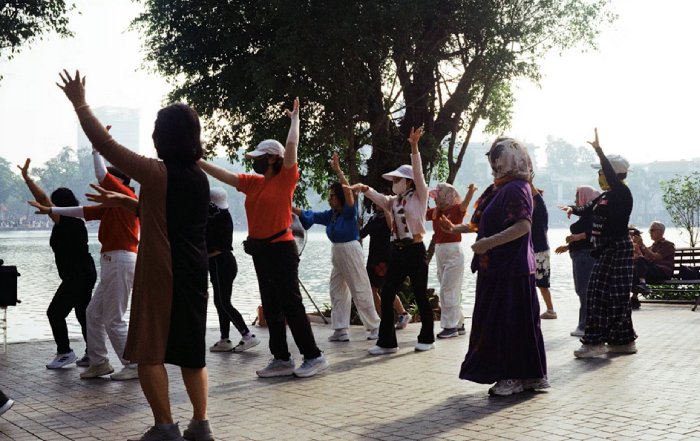
The Growth of Wellness Communities Across Continents
Wellness in 2026: From Individual Trend to Global Movement
By 2026, wellness has evolved from a personal lifestyle aspiration into a global socio-economic force that is reshaping how people live, work, travel, and build community. What began as fragmented trends in spa culture, boutique fitness, and mindfulness has matured into interconnected wellness ecosystems that span continents and cultures. In this environment, QikSpa positions itself not merely as an observer but as a digital hub where spa and salon experiences, holistic lifestyle choices, and forward-looking business models converge into a coherent vision of modern wellbeing.
This transformation is visible in the rapid expansion of wellness communities-both physical and digital-across North America, Europe, Asia-Pacific, Africa, and South America, with each region integrating local traditions, economic realities, and technological advances into its own version of what it means to live well. As global data from organizations such as the Global Wellness Institute and the World Health Organization demonstrate, wellness is now a core component of public health strategies, corporate agendas, and consumer expectations, and it is increasingly understood as a multi-dimensional concept that includes physical, mental, social, financial, and environmental dimensions.
For readers navigating spa and salon choices, evolving lifestyle expectations, and the business implications of this shift, QikSpa provides a curated vantage point, connecting insights across spa and salon, lifestyle, beauty, health, and wellness to decode how wellness communities are forming and why they matter.
From Day Spas to Integrated Wellness Communities
The contemporary wellness community has roots in long-standing cultural practices-European thermal baths, Japanese onsen, Scandinavian sauna traditions, Indian Ayurveda, and Chinese medicine-but the modern iteration is more comprehensive and interconnected than ever before. In the 1990s and early 2000s, wellness was often associated with luxury day spas, beauty treatments, and gym memberships. By contrast, communities emerging in 2026 integrate spa and salon services with fitness, mental health support, nutrition education, and social connection, reflecting a more holistic and preventive approach to wellbeing.
Research from institutions such as Harvard T.H. Chan School of Public Health has underscored the long-term benefits of lifestyle interventions on chronic disease prevention, which in turn has encouraged governments, employers, and investors to view wellness communities as strategic assets rather than discretionary indulgences. Urban developments incorporating wellness amenities in cities from New York and Toronto to London, Berlin, Singapore, and Sydney now routinely feature integrated spas, meditation spaces, healthy food offerings, and communal fitness zones, creating environments where residents and visitors can build sustainable wellbeing practices into daily life rather than treating wellness as an occasional retreat.
For QikSpa, this evolution is central to its mission. The platform's focus on fitness, food and nutrition, and yoga, alongside beauty and spa content, reflects the reality that consumers increasingly expect guidance that connects these elements into a single, coherent lifestyle rather than treating each dimension in isolation.
Digital Platforms as the New Wellness Commons
The rise of wellness communities has been accelerated by digital technology, particularly in the wake of global disruptions earlier in the decade that normalized remote work, virtual events, and telehealth. Platforms offering on-demand classes, meditation sessions, and coaching services have transformed the way individuals access expertise, while social media and online forums have become powerful spaces for community formation and peer support.
Global technology leaders such as Apple and Google have expanded their health and wellbeing ecosystems, integrating fitness tracking, mindfulness prompts, and health analytics into everyday devices, while specialized platforms connect users with wellness professionals across borders. At the same time, regulatory guidance from organizations like the U.S. Food and Drug Administration and the European Medicines Agency has shaped the boundaries between wellness apps and regulated medical devices, influencing how far digital communities can extend into diagnostic and therapeutic territory.
In this environment, QikSpa functions as a curated gateway rather than a generic marketplace. By highlighting credible, experience-based perspectives and emphasizing Experience, Expertise, Authoritativeness, and Trustworthiness (EEAT), the platform offers readers a way to navigate the overwhelming volume of wellness content online. Its sections dedicated to business, careers, and international topics help entrepreneurs, professionals, and globally mobile individuals understand not only how to participate in wellness communities as consumers but also how to build sustainable ventures and careers within them.
Regional Perspectives: Wellness Communities Across Continents
North America: Hybrid Models and Corporate Integration
In the United States and Canada, wellness communities in 2026 are characterized by hybrid physical-digital models and deep integration with corporate life. Major metropolitan centers such as New York, Los Angeles, Toronto, and Vancouver host multi-use wellness hubs combining spa services, boutique fitness studios, coworking spaces, and healthy dining. Research from the U.S. Centers for Disease Control and Prevention and the Public Health Agency of Canada has driven a greater emphasis on preventive health, mental wellbeing, and workplace wellness, prompting employers to invest in community partnerships with local wellness providers.
Corporate wellness programs have expanded beyond gym subsidies to include mindfulness training, nutrition coaching, and mental health support, often delivered through digital platforms that connect employees across locations. These initiatives have encouraged the growth of regional wellness ecosystems in states like California, Colorado, and Massachusetts, and provinces such as British Columbia and Ontario, where local businesses collaborate with healthcare providers and community organizations to create inclusive wellness offerings. For QikSpa, whose readership includes business leaders and professionals in North America, this integration of wellness into corporate culture underscores the importance of understanding wellness not only as a personal priority but also as a strategic business consideration.
Europe: Tradition, Regulation, and Sustainable Wellness
Europe's wellness communities draw heavily on longstanding traditions of balneotherapy, spa culture, and outdoor living while operating within some of the world's most robust regulatory and sustainability frameworks. Countries such as Germany, Switzerland, and Austria have long integrated medical and wellness services in spa towns, while Italy, Spain, France, the Netherlands, and the Nordic countries have developed distinctive approaches that combine thermal waters, saunas, and nature-based experiences with contemporary fitness and beauty services.
The European Commission and national health authorities have emphasized preventive care, mental health, and healthy aging, which has encouraged municipalities and private developers to incorporate wellness infrastructure into urban and regional planning. At the same time, Europe's leadership in environmental regulation and climate policy, supported by organizations such as the European Environment Agency, has pushed wellness businesses to adopt sustainable practices, from energy-efficient spa facilities to low-impact product sourcing and responsible tourism models. Learn more about sustainable business practices through leading international frameworks that now influence wellness entrepreneurs worldwide.
For QikSpa, which offers dedicated content on sustainability and travel, this European emphasis on responsible, nature-connected wellness aligns closely with the interests of readers who seek experiences that support both personal wellbeing and environmental stewardship. Coverage of spa and salon innovations in the United Kingdom, Germany, Scandinavia, and Southern Europe helps global audiences understand how regulatory standards and consumer expectations are shaping the next generation of wellness communities.
Asia-Pacific: Tradition Meets Innovation
Asia-Pacific has emerged as one of the most dynamic regions for wellness communities, blending ancient traditions with cutting-edge technology and hospitality innovation. In countries such as Japan, South Korea, Thailand, Singapore, China, and Malaysia, wellness ecosystems draw on practices including onsen bathing, herbal medicine, traditional massage, meditation, and martial arts, while integrating contemporary fitness, dermatology, and beauty technology.
Japan's onsen towns and wellness-focused ryokan have increasingly positioned themselves as destinations for stress relief and digital detox, while South Korea's global leadership in skincare and beauty has given rise to wellness communities centered on advanced aesthetic treatments and holistic self-care. Thailand and Bali have become international hubs for yoga, meditation, and detox retreats, attracting visitors from Europe, North America, and across Asia who seek immersive experiences that combine spiritual practice, spa therapies, and healthy cuisine. Singapore's wellness scene, meanwhile, reflects the city-state's broader emphasis on innovation and healthcare excellence, with integrated medical-wellness centers and high-tech fitness communities.
Regional institutions such as the World Bank and the Asian Development Bank have highlighted the economic potential of wellness tourism and preventive health initiatives across Asia, encouraging governments to support infrastructure and policy frameworks that enable inclusive wellness access. For QikSpa, which speaks to an audience interested in both Asia and global trends, this convergence of tradition and innovation offers rich insights into how wellness communities can honor cultural heritage while embracing new technologies and business models.
Middle East and Africa: Emerging Ecosystems and Regional Hubs
In Africa and the Middle East, wellness communities are at varying stages of development, but the trajectory is increasingly visible. Countries such as South Africa, the United Arab Emirates, Morocco, and Kenya are emerging as regional hubs where spa resorts, safari lodges, urban wellness centers, and medical tourism facilities intersect. South Africa's wellness communities often integrate nature-based experiences, vineyard retreats, and outdoor fitness with spa services, while the UAE's developments in Dubai and Abu Dhabi showcase luxury wellness offerings that combine high-end spa, beauty, and fitness services with advanced medical and aesthetic care.
Organizations such as the World Tourism Organization (UNWTO) and regional investment agencies have recognized the potential of wellness tourism to support economic diversification and local employment, particularly in areas where natural assets such as coastlines, mountains, and wildlife reserves can be leveraged for sustainable wellness experiences. At the same time, public health initiatives across Africa, supported by entities like the Africa Centres for Disease Control and Prevention, are increasingly incorporating community-based wellness education and preventive care, laying the groundwork for more inclusive wellness communities that extend beyond luxury segments.
For QikSpa, whose audience spans Africa, Europe, Asia, and the Americas, these emerging ecosystems illustrate how wellness can contribute to broader social and economic development, especially when aligned with sustainable practices and local cultural contexts.
Latin America: Nature, Culture, and Community
Latin America's wellness communities, particularly in Brazil and other South American countries, are shaped by a deep connection to nature, vibrant local cultures, and a growing commitment to sustainable development. Brazil's coastal retreats, rainforest lodges, and urban wellness centers in cities are increasingly integrating spa therapies, fitness, and nutrition with environmental education and community engagement.
Regional initiatives supported by institutions like the Pan American Health Organization emphasize the importance of lifestyle-related disease prevention, mental health, and social determinants of health, encouraging local governments and private organizations to develop wellness programs and facilities that address both physical and social wellbeing. From yoga communities in Costa Rica to eco-wellness resorts in the Andes, Latin America is demonstrating how wellness can be woven into community life, tourism, and environmental conservation efforts.
For readers of QikSpa, particularly those interested in travel, sustainable living, and cross-cultural wellness experiences, Latin America offers compelling examples of how wellness communities can foster both personal transformation and positive local impact.
Women, Leadership, and Inclusive Wellness Communities
Across all regions, women have been central to the growth of wellness communities as consumers, entrepreneurs, practitioners, and thought leaders. From founders of boutique fitness and spa brands in the United States and Europe to yoga teachers, nutrition experts, and holistic therapists in India, Thailand, Brazil, and South Africa, women's leadership has shaped the tone, priorities, and values of the global wellness movement.
Organizations such as UN Women and the International Labour Organization have highlighted both the opportunities and challenges women face in wellness-related sectors, including issues of fair pay, career progression, and work-life integration. As wellness businesses expand, the need for inclusive policies, safe workplaces, and equitable representation in leadership becomes more pronounced. Wellness communities that intentionally create space for women's voices, support female entrepreneurship, and address gender-specific health and wellbeing needs are increasingly seen as models of best practice.
On QikSpa, the dedicated focus on women and careers within the wellness, beauty, and lifestyle industries reflects a commitment to highlighting women's contributions and providing resources that support their professional growth. By showcasing case studies, expert interviews, and practical insights, the platform helps readers understand how women are redefining leadership in wellness and how organizations can build more inclusive communities.
The Business of Wellness Communities: Strategy, Investment, and Innovation
The commercial dimension of wellness communities has expanded significantly, attracting investors, developers, and entrepreneurs who recognize the sector's resilience and growth potential. According to global market analyses from institutions such as McKinsey & Company and Deloitte, consumer spending on wellness continues to outpace many traditional sectors, driven by rising health awareness, demographic shifts, and the integration of wellness into travel, real estate, and technology.
Wellness communities are now embedded in mixed-use real estate developments, hospitality portfolios, corporate campuses, and digital platforms. Investors evaluate projects based not only on immediate profitability but also on long-term alignment with health trends, environmental sustainability, and social impact. For spa and salon owners, fitness entrepreneurs, and wellness professionals, this environment presents both opportunities and competitive pressures. Differentiation increasingly depends on credible expertise, transparent communication, and the ability to deliver consistent, evidence-informed outcomes rather than relying solely on aesthetics or branding.
QikSpa's business section and careers hub address these dynamics directly, offering guidance on topics such as brand positioning, customer experience, operational excellence, and cross-border expansion. By connecting business strategy to the lived realities of spa, beauty, wellness, and lifestyle professionals, the platform helps readers navigate the evolving marketplace with clarity and confidence.
Science, Safety, and Trust in a Saturated Market
As wellness communities proliferate, the need for rigorous standards, scientific grounding, and transparent communication has become critical. Consumers in 2026 are more informed and discerning, frequently consulting reputable sources such as the Mayo Clinic and the National Institutes of Health when evaluating wellness claims, products, and services. At the same time, misinformation and exaggerated promises remain a concern, particularly in areas where wellness intersects with nutrition, supplements, mental health, and "biohacking" practices.
Regulators in the United States, Europe, and Asia have increased scrutiny of health-related marketing, while professional associations and accreditation bodies have strengthened guidelines for practitioners in fields such as massage therapy, nutrition counseling, yoga instruction, and aesthetic treatments. This environment places a premium on EEAT-Experience, Expertise, Authoritativeness, and Trustworthiness-as a differentiator for wellness communities and content platforms.
For QikSpa, trust is built through careful curation of topics, emphasis on qualified perspectives, and alignment with reputable external resources. By directing readers to credible health information while also exploring emerging trends in health, fitness, and beauty, the platform helps its audience make informed decisions in a complex marketplace.
Travel, Mobility, and the Rise of Wellness Tourism
Wellness communities are increasingly mobile, extending beyond local neighborhoods to global travel networks. Wellness tourism-travel undertaken with the primary or secondary purpose of improving health and wellbeing-has become one of the fastest-growing segments of the travel industry, as documented by organizations such as the World Travel & Tourism Council. From destination spas in the United States and Europe to yoga retreats in Thailand and Costa Rica, from medical-wellness resorts in Germany and Switzerland to eco-wellness lodges in New Zealand and South Africa, travelers are seeking experiences that combine rest, rejuvenation, learning, and cultural immersion.
This trend is reshaping how hospitality brands design properties, how airlines and travel agencies package experiences, and how cities and regions market themselves to international visitors. It also highlights the importance of responsible travel practices that respect local communities, protect natural environments, and ensure equitable economic benefits. For globally minded readers of QikSpa, the intersection of travel, wellness, and sustainability is a key area of interest, informing choices about where to go, what to experience, and how to contribute positively to host destinations.
Looking Ahead: The Future of Wellness Communities and QikSpa's Role
As wellness communities continue to grow across continents, several trends are likely to define the next phase of development. First, the integration of mental and emotional wellbeing into all aspects of wellness offerings will deepen, driven by ongoing research and societal recognition of the importance of psychological resilience. Second, personalization powered by data, wearable technology, and AI-driven insights will enable more tailored wellness journeys, while raising important questions about privacy, ethics, and equitable access. Third, the convergence of wellness with environmental, social, and governance (ESG) priorities will push organizations to demonstrate not only personal benefits but also positive societal impact.
In this context, QikSpa is positioned as a trusted companion for individuals and organizations navigating an increasingly complex wellness landscape. By connecting spa and salon experiences with broader themes in lifestyle, fashion, yoga, fitness, and global business, the platform reflects the reality that wellness is no longer a niche interest but a central pillar of modern life and work.
For readers across the United States, United Kingdom, Germany, Canada, Australia, France, Italy, Spain, the Netherlands, Switzerland, China, Sweden, Norway, Singapore, Denmark, South Korea, Japan, Thailand, Finland, South Africa, Brazil, Malaysia, New Zealand, and beyond, the growth of wellness communities represents both an opportunity and a responsibility. The opportunity lies in the ability to participate in richer, more supportive networks that foster long-term wellbeing; the responsibility lies in choosing and building communities that are inclusive, evidence-informed, environmentally responsible, and grounded in genuine care.
From its global vantage point at QikSpa.com, QikSpa will continue to chronicle this evolution, providing business leaders, wellness professionals, and engaged consumers with the insights they need to make informed decisions, cultivate meaningful experiences, and contribute to the next generation of wellness communities across continents.
