
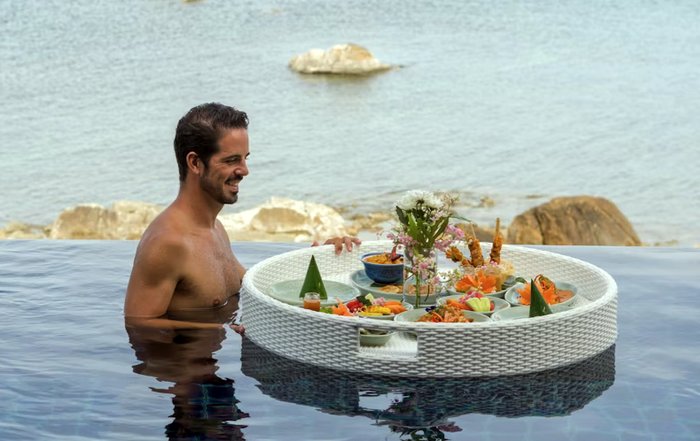
Inside the World's Most Relaxing Destination Spas in 2026
The New Era of Destination Spas
By 2026, destination spas have evolved from discreet luxury retreats into strategic hubs for health, performance, and sustainable living, reflecting a global shift in how individuals and organizations perceive rest, recovery, and long-term wellbeing. No longer framed as indulgent escapes reserved for a privileged few, the world's most relaxing destination spas now function as integrated wellness ecosystems where evidence-based medicine, advanced fitness, mindfulness, nutrition science, and regenerative hospitality converge, serving guests from the United States, United Kingdom, Germany, Canada, Australia, France, Italy, Spain, Netherlands, Switzerland, China, Japan, Singapore, and beyond. Within this context, QikSpa positions itself as a trusted guide, curating and interpreting this global landscape for discerning readers interested in spa and salon culture, wellness, business strategy, and the future of lifestyle-oriented travel.
The most advanced destination spas now operate at the intersection of hospitality and health, often collaborating with leading medical institutions, performance laboratories, and research organizations, while also responding to heightened consumer expectations for transparency, personalization, and measurable outcomes. In markets from North America to Europe, Asia, Africa, and South America, executives, entrepreneurs, and professionals are increasingly seeking retreats that deliver not only relaxation but also tangible improvements in sleep, metabolic health, mental clarity, and resilience, informed by research from organizations such as the World Health Organization and Harvard T.H. Chan School of Public Health.
For readers of QikSpa, this transformation matters deeply, because it redefines what "relaxation" means in a high-pressure, always-connected world, and it reveals how carefully designed spa experiences can support long-term performance, leadership, and quality of life.
Defining a Destination Spa in 2026
A destination spa in 2026 is best understood as a purpose-built environment where every element-from architecture and landscaping to cuisine, programming, and digital policies-is designed to move guests toward a clearly articulated health and wellbeing outcome. Unlike conventional resorts that simply offer spa facilities as an amenity, destination spas embed wellness into the core value proposition, aligning treatments, movement, sleep environments, and nutrition with evidence-based protocols drawn from organizations such as the Mayo Clinic and Cleveland Clinic.
These properties, whether in the mountains of Switzerland, the coasts of Australia, the forests of Japan, or the islands of Thailand, typically require guests to stay multiple nights, often encouraging structured programs that combine daily consultations, fitness sessions, spa rituals, and educational workshops. Increasingly, they also incorporate digital detox strategies to counteract the cognitive overload documented by institutions like Stanford Medicine and MIT, creating spaces where deep rest and mental clarity can emerge.
For QikSpa readers who follow lifestyle and health trends, this distinction is crucial, because it highlights why certain properties consistently deliver profound, lasting benefits, while others remain surface-level experiences focused mainly on pampering.
Global Trends Shaping the World's Most Relaxing Spas
In 2026, several converging trends shape the design and operation of the world's most relaxing destination spas, reflecting shifts in consumer behavior, scientific understanding, and global business dynamics.
First, there is an unmistakable move toward personalization, driven by advances in wearable technology, biomarker testing, and data analytics. Many leading spas now integrate insights from devices validated by organizations such as the National Institutes of Health or research partners in Germany, Sweden, and South Korea, using heart rate variability, sleep staging, and metabolic markers to tailor programs that adjust in real time. Guests no longer simply book a massage; they undergo comprehensive assessments that inform sleep protocols, movement prescriptions, breathwork, and even the timing and intensity of treatments.
Second, mental health has become a central focus rather than a secondary benefit. Inspired by research from bodies like the American Psychological Association and UK mental health charities, destination spas now offer structured stress-reduction programs, trauma-informed bodywork, and mindfulness training rooted in contemplative traditions from Asia, particularly Japan, Thailand, and China, while also drawing on cognitive-behavioral and acceptance-based approaches. For high-performing professionals, this mental reset is often the primary reason for travel, complementing traditional goals such as detoxification or weight management.
Third, sustainability is no longer optional. Properties that aspire to be among the world's most relaxing must also be among the most responsible, aligning with frameworks promoted by organizations such as the United Nations Environment Programme and the Global Wellness Institute. From regenerative landscaping and low-impact architecture to circular water systems and plant-forward gastronomy, destination spas are now evaluated not only on guest experience but also on their ecological footprint, a theme that resonates strongly with readers exploring sustainable living and conscious travel on QikSpa.
Architecture, Nature, and the Science of Calm
The most relaxing destination spas in 2026 demonstrate a sophisticated understanding of how built environments influence the nervous system, drawing on fields such as environmental psychology, biophilic design, and circadian science. Architects and designers collaborate with neuroscientists and sleep specialists, often referencing research from institutions like University College London or ETH Zurich, to create spaces that subconsciously signal safety, quiet, and restoration.
Natural materials, soft acoustics, and carefully choreographed lighting are now standard, with many properties using dynamic lighting systems that mimic natural daylight patterns to support circadian alignment, a practice informed by findings published by the National Sleep Foundation. Floor-to-ceiling glazing frames mountains, forests, lakes, or oceans, not only for aesthetic reasons but also to leverage the documented benefits of nature exposure on stress reduction and cognitive function. In regions such as Scandinavia, Canada, and New Zealand, cold-water immersion circuits, saunas, and thermal journeys are often integrated into the landscape itself, blurring the line between spa and wilderness.
For QikSpa readers interested in travel and fitness, this architectural approach underscores a key insight: the most relaxing spas are not defined solely by what happens in treatment rooms, but by the total sensory choreography of arrival, movement, rest, and transition, from the first step onto the property to the final departure.
Signature Treatments and Rituals Across Regions
While the underlying principles of relaxation may be universal, the world's top destination spas express them through regionally distinctive therapies and rituals that reflect local culture, resources, and medical traditions. In Japan, for instance, onsen culture and the contemplative practice of forest bathing, or shinrin-yoku, inform spa programs that emphasize quiet immersion in nature, minimalism, and mindful presence, often drawing on research from the Japanese Society of Forest Medicine. In Thailand, traditional Thai massage, herbal compresses, and Buddhist-inspired meditation practices remain core, while in Italy and Spain, thermal waters, vinotherapy, and Mediterranean diet principles are woven into holistic programs.
In North America, particularly the United States and Canada, there is a strong emphasis on integrative medicine, with some destination spas partnering with functional medicine practitioners and nutrition scientists to deliver programs that address inflammation, metabolic health, and hormonal balance, taking cues from thought leaders associated with organizations like the Institute for Functional Medicine. In Germany and Switzerland, medical spas often integrate diagnostics, physiotherapy, and supervised fasting or metabolic resets, reflecting a long tradition of kurhaus culture and health-focused retreats.
For readers tracking beauty and spa and salon innovation on QikSpa, it is notable that advanced aesthetic treatments now coexist with deeply traditional practices, from Ayurvedic therapies in India to hammam rituals in Morocco and Turkey, providing a spectrum that spans high-tech to ancestral, often within the same property.
Nutrition, Culinary Wellness, and Food as Therapy
Nutrition has emerged as a central pillar of destination spa programming, informed by growing evidence linking dietary patterns to longevity, mental health, and chronic disease prevention. The most respected properties now treat cuisine as a form of therapeutic intervention rather than mere indulgence, drawing on frameworks such as the Mediterranean diet, plant-forward gastronomy, and precision nutrition, often referencing research from sources like the EAT Foundation and the Harvard School of Public Health's nutrition resources.
Menus increasingly emphasize seasonal, locally sourced ingredients, minimal processing, and diverse plant fibers to support gut health, with chefs collaborating closely with dietitians, microbiome researchers, and physicians. Fermented foods, adaptogenic herbs, and functional beverages are common, while ultra-processed products are avoided. In some European and Asian spas, personalized meal plans are generated based on metabolic testing or microbiome analysis, aligning with the broader trend toward individualized health strategies.
For the QikSpa audience exploring food and nutrition, these culinary programs illustrate how destination spas are becoming living laboratories for future-forward eating patterns, where guests can experience, rather than merely read about, approaches that support energy, cognitive performance, and healthy aging.
Mindfulness, Yoga, and the Psychology of Deep Rest
The psychological dimension of relaxation has never been more central to spa design than in 2026, as the long-term effects of digital overload, geopolitical uncertainty, and economic volatility continue to manifest in rising rates of burnout and anxiety across Global markets. Leading destination spas respond by integrating mindfulness-based stress reduction, contemplative practices, and structured digital sabbaticals into their core offerings, often drawing on methodologies validated by institutions such as UCLA's Mindful Awareness Research Center and Oxford Mindfulness Foundation.
Yoga, in its many expressions-from restorative and yin to vinyasa and therapeutic modalities-is now a foundational pillar of many programs worldwide, with properties in India, Bali, Thailand, and Costa Rica particularly renowned for depth of practice. Breathwork, somatic practices, and guided relaxation techniques are used systematically to shift the nervous system from sympathetic activation to parasympathetic dominance, enabling the kind of deep rest that modern professionals rarely access in daily life.
For readers engaging with yoga and wellness content on QikSpa, this emphasis underscores a critical point: in the world's most relaxing destination spas, mental and emotional reset is not incidental; it is a carefully designed outcome supported by trained facilitators, evidence-based curricula, and environments that reduce cognitive noise.
Women, Leadership, and High-Performance Recovery
A notable development in the destination spa landscape is the rise of programs specifically designed for women leaders, entrepreneurs, and professionals, reflecting both demographic shifts and a deeper understanding of gender-specific health needs. Spas in North America, Europe, and Asia now offer retreats focused on hormonal health, perimenopause and menopause support, fertility, and stress resilience, often in collaboration with endocrinologists and women's health specialists aligned with organizations such as the North American Menopause Society and the World Association of Girl Guides and Girl Scouts for leadership-focused initiatives.
These programs address not only physical wellbeing but also the psychological and social dimensions of leadership, offering structured time for reflection, peer connection, and strategic thinking away from the demands of daily life. Executive coaching, leadership labs, and workshops on sustainable success are integrated into spa itineraries, positioning these retreats as catalysts for both personal and professional transformation.
For QikSpa readers following women's issues, careers, and business, this trend highlights how destination spas are becoming strategic tools in talent retention, executive development, and organizational wellbeing strategies, particularly in industries where burnout and attrition among high-potential women remain pressing concerns.
Sustainable Luxury and Regenerative Hospitality
The world's most relaxing destination spas increasingly understand that true relaxation is incompatible with environmental degradation or social harm, and that conscious guests from regions such as Scandinavia, Germany, Netherlands, and New Zealand are scrutinizing sustainability claims with growing sophistication. As a result, leading properties are moving beyond basic "green" initiatives toward regenerative hospitality models that actively restore ecosystems and support local communities, aligning with principles promoted by organizations like the Ellen MacArthur Foundation and the World Travel & Tourism Council.
This shift manifests in diverse ways, from rewilding projects and biodiversity corridors on spa grounds to partnerships with local farmers, artisans, and wellness practitioners that preserve cultural heritage and create inclusive economic opportunities. Energy systems prioritize renewables, water is recycled and carefully managed, and materials are sourced with full lifecycle impacts in mind. Guests are often invited into this narrative, learning how their stay contributes to conservation or community development, transforming relaxation into a form of engaged, values-aligned travel.
For readers exploring sustainability and international perspectives on QikSpa, this evolution signals that the future of luxury is inseparable from responsibility, and that the most desirable spas will be those that can demonstrate measurable positive impact alongside exquisite guest experiences.
Fashion, Aesthetics, and the Culture of Wellness
Destination spas in 2026 are not only health laboratories but also cultural trendsetters, influencing fashion, beauty, and lifestyle aesthetics across Global markets. The rise of "wellness wear"-garments designed for comfort, breathability, and movement-has been accelerated by collaborations between spas and brands in France, Italy, United Kingdom, and South Korea, where design houses integrate performance fabrics and ergonomic tailoring into resort collections. These collaborations often prioritize sustainable materials and circular design principles, mirroring broader industry shifts documented by platforms like the Business of Fashion.
In the realm of beauty, destination spas continue to shape preferences toward skin health rather than surface glamour, emphasizing barrier repair, sun protection, and microbiome-friendly formulations, often informed by dermatological research from institutions such as the American Academy of Dermatology. Treatments combine advanced technologies-such as LED therapy, non-invasive contouring, and personalized skincare diagnostics-with traditional rituals that prioritize touch, presence, and sensory pleasure.
For QikSpa readers who follow fashion and beauty, these developments underscore how the aesthetics of wellness-natural textures, understated luxury, functional elegance-are increasingly shaping mainstream style, from airport attire to boardroom wardrobes.
Integrating Spa Wisdom into Everyday Life
While the world's most relaxing destination spas offer transformative experiences, their lasting value depends on how effectively guests can translate retreat insights into daily routines once they return to Texas, London, Rome, Toronto, Sydney, or any other urban center. Recognizing this, leading properties now invest heavily in post-stay support, digital coaching, and educational resources that help guests maintain new habits in movement, nutrition, sleep, and stress management, often aligning with behavior change research from institutions like Stanford Behavior Design Lab and London School of Economics.
Programs may include app-based follow-ups, virtual consultations with nutritionists or trainers, and structured 30-, 60-, or 90-day protocols designed to embed new behaviors, while corporate clients increasingly integrate these tools into broader employee wellbeing strategies. For readers of QikSpa, this emphasis on continuity reinforces a central message: the true value of a destination spa experience lies not only in the days spent on property but in the months and years of enhanced health, clarity, and resilience that follow.
Within the QikSpa ecosystem, content on fitness, health, lifestyle, and wellness serves a similar function, providing ongoing guidance and inspiration that help readers integrate spa-inspired practices into everyday life, whether or not they are currently traveling.
Strategic Implications for Businesses and Professionals
For business leaders, investors, and professionals, the rise of sophisticated destination spas carries strategic implications that extend well beyond the hospitality sector. As organizations in North America, Europe, Asia, and Africa grapple with burnout, talent retention, and the performance costs of chronic stress, destination spas are emerging as partners in corporate wellbeing strategies, leadership development, and innovation retreats. Properties that can demonstrate measurable outcomes-improved sleep, reduced stress biomarkers, enhanced cognitive performance-are particularly attractive to companies seeking evidence-based interventions rather than symbolic perks.
From a market perspective, the growth of wellness tourism, documented by entities such as the World Tourism Organization (UNWTO), signals ongoing opportunities for cross-industry collaboration, from insurance and healthcare to technology, fashion, and food. For entrepreneurs and professionals following business trends on QikSpa, understanding the dynamics of destination spas is increasingly relevant, whether as potential partners, clients, or benchmarks for experience design and customer engagement.
Moreover, the principles that underpin the world's most relaxing destination spas-holistic design, personalization, sustainability, and evidence-based care-are applicable far beyond hospitality, offering a blueprint for any organization that seeks to create environments where people can perform at their best without sacrificing health or humanity.
Looking Ahead: The Future of Relaxation
As 2026 progresses, the trajectory of destination spas points toward even deeper integration of science, technology, and human connection. Emerging modalities-from neurofeedback and psychedelics-assisted therapies (where legally and ethically regulated) to advanced sleep engineering and AI-assisted personalization-are beginning to appear in pioneering properties, often in collaboration with universities and medical centers in United States, Switzerland, Netherlands, and Israel. At the same time, there is a countervailing movement toward simplicity, silence, and analog experiences, as many guests seek respite from hyper-digitized lives.
For QikSpa, whose mission is to connect readers with meaningful insights across spa and salon, wellness, health, travel, and careers, the world's most relaxing destination spas offer a lens through which to understand broader cultural and economic shifts. They reveal how societies in Global regions are renegotiating the relationship between work and rest, consumption and responsibility, technology and presence, and they provide living examples of environments where human beings can recalibrate, recover, and reimagine what a balanced, purposeful life might look like.
Ultimately, inside the world's most relaxing destination spas, the essence of luxury in 2026 is not excess but alignment: alignment between body and mind, personal values and daily choices, individual wellbeing and planetary health. For readers seeking to navigate this evolving landscape, QikSpa stands as a trusted companion, synthesizing global expertise into actionable insight and inviting professionals, travelers, and organizations alike to consider how the principles of these remarkable places can inform not only their next retreat, but the way they choose to live and work every day.
