
Sustainable Practices Reshaping Salons and Wellness Brands in 2026
The New Era of Conscious Beauty and Wellness
By 2026, the global beauty and wellness industry has entered a decisive new phase in which sustainability is no longer a differentiator reserved for niche players but a central expectation shaping consumer choices, regulatory frameworks, and investment flows across markets from the United States and United Kingdom to Germany, Singapore, South Africa, and Brazil. In this rapidly evolving landscape, qikspa.com positions itself as a trusted guide for professionals, entrepreneurs, and discerning clients who are seeking deeper insight into how sustainable practices are transforming salons, spas, and wellness brands, and how these changes intersect with broader lifestyle, health, and business priorities.
The shift is being driven by multiple converging forces: increasingly climate-aware consumers, tightening regulations on waste and chemicals, rapid innovation in clean formulations and circular business models, and a growing body of research connecting environmental sustainability with long-term human health and wellbeing. Leading organizations such as the United Nations Environment Programme and the World Economic Forum have repeatedly highlighted the beauty and personal care sector as both a contributor to environmental degradation and a powerful lever for positive change, and this dual reality is now shaping strategic decisions in boardrooms and treatment rooms alike.
For salon owners, spa directors, wellness entrepreneurs, and investors, understanding this transformation is no longer optional. It is essential for maintaining competitiveness, earning client trust, attracting top talent, and building resilient brands that can thrive in a world where sustainability, health, and experience are inseparable.
From Trend to Standard: Why Sustainability Now Defines Salon and Spa Strategy
Over the past decade, sustainability in beauty and wellness has evolved from a marketing tagline to a core operational principle. Consumers in North America, Europe, and Asia increasingly expect their favorite brands to demonstrate measurable progress on carbon reduction, ethical sourcing, and waste minimization. Surveys from organizations such as McKinsey & Company and Deloitte have consistently shown that younger consumers, particularly in markets like the United States, Canada, Germany, and South Korea, are willing to switch brands and pay a premium for products and services that align with their environmental and social values.
At the same time, governments and regulatory bodies across the European Union, the United Kingdom, and regions of Asia-Pacific are tightening regulations around single-use plastics, chemical safety, and energy efficiency in commercial spaces. Salon and spa operators in cities from London and Paris to Sydney and Singapore are therefore not only responding to consumer demand but also preparing for stricter compliance requirements. Learn more about evolving environmental regulations and their impact on business operations through resources such as the European Commission's sustainability initiatives.
For qikspa.com, which serves an international audience interested in spa and salon innovation, lifestyle, wellness, and business strategy, this convergence of consumer expectations and regulatory pressure underscores the importance of presenting sustainability not as a moral add-on but as a strategic foundation. The most successful salon and wellness brands in 2026 are those that embed sustainable thinking into every aspect of their operations, from product selection and facility design to staff training, digital experience, and brand storytelling.
Clean Formulations and Ingredient Transparency
One of the most visible shifts in salons and wellness brands is the rapid adoption of cleaner formulations and radical ingredient transparency. Clients in markets such as the United States, United Kingdom, France, and Japan are increasingly researching ingredient lists before booking treatments or purchasing retail products, often consulting resources from organizations like the Environmental Working Group and scientific overviews from Harvard T.H. Chan School of Public Health to better understand potential health impacts.
In hair, skin, and nail services, there is a pronounced move away from harsh solvents, formaldehyde-releasing agents, and certain phthalates and parabens, toward plant-based, low-toxicity alternatives that still deliver professional performance. Brands are also investing more heavily in biotechnology-driven ingredients, such as lab-grown actives and fermentation-derived compounds that reduce pressure on biodiversity and enable more consistent quality. Learn more about the science behind green chemistry and safer cosmetic ingredients through educational content from the American Chemical Society.
For salons and spas, this transformation presents both opportunities and operational challenges. Professionals must be retrained to understand new product chemistries, adjust application techniques, and communicate clearly with clients about the benefits and limitations of sustainable formulations. qikspa.com supports this transition by curating insights for practitioners and clients in its dedicated Beauty and Health sections, helping bridge the gap between scientific innovation and everyday service delivery.
Circularity, Packaging, and Waste Reduction
Beyond ingredients, the sustainability agenda is reshaping how salons and wellness brands think about packaging and waste. The traditional model of single-use plastics, disposable accessories, and landfilled color tubes is increasingly incompatible with the expectations of environmentally conscious clients in cities from New York and Toronto to Berlin, Stockholm, and Melbourne.
Forward-looking operators are embracing refill systems, concentrated formulas, and bulk dispensers to reduce packaging waste, while also partnering with specialized recycling programs that can handle hard-to-recycle items such as hair color tubes, foils, and aerosol cans. Industry initiatives inspired by organizations like TerraCycle and guided by circular economy principles promoted by the Ellen MacArthur Foundation are gaining traction among salons that want to demonstrate concrete environmental impact.
Water usage is another critical focus area, particularly in regions facing water stress such as parts of Australia, South Africa, and Spain. High-efficiency shower heads, low-flow wash stations, and advanced filtration systems are becoming standard in high-end spas and wellness resorts, often combined with staff training to minimize unnecessary water use during treatments. For readers interested in the intersection of sustainability and everyday lifestyle habits, qikspa.com explores these themes in depth within its Sustainable and Lifestyle verticals, highlighting practical approaches that clients and professionals can adopt.
Energy, Interiors, and Biophilic Design
Sustainable salons and wellness spaces are also reimagining their physical environments, recognizing that energy efficiency, indoor air quality, and biophilic design are not only environmental considerations but key drivers of client experience and staff wellbeing. In markets such as the Netherlands, Denmark, and Finland, where green building standards are well established, many new spa and wellness projects are being designed to meet or exceed certifications such as LEED or BREEAM, integrating efficient HVAC systems, LED lighting, and smart controls to minimize energy consumption.
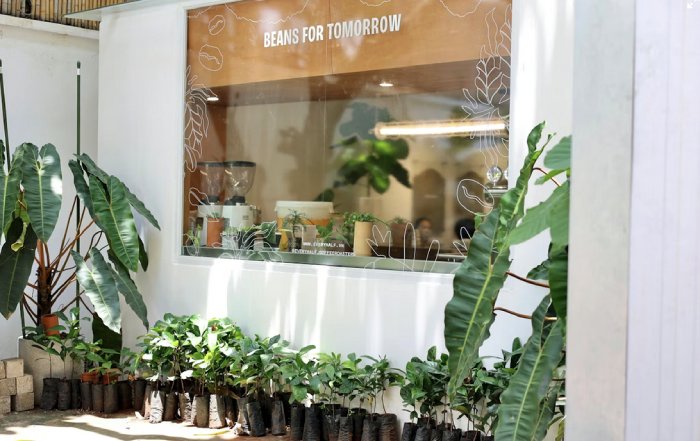
The aesthetic language of sustainable wellness design now frequently includes natural materials, low-VOC paints and finishes, and abundant greenery, all of which contribute to improved indoor air quality and a calmer, more restorative atmosphere. Research from institutions like Mayo Clinic and Cleveland Clinic has highlighted the psychological and physiological benefits of exposure to nature and natural light, and these insights are being translated into spa architecture, treatment room design, and reception experiences. Learn more about the health benefits of biophilic design and nature-connected spaces through resources from MIT's School of Architecture and Planning and similar academic centers.
For qikspa.com, which covers topics ranging from Spa and Salon to Wellness and Travel, this trend is particularly significant, as it illustrates how sustainability can deepen the emotional and sensory impact of a space, making it more memorable, shareable, and aligned with the holistic wellness aspirations of global clients.
Holistic Wellness: Connecting Sustainability, Health, and Lifestyle
Sustainable practices in salons and wellness brands are increasingly being framed not just as environmental initiatives but as integral components of holistic health strategies. Clients in markets as diverse as Italy, Japan, Singapore, and the United States are seeking experiences that integrate beauty, mental health, physical fitness, and nutrition, recognizing that long-term wellbeing depends on a balanced, environmentally conscious lifestyle.
This holistic perspective is supported by a growing body of research from organizations such as the World Health Organization and the Global Wellness Institute, which connect environmental determinants of health with chronic disease risk, mental health, and overall quality of life. Learn more about global wellness trends and their economic and social implications through reports from the Global Wellness Institute, which track the rapid growth of wellness tourism, fitness, and healthy eating across regions including Europe, Asia, and North America.
Within this context, sustainable salons and wellness brands are expanding their offerings to include plant-forward nutritional guidance, mindfulness and stress-reduction practices, low-impact fitness options, and personalized coaching that address both inner and outer wellbeing. qikspa.com reflects this integrated approach through its interconnected content pillars, including Food and Nutrition, Fitness, and Yoga, enabling readers to see how sustainable choices in one area of life can reinforce healthier patterns across the board.
Business Strategy, Profitability, and Brand Differentiation
For industry leaders and investors, the central question is no longer whether sustainability matters, but how it can be translated into profitable, resilient business models. Data from consulting firms such as PwC and EY indicate that companies with strong environmental, social, and governance (ESG) performance often demonstrate better risk management, more loyal customer bases, and improved access to capital, particularly as institutional investors in Europe and North America integrate ESG criteria into their decision-making.
In the salon and wellness sector, sustainability can drive profitability through multiple channels: reduced operating costs from energy and water efficiency; higher average spend from clients who value premium, eco-conscious experiences; stronger staff retention due to healthier, purpose-driven workplaces; and enhanced brand reputation that supports expansion into new markets and partnerships. Learn more about sustainable business practices and ESG strategy through resources from Harvard Business School and similar institutions that analyze the financial implications of sustainability.
qikspa.com recognizes that its readers are not only clients and enthusiasts but also owners, managers, and professionals building careers in this evolving sector. Its Business and Careers sections therefore emphasize practical guidance on integrating sustainability into business planning, marketing, and talent development, while also highlighting emerging roles in sustainability leadership, product innovation, and wellness program design across international markets.
Global Perspectives: Regional Dynamics and Opportunities
Although sustainability is a global conversation, its expression in salons and wellness brands varies significantly by region. In Europe, particularly in Germany, the Netherlands, Sweden, and Denmark, regulatory frameworks and consumer expectations have created a highly mature market for eco-certified products, low-impact spa architecture, and circular packaging systems. In North America, the United States and Canada are seeing rapid growth in clean beauty brands and wellness destinations that emphasize regenerative agriculture, local sourcing, and low-carbon operations.
In Asia, countries such as Japan, South Korea, Singapore, and Thailand are blending advanced technology with traditional wellness philosophies, creating innovative concepts that integrate sustainable skincare, digital personalization, and centuries-old healing practices. Meanwhile, in emerging markets across Africa and South America, including South Africa and Brazil, sustainability often intersects with social impact, community-based sourcing, and the preservation of indigenous knowledge, offering powerful narratives that resonate with global travelers and conscious consumers.
International organizations such as the World Tourism Organization (UNWTO) and the World Bank have documented the potential for sustainable tourism and wellness to drive inclusive economic growth, particularly when local communities are actively involved in value creation. Readers interested in the international dimensions of sustainable wellness can explore these themes further through qikspa.com's International coverage, which tracks cross-border collaborations, destination trends, and regulatory developments that shape the global spa and salon ecosystem.
Technology, Data, and Personalized Sustainable Experiences
Digital transformation is amplifying the impact of sustainability in salons and wellness brands by enabling more precise, personalized, and transparent experiences. Advanced booking platforms, AI-driven recommendation engines, and digital product passports are empowering clients to understand the environmental footprint of their choices, compare alternatives, and track their own wellness journeys across treatments, products, fitness, and nutrition.
Technology giants and innovators in the wellness space are experimenting with tools that calculate the carbon impact of service menus, optimize scheduling to minimize energy use, and provide real-time insights into indoor air quality and resource consumption. Learn more about the intersection of technology, sustainability, and consumer behavior through research from organizations such as MIT Sloan Management Review and Stanford Graduate School of Business, which examine how digital tools are reshaping service industries worldwide.
For qikspa.com, which maintains a broad editorial scope encompassing Wellness, Women, Fashion, and Lifestyle, this technological evolution presents an opportunity to help readers navigate increasingly complex choices. By connecting sustainability data with practical advice and aspirational storytelling, the platform aims to support more informed, values-aligned decisions that reflect the realities of modern life in cities from New York and London to Seoul, Dubai, and Cape Town.
The Human Element: Talent, Culture, and Client Relationships
Amid the focus on technology, materials, and metrics, the transformation of salons and wellness brands remains fundamentally human. Sustainable practices are most powerful when they are embodied by professionals who understand their significance, feel empowered to innovate, and can communicate authentically with clients. In 2026, leading salons and spas are investing heavily in staff education on topics such as ingredient safety, environmental stewardship, inclusive service design, and mental health, recognizing that a knowledgeable, purpose-driven team is a key differentiator.
Organizations such as the International Spa Association (ISPA) and the Professional Beauty Association (PBA) are expanding their educational resources on sustainability, ethics, and leadership, helping professionals across the United States, Canada, the United Kingdom, and beyond adapt to evolving expectations. Learn more about professional development and ethical standards in the spa and salon industry through these associations and similar bodies in Europe and Asia.
Within this human-centered framework, qikspa.com aims to serve not only as an information source but as a community touchpoint, where professionals and clients alike can explore how sustainable practices intersect with personal values, career aspirations, and everyday wellbeing. The platform's global orientation, combined with its focus on interconnected topics such as Health, Fitness, and Travel, enables it to highlight diverse voices and experiences from different cultures and markets, reinforcing the understanding that sustainability is both universal and deeply local.
Looking Ahead: The Future of Sustainable Salons and Wellness Brands
As the world moves deeper into the second half of the 2020s, the salons and wellness brands that will lead the industry are those that view sustainability not as a static checklist but as a dynamic, evolving commitment. Climate science, consumer expectations, and technological capabilities will continue to advance, and with them, the standards for what constitutes truly responsible, regenerative practice.
Emerging frontiers include the integration of regenerative agriculture into ingredient sourcing, the adoption of science-based targets for emissions reductions, and the exploration of new business models such as product-as-a-service, subscription-based wellness ecosystems, and community-owned wellness hubs. Organizations like the Intergovernmental Panel on Climate Change (IPCC) and the United Nations Global Compact offer frameworks and data that can guide long-term strategy, while industry-specific collaborations will help translate global goals into practical action at the salon and spa level.
In this context, qikspa.com sees its role as an ongoing partner to its audience, providing up-to-date insights, case studies, and expert perspectives that connect sustainability with beauty, wellness, business, and lifestyle decisions across continents. By curating knowledge that is both globally informed and locally relevant, the platform supports readers in the United States, Europe, Asia, Africa, and South America as they navigate an increasingly complex world where every choice, from the products used in a facial to the design of a flagship spa, carries implications for personal health, community wellbeing, and planetary resilience.
Ultimately, the sustainable practices reshaping salons and wellness brands in 2026 are not merely operational adjustments; they are expressions of a broader cultural shift toward conscious living. As clients demand experiences that honor both their bodies and the environment, and as professionals seek careers aligned with their values, the industry has a unique opportunity to lead by example, demonstrating that beauty and wellness can be powerful forces for regeneration rather than depletion. Through continuous learning, collaboration, and innovation, supported by platforms like qikspa.com, the global spa and salon community can help define a future in which sustainability, experience, and trustworthiness are inseparable foundations of lasting success.
For readers wishing to explore these themes further and stay informed about the latest developments across spa and salon, lifestyle, beauty, health, wellness, business, fitness, travel, and sustainable innovation, qikspa.com offers a continuously evolving hub of insight and inspiration at qikspa.com.
