
Switzerland's Luxury Wellness Resorts in 2026: A Benchmark for Global Spa Excellence
Switzerland has entered 2026 not merely as a classic postcard of alpine beauty but as one of the most sophisticated and trusted wellness ecosystems in the world, and for the audience of QikSpa, this evolution is particularly relevant because it shows how spa culture, lifestyle aspirations, and serious health outcomes can coexist in a single destination. The country's spa heritage, rooted in thermal springs and mountain traditions, has now fused with medical science, integrative therapies, and sustainability, creating a model that spa and salon professionals, wellness entrepreneurs, and discerning travelers across North America, Europe, Asia, and beyond are studying closely. In an era where wellness tourism has become a strategic choice rather than an indulgent escape, Switzerland offers a rare combination of credibility, innovation, and emotional resonance that aligns with the values and interests reflected throughout QikSpa's focus on wellness, health, beauty, lifestyle, and international travel.
From Historic Bathhouses to High-Precision Wellness Hubs
The transformation of Swiss spa culture over the past century underpins its current global authority. Historic destinations such as Baden, Leukerbad, and Bad Ragaz, once known simply as curative bathhouses for European aristocracy, have gradually evolved into integrated wellness resorts that combine hydrotherapy with diagnostics, longevity medicine, and tailored nutrition. This trajectory reflects wider global shifts documented by organizations like the Global Wellness Institute, where wellness is increasingly viewed as a long-term lifestyle and economic pillar rather than a leisure segment. Swiss spas were among the first to formalize the concept of "health resorts," and today they offer structured programs that span cardiology, sleep medicine, metabolic optimization, and mental health, alongside classic massages and facials that remain essential but no longer sufficient on their own.
The Swiss approach is particularly instructive for QikSpa's readers interested in spa and salon innovation, as it demonstrates how beauty and relaxation services can be elevated when they are integrated into comprehensive wellness journeys. Resorts now design multi-day or multi-week programs that combine medical screening, movement, nutrition, and mindful practices, echoing advice from institutions such as the World Health Organization on prevention and lifestyle medicine. For professionals in the spa and wellness business, Switzerland offers a live case study in how to build trust and repeat visitation through structured, evidence-based experiences rather than one-off treatments.
Bürgenstock Resort and Waldhotel: The New Standard of Alpine Precision
Perched dramatically above Lake Lucerne, Bürgenstock Resort Lake Lucerne has become one of the most visible symbols of Switzerland's new wellness era, and it continues in 2026 to attract a global clientele of executives, entrepreneurs, and health-conscious travelers who expect both spectacle and substance. The Bürgenstock Alpine Spa extends across thousands of square meters, framing infinity pools and relaxation zones with sweeping lake and mountain views that have become emblematic on platforms like National Geographic. Yet beyond the visual appeal lies a deep commitment to structured wellness, with fitness diagnostics, personalized training plans, and recovery protocols that place the property firmly in the high-performance category.
Within the same resort complex, the Waldhotel Health & Medical Excellence has further strengthened Switzerland's reputation for integrating medicine and hospitality. Here, guests undergo comprehensive check-ups, metabolic and cardiovascular assessments, and targeted programs for weight management, burnout prevention, or post-operative recovery, guided by medical teams who draw on the clinical standards for prevention and chronic disease management advocated by organizations like the Mayo Clinic. The Waldhotel's philosophy resonates strongly with QikSpa's emphasis on sustainable health and sustainable living, as it encourages guests to adopt long-term behavioral changes rather than temporary fixes, supported by nutrition, movement, and mental resilience strategies that can be sustained at home.
The Dolder Grand, Zurich: Where Art, Aesthetics, and Recovery Converge
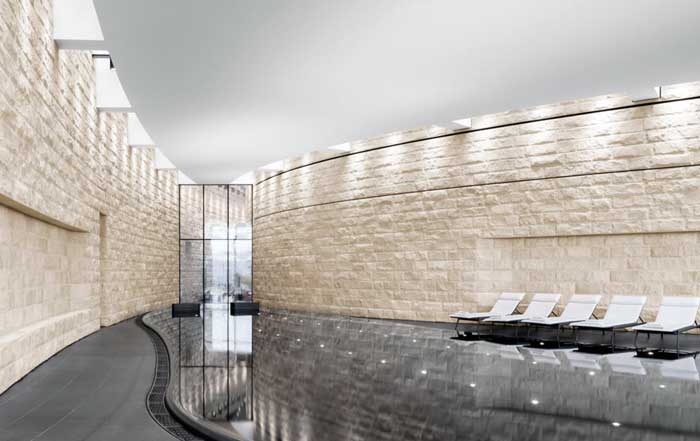
In Zurich, The Dolder Grand has consolidated its status as a global icon where wellness, art, and cosmopolitan living intersect, and in 2026 it continues to appeal to a sophisticated international audience from the United States, United Kingdom, Germany, the Middle East, and Asia. The hotel's spa, designed by Sir Norman Foster, remains one of Europe's most acclaimed urban wellness spaces, integrating hydrotherapy, Japanese-inspired rituals, and advanced beauty treatments in a setting that also houses a museum-level art collection featuring works by Salvador Dalí and Andy Warhol. The result is an environment where cultural enrichment and physical recovery are experienced as a single narrative, a concept that aligns closely with the lifestyle aspirations of QikSpa's community.
The Dolder Grand has also become a reference point in the field of aesthetic and anti-aging excellence, partnering with leading Swiss and international skincare houses that benefit from the country's reputation for scientific rigor. For professionals following innovation in beauty and fashion-forward wellness, the property demonstrates how a spa can move beyond generic menus to offer curated, brand-aligned experiences that reinforce both results and luxury positioning, echoing broader trends in prestige skincare highlighted by sources such as Vogue Business.
Clinique La Prairie and the Science of Longevity
On the shores of Lake Geneva, Clinique La Prairie in Montreux continues in 2026 to be one of the world's most cited examples of longevity-focused wellness, and its model is especially relevant for a QikSpa audience interested in the intersection of medical authority, luxury, and global reputation. Established in 1931, the clinic pioneered cellular therapy and has since expanded into genetics, epigenetics, and advanced diagnostics, aligning with the emerging science of healthspan promoted by research centers such as the Buck Institute for Research on Aging. Guests undertake multi-day or multi-week programs that may include genomic analysis, inflammation profiling, hormone balancing, and cognitive resilience training, paired with nutrition designed by gourmet chefs and supervised by dietitians.
Clinique La Prairie's influence extends beyond Switzerland, as its methodologies have inspired longevity programs in North America, Europe, and Asia, reinforcing Switzerland's status as a conceptual leader in this space. For QikSpa readers exploring wellness as a long-term lifestyle, the clinic illustrates how a spa or wellness brand can build global authority by investing in research, medical partnerships, and outcome measurement rather than relying solely on ambiance or tradition.
Grand Resort Bad Ragaz: Thermal Tradition with Modern Medical Depth
In eastern Switzerland, Grand Resort Bad Ragaz continues to exemplify how a historic thermal destination can reinvent itself as a contemporary medical wellness powerhouse. Fed by the Tamina Gorge thermal waters, the resort's spa complex, one of the largest in Europe, integrates hydrotherapy, sauna rituals, and relaxation zones with a fully-fledged Medical Health Center offering cardiology, sports medicine, rheumatology, and rehabilitation services. This combination of indulgence and clinical precision has made Bad Ragaz a preferred destination for guests from Germany, the Netherlands, the United Kingdom, and the Middle East, who seek evidence-based programs within a luxurious environment.
The resort's approach aligns with guidance from bodies such as the European Society of Cardiology on prevention and lifestyle modification, as programs often include stress testing, heart health assessments, and tailored exercise protocols. For QikSpa's audience engaged in business and executive lifestyles, Grand Resort Bad Ragaz represents a compelling model of how wellness offerings can be designed to address the specific risks associated with high-pressure careers, from cardiovascular risk factors to burnout and sleep disruption.
Leukerbad and Swiss Mountain Retreats: Nature as a Therapeutic Partner
While flagship resorts dominate headlines, Switzerland's smaller mountain destinations continue to play a crucial role in shaping the country's wellness identity. Leukerbad, home to some of Europe's most abundant alpine thermal waters, remains a prime example of how centuries-old bathing traditions can be adapted for modern guests seeking authenticity, simplicity, and immersion in nature. Thermal complexes such as Leukerbad Therme and Walliser Alpentherme & Spa offer mineral-rich baths, saunas, and steam rooms framed by alpine peaks, creating an environment that naturally encourages slow travel and contemplative rest, echoing principles of nature-based therapy highlighted by organizations like the Nature and Forest Therapy Association.
Beyond Leukerbad, architecturally significant retreats such as Vals Thermal Baths, designed by Peter Zumthor, and boutique lodges across Graubünden, Valais, and the Bernese Oberland emphasize minimalism, silence, and proximity to forests, lakes, and hiking trails. These mountain retreats resonate with QikSpa readers interested in yoga and mindfulness, as they often host meditation programs, breathwork sessions, and forest bathing experiences that align with contemporary understanding of mental health and stress reduction outlined by institutions like the American Psychological Association.
Urban Wellness in Geneva, Basel, and Zurich
Switzerland's cities have also intensified their wellness offerings, reflecting the needs of global professionals who transit through financial and diplomatic hubs but still seek meaningful recovery. In Geneva, lakeside properties such as Four Seasons Hotel des Bergues and Hotel d'Angleterre have refined their spa concepts to cater to diplomats, executives, and international organization staff who require rapid yet effective stress relief, jet lag recovery, and discreet beauty treatments. This urban wellness model complements guidance on occupational health and balance promoted by entities such as the International Labour Organization, demonstrating how hotels can support healthier work-travel patterns.
In Basel, renowned for its art fairs and pharmaceutical industry, boutique luxury hotels have developed spa offerings that merge art, gastronomy, and wellness, reflecting the city's cultural sophistication. Zurich, as the country's financial capital, has seen properties like Park Hyatt Zurich and The Dolder Grand refine services aimed at high-net-worth individuals and corporate travelers, integrating sleep optimization, short-format relaxation rituals, and nutrition that supports cognitive performance. For QikSpa readers focused on careers and business travel, these urban spas illustrate how wellness can be integrated into demanding international schedules without sacrificing professionalism or efficiency.
Sustainable Wellness: Environmental Responsibility as a Core Value
By 2026, sustainability is no longer an optional branding element for Swiss spa resorts; it is a structural expectation, particularly for guests from markets such as Scandinavia, Germany, the United Kingdom, and Canada, where environmental awareness is deeply ingrained. Many Swiss properties have aligned their strategies with principles similar to those advocated by the United Nations Environment Programme, implementing energy-efficient building systems, advanced water management, and low-waste operations. Resorts in the Alps increasingly use local timber and stone, integrate green roofs, and design architecture that blends into the landscape, reducing visual and ecological impact.
Food and beverage concepts, a critical dimension for QikSpa readers interested in food and nutrition, have shifted toward regional, seasonal menus that prioritize organic ingredients and short supply chains, reflecting guidance from organizations such as the EAT Foundation on sustainable diets. This alignment of wellness and environmental responsibility allows Swiss resorts to appeal to travelers who want their personal health choices to reflect broader planetary values, and it provides a template for spa and salon operators worldwide who are seeking to integrate sustainability into their own business models without compromising luxury.
Culinary and Nutritional Wellness as Strategic Differentiators
Nutrition has become a central pillar of the Swiss wellness proposition, and in 2026, many leading resorts have developed sophisticated culinary philosophies that support detoxification, metabolic health, and longevity while remaining rooted in pleasure and local culture. At properties like Waldhotel Health & Medical Excellence and Clinique La Prairie, chefs collaborate with nutritionists and physicians to design menus based on diagnostic data, aligning with evidence on metabolic health and chronic disease prevention shared by institutions such as the Harvard T.H. Chan School of Public Health. Guests receive individualized meal plans that consider blood markers, food intolerances, and lifestyle goals, illustrating how gastronomy can be transformed into a highly personalized therapeutic tool.
At the same time, Swiss resorts celebrate their regional identity by incorporating alpine cheeses, mountain herbs, freshwater fish, and seasonal vegetables in ways that respect both taste and health. This dual commitment to enjoyment and function resonates with QikSpa's holistic perspective on food and nutrition, and it serves as a blueprint for spa operators who wish to move beyond generic "healthy menus" toward fully integrated culinary wellness concepts that drive guest loyalty and differentiation.
Yoga, Mindfulness, and Mental Resilience in the Swiss Context
As awareness of mental health has grown worldwide, Swiss wellness resorts have expanded their offerings to include structured programs in yoga, meditation, and psychological resilience, often in collaboration with clinical psychologists and mindfulness experts. Resorts such as The Chedi Andermatt, Bürgenstock Resort, and several retreats across the Engadin Valley now host themed weeks focused on stress management, digital detox, and emotional balance, incorporating practices that echo frameworks from organizations like Mindful.org and academic centers for mindfulness-based stress reduction.
These programs are particularly attractive to guests from high-pressure markets such as the United States, United Kingdom, Germany, Singapore, South Korea, and Japan, where burnout and anxiety are prevalent. For QikSpa's audience engaged with yoga, fitness, and holistic mental wellness, Switzerland's approach demonstrates how traditional spa environments can evolve into platforms for psychological well-being, offering not only relaxation but also tools and frameworks that guests can integrate into daily life after their stay.
Women's Wellness, Empowerment, and Tailored Programs
In recent years, Swiss resorts have recognized the central role women play in driving global wellness trends and spending, and in 2026 many properties now offer dedicated women's wellness retreats and diagnostics. Programs at destinations such as Clinique La Prairie, Waldhotel, and Grand Resort Bad Ragaz address hormonal health, fertility support, perimenopause and menopause management, bone density, and stress resilience, often integrating medical insight with spa therapies, movement, and coaching. This mirrors growing international attention to women's health equity and research, as advocated by organizations such as Women's Health Concern.
These initiatives resonate strongly with QikSpa's emphasis on women's wellness and empowerment, illustrating how luxury resorts can move beyond generic pampering to deliver programs that respect the complexity of women's lives and physiology. For female executives, entrepreneurs, and professionals from regions as diverse as North America, Europe, the Middle East, and Asia, Switzerland offers environments where high performance and self-care are not in conflict but are mutually reinforcing.
Careers, Expertise, and Professional Opportunities in Swiss Wellness
The sophistication of Switzerland's wellness sector has created a robust ecosystem of professional opportunities that is of particular interest to QikSpa readers exploring careers in wellness. Resorts now employ multidisciplinary teams that include physicians, physiotherapists, nutritionists, psychologists, yoga instructors, fitness coaches, spa therapists, and hospitality managers, all operating in tightly coordinated frameworks that prioritize guest outcomes and discretion. Swiss hospitality schools and universities, such as those in Lausanne and Zurich, have expanded curricula to cover spa management, wellness entrepreneurship, and sustainable tourism, aligning with global educational trends observed by bodies like the World Tourism Organization.
Professionals who train or work in Switzerland benefit from the country's reputation for precision, reliability, and service excellence, making them highly sought after in markets across Europe, the Middle East, Asia, and the Americas. For spa and salon owners, wellness consultants, and aspiring practitioners who follow QikSpa, the Swiss model underscores the importance of continuous education, interdisciplinary collaboration, and a strong ethical framework in building trust with increasingly informed and discerning clients.
Why Switzerland Matters to QikSpa's Global Audience in 2026
For a global readership interested in spa and salon innovation, wellness lifestyle, beauty and fashion, travel, and sustainable business, Switzerland in 2026 offers more than a list of prestigious properties; it represents a living framework for how wellness can be conceptualized, delivered, and scaled with integrity. The country's leading resorts have demonstrated that the most successful wellness destinations are those that combine natural assets, medical expertise, environmental responsibility, and emotional storytelling into coherent, personalized experiences that guests can trust.
As QikSpa continues to explore and interpret global trends for audiences in the United States, United Kingdom, Germany, Canada, Australia, Asia, and beyond, Switzerland stands out as a reference point that bridges continents and cultures. Whether the focus is on longevity medicine at Clinique La Prairie, alpine thermal traditions in Leukerbad, urban luxury at The Dolder Grand, or integrated medical wellness at Bürgenstock Resort and Grand Resort Bad Ragaz, the Swiss example shows how wellness can be elevated from a service category to a strategic, experience-driven ecosystem.
For readers, practitioners, and decision-makers who look to QikSpa as a trusted guide, Switzerland's luxury spa and wellness landscape offers both inspiration and a practical roadmap: invest in expertise, ground experiences in science and authenticity, respect the environment, and always place human well-being-physical, mental, and emotional-at the center of every design and business decision.
