
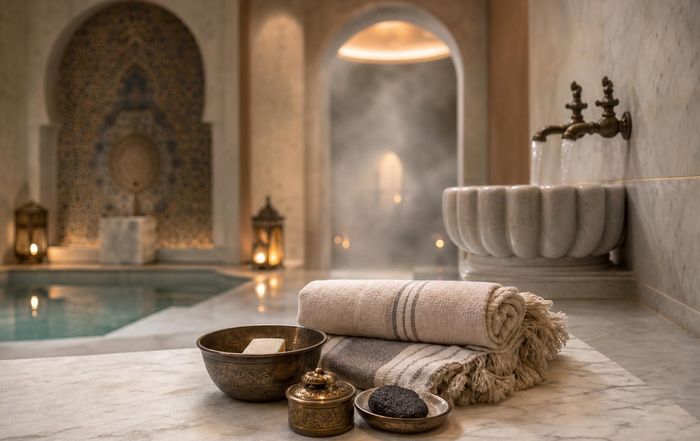
Traditional Hammam Rituals: What First-Time Guests Should Know
For many people, a first visit to a traditional hammam is both exciting and a little intimidating. The idea of communal bathing, deep exfoliation, and unfamiliar etiquette can raise questions long before you step into the steam. Yet for centuries, hammams across North Africa, the Middle East, and parts of Europe have been places not only to cleanse the body, but to rest the mind, connect socially, and mark life's milestones. Understanding how a hammam works, what to expect at each stage, and how to behave respectfully can turn uncertainty into one of the most relaxing wellness experiences you'll ever have.
This guide focuses on the classic, more traditional hammam experience rather than purely modern spa interpretations. It also highlights ways to adapt the ritual to your own comfort level and health needs, whether you visit a historic bathhouse in Morocco, a neighborhood hammam in Istanbul, or a contemporary spa-inspired version in cities around the world.
What Is a Hammam, and How Is It Different from a Spa?
A hammam is a traditional steam bath with roots in the Roman baths and later the Islamic world, where it became closely linked with ritual purification and community life. You'll find variations in Morocco, Turkey, Tunisia, Algeria, Syria, and beyond, each with its own architecture, techniques, and social customs. Unlike a typical Western spa, which often emphasizes private treatment rooms and quiet individual relaxation, a hammam tends to be more communal, structured around heat, water, and exfoliation in shared marble or stone spaces.
In a classic hammam, guests move through progressively warmer rooms, using steam and hot water to open the pores before a vigorous scrub with a rough mitt and black soap or similar cleansing paste. Many traditional hammams are gender-segregated, either by having separate men's and women's sections or by designating different times of day for each. While many modern wellness centers now offer hammam-inspired treatments in private cabins, the original concept is explicitly social: people talk, take their time, and treat the visit as both hygiene and ritual. For readers used to more conventional spa and salon settings, the hammam can feel more earthy and communal, but also deeply restorative.
From a health perspective, the combination of moist heat and thorough cleansing can support skin health, help muscles relax, and promote a sense of mental release. Organizations such as the World Health Organization highlight how safe water, sanitation, and hygiene practices contribute to broader public health, and many traditional bathing cultures evolved as early public health infrastructures long before modern plumbing. Today, hammams sit at the intersection of cultural heritage, wellness, and contemporary spa culture.
Types of Hammams Around the World
Although the word "hammam" is often used broadly, there are distinct regional traditions that shape what you'll experience as a first-time guest.
In Turkey, the Turkish hammam (or Turkish bath) is perhaps the most internationally recognized style. Historic bathhouses in Istanbul and other cities often feature domed ceilings, ornate stonework, and a large heated central platform called the göbek taşı, where guests lie for part of the ritual. The Turkish Ministry of Culture and Tourism promotes many of these baths as part of the country's cultural heritage, and they often follow a structured sequence of warming, scrubbing, and foaming massage. While some contemporary venues cater heavily to tourists, neighborhood hammams remain integral to daily life for many residents.
In Morocco, the Moroccan hammam has its own rhythm and materials. The famous savon noir (black soap) made from olives, and the rough kessa glove are central to the exfoliation phase. Traditional hammams may be more self-service, with attendants available to scrub you on request. The experience can be more straightforward and less ornate than some Turkish counterparts, but often feels deeply authentic. Tourism authorities such as Visit Morocco highlight hammams as an essential part of discovering local culture, not just as a spa add-on.
In other parts of North Africa and the Middle East, hammams vary in architecture and formality but share the core elements of heat, water, and cleansing. In Europe and North America, many high-end spas now offer "hammam-style" treatments inspired by these traditions, sometimes blending them with other beauty and health services. These may be more private, quieter, and adapted to local norms about nudity and personal space, while still using black soap, steam, and exfoliation rituals.
Step-by-Step: How a Traditional Hammam Visit Usually Flows
While every hammam is unique, first-time guests typically move through a series of stages. Knowing this sequence in advance helps you relax and enjoy the process instead of wondering what comes next.
The visit usually begins in a reception or changing area where you pay, receive instructions, and are given any necessary items such as a towel, wooden sandals, or a traditional wrap (often called a pestemal in Turkish baths). Some hammams provide everything; others expect you to bring your own towel, toiletries, and sometimes even buckets or bowls for scooping water. It is worth checking in advance through local tourism websites or reputable travel resources such as Lonely Planet or Rough Guides so you arrive prepared.
Once changed, you enter a warm or tepid room, allowing your body to adjust to the environment. This is where you start pouring warm water over yourself, washing lightly, and beginning to relax. The goal is to gradually raise your body temperature, not shock it. From there, you typically move into a hotter steam room, where you sit or lie on warm stone benches or platforms. The combination of heat and humidity opens pores and softens dead skin in preparation for exfoliation. Many people find this phase deeply calming; mindful breathing here can be as centering as a gentle yoga practice.
The exfoliation stage is the hallmark of the hammam. An attendant (often called a tellak in Turkish or tayaba in parts of North Africa) uses a rough mitt to scrub your body vigorously after applying black soap or a similar cleanser. This can be surprisingly intense, especially if you are not used to strong physical exfoliation. It is normal to see rolls of dead skin being removed; this is considered a sign the treatment is working. After rinsing, some hammams continue with a foamy soap massage or a brief relaxation period in a cooler room. Others may offer add-on treatments such as clay masks, hair washing, or oil massages, similar in spirit to services at modern lifestyle and fitness spas.
The ritual usually ends with a cool-down in a resting area where you can rehydrate with water, mint tea, or light snacks. This pause allows your circulation and body temperature to return to normal. Many guests describe this post-hammam state as a combination of physical lightness and mental clarity, similar to the afterglow of a good workout or meditation session. For travelers, it can be a welcome reset during a busy international trip.
What to Wear, Nudity Norms, and Gender Etiquette
One of the biggest concerns for first-time guests is what to wear and how much nudity is expected. The answer depends heavily on local culture, whether the hammam is traditional or tourist-oriented, and the specific house rules.
In many traditional hammams in Muslim-majority countries, men and women bathe separately, either in different sections of the building or at different times of day. Within single-gender spaces, full or partial nudity may be common and considered completely normal. Guests often wear a simple wrap, underwear, or bikini bottoms, removing or adjusting them during scrubbing. In some women's hammams, especially in Morocco and parts of Turkey, local women may be fully nude without any sense of awkwardness. Visitors who prefer more coverage can typically keep swimwear on, though attendants might ask to move straps or fabric to scrub properly.
In mixed-gender or more tourist-focused hammams, modesty standards are usually stricter. Swimwear is often required, and some venues provide disposable underwear or specific garments to wear during the treatment. European and North American spa-hammam hybrids often follow local spa norms, which can range from bathing suits to towel-only areas. Reputable resources such as National Geographic Travel, Culture Trip, or official city tourism boards often describe local etiquette and dress expectations so you can choose a venue that matches your comfort level.
As a rule, it is respectful to follow the hammam's posted guidelines, ask at reception if you are unsure, and observe what regular guests are doing. Bring your own flip-flops or sandals if not provided, as floors are wet and can be slippery. If you are visiting as a couple, be aware that many traditional hammams do not allow mixed-gender bathing; you may need to go at separate times or choose a more modern spa that offers private couples' hammam experiences.
Products Used: Black Soap, Kessa Mitts, and Natural Ingredients
The hammam ritual is closely tied to specific products and textures, many of which have been used for generations. Understanding these helps you know what is happening to your skin and how to care for it afterward.
One of the best-known products is black soap, especially in Moroccan hammams. This paste-like soap is typically made from olives and potassium hydroxide, creating a gel that softens the skin and prepares it for exfoliation. It is rich in oils and can be very moisturizing. Similar plant-based soaps are used in Turkish and other hammams, often scented with eucalyptus, rose, or other botanicals. Dermatology resources from institutions such as the American Academy of Dermatology and Mayo Clinic note that gentle cleansers and plant-based soaps can support skin barrier function when used appropriately, especially when followed by proper moisturization.
The exfoliating glove, known as a kessa in Morocco and by various regional names elsewhere, is a coarse mitt made from viscose or similar fibers. Its rough texture is what physically removes dead skin during the scrub. For people with resilient, non-sensitive skin, this can leave the skin very smooth. Those with conditions such as eczema, psoriasis, or very sensitive skin should be more cautious, as over-exfoliation can trigger irritation. Guidance from organizations like the National Eczema Association emphasizes avoiding harsh scrubs on compromised skin; if you have a chronic skin condition, it is wise to consult a dermatologist before booking a vigorous hammam treatment.
Many hammams also use natural clays (such as Moroccan rhassoul), floral waters, and oils like argan or almond as part of optional add-on treatments. These ingredients align with broader sustainable and plant-based beauty trends, though quality and sourcing vary widely. In more upscale or spa-oriented hammams, these products may be branded and sold for home use, blurring the line between traditional ritual and modern beauty retail.
Health Benefits, Risks, and Who Should Be Cautious
The combination of steam, heat, exfoliation, and massage in a hammam can offer several potential benefits, both physical and psychological. Warm, humid environments can help muscles relax and may ease sensations of stiffness or minor aches, in ways similar to saunas or hot baths. Some people find that regular sweating followed by thorough cleansing helps keep their skin clearer and softer, particularly if they are prone to clogged pores on the body. The slow, ritualized pace of the hammam can also support stress reduction, a key component of overall wellness and health. Research summarized by organizations such as the American Psychological Association and Harvard Medical School highlights how relaxation practices and time away from digital stimulation can positively affect mood and perceived stress levels.
However, the hammam environment is not suitable for everyone. Prolonged exposure to high heat and humidity can place extra strain on the cardiovascular system. People with heart disease, uncontrolled high blood pressure, severe anemia, or certain respiratory conditions should speak with a healthcare professional before using steam baths or saunas. Guidance from bodies like the American Heart Association and NHS often recommends moderation in heat exposure and listening carefully to how your body feels. Pregnant people, especially in the first trimester or with high-risk pregnancies, are commonly advised to avoid very hot environments such as hot tubs and saunas; similar caution applies to hammams.
The vigorous exfoliation phase can also be problematic for individuals with active skin infections, open wounds, severe sunburn, or inflammatory skin conditions. Over-scrubbing can damage the skin barrier, leading to irritation or increased sensitivity. If you have any doubts, you can request a gentler scrub, skip that part of the ritual, or choose a more spa-style hammam where intensity can be more easily customized. As with any communal bathing environment, basic hygiene practices-such as showering beforehand, not attending when you are sick, and avoiding shaving immediately before your visit-help protect both you and others from irritation and potential infection.
Hygiene, Safety, and Choosing a Reputable Hammam
A well-run hammam should feel clean, orderly, and professionally managed, even if the building itself is historic or simple. Because hammams involve warm, moist environments and shared surfaces, proper cleaning and water management are essential. Health authorities such as the World Health Organization and many national public health agencies emphasize the importance of sanitation and maintenance in communal bathing facilities to reduce the risk of infections.
When choosing a hammam, especially in an unfamiliar city, it can be helpful to look for recent reviews on reputable travel platforms, ask local hotels or tourism offices for recommendations, and check whether the venue appears on official city or national tourism websites. Pay attention to signs of good practice: clean towels, staff using fresh mitts or thoroughly washing reusable ones, regularly rinsed floors, and clear rules about behavior and hygiene. If something feels off-such as strong unpleasant odors, very dirty floors, or unclear pricing-it is reasonable to leave and choose another bathhouse.
For travelers, it is also worth considering how a hammam fits into your overall travel health strategy. Staying hydrated, avoiding alcohol immediately before or after your visit, and scheduling your hammam on a less rushed day can make the experience more restorative. International health resources like the Centers for Disease Control and Prevention (CDC) and TravelHealthPro (for UK travelers) provide general advice on safe use of pools and spas, much of which also applies to hammams.
How to Prepare for Your First Hammam Visit
A bit of preparation makes a first hammam visit smoother and more comfortable. Start by selecting a hammam that matches your comfort level in terms of nudity norms, language support, and level of "traditional vs. spa-like" experience. High-end hotel spas often provide more English-speaking staff and private options, while neighborhood hammams may feel more authentic but less curated. Consider what you want: a cultural immersion, a gentle introduction to the ritual, or a more luxurious spa and salon treatment.
Before you go, drink water but avoid heavy meals and alcohol. Bring swimwear if you are unsure about dress codes, along with flip-flops, a hair tie, and minimal valuables. Many wellness and lifestyle experts recommend leaving jewelry and electronics in your hotel or a secure locker, as steam and water can damage them. If you wear contact lenses and are sensitive to steam, you might prefer glasses that you can remove easily. People with specific health conditions should review guidance from reputable sources such as Mayo Clinic or Cleveland Clinic and, when appropriate, consult a healthcare professional.
Once inside, communicate your preferences clearly but politely. If you want a gentler scrub, have sensitive areas, or prefer not to have your face scrubbed, say so. In many hammams, attendants are used to working with visitors and can adapt the intensity. If language is a barrier, simple words, gestures, or having your hotel write a short note in the local language can help. After your visit, moisturize your skin well, avoid strong sun exposure or harsh products for at least 24 hours, and give your body time to rest. The hammam can be surprisingly tiring, in a pleasant way, similar to the post-exercise fatigue familiar to regular fitness enthusiasts.
Cultural Sensitivity and Respectful Behavior
A hammam is not only a wellness ritual but also a cultural space with its own social codes. Approaching it with respect enhances both your experience and that of others. In many countries, hammams have long been places where people mark weddings, births, and religious holidays, and where communities gather beyond the home. Treating the environment as more than a tourist attraction aligns with the broader values of responsible, culturally aware travel promoted by organizations like UNESCO and UNWTO.
Respectful behavior includes speaking in moderate tones, not taking photos inside bathing areas, and avoiding overt displays of affection. In more conservative settings, it is especially important not to photograph local guests, even clothed, without explicit permission. Follow staff instructions, use provided buckets and taps thoughtfully, and avoid wasting water. If you are unsure about tipping etiquette, local guides, hotel staff, or established travel resources such as Rick Steves Europe often provide country-specific guidance; in many places, a modest tip for your attendant is customary and appreciated.
For those interested in the intersection of hammam culture with broader women's spaces, it is worth noting that women's hammams in particular have historically been important social hubs, offering rare public spaces where women could gather more freely. Contemporary scholars and cultural commentators often discuss how these spaces blend beauty, health, and community support in ways that differ from Western spa culture. Observing quietly, listening, and taking your cues from regular guests can offer a respectful glimpse into this living tradition.
Integrating the Hammam into Your Ongoing Self-Care
For many first-time guests, a hammam visit is a memorable travel experience; for others, it becomes a regular part of their self-care routine. The rhythm of heat, cleansing, and rest fits naturally into a broader wellness lifestyle that might also include balanced food and nutrition, gentle movement, and stress-management practices. You may find that scheduling a hammam session at the end of a demanding work period, after long flights, or during seasonal transitions helps you reset physically and mentally.
At home, you can adapt elements of the ritual-a warm shower, a mild exfoliating mitt used sparingly, a few minutes of mindful breathing in the bathroom's steam, followed by a nourishing body oil-without replicating the intensity of a professional scrub. Dermatology guidance generally recommends limiting strong mechanical exfoliation to occasional use, especially for sensitive or dry skin, so it is wise not to overdo hammam-style scrubs between professional treatments. Over time, you can learn what frequency and intensity leave your skin and body feeling their best.
Whether you experience a hammam in a centuries-old bathhouse or a contemporary spa setting, approaching it with curiosity, preparation, and respect allows the ritual to do what it does best: cleanse, soften, and create a pocket of unhurried time in a fast-paced world. For those interested in deepening their relationship with wellness, travel, and cultural traditions, the hammam offers a uniquely tactile, immersive way to pause, breathe, and begin again.
