
Beginner's Guide to Makeup and Facial Care in 2026: A Holistic Perspective for QikSpa Readers
Beauty in 2026: Where Skincare, Identity, and Wellness Meet
By 2026, makeup and facial care have evolved far beyond simple routines of foundation and lipstick. They now sit at the intersection of science, culture, technology, and wellness, shaping how people around the world express identity, manage stress, and present themselves in both physical and digital environments. For the global audience of qikspa.com, spanning regions from North America and Europe to Asia, Africa, and South America, beauty is increasingly understood as a comprehensive lifestyle choice, where facial care, makeup, nutrition, fitness, travel, and sustainable living all reinforce one another.
This integrated view of beauty is particularly relevant to readers interested in areas such as wellness, health, beauty, and lifestyle. As consumers in the United States, United Kingdom, Germany, Canada, Australia, France, Italy, Spain, the Netherlands, Switzerland, China, Singapore, South Korea, Japan, Brazil, South Africa, and beyond demand more personalization, transparency, and efficacy, the global beauty industry has been forced to demonstrate genuine expertise, scientific rigor, and ethical responsibility. This has created a landscape in which experience, authoritativeness, and trustworthiness are not marketing slogans but essential criteria for brands, professionals, and platforms like QikSpa that seek to guide informed, discerning audiences.
Understanding Skin: The Professional Foundation of Every Routine
Any credible approach to makeup begins with a deep understanding of skin health. Skin is a complex organ whose condition is influenced by genetics, environment, diet, stress, sleep, and hormonal balance. In 2026, dermatology and cosmetic science have become more intertwined than ever, with leading organizations such as the American Academy of Dermatology providing accessible guidance on topics ranging from acne and rosacea to photoaging and hyperpigmentation. Readers can review evidence-based information by visiting resources such as the American Academy of Dermatology.
Skin is generally categorized as oily, dry, combination, normal, or sensitive, but professionals increasingly recognize that these labels are only starting points. Climate in regions like Scandinavia or Canada, urban pollution in cities such as London, New York, or Beijing, and lifestyle factors such as frequent travel or intensive screen time all affect barrier function and hydration levels. A foundational routine for most people includes gentle cleansing, targeted treatment (such as serums containing ingredients like vitamin C, niacinamide, or hyaluronic acid), moisturizing, and daily broad-spectrum sun protection. Guidance from institutions such as the Mayo Clinic emphasizes the importance of consistent sun protection in reducing premature aging and lowering skin cancer risk.
Brands including Dermalogica, Estée Lauder, and Clinique have responded by investing heavily in research-driven formulations and diagnostic tools. AI-powered skin analysis, now embedded in mobile apps and smart mirrors, allows users in markets from the United States to Singapore to receive personalized recommendations based on real-time imaging and data. These developments align closely with the holistic philosophy promoted across QikSpa's content, where external treatments are always considered alongside broader wellness and lifestyle choices featured in sections such as health and food and nutrition.
Facials as a Bridge Between Aesthetics and Wellness
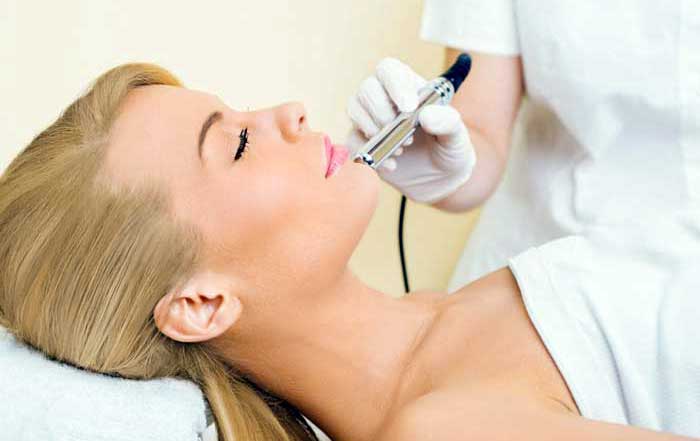
Professional facials remain one of the most effective gateways for beginners seeking to understand their skin while enjoying a structured, expert-led experience. Classic facials typically combine cleansing, exfoliation, steaming, extractions, massage, and mask application, but in 2026, treatment menus in leading spas from New York and London to Seoul, Bangkok, and Cape Town have expanded to incorporate modalities such as LED light therapy, oxygen infusion, microcurrent, ultrasound, and microdermabrasion.
Clinical and spa environments increasingly collaborate, with dermatologists and licensed estheticians designing protocols that target specific concerns such as melasma, acne scarring, or fine lines. Authoritative medical sources like the Cleveland Clinic detail how treatments such as chemical peels and microneedling stimulate cellular turnover and collagen production when properly supervised. For beginners, a professionally administered facial not only improves immediate skin appearance but also serves as a personalized consultation, clarifying which ingredients and textures are best suited to their skin type and lifestyle.
For readers of QikSpa, this connection between treatment and education reflects the platform's commitment to experience and expertise. The spa and salon category, for example, emphasizes that a facial is not simply a luxury service; it is part of a broader wellness strategy that integrates stress management, sleep quality, and self-esteem. Many leading spas in Europe, North America, and Asia are also prioritizing sustainable practices, using refillable packaging, responsibly sourced botanicals, and energy-efficient equipment, in response to growing consumer expectations around environmental responsibility.
Essential Makeup Tools and Products for a Confident Start
For those new to makeup, the sheer volume of products can be intimidating. Yet professionals consistently recommend starting with a concise, high-quality kit: a light to medium coverage foundation or tinted moisturizer, a concealer, a setting powder, a neutral eyeshadow palette, mascara, eyeliner, blush, a bronzer or contour product, a highlighter, and a few versatile lip colors. Well-designed brushes and sponges are equally important, as they directly influence blend quality, finish, and hygiene.
Retailers such as Sephora and brands like MAC Cosmetics and Fenty Beauty have leveraged their expertise to create curated starter sets for various skin tones and undertones, making it easier for beginners to achieve professional-looking results without guesswork. At the same time, the global rise of "clean" and "conscious" beauty has elevated companies such as ILIA and RMS Beauty, which focus on minimal-ingredient formulations, recyclable packaging, and ethical sourcing. Regulatory bodies like the European Commission's Cosmetics framework in the EU and the information provided by the U.S. Food and Drug Administration in North America help consumers understand how safety and labeling standards are evolving.
For QikSpa readers, this is not just a matter of product choice but also of values. The beauty and sustainable sections highlight how selecting fewer, better products aligns with both skin health and environmental stewardship, reinforcing the platform's focus on trustworthy, responsible guidance.
Mastering the Base: Foundation, Concealer, and a Natural Finish
The base is often where beginners either gain confidence or become discouraged. In 2026, digital tools have significantly reduced this barrier. Virtual try-on technologies developed by L'Oréal, Estée Lauder, and major retailers use augmented reality to simulate foundation shades and finishes on a user's face in real time, which is particularly helpful for diverse skin tones across regions like Africa, South Asia, and Latin America that were historically underserved.
From a professional standpoint, the goal of foundation is no longer to mask the skin but to even tone while preserving natural texture. Light formulations such as tinted moisturizers and serum foundations are favored for daily use, especially in hot or humid climates like Southeast Asia or Brazil, where heavy formulas can feel uncomfortable. Concealer is then used strategically under the eyes, around the nose, and on blemishes, rather than across the entire face. Dermatology-backed brands and medical sites such as Johns Hopkins Medicine emphasize the importance of non-comedogenic, fragrance-free formulations for acne-prone or sensitive skin.
For professionals, applying foundation with a damp sponge creates a sheer, dewy effect, while dense brushes are preferred for fuller coverage in situations such as photography, public speaking, or high-visibility business events. This is particularly relevant for readers who engage with business and careers content on QikSpa, where polished yet authentic presentation in meetings, interviews, and virtual calls can influence perception and confidence.
Eye Makeup: Technique, Culture, and Digital Learning
Eyes remain the focal point of many makeup looks, and for beginners, mastering a neutral eye can provide a strong foundation for experimentation. In most professional training programs, students first learn to work with matte and satin shades in beige, taupe, and brown, which suit a wide range of skin tones and are appropriate for corporate environments in cities from London and Frankfurt to Sydney and Singapore. The essential skills involve creating a smooth gradient, placing depth in the crease, brightening the inner corner, and defining the lash line with eyeliner or shadow.
The democratization of beauty education through platforms such as YouTube and other video-based channels has been transformative. Global artists like Lisa Eldridge and Charlotte Tilbury have shared detailed tutorials that break down professional techniques into accessible steps, enabling viewers from Nairobi to Toronto to learn directly from industry leaders. At the same time, regional trends have become globally influential: Korean gradient eyes, Japanese soft-focus looks, bold African color palettes, and dramatic Middle Eastern eyeliner have all enriched the global vocabulary of eye makeup.
For QikSpa's internationally minded audience, the international section provides a lens through which these styles can be understood not only as aesthetic choices but as cultural expressions. Readers are encouraged to approach eye makeup as a form of respectful exploration, drawing inspiration from other regions while recognizing the historical and social context behind iconic looks.
Lip Care and Color: Balancing Health, Comfort, and Expression
Healthy lips are an often overlooked but critical component of a polished appearance. Professionals recommend regular gentle exfoliation, either with a soft cloth or a dedicated lip scrub, followed by the use of hydrating balms containing ingredients such as shea butter, ceramides, or plant oils. Authoritative organizations such as the British Association of Dermatologists and the Canadian Dermatology Association provide guidance on managing dryness, irritation, and sun damage to the lips, which can be exacerbated by cold climates or high UV exposure.
When it comes to color, brands like Dior, Chanel, and Maybelline continue to dominate in both luxury and mass-market segments, offering finishes from sheer balms and satin lipsticks to long-wear liquids. The modern professional often gravitates toward versatile shades-soft pinks, muted berries, sophisticated nudes, and classic reds-that transition easily from office to evening. Clean-beauty labels have also introduced formulations using mineral pigments and botanical waxes for those concerned about specific ingredients.
For QikSpa readers interested in aesthetics and self-presentation, lip color sits at the intersection of fashion, lifestyle, and personal branding. The choice of a bold red for a keynote speech, a soft nude for a client meeting, or a gloss for a casual weekend reflects not just style but also intention and context.
Dimension and Structure: Blush, Bronzer, and Highlighter
Once the base is evened out, the face can appear flat on camera or under office lighting. Professionals address this by reintroducing structure with blush, bronzer, and highlighter. Blush restores natural flush to the cheeks, bronzer adds warmth and subtle contour, and highlighter catches the light on high points such as the cheekbones, brow bones, and bridge of the nose. Brands such as NARS, Benefit Cosmetics, and Hourglass have built reputations around complexion-enhancing products that blend easily and photograph well.
Modern formulations often incorporate skincare ingredients like hyaluronic acid, squalane, and vitamin E, illustrating the ongoing convergence of health and beauty. Professional artists advise beginners to start with cream products for a more forgiving, skin-like finish, especially on drier or mature skin, and to build color gradually rather than applying heavily at once. This technique is particularly important for readers in regions such as Japan, France, or Scandinavia, where understated, natural-looking makeup is culturally favored, as well as for corporate environments worldwide where subtlety is valued.
Advanced Techniques: From Contouring to Color Theory
As beginners gain confidence, many choose to explore more advanced techniques that can dramatically refine their overall look. Contouring and highlighting, popularized globally in the last decade, remain powerful tools when used with restraint. Professionals emphasize mapping product placement to individual bone structure rather than following generic diagrams, which is why in-person or virtual consultations with trained artists can be especially valuable.
Color theory has also become central to modern makeup education. Understanding undertones-whether skin leans warm, cool, or neutral-helps in selecting foundation, blush, eyeshadow, and lip colors that harmonize rather than clash. Brands like Pat McGrath Labs and Urban Decay have released highly pigmented, editorial-style palettes that encourage experimentation, allowing users to create looks that align with current fashion trends or with more timeless aesthetics.
For QikSpa's professional audience, these skills are not merely artistic; they also support personal branding and public presence. Executives, entrepreneurs, content creators, and consultants increasingly recognize that consistent, well-executed grooming can reinforce credibility and authority in both physical and digital spaces.
Beyond the Classic Facial: High-Tech and Holistic Treatments
The line between spa and clinic continues to blur as advanced facial treatments become more accessible worldwide. Chemical peels, microneedling, radiofrequency skin tightening, and laser-based therapies are now offered in many urban centers, from Los Angeles and Toronto to Berlin, Dubai, and Singapore. Institutions such as Harvard Health Publishing provide clear explanations of these interventions, outlining benefits, risks, and appropriate aftercare.
At the same time, holistic methods rooted in traditional practices are experiencing a resurgence. Gua sha, facial cupping, Ayurvedic massages, and lymphatic drainage techniques are incorporated into modern spa menus, reflecting a broader interest in modalities that support circulation, detoxification, and relaxation. This dual embrace of technology and tradition is particularly evident in wellness-focused destinations highlighted in QikSpa's travel and yoga sections, where guests seek experiences that rejuvenate both skin and mind.
For beginners, the key to safely exploring these advanced treatments lies in choosing reputable providers, understanding contraindications, and integrating professional procedures with a consistent at-home routine rather than relying on one-off interventions.
Sustainable and Ethical Beauty: From Trend to Standard
In 2026, sustainability is no longer a niche concern but a core criterion for a growing share of consumers. Brands like The Body Shop, Tata Harper, and Lush helped pioneer this movement, but many mainstream companies have now adopted more rigorous environmental and social standards. Independent certifications and frameworks, including those discussed by the UN Environment Programme, guide both brands and consumers in evaluating claims related to cruelty-free testing, biodegradable ingredients, and carbon footprint.
For QikSpa readers, especially those exploring sustainable and lifestyle content, the challenge is to balance performance with principles. Refillable packaging, solid cleansers and shampoos, waterless formulas, and local sourcing are just a few strategies that reduce environmental impact without compromising efficacy. The emphasis on transparency has also encouraged brands to publish ingredient glossaries and third-party test results, enhancing trust and accountability.
Nutrition, Fitness, and the Inner Foundations of Skin Health
Scientific consensus increasingly supports the idea that skin quality reflects internal health. Diets rich in antioxidants, omega-3 fatty acids, lean proteins, and fiber contribute to a more resilient barrier and reduced inflammation. Reputable health authorities such as the World Health Organization and National Institutes of Health provide guidance on balanced nutrition and its systemic benefits, which extend naturally to skin appearance.
The food and nutrition section of QikSpa reinforces the message that topical products work best when supported by adequate hydration, controlled sugar intake, and a diet emphasizing vegetables, fruits, whole grains, and healthy fats. Similarly, regular exercise improves circulation and stress resilience, which can translate into a more even tone and natural radiance. The fitness and wellness categories highlight activities such as yoga, strength training, and cardiovascular workouts that support both aesthetic and functional goals.
In recent years, practices like facial yoga and breathwork have also gained popularity, particularly in markets such as Japan, India, and the Nordic countries, where longevity and gentle aging are cultural priorities. These practices demonstrate how beauty, in the QikSpa perspective, is inseparable from overall health and mental balance.
Psychological and Social Dimensions: Confidence, Identity, and Inclusion
The psychological impact of makeup and facial care is now well documented. Academic and industry research, including work discussed by organizations like the American Psychological Association, indicates that grooming rituals can improve mood, self-perception, and social confidence. The so-called "lipstick effect" is not merely about color; it reflects the empowering role of small, intentional actions in periods of uncertainty or stress.
At the same time, the global beauty industry has undergone a profound transformation in inclusivity. Brands such as Fenty Beauty, Huda Beauty, and Rare Beauty have expanded shade ranges, featured diverse models, and challenged narrow stereotypes around age, gender, and ethnicity. This shift resonates strongly with readers of QikSpa's women and international sections, where representation and authenticity are central themes.
Makeup is increasingly viewed as gender-inclusive, with products and marketing campaigns addressing the needs and preferences of men, non-binary individuals, and older adults. This broader definition of beauty supports mental well-being by validating a wider range of identities and expressions.
Technology, Business, and Careers in the Beauty Ecosystem
From a business perspective, the beauty sector continues to be one of the most dynamic global markets. Analysts at organizations like McKinsey & Company and the Euromonitor International have reported sustained growth driven by digitalization, emerging markets, and the integration of wellness into everyday routines. E-commerce platforms, subscription models, and direct-to-consumer brands have lowered entry barriers, while AI-driven personalization and AR try-ons have enhanced customer experience.
For professionals and aspiring entrepreneurs, this translates into a wide spectrum of career possibilities: makeup artistry, esthetics, cosmetic chemistry, product development, spa management, brand strategy, influencer marketing, and beauty technology. The business and careers sections of QikSpa explore these pathways, emphasizing the need for both creative and analytical skills, as well as a strong grounding in ethics and consumer protection.
Technology has also reshaped how professionals build authority. Platforms such as Instagram, TikTok, and YouTube allow experts to demonstrate techniques, share client transformations, and educate audiences, while also being held publicly accountable for claims and practices. This transparent environment rewards those who combine technical mastery with honesty and long-term value creation.
Integrating Makeup and Facial Care into a Sustainable Daily Routine
For beginners, the most effective approach is to build a manageable routine that can be maintained consistently, rather than chasing every new trend. A typical weekday regimen might involve a gentle cleanse, a hydrating serum, moisturizer, sunscreen, and a simple makeup look-light base, subtle eye definition, a touch of blush, and a comfortable lip color. On weekends or special occasions, more elaborate techniques such as smokey eyes, contouring, or bold lips can be layered on top of this foundation.
The lifestyle and wellness content on QikSpa encourages readers to view these routines as daily rituals that create moments of mindfulness and self-respect, rather than as obligations. Whether a reader is in New York preparing for a board presentation, in Berlin heading to a gallery opening, or in Bangkok relaxing at a resort spa, the underlying principles remain the same: understand your skin, choose products that align with your values, apply them with care, and allow beauty to support-not define-your sense of self.
By anchoring makeup and facial care in evidence-based practices, cultural awareness, and holistic wellness, QikSpa aims to provide a trusted, authoritative guide for readers at every stage of their journey, from first-time foundation buyers to seasoned professionals refining their craft in a rapidly evolving global landscape.
