
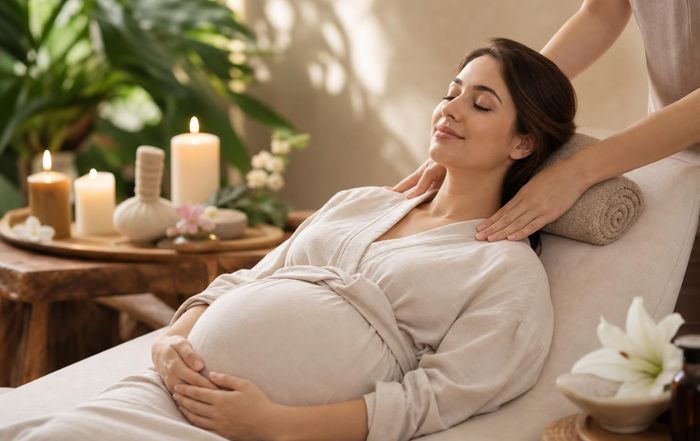
A Practical Guide to Spa Treatments During Pregnancy
Pregnancy can be physically demanding and emotionally intense, and many people naturally turn to spa treatments to ease aches, improve sleep, and feel more like themselves. At the same time, there is understandable concern about what is safe for the baby, which treatments to avoid, and how to communicate needs to spa professionals. This guide brings together current medical guidance and spa best practice to help expectant parents enjoy nurturing treatments with confidence and caution.
Safety First: How Pregnancy Changes What's Safe at the Spa
Pregnancy affects almost every system in the body, and those changes matter when choosing spa treatments. Blood volume and heart rate increase, ligaments become looser due to hormonal shifts, and body temperature regulation can be less efficient. Organizations such as the American College of Obstetricians and Gynecologists (ACOG) and the National Health Service in the UK (NHS) emphasize avoiding overheating, dehydration, and unnecessary exposure to strong chemicals during pregnancy. For spa-goers, that means being especially careful with heat-based therapies, deep pressure, and potent active ingredients in skincare.
Many obstetric providers recommend avoiding spa treatments during the first trimester when the risk of miscarriage is naturally higher, not because massages or facials are proven harmful, but because it is a particularly sensitive period and symptoms like nausea, dizziness, and fatigue are often at their worst. From the second trimester onward, many treatments can be adapted safely, provided the spa uses pregnancy-appropriate techniques and products, and the client communicates any complications such as high blood pressure, placenta previa, or a history of preterm labor. Before booking anything, it is sensible to ask your midwife or obstetrician whether there are any specific restrictions for your pregnancy.
Readers looking to integrate spa time into a broader self-care routine may also find it helpful to explore general wellness and health resources, since rest, movement, and nutrition all influence how the body responds to treatments.
Heat, Saunas, and Hot Tubs: What to Avoid and Why
High heat is one of the clearest red lines in pregnancy spa safety. Research summarized by the World Health Organization (WHO) and national health agencies suggests that raising core body temperature too high, especially in early pregnancy, may be associated with an increased risk of neural tube defects and other complications. Prolonged exposure to environments such as hot tubs, very hot baths, saunas, and steam rooms can push core temperature beyond recommended limits, particularly if the water or air is hotter than 38-39°C (100-102°F).
Most obstetric guidelines advise pregnant people to avoid hot tubs, jacuzzis, very hot hydrotherapy pools, traditional saunas, and intense steam rooms entirely. Short, warm-not hot-showers and baths are generally fine if you can comfortably keep your shoulders out, do not feel overheated, and the bathroom is well ventilated. If a spa offers "warm pools" or "relaxation pools," always ask for the exact temperature and check with your healthcare provider beforehand. In any case, if you feel lightheaded, flushed, or short of breath, leave the heat source immediately and cool down.
Some spas now offer "mild" thermal experiences or tepidarium-style rooms with lower temperatures. These may be more comfortable in later pregnancy, but they should still be approached with caution, limited time, and plenty of hydration. Those planning a spa weekend that includes movement practices such as yoga may find that gentle stretching and breathing provide a similar sense of relaxation without the risks associated with high heat.
Prenatal Massage: Benefits, Techniques, and Key Precautions
Prenatal massage is one of the most popular spa choices during pregnancy, and when performed by a therapist trained in pregnancy techniques, it is generally considered safe for healthy pregnancies from the second trimester onward. According to bodies such as Massage & Myotherapy Australia (massage therapy associations) and UK professional regulators (Professional Standards Authority), prenatal massage can help reduce lower back and pelvic pain, ease leg cramps, improve sleep, and support emotional wellbeing.
Positioning is critical. From the second trimester, lying flat on the back for long periods can compress major blood vessels and reduce blood flow. A qualified prenatal therapist will usually position clients on their side with pillows between knees and under the bump, or use a specially designed pregnancy massage table with appropriate support. Many experts prefer side-lying as it avoids pressure on the abdomen and supports the lower back. Deep tissue work and strong pressure over the abdomen, inner thighs, and certain acupuncture points (such as around the ankles and between thumb and index finger) are typically avoided due to theoretical links with stimulating uterine contractions, even though evidence is limited.
Communication is essential. Before the massage, discuss any complications, such as gestational diabetes, pre-eclampsia, blood clotting disorders, or severe varicose veins. In such cases, a healthcare provider's written approval may be needed. During the session, report any dizziness, nausea, shortness of breath, or pain. A good therapist will gladly adjust pressure, positioning, or duration. Those exploring bodywork as part of a broader fitness or mobility plan can also look at fitness and lifestyle resources to complement hands-on treatments.
Facials and Skincare: Ingredients to Seek Out and Skip
Facials can be a soothing way to address pregnancy-related skin changes, from breakouts to sensitivity and pigmentation. However, some common skincare ingredients used in spa facials are not recommended during pregnancy. Dermatology organizations such as the American Academy of Dermatology (AAD) and professional cosmetic safety groups highlight several ingredients to avoid or limit.
High-dose topical retinoids (vitamin A derivatives like tretinoin or tazarotene) and oral isotretinoin are contraindicated in pregnancy due to known risks of birth defects. While over-the-counter retinol creams contain lower doses, many dermatologists advise skipping them as a precaution. High-strength salicylic acid peels (a beta hydroxy acid) and aggressive chemical peels are also often avoided, especially over large areas, because of the potential for systemic absorption and skin barrier disruption. Strong hydroquinone-based lightening agents are another ingredient commonly taken off the menu during pregnancy.
Safer options usually include gentle cleansers, hydrating masks, mild fruit enzymes, low-concentration glycolic or lactic acids, and pregnancy-safe moisturizers. Physical exfoliation must be light, as pregnancy skin can be more reactive. Sunscreen remains non-negotiable: broad-spectrum mineral filters containing zinc oxide or titanium dioxide are widely considered suitable, and organizations like the Skin Cancer Foundation (Skin Cancer Foundation) emphasize consistent sun protection year round. Before a facial, ask to review product ingredient lists and let the therapist know you are pregnant so they can adapt the treatment.
Those building a longer-term routine may want to explore beauty and women's wellness content, which often cover pregnancy-safe skincare and cosmetic choices in more depth.
Body Scrubs, Wraps, and Hydrotherapy: When to Be Careful
Body scrubs and wraps can feel indulgent, but they require careful adaptation in pregnancy. Vigorous full-body exfoliation may be uncomfortable on stretching skin and sensitive breasts, and lying face down for long periods becomes impractical as pregnancy progresses. If you choose a scrub, ask for light pressure, avoid the abdomen and breasts, and ensure you can lie on your side or in a semi-reclined position. Hydration before and after is important, as exfoliation and warm rooms can contribute to fluid loss.
Body wraps often involve occlusion (being wrapped in plastic or thermal blankets) and sometimes added heat. This can raise body temperature and may not allow for easy repositioning if you feel unwell. For that reason, many pregnancy specialists and some spa chains advise against full thermal wraps during pregnancy. Cooler, localized treatments-such as a leg wrap for swelling that does not use constrictive bandaging or intense heat-may be more suitable, but should still be discussed with both spa staff and your healthcare provider.
Hydrotherapy, including jets and contrast showers, can help relieve muscle tension, but water temperature and pressure matter. High-pressure jets directed at the lower back or abdomen are usually avoided, and very hot or very cold water should be approached with caution. Professional spa associations such as the International Spa Association (ISPA) encourage spas to have clear pregnancy protocols for hydrotherapy areas, so do not hesitate to ask whether they have a written policy and staff training in place.
Manicures, Pedicures, and Hair Services: Fumes, Hygiene, and Comfort
Manicures and pedicures are among the easiest spa services to adapt for pregnancy, but there are still safety details to consider. Nail salons and spas should have excellent ventilation to minimize inhalation of solvents and fumes from nail polish, removers, and acrylic systems. Regulatory bodies such as the U.S. Occupational Safety and Health Administration (OSHA) and similar agencies in Europe and Asia stress the importance of air quality and product handling in nail environments, which benefits pregnant clients as well as workers.
Choosing "3-free," "5-free," or "10-free" nail polishes (which omit certain solvents and plasticizers such as formaldehyde, toluene, and dibutyl phthalate) can further reduce exposure, though the evidence on low-level use is limited and often reassuring. Acetone-based removers used occasionally are generally considered low risk, but if you feel dizzy or nauseated from fumes, ask for a break or a different product. Hygiene is crucial: ensure instruments are sterilized or single-use, footbaths are disinfected between clients, and any cuts or infections on hands or feet are discussed before treatment.
Pedicures raise a specific concern around pressure points. Some traditional reflexology systems associate certain areas of the feet and ankles with uterine stimulation. While strong evidence for harm is lacking, many therapists use lighter pressure on these zones as a precaution. Given the increased risk of blood clots in pregnancy, extended foot and leg massage should be gentle, avoiding deep work on very swollen or painful areas, and any sudden, one-sided swelling or pain should be assessed by a doctor, not a therapist. Hair services, meanwhile, are generally considered safe when salons are well ventilated; organizations like the American Pregnancy Association (American Pregnancy Association) suggest that occasional hair coloring or highlights using modern products and proper precautions are unlikely to pose significant risk.
Aromatherapy and Essential Oils: Gentle Use, Clear Boundaries
Aromatherapy is woven into many spa experiences, from massage oils to diffusers. Essential oils are highly concentrated plant extracts, and while some can be used cautiously in pregnancy, others are best avoided. Professional aromatherapy bodies such as the National Association for Holistic Aromatherapy (NAHA) and safety researchers note that certain oils-such as high-dose clary sage, rosemary, cinnamon bark, and some stimulating blends-may have uterine-stimulating or blood pressure-altering properties in theory and are often excluded from pregnancy treatments.
When used, essential oils in pregnancy should typically be in low dilutions (often around 1% or less in carrier oil), with skin patch testing and good ventilation. Gentle options sometimes used under professional guidance include lavender, chamomile, and citrus oils, though individual sensitivities vary. Inhalation through a diffuser at low concentration is usually preferred over direct application in early pregnancy. Those with asthma, allergies, or migraines may find strong scents triggering and should request fragrance-free products if needed.
If a spa markets a treatment as "aromatherapy massage," ask for details on the specific oils and concentrations used, and confirm that the therapist has training in pregnancy aromatherapy. For home use, it is wise to cross-check any oil recommendations with reputable sources such as national poisons centers or toxicology databases, and avoid ingesting essential oils entirely during pregnancy unless under direct medical supervision.
Choosing a Pregnancy-Friendly Spa: Questions to Ask Before You Book
Not all spas are equally prepared to care for pregnant clients, and choosing the right venue can make the difference between a deeply relaxing experience and a stressful one. When researching options, look for spas that explicitly list prenatal or pregnancy-safe treatments on their menu and mention therapist training or certification. Professional directories maintained by groups like ISPA or regional spa associations can be a starting point, but it is still important to ask direct questions.
Before booking, consider asking whether the spa has a written pregnancy policy, including which treatments are adapted or excluded, and what trimester restrictions apply. Inquire about therapist training: have they completed specific prenatal massage or pregnancy skincare courses, and how often do they treat pregnant guests? Ask about facilities-are there adjustable beds, side-lying supports, and steps or rails for getting on and off tables safely? How do they manage heat-based amenities for pregnant clients? Clear, confident answers are a good sign.
It can also help to reflect on what you personally want from the visit. Some people prioritize pain relief and may benefit from focused bodywork, while others are seeking a quiet mental reset and might gravitate toward gentle facials or hand and foot treatments. Considering how spa time fits into overall wellness, travel plans (for example, a babymoon), or everyday lifestyle patterns can guide which packages or locations feel most supportive.
Integrating Spa Time into Holistic Prenatal Self-Care
Spa treatments are only one part of a broader self-care picture in pregnancy. Many of the benefits people seek from the spa-reduced stress, better sleep, less muscle tension-can also be supported through daily habits. Gentle prenatal yoga, walking, and appropriate exercise, when cleared by a healthcare provider, can improve circulation and mood. Balanced nutrition, hydration, and mindful rest all contribute to how resilient the body feels, and resources focused on food and nutrition and health can be helpful companions to occasional spa visits.
Mental health is just as important. Mindfulness practices, brief breathing exercises, and even small at-home rituals-like a short foot soak, a fragrance-free body oil massage, or a few minutes of quiet stretching-can recreate some of the spa's calming effects without travel or expense. For those balancing work, family, and pregnancy, weaving these micro-moments of care into daily routines may be more realistic than frequent spa appointments, and they can make formal treatments feel like an added bonus rather than the only source of relief.
Ultimately, a "pregnancy-safe" spa experience rests on three pillars: clear medical guidance tailored to your circumstances, spa professionals who understand and respect prenatal needs, and your own comfort level and instincts. If something does not feel right-whether it is a particular treatment, a product ingredient, or the way a facility handles pregnancy-there is no obligation to proceed. With thoughtful choices and open communication, spa treatments can be a gentle, restorative complement to the many physical and emotional changes of pregnancy.
